Author: Arthur Sterling

  • Nephrite vs Jadeite: The Single Most Important Distinction in Chinese Collecting

    Nephrite vs Jadeite: The Single Most Important Distinction in Chinese Collecting

    Authentic Chinese jade is classified into two distinct minerals: nephrite and jadeite. Nephrite, used in China for over 5,000 years, is a calcium magnesium silicate with a creamy, mutton-fat texture. Jadeite, introduced from Myanmar in the late 18th century, is a sodium aluminum silicate prized for its vivid, glassy emerald-green translucency.

    Imagine you are at a dusty estate sale in California, sifting through a box of varied Asian artifacts. Your eyes catch a pale, intricately carved green bangle. Is it an ancient piece of culturally significant nephrite, or a highly valuable Qing dynasty jadeite ornament? Knowing the difference is the foundation of any accurate appraisal and can mean the difference between a minor find and a major auction house consignment.

    A side-by-side macro photography comparison of a creamy, opaque mutton-fat nephrite carving and a highly translucent, vivid emerald green jadeite cabochon, highlighting the distinct luster of each mineral. - Antique identification guide
    A side-by-side macro photography comparison of a creamy, opaque mutton-fat nephrite carving and a highly translucent, vivid emerald green jadeite cabochon, highlighting the distinct luster of each mineral.

    How Can I Tell if My Jade is Nephrite or Jadeite?

    The most reliable method for basic authentication involves examining the luster and density. Nephrite has a distinctly greasy or waxy luster, feeling incredibly smooth to the touch.

    Jadeite, on the other hand, exhibits a vitreous, glass-like luster. When examining items for a condition report, experts often use a specific gravity test. Jadeite is denser (3.30 to 3.38) compared to nephrite (2.90 to 3.03).

    Identifying these marks manually can take hours. Using the Antique Identifier app, you can simply take a photo and get an instant result.

    Pro Tips for Spotting the Difference:

    • Check the Scratch Test: Both are harder than steel, but jadeite (6.5-7 Mohs) is slightly harder than nephrite (6-6.5 Mohs).
    • Listen to the Chime: When gently struck, nephrite produces a deeply resonant, musical tone, while jadeite sounds sharper and crisper.
    • Examine the Structure: Under magnification, nephrite shows tightly interlocking, fibrous crystals. Jadeite displays a granular, sugary crystal structure.

    What is the Fair Market Value of Nephrite vs Jadeite in 2026?

    Value in the collector market depends heavily on the specific mineral, historical provenance, and quality.

    Top-tier jadeite, particularly “Imperial Jade” with its flawless, penetrating green hue, commands the highest prices at any major auction house. Its fair market value can easily reach millions of dollars for a single exceptional bangle or bead necklace.

    Nephrite values are generally lower but highly dependent on the carving’s age and historical attribution. Pure white “mutton-fat” nephrite from the Hetian region is the most prized variety, often carrying a high auction estimate if dating back to the Ming or Qing dynasties.

    A highly detailed, antique Chinese Hetian mutton-fat nephrite boulder carving depicting a mountain landscape, showing the soft, greasy luster typical of high-value nephrite. - Antique identification guide
    A highly detailed, antique Chinese Hetian mutton-fat nephrite boulder carving depicting a mountain landscape, showing the soft, greasy luster typical of high-value nephrite.

    What Are the Red Flags for Fake Jadeite and Nephrite?

    Forgery detection is paramount, as the market is flooded with treated stones and outright fakes.

    A common deception involves “B-jade,” which is poor-quality jadeite bleached with acid and impregnated with polymer resin to improve translucency. “C-jade” is artificially dyed.

    If a piece looks too perfectly green and translucent but has a low price tag at an antique dealer, be suspicious. True antique identification requires looking for signs of natural inclusions. If you are dealing with other materials, this technique is similar to what we cover in our guide on identifying antique tin and metalwork finishes.

    A close-up under a jeweler's loupe showing the unnatural, web-like dye concentrations in the microscopic cracks of a chemically treated and dyed
    A close-up under a jeweler’s loupe showing the unnatural, web-like dye concentrations in the microscopic cracks of a chemically treated and dyed “C-jade” bangle.

    Does Restoration Affect the Replacement Value of Antique Jade?

    Unlike paintings or furniture where careful conservation can stabilize a piece, restoration on jade is heavily frowned upon.

    Jade cannot be repaired seamlessly. Chips are often ground down, altering the original dimensions, or filled with synthetic resins.

    Any alteration significantly impacts the piece’s replacement value. Always insist on a thorough examination under UV light, as polymer resins used in repairs will often fluoresce, immediately revealing the tampering.

    A UV light examination of a seemingly perfect jadeite pendant, revealing a glowing, fluorescent strip where a polymer resin repair was secretly made to hide a severe crack. - Antique identification guide
    A UV light examination of a seemingly perfect jadeite pendant, revealing a glowing, fluorescent strip where a polymer resin repair was secretly made to hide a severe crack.

    Related Antique Identification Guides

    Expand your expertise with these related guides: What Does 925 Mean on Silver? Everything You Need to Know, Silver Coins vs Silver Objects: Which Is the Better Investment?, Victorian Silver: Styles, Makers, and What Collectors Are Paying in 2026

    Conclusion

    Whether you are navigating a local estate sale or consulting with an expert appraiser, understanding the fundamental differences between nephrite and jadeite is crucial. By examining luster, density, and crystalline structure, you can confidently navigate the complex and rewarding world of Chinese jade collecting, ensuring your acquisitions are both authentic and historically significant.

    Don’t guess at your next estate sale.

    📱 Download Antique Identifier: Appraise

    Find hidden treasures instantly with AI-powered identification

  • Kirk Stieff and the Art of Repoussé: The Value of Hand-Wrought Silver

    Kirk Stieff and the Art of Repoussé: The Value of Hand-Wrought Silver

    Authentic Kirk Stieff repoussé silver can be identified by its deeply chased, high-relief floral patterns, the presence of specific maker’s marks like “S. Kirk & Son” or “Stieff,” and the sterling silver purity stamp (often “925/1000” or “Sterling”). Genuine hand-wrought pieces display slight, natural variations in the floral motifs, unlike uniform machine-stamped fakes.

    Imagine you are at a dusty estate sale in Maryland. You spot a tarnished, heavy silver bowl completely covered in elaborate, raised flowers. Most buyers walk right past it, assuming it’s cheap silver plate. But as an appraiser, you know you might be looking at a piece of important American silver history worth hundreds or even thousands of dollars.

    How Can I Tell if My Kirk Stieff Silver is Real Repoussé?

    The key to authenticating true repoussé lies in understanding the technique. Repoussé involves pushing the metal out from the inside, while chasing refines the details on the outside.

    When you examine the interior of a genuine hand-wrought bowl or pitcher, you should feel the corresponding indentations of the exterior design. If the inside is perfectly smooth while the outside is highly raised, you are likely looking at a machine-stamped reproduction or a less valuable casting.

    A close-up side-by-side comparison of the interior and exterior of an authentic S. Kirk & Son silver bowl, showing the negative impressions on the inside that correspond to the raised flowers on the outside. - Antique identification guide
    A close-up side-by-side comparison of the interior and exterior of an authentic S. Kirk & Son silver bowl, showing the negative impressions on the inside that correspond to the raised flowers on the outside.

    Identifying these marks manually can take hours. Using the Antique Identifier app, you can simply take a photo and get an instant result.

    Proper authentication requires looking closely at the hallmarks. Samuel Kirk introduced this ornate style to America in the 1820s, and the company went through several name changes. You might find “S. Kirk,” “S. Kirk & Son,” or later, “Kirk Stieff.” Always look for the word “Sterling” or the older “11 oz” mark indicating coin silver purity.

    What is the Fair Market Value of Repoussé Silver Today?

    Determining the fair market value of these pieces in today’s collector market depends heavily on age, form, and condition. An intricate repoussé tea service from the 1880s will command a much higher auction estimate than a simple spoon from the 1960s.

    Pro Tips for Evaluating Value:

    • Check the Weight: Genuine sterling silver repoussé is surprisingly heavy. Lightweight pieces are often silver plate.

    • Look for Monograms: While some collectors dislike monograms, original family crests can actually improve the provenance and value of early 19th-century pieces.

    • Inspect for Over-Polishing: Excessive polishing wears down the crisp details of the chasing. A piece with untouched, original detail has a higher replacement value.

    A detailed macro shot of a Kirk Stieff maker's mark on the back of a silver fork, clearly showing
    A detailed macro shot of a Kirk Stieff maker’s mark on the back of a silver fork, clearly showing “S. Kirk & Son Sterling” alongside a beautifully detailed, unpolished floral handle.

    When calculating an appraisal, I always factor in the cost of professional conservation. Never attempt restoration on a damaged piece yourself; improper soldering can destroy the piece’s integrity. For a deeper dive into silver purity, this technique is similar to what we cover in our guide on Sterling Silver vs. Silver Plate: The “Ice Cube” Test and More.

    Where Are the Secret Markings Located on Kirk Stieff Pieces?

    Finding the assay marks and maker’s stamps requires knowing where to look. On holloware (like teapots and bowls), the marks are almost always on the underside of the base.

    A photograph showing an appraiser wearing white cotton gloves, turning over a heavy silver water pitcher to reveal the hallmarks stamped on the polished underside. - Antique identification guide
    A photograph showing an appraiser wearing white cotton gloves, turning over a heavy silver water pitcher to reveal the hallmarks stamped on the polished underside.

    For flatware, check the back of the handle, near the bowl of the spoon or the tines of the fork. An experienced antique dealer will also look for date marks or retail marks indicating which high-end jewelry store originally sold the item.

    Beware of forgery detection red flags: if the maker’s mark looks cast (bumpy or blurry) rather than sharply stamped, or if you see copper bleeding through the high points of the flowers, you have a fake.

    An image showing copper
    An image showing copper “bleeding” through the worn silver plating on the raised floral edges of a fake repoussé tray, highlighting a major red flag.

    How Do I Get a Professional Condition Report?

    A thorough condition report is vital before selling through an auction house. You need to document every dent, scratch, and previous repair.

    If you lack the expertise to write a formal report, securing professional attribution is your best next step. With the right tools and knowledge, you can confidently navigate the silver market and uncover hidden treasures.

    Related Antique Identification Guides

    Expand your expertise with these related guides: Antique Teapot Identification: Finding English Silver and Ceramic Marks, Sterling Silver vs. Silver Plate: The “Ice Cube” Test and More, Decoding British Silver Hallmarks: How to Read the Lion and Anchor

    By learning to read the language of hand-wrought silver, you transform from a casual observer into an informed collector. Keep your eyes sharp and your magnifying glass handy at your next estate sale.

    Don’t guess at your next estate sale.

    📱 Download Antique Identifier: Appraise

    Find hidden treasures instantly with AI-powered identification

  • Wallace Grand Baroque: History, Value & Why Collectors Love It

    Wallace Grand Baroque: History, Value & Why Collectors Love It

    Authentic Wallace Grand Baroque flatware, introduced in 1941 by designer William S. Warren, can be identified by its heavy, three-dimensional sterling silver construction featuring ornate acanthus leaves and pierced floral motifs. Genuine pieces will always bear the “WALLACE STERLING” stamp, ensuring they are solid .925 silver rather than silver-plated reproductions.

    Imagine you are at a dusty estate sale in historic Charleston, South Carolina. Tucked away in a tarnished wooden canteen, you spot the unmistakable, deeply carved floral handles of what looks like Grand Baroque. Your heart skips a beat as you wonder if you’ve just stumbled upon a complete sterling service for twelve, or if it’s merely a mid-century plated imitation.

    A close-up, high-resolution photo showing the intricate, pierced 3D floral and acanthus leaf design at the tip of a Wallace Grand Baroque dinner fork handle. - Antique identification guide
    A close-up, high-resolution photo showing the intricate, pierced 3D floral and acanthus leaf design at the tip of a Wallace Grand Baroque dinner fork handle.

    How can I tell if my Wallace Grand Baroque is real sterling silver?

    The most critical step in the authentication of any Wallace piece is locating the maker’s mark. Turn the piece over and examine the back of the handle or the neck.

    You must look for the exact words “WALLACE STERLING”. If the piece only says “Wallace” or features terms like “IS” (International Silver) or “A1,” you are likely looking at a silver-plated piece, which drastically affects its fair market value.

    Identifying these marks manually can take hours. Using the Antique Identifier app, you can simply take a photo and get an instant result.

    • Pro Tip: Solid sterling silver has a specific warmth and weight. Grand Baroque is notoriously heavy; a standard dinner fork should weigh approximately 50 to 60 grams.
    • Pro Tip: Inspect the deep crevices of the floral design. Authentic pieces often show a natural, dark patina in the recesses which highlights the 3D carving, a detail often lacking in cheap cast copies.
    A macro shot of the back of a Wallace Grand Baroque spoon showing the crisp
    A macro shot of the back of a Wallace Grand Baroque spoon showing the crisp “WALLACE STERLING” hallmark stamped into the metal.

    What is the current market value of Wallace Grand Baroque flatware?

    The collector market for Grand Baroque remains remarkably strong today. Because of its massive silver weight and iconic 1941 design, it holds both high intrinsic silver value and significant antique premium.

    A standard 5-piece place setting in excellent condition often carries an auction estimate of $250 to $400. However, rare serving pieces, such as a pierced tomato server or a large soup ladle, can command much higher prices at a reputable auction house. This technique of valuing rare serving pieces is similar to what we cover in our guide on Antique Teapot Identification: Finding English Silver and Ceramic Marks.

    When conducting an appraisal, I always factor in the condition report. Pieces with bent tines, deep disposal scratches, or signs of aggressive restoration (like over-polishing that flattens the crisp 3D flowers) will see a reduced replacement value.

    A beautifully arranged 5-piece Wallace Grand Baroque place setting on a dark velvet background to highlight the silver's luster and heavy ornamentation. - Antique identification guide
    A beautifully arranged 5-piece Wallace Grand Baroque place setting on a dark velvet background to highlight the silver’s luster and heavy ornamentation.

    Where are the secret markings located on Wallace Grand Baroque pieces?

    While the standard hallmarks are easy to spot, forgery detection requires knowing where to look for subtle details. On pieces with stainless steel elements, such as dinner knives or pie servers, the sterling mark will be stamped on the hollow silver handle, usually near the bolster (where the blade meets the handle).

    The stainless blades themselves should be etched with “Wallace Stainless.” If you find a blade marked with another manufacturer or completely blank, the piece may have an altered provenance or a replaced blade, which an antique dealer will note when determining value. Proper conservation of these multi-material pieces means keeping the silver polished without letting water seep into the handle joint.

    A detailed view of the junction between a Wallace Grand Baroque silver knife handle and its stainless steel blade, clearly showing the hallmarks on the handle and the etching on the blade. - Antique identification guide
    A detailed view of the junction between a Wallace Grand Baroque silver knife handle and its stainless steel blade, clearly showing the hallmarks on the handle and the etching on the blade.

    Related Antique Identification Guides

    Expand your expertise with these related guides: How to Identify Antique Christmas Ornaments: Mercury Glass vs. Plastic, Antique Teapot Identification: Finding English Silver and Ceramic Marks, Cast Iron Cookware Identification: How to Spot a “Griswold” Original

    Whether you are seeking an accurate attribution for a family heirloom or hunting for treasures at the next local estate sale, knowing the specific hallmarks and weight characteristics of Wallace Grand Baroque will ensure you make informed, confident decisions.

    Don’t guess at your next estate sale.

    📱 Download Antique Identifier: Appraise

    Find hidden treasures instantly with AI-powered identification

  • Gorham Chantilly: Why It’s America’s Best-Selling Silver Pattern

    Gorham Chantilly: Why It’s America’s Best-Selling Silver Pattern

    Authentic Gorham Chantilly flatware is identified by the Gorham hallmarks (a lion, an anchor, and the letter ‘G’) alongside the word “Sterling” stamped on the back of the handle. Introduced in 1895 and designed by William C. Codman, genuine pieces feature a distinct, asymmetrical scroll design inspired by the French Rococo style of the Louis XV period.

    Imagine you are at a dusty estate sale in Ohio, rummaging through a tarnished wooden canteen. You pull out a heavy, ornate fork that feels perfectly balanced in your hand. The sweeping curves and delicate floral motifs catch your eye. You might just be holding a piece of America’s most popular silver pattern, but how can you be sure it’s not a cleverly disguised reproduction?

    A close-up, high-resolution photo showing the back of a Gorham Chantilly fork, clearly displaying the lion, anchor, and 'G' hallmarks next to the
    A close-up, high-resolution photo showing the back of a Gorham Chantilly fork, clearly displaying the lion, anchor, and ‘G’ hallmarks next to the “Sterling” stamp.

    How Can I Tell if My Gorham Chantilly is Real Sterling Silver?

    The first step in authentication is checking the marks. Gorham was meticulous about marking their sterling silver.

    You must look for the hallmarks: the lion facing right, the anchor, and the capital ‘G’. If these are missing, or if you see terms like “EPNS,” you are likely dealing with silver plate, not solid sterling.

    Pro Tips for Authentication:

    • Always check the weight; sterling has a distinct, satisfying heft compared to plated base metals.

    • Look for the word “Sterling.” American law required this stamp after the National Stamping Act of 1906.

    • Examine the crispness of the scrollwork. Genuine Chantilly from the early 20th century has sharp, deep strikes.

    If you are struggling to decipher worn marks, remember that early American silver identification can be tricky. This technique is similar to what we cover in our guide on Decoding British Silver Hallmarks: How to Read the Lion and Anchor.

    Identifying these marks manually can take hours. Using the Antique Identifier app, you can simply take a photo and get an instant result.

    What is the Fair Market Value of Gorham Chantilly in 2026?

    The collector market for Chantilly remains remarkably strong due to its timeless appeal. However, value depends entirely on the specific piece, its age, and a detailed condition report.

    A standard teaspoon might carry an auction estimate of $30 to $50, while rare serving pieces, like a hollow-handle macaroni server or a custom-engraved punch ladle, can easily command hundreds of dollars at a reputable auction house.

    A beautifully arranged place setting of Gorham Chantilly on a dark velvet background to highlight the Rococo scrollwork and silver luster. - Antique identification guide
    A beautifully arranged place setting of Gorham Chantilly on a dark velvet background to highlight the Rococo scrollwork and silver luster.

    When determining fair market value versus replacement value for insurance, an appraisal must consider the piece’s era. Pieces stamped with date symbols (used by Gorham from 1868 to 1933) are highly prized by collectors seeking early attribution.

    Where Are the Secret Markings Located on Chantilly Pieces?

    While the standard hallmarks are obvious, dating your silver requires a closer look. Gorham used a fascinating system of date letters and symbols.

    Look directly below the word “Sterling.” You might find a small stamp of a sword, a bell, or an airplane. These are date symbols. For instance, a shamrock indicates the piece was made in 1913.

    A macro shot of the date symbol (e.g., a small anchor or bell) located just below the
    A macro shot of the date symbol (e.g., a small anchor or bell) located just below the “Sterling” stamp on a Gorham spoon handle.

    Forgery detection often relies on these tiny details. Counterfeiters rarely bother to replicate the correct date symbol for the style of the piece. If you find a knife blade marked “Stainless” (which Gorham started using later) but the handle bears an 1890s date symbol, that is a massive red flag.

    How Does Condition Affect My Appraisal?

    Condition is everything when consulting an antique dealer. While silver tarnishes naturally, deep scratches, garbage disposal damage, or bent tines will severely reduce the value.

    Proper conservation is key. Never use harsh abrasive dips. Gentle hand washing and polishing with a high-quality silver cream will preserve the patina that collectors love.

    A side-by-side comparison photo: one heavily tarnished and scratched Chantilly spoon next to a gently polished, excellent-condition spoon showing proper patina. - Antique identification guide
    A side-by-side comparison photo: one heavily tarnished and scratched Chantilly spoon next to a gently polished, excellent-condition spoon showing proper patina.

    If a piece requires restoration, such as removing a deep monogram, be aware that this often removes a layer of silver and can negatively impact the piece’s historical provenance. Unlike coin silver, which is 90% pure, sterling is 92.5%, but aggressive buffing still ruins the original factory finish.

    Related Antique Identification Guides

    Expand your expertise with these related guides: Antique Teapot Identification: Finding English Silver and Ceramic Marks, Sterling Silver vs. Silver Plate: The “Ice Cube” Test and More, Decoding British Silver Hallmarks: How to Read the Lion and Anchor

    Whether you inherited a family set or scored a lucky find at a thrift store, understanding the nuances of Gorham Chantilly ensures you protect and value your silver correctly. Always verify those marks, check the condition, and consult the right tools to confirm your treasure is authentic.

    Don’t guess at your next estate sale.

    📱 Download Antique Identifier: Appraise

    Find hidden treasures instantly with AI-powered identification

  • Victorian Silver: Styles, Makers, and What Collectors Are Paying in 2026

    Victorian Silver: Styles, Makers, and What Collectors Are Paying in 2026

    Authentic Victorian silver can be identified by finding clear English hallmarks or American assay marks, distinct Gothic Revival or highly ornamented styles, and verifying the piece was produced during the reign of Queen Victoria (1837-1901). Look for the monarch’s head duty mark on English pieces, or the “Sterling” stamp on American silver produced after 1860.

    Imagine you are at a dusty estate sale in Massachusetts. You spot an intricate, heavily chased tea service sitting on a forgotten folding table. The seller thinks it’s just old, tarnished metal, but your pulse quickens. Could this be a genuine Victorian masterpiece? Knowing exactly what to look for can turn a $50 gamble into a significant discovery.

    How can I tell if my Victorian silver is real or plated?

    During the Industrial Revolution, mass production made silver-plated items incredibly common. To secure a true authentication, you must learn to read the marks.

    True sterling silver contains 92.5% pure silver. American pieces from the late Victorian era will almost always be stamped with the word “Sterling.” Earlier American pieces might be marked as “coin silver,” which is 90% pure.

    Extreme close-up of a tarnished silver teapot base showing a crisp English hallmark set including the lion passant, city mark, date letter, and the duty mark of Queen Victoria's profile. - Antique identification guide
    Extreme close-up of a tarnished silver teapot base showing a crisp English hallmark set including the lion passant, city mark, date letter, and the duty mark of Queen Victoria’s profile.

    If you see marks like “EPNS” (Electroplated Nickel Silver), “A1,” or “Quadruple Plate,” you are looking at silver plate, not solid silver.

    Identifying these marks manually can take hours. Using the Antique Identifier app, you can simply take a photo and get an instant result.

    What are the secret markings located on Victorian silver?

    English Victorian silver is famous for its rigorous and highly regulated hallmarks. These marks are your guarantee of the item’s provenance and purity.

    Look for a row of small, stamped symbols, usually on the base of a hollowware piece or the back of a spoon handle.

    • The Standard Mark: A Lion Passant (walking lion) guarantees it is sterling.
    • The City Mark: An anchor for Birmingham, a leopard’s head for London, or a crown for Sheffield.
    • The Date Letter: A specific letter indicating the exact year of manufacture.
    • The Duty Mark: The profile of Queen Victoria (used until 1890) proving taxes were paid.
    • The Maker’s Mark: The initials of the silversmith, essential for accurate attribution.
    Side-by-side comparison photo of a genuine late-1800s Gorham sterling mark next to a common Victorian-era
    Side-by-side comparison photo of a genuine late-1800s Gorham sterling mark next to a common Victorian-era “EPNS” electroplate stamp to highlight the visual differences in stamping depth.

    If a piece lacks these standard marks but has a pseudo-hallmark, it requires careful forgery detection. This technique is similar to what we cover in our guide on identifying common silverplate marks.

    What is the market value of Victorian silver in 2026?

    The fair market value of Victorian silver depends heavily on the maker, the style, and the condition report.

    Highly ornate pieces featuring Gothic Revival motifs, naturalistic repoussé (raised designs of flowers and vines), or works by famous makers like Paul Storr or early Gorham command premium prices.

    • Pro Tip: Heavy, solid pieces like centerpieces or complete tea sets hold the highest auction estimate.
    • Pro Tip: Monograms can sometimes lower the value, unless the monogram has important historical provenance.
    • Pro Tip: Never over-polish. Stripping the natural patina can destroy the replacement value of the piece.
    A professional appraisal setting showing a Victorian silver candelabra on a scale, with a magnifying loupe and a condition report clipboard resting nearby. - Antique identification guide
    A professional appraisal setting showing a Victorian silver candelabra on a scale, with a magnifying loupe and a condition report clipboard resting nearby.

    Before selling, consult a professional for a formal appraisal. An expert can advise whether a damaged piece requires professional conservation or if restoration would negatively impact its worth.

    Where should I look for hidden damage before buying?

    Always inspect Victorian silver carefully in bright light. Because these pieces are over 120 years old, damage is common.

    Look for deep scratches, dents, or signs of poorly executed repairs. A piece that has been buffed too aggressively might lose its crisp detailing, drastically reducing its value.

    Close-up of a damaged Victorian silver spoon showing a visible solder line where the bowl was reattached to the handle, demonstrating a poor repair job. - Antique identification guide
    Close-up of a damaged Victorian silver spoon showing a visible solder line where the bowl was reattached to the handle, demonstrating a poor repair job.

    Pay special attention to the handles of teapots and the hinges of boxes. If the piece is bent or the silver is wearing thin (especially on plated items, showing the copper underneath), walk away.

    Related Antique Identification Guides

    Expand your expertise with these related guides: Identifying Pewter vs. Silver: 3 Simple Ways to Tell the Difference, Royal Doulton Identification: How to Read Date Codes on Pottery, Flea Market Silver Hunting: How to Spot Hidden Treasures Others Miss

    Final Thoughts on Victorian Silver

    Collecting Victorian silver requires patience and a sharp eye for detail. By understanding the marks, recognizing the distinct styles, and carefully evaluating the condition, you can confidently navigate estate sales and auctions. Always verify the hallmarks, and remember that true quality always stands the test of time.

    Don’t guess at your next estate sale.

    📱 Download Antique Identifier: Appraise

    Find hidden treasures instantly with AI-powered identification

  • Antique Silver Spoon Collecting: A Beginner’s Guide to Styles and Values

    Antique Silver Spoon Collecting: A Beginner’s Guide to Styles and Values

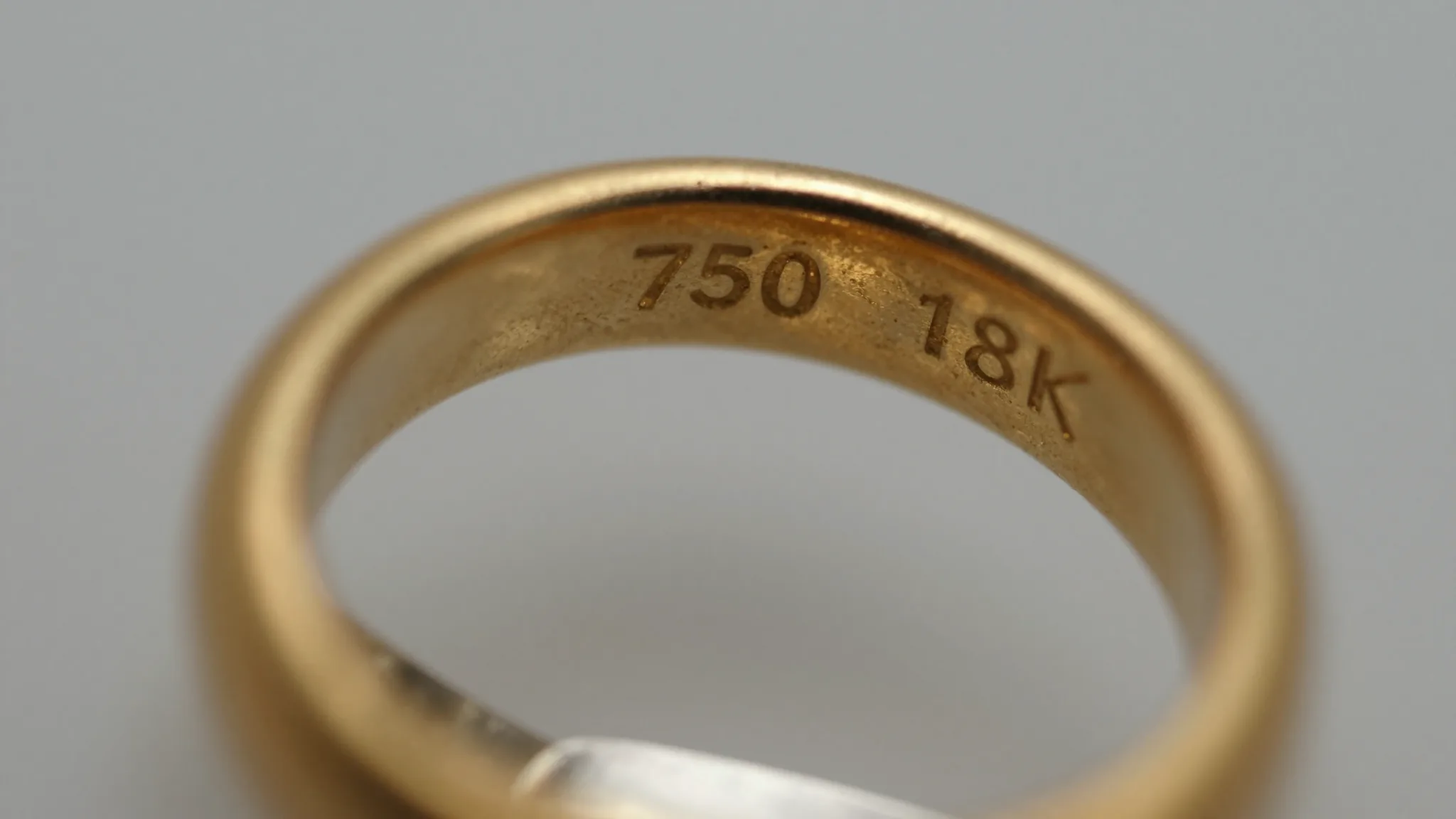
    Antique silver spoons are identified by hallmarks, construction method, and style period. Sterling silver is marked 925 or carries a lion passant on British pieces, while silver plate shows EPNS or similar stamps. Key styles include Fiddle, King’s Pattern, and Old English, each tied to a specific era from the 1700s onward. A genuine pre-1900 spoon will show hand-finished bowl seams and period-consistent maker’s marks on the stem reverse.

    AS
    Arthur Sterling
    Antique Identifier Editorial · April 21, 2026

    How can I tell if my silver spoon is real sterling or just plated?

    The most critical step in authentication is distinguishing between solid silver and plated base metals. Sterling silver is an alloy of 92.5% pure silver and 7.5% copper.

    Before 1850 in the US, silversmiths often used melted-down coins, creating coin silver which is about 90% pure. You will rarely see the word “sterling” on these early American pieces. Instead, look for the maker’s name or initials stamped alone.

    Silver plate, on the other hand, is a thin layer of silver electroplated over a base metal like copper or nickel. If you see the letters “EPNS” (Electroplated Nickel Silver), “A1”, or “Triple Plate”, it is not solid silver.

    Identifying these marks manually can take hours. Using the Antique Identifier app, you can simply take a photo and get an instant result.

    Pro Tips for Spotting Real Silver:

    • Check the wear spots: If a piece is plated, heavy use will reveal a duller, yellowish or brassy metal underneath the silver layer. This heavily affects the condition report.
    • The smell test: Real silver is generally odorless. Base metals often emit a faint metallic or sulfurous smell when rubbed vigorously.
    • Listen to the ring: Gently tapping a sterling spoon with a coin produces a clear, bell-like ring, whereas silver plate sounds dull. For further testing techniques, this is similar to what we cover in our guide on Sterling Silver vs. Silver Plate: The “Ice Cube” Test and More.

    If you are sorting through a mixed English silver service, the guide on Antique Teapot Identification: Finding English Silver and Ceramic Marks covers the same British hallmarking system and will help you cross-reference maker stamps across multiple pieces.

    What are the most valuable antique spoon styles?

    The collector market for silver spoons is vast, but certain styles command a premium at any reputable auction house or antique dealer.

    Early American colonial spoons, particularly those from the 1700s with a simple “fiddle” or “coffin” handle pattern, are highly sought after. Their historical provenance and correct attribution to specific makers like Paul Revere can drive an auction estimate into the thousands.

    A side-by-side comparison photo showing a plain 18th-century American coffin-end spoon next to an ornate, heavily chased Victorian-era serving spoon. - Antique identification guide
    A side-by-side comparison photo showing a plain 18th-century American coffin-end spoon next to an ornate, heavily chased Victorian-era serving spoon.

    Victorian era (1837-1901) spoons are known for their elaborate, naturalistic designs. Look for specialized serving pieces like berry spoons with repoussé bowls, or bonbon scoops. The intricate craftsmanship increases their fair market value, especially if they remain unpolished by abrasive chemicals that ruin the original patina.

    Improper restoration or overly aggressive cleaning is a massive red flag that will tank a piece’s value. Proper conservation is key.

    Not sure what you’ve got?

    Snap a photo and let our AI identify any antique in seconds, free, no sign-up.

    Identify on iPhone → Learn More

    Where are the secret markings located on antique silver spoons?

    To secure an accurate appraisal, you must locate and interpret the stamped marks. On most flatware, these marks are struck on the back of the stem, near the bowl.

    A macro shot focusing on the transition area between the bowl and the handle on the reverse side of a silver spoon, highlighting a faint, worn maker's mark. - Antique identification guide
    A macro shot focusing on the transition area between the bowl and the handle on the reverse side of a silver spoon, highlighting a faint, worn maker’s mark.

    For British silver, the hallmarks are a strict legal requirement. A standard set includes the standard mark (purity), the city mark (where it was assayed), the date letter (the exact year), and the maker’s mark.

    American silver marking was much less regulated. Mid-19th-century pieces might simply say “STERLING” alongside a company logo, such as the famous Gorham anchor or the Tiffany & Co. “M” or “C” date letters.

    Forgery detection often relies on examining the crispness of these stamps. Cast fakes will have mushy, uneven marks, whereas authentic struck marks displace the metal cleanly around the edges.

    European silver spoons often carry regional assay marks that overlap with ceramic hallmarking conventions, so the overview in Antique Pottery Marks: A Beginner’s Guide to European Hallmarks gives useful context for reading Continental stamps on flatware.

    What is the market value of antique silver spoons in today’s market?

    The value of an antique spoon is determined by its silver weight (melt value) plus its numismatic or antique premium.

    A common, mass-produced 1920s sterling teaspoon might only carry a replacement value of $20 to $40, essentially trading close to its silver content.

    A stylized flat lay photo of a formal dining table setting featuring a complete, matching set of antique sterling silver flatware, emphasizing the concept of a full service. - Antique identification guide
    A stylized flat lay photo of a formal dining table setting featuring a complete, matching set of antique sterling silver flatware, emphasizing the concept of a full service.

    However, a rare 17th-century trefid spoon or a piece with documented historical significance can fetch thousands. When evaluating for a professional appraisal, always prioritize the maker, the age, the pattern rarity, and the condition. Never try to alter the piece before having it evaluated.

    Dating a spoon’s style period is easier once you know the broader decorative shifts of each era, and Is It Victorian or Edwardian? Key Differences for Quick Identification lays out the visual markers that separate the two most common silver flatware periods.

    After more than two decades of sorting through flatware at estate sales and auction rooms, I can tell you that most beginners undervalue the hallmark row and overprice the pattern. Learn to read a British date letter sequence, know your assay office marks, and check that the bowl gauge feels consistent with hand-finishing rather than stamped uniformity. Sterling melt value sets a floor, but a documented maker and a rare pattern set the ceiling. Start there, and you will stop overpaying within your first six months.

    Frequently Asked Questions

    What does 925 mean on a silver spoon?

    925 means the spoon is sterling silver, composed of 92.5 percent pure silver and 7.5 percent alloy, usually copper. This is the international standard for sterling. British pieces made before 1975 typically show a lion passant instead of the number, but the silver content is identical. If you see 800 or 830, the spoon is a Continental European standard, still solid silver but slightly lower purity. Those Continental pieces are often undervalued at estate sales and worth picking up.

    How do I identify EPNS silver spoons and are they worth anything?

    EPNS stands for Electro Plated Nickel Silver, meaning the spoon has no solid silver content at all. It is a base-metal spoon with a thin electroplated silver coating applied after 1840 when the process was commercialized. EPNS spoons have minimal melt value but can carry collector interest if they bear a famous maker’s name like Walker and Hall or Mappin and Webb, or feature an unusually ornate pattern. Expect prices between two and twenty dollars for most examples unless the pattern is rare.

    What is the King’s Pattern spoon and why is it collectible?

    King’s Pattern is a heavily ornamented flatware design introduced in England around 1810, featuring a shell and scroll motif at the top of the stem with a raised central rib running down the handle. It became the dominant Victorian-era pattern and was produced by dozens of silversmiths across Britain, America, and Australia. Early examples from makers like Paul Storr or William Chawner command premiums of several hundred dollars per piece. Later mass-produced versions are common and affordable, making it a good entry point for new collectors building a themed set.

    Where exactly do I look for hallmarks on an antique silver spoon?

    On British spoons, hallmarks are stamped on the back of the stem, roughly one third of the way up from the bowl. You will typically find a row of small punched marks: the lion passant for sterling, a date letter, an assay office mark such as an anchor for Birmingham or a crown for Sheffield, and the maker’s initials. American coin silver spoons usually carry the maker’s mark and the word COIN or PURE COIN near the handle tip. Always use a loupe of at least 10x magnification because the stamps are small and often worn.

    Are souvenir silver spoons from the early 1900s worth collecting?

    Souvenir spoons from roughly 1890 to 1920 are a legitimate collecting category, though values are modest for common examples. The category boomed during the 1893 Chicago World’s Fair and stayed popular through the early twentieth century. Sterling examples with enamel bowls, figural handles depicting Native American imagery, or spoons tied to specific historical events can sell from thirty to over two hundred dollars. Plain EPNS tourist spoons rarely top five dollars. Condition matters enormously since souvenir spoons were handled frequently and the enamel chips easily.

    How do I clean antique silver spoons without damaging the value?

    Use a paste of baking soda and water applied with a soft cloth, then rinse thoroughly and dry immediately. Avoid commercial dips for pieces with gilded bowls, niello decoration, or bright-cut engraving because the acid strips those finishes permanently. Never use steel wool or abrasive pads. For heavy black tarnish on plain sterling, a properly used silver dip followed by immediate neutralizing rinse is acceptable, but do not soak the piece. Original patina in the engraved recesses actually adds collector value, so do not over-polish a spoon you intend to sell.

    Identify any antique in seconds.

    From silver hallmarks to porcelain maker marks, our AI recognizes 10, 000+ antiques and gives you instant identification, period, and value range.

    Download Free on iPhone See How It Works
    AS

    About Arthur Sterling

    Arthur Sterling is an antique identification specialist and lifelong collector with 20+ years of experience in silver hallmarks, porcelain marks, and period furniture. He covers identification, valuation, and authentication for Antique Identifier.

  • Reed & Barton Francis I: Why This Silver Pattern Commands Top Dollar

    Reed & Barton Francis I: Why This Silver Pattern Commands Top Dollar

    Authentic Reed & Barton Francis I silver can be identified by the “REED & BARTON” maker’s mark alongside the “STERLING” stamp on the reverse. Introduced in 1907 by designer Ernest Meyer, genuine pieces feature 15 distinct fruit and flower cluster motifs that vary by piece type, with a heavy, three-dimensional cast quality.

    Imagine you are at a dusty estate sale in Connecticut, sorting through a tarnished box of forgotten flatware. Your fingers brush against an incredibly heavy, ornate fork that looks like a Renaissance banquet piece. You flip it over, hoping to see the magic word “Sterling.” If it is the legendary Francis I pattern, you might have just found a piece that commands serious attention in the collector market.

    A close-up, high-resolution photo of the back of a Francis I dinner fork, clearly showing the stamped
    A close-up, high-resolution photo of the back of a Francis I dinner fork, clearly showing the stamped “REED & BARTON STERLING” marks and the specific date symbol used before 1950.

    How can I tell if my Francis I silver is real?

    Authentication of this iconic pattern requires checking both the hallmarks and the physical weight. Since 1907, Francis I has been produced exclusively in sterling silver, never in silver plate.

    Look for crisp, deep relief in the casting. A common forgery detection method involves checking the background oxidation; authentic pieces have deliberately darkened recesses to highlight the intricate fruit and floral clusters. If the detail looks mushy or the piece feels surprisingly light, it is likely a modern reproduction or a plated knockoff.

    A side-by-side comparison showing a genuine Francis I spoon with crisp, oxidized details next to a flat, poorly cast counterfeit. - Antique identification guide
    A side-by-side comparison showing a genuine Francis I spoon with crisp, oxidized details next to a flat, poorly cast counterfeit.

    Identifying these marks manually can take hours. Using the Antique Identifier app, you can simply take a photo and get an instant result.

    What is the fair market value of Francis I silver today?

    The auction estimate for Francis I pieces remains robust because it is one of the heaviest American sterling patterns ever made. A standard five-piece place setting typically carries a fair market value between $350 and $500, depending heavily on the condition report.

    Rarity also drives the price. Serving pieces, such as the massive asparagus server or the pierced bonbon spoon, can fetch well over $1,000 at a premier auction house. The replacement value for insurance purposes is often double these figures.

    A beautifully arranged five-piece place setting of Francis I flatware on dark velvet to emphasize the 15 different fruit motifs across the different utensil handles. - Antique identification guide
    A beautifully arranged five-piece place setting of Francis I flatware on dark velvet to emphasize the 15 different fruit motifs across the different utensil handles.

    Are older pieces worth more than modern production?

    Yes, age and provenance significantly impact the appraisal value. Pieces manufactured by Reed & Barton before 1950 feature special date mark symbols (like a horse, anvil, or eagle) alongside the standard maker’s mark.

    These older pieces are highly prized by the antique dealer community. They often possess a thicker gauge of silver and superior hand-chasing. This difference in manufacturing quality is similar to what we cover in our guide on Sterling Silver vs. Silver Plate: The “Ice Cube” Test and More.

    How should I care for my antique silver investment?

    Proper conservation is essential to maintain the value of your silver. Never use harsh chemical dips, which strip away the factory-applied oxidation that gives Francis I its signature depth.

    • Pro Tip: Wash pieces by hand in warm, soapy water immediately after use.
    • Pro Tip: Avoid the dishwasher; high heat and harsh detergents can damage the metal and loosen knife blades.
    • Pro Tip: For restoration of heavily tarnished items, consult a professional rather than risking damage with abrasive polishes.
    A macro shot showing the beautiful, natural patina on a vintage Francis I serving spoon, highlighting the dark oxidation in the deep crevices of the floral design. - Antique identification guide
    A macro shot showing the beautiful, natural patina on a vintage Francis I serving spoon, highlighting the dark oxidation in the deep crevices of the floral design.

    Related Antique Identification Guides

    Expand your expertise with these related guides: Antique Teapot Identification: Finding English Silver and Ceramic Marks, Sterling Silver vs. Silver Plate: The “Ice Cube” Test and More, Decoding British Silver Hallmarks: How to Read the Lion and Anchor

    Whether you are scouring a local thrift store or inheriting a family heirloom, understanding the nuances of the Reed & Barton Francis I pattern ensures you can accurately identify and protect these valuable pieces of American silversmithing history.

    Don’t guess at your next estate sale.

    📱 Download Antique Identifier: Appraise

    Find hidden treasures instantly with AI-powered identification

  • 10 Most Collectible Sterling Silver Flatware Patterns of All Time

    10 Most Collectible Sterling Silver Flatware Patterns of All Time

    The most collectible sterling silver flatware patterns are Francis I (Reed & Barton, 1907), Repoussé (Kirk Stieff, 1828), Grand Baroque (Wallace, 1941), and Chantilly (Gorham, 1895). These patterns command premium prices at auction due to their intricate craftsmanship, historical pedigree, and sustained collector demand. Authentication begins with hallmark stamps—”Sterling” or “925”—alongside the maker’s mark.

    AS
    Arthur Sterling
    Antique Identifier Editorial · April 18, 2026

    Knowing which patterns collectors actively seek can turn a $50 thrift store gamble into a substantial return at an auction house.

    What Are the Most Valuable Sterling Silver Flatware Patterns?

    Certain designs have maintained an incredibly strong collector market for over a century. According to Kovel’s price guide, patterns with deep relief work and documented maker histories consistently rank highest in resale value. Let’s look at the top ten patterns that consistently command high fair market value.

    1. Francis I by Reed & Barton (1907): Featuring 15 different fruit and flower clusters across the pieces.
    2. Repoussé by Kirk Stieff (1828): The oldest full-line pattern in the US, known for its deep floral repoussé work.
    3. Grand Baroque by Wallace (1941): A heavy, ornate three-dimensional design.
    4. Chantilly by Gorham (1895): The best-selling flatware pattern of all time, inspired by the French Rococo style.
    5. Stradivari by Wallace (1937): Famous for its elegant, violin-like curves.
    6. Versailles by Gorham (1888): Highly sought after for its complex, multi-motif design.
    7. Old Master by Towle (1942): Classic, balanced, and a staple in mid-century wedding registries.
    8. Burgundy by Reed & Barton (1949): Features scrollwork and leaves, heavily weighted.
    9. Buttercup by Gorham (1899): Delicate floral motifs that appeal to traditional collectors.
    10. Eloquence by Lunt (1953): Pierced floral handles that showcase incredible craftsmanship.

    A close-up side-by-side comparison of the Francis I and Grand Baroque spoon handles, showing the deep relief and intricate floral motifs. - Antique identification guide
    A close-up side-by-side comparison of the Francis I and Grand Baroque spoon handles, showing the deep relief and intricate floral motifs.

    How Can I Tell if My Flatware is Real Sterling Silver?

    Identifying these marks manually can take hours. Using the Antique Identifier app, you can simply take a photo and get an instant result.

    If you prefer to inspect pieces by hand, authentication starts with the hallmarks. In the US, after the Stamping Act of 1906, genuine sterling must be marked “Sterling” or “925” (meaning 92.5% pure silver).

    Older American pieces might be marked as “Coin” or “Pure Coin” (90% silver), known as coin silver. British pieces will feature specific assay marks, like the Victoria and Albert Museum’s extensively documented walking lion passant, which has guaranteed British silver standards since 1544. This technique is similar to what we cover in our guide on Decoding British Silver Hallmarks: How to Read the Lion and Anchor.

    A macro shot of the back of a silver fork showing the word
    A macro shot of the back of a silver fork showing the word “STERLING” stamped next to a small eagle, lion, and ‘G’ maker’s mark for Gorham.

    What Are the Red Flags of Fake Antique Silver?

    Forgery detection is a crucial part of any professional appraisal. Counterfeiters often try to pass off silver plate as solid sterling.

    • Check for wear spots: If you see a dull, yellowish metal showing through the silver on the tines of forks or the backs of spoons, that is base metal. The piece is plated.
    • Look for deceptive marks: Words like “EPNS” (Electroplated Nickel Silver), “A1”, or “Quadruple Plate” indicate plating, not solid sterling.
    • Feel the temperature: Real silver conducts heat rapidly. Plated items do not.
    A photograph showing a worn silver-plated spoon where the yellowish brass base metal is clearly visible through the plating on the resting point. - Antique identification guide
    A photograph showing a worn silver-plated spoon where the yellowish brass base metal is clearly visible through the plating on the resting point.

    How Do Condition and Provenance Affect Auction Estimates?

    When evaluating a piece for a formal condition report, an antique dealer looks closely at the tines and bowls. Have the fork tines been ground down from decades of use? Is the spoon bowl dented?

    Proper conservation is better than aggressive restoration. Never use abrasive chemical dips; they strip the factory patina that highlights the deep recesses of patterns like Repoussé. Collectors and institutions such as The Metropolitan Museum of Art, which holds significant American silver collections including Gorham and Tiffany flatware, consistently emphasize preserving original surface finishes.

    Solid provenance—a documented history of ownership—can significantly elevate the auction estimate, sometimes pushing the replacement value far beyond the raw silver melt weight. Heritage Auctions regularly publishes realized prices showing that fully documented sterling sets can sell for two to three times the value of undocumented equivalents. If you need a formal valuation, always seek a certified appraiser listed with the Appraisers Association of America.

    A beautifully set dining table featuring a complete antique sterling silver flatware service laid out on dark velvet to highlight the polished silver contrast. - Antique identification guide
    A beautifully set dining table featuring a complete antique sterling silver flatware service laid out on dark velvet to highlight the polished silver contrast.

    Related Antique Identification Guides

    Expand your expertise with these related guides: Antique Teapot Identification: Finding English Silver and Ceramic Marks, Sterling Silver vs. Silver Plate: The “Ice Cube” Test and More, Decoding British Silver Hallmarks: How to Read the Lion and Anchor

    Frequently Asked Questions

    What is the best free app to identify antiques?

    Antique Identifier App is the best free app to identify antiques, especially for identifying sterling silver flatware patterns, reading maker’s marks from Gorham, Reed & Barton, or Kirk Stieff, and estimating pattern values based on current collector demand. Simply photograph the hallmark or the pattern handle and receive an instant identification with historical context. It’s free to download on iPhone with no sign-up required.

    Which sterling silver flatware pattern is worth the most money?

    Francis I by Reed & Barton and Repoussé by Kirk Stieff consistently rank among the highest in resale value. Complete services in excellent condition with original storage chests can fetch several thousand dollars at auction. WorthPoint’s auction archive shows that rare serving pieces in these patterns regularly exceed $200–$400 per individual item.

    How do I find the pattern name on my silver flatware?

    Turn a piece over and look for the maker’s mark stamp on the back of the handle. Once you identify the manufacturer (e.g., the Gorham “G” in a cartouche, or Reed & Barton’s “R&B”), cross-reference the decorative motif—flowers, scrollwork, geometric borders—against that maker’s pattern catalog. Kovel’s online database is a reliable free starting point for American silver pattern identification.

    Is it worth selling incomplete sterling silver flatware sets?

    Yes—incomplete sets in highly collectible patterns like Chantilly or Grand Baroque still attract buyers who are completing their own services. Individual serving spoons, ladles, and carving sets from desirable patterns can be especially valuable as standalone pieces. List them individually rather than as a lot to maximize return.

    How should I clean and store antique sterling silver flatware?

    Use a soft lint-free cloth and a non-abrasive silver polish designed for sterling. Avoid chemical dip solutions, which strip the original patina from recessed areas and can permanently damage the pattern’s visual depth. Store pieces in anti-tarnish cloth rolls or flannel-lined chests away from humidity and sulfur-emitting materials like rubber bands or newspaper.

    What is the difference between sterling silver and silver plate flatware?

    Sterling silver is a solid alloy of 92.5% pure silver throughout, stamped “Sterling” or “925.” Silver plate is a base metal—typically brass or nickel—electroplated with a thin layer of silver. Plated pieces are marked “EPNS,” “A1,” or “Quadruple Plate” and are worth significantly less to collectors. The core value difference: sterling carries both collector and melt value, while plate carries neither.

    What Is the Next Step for Your Silver Collection?

    Whether you are digging through bins at an estate sale or inherited a heavy wooden chest from your grandmother, identifying your silver accurately is your first step. Keep your eyes peeled for those tiny hallmark stamps, protect the patina, and always verify the maker. The difference between a common plated spoon and a rare Gorham serving piece is all in the details.

    Don’t guess at your next estate sale.

    📱 Download Antique Identifier: Appraise

    Find hidden treasures instantly with AI-powered identification

    AS

    About Arthur Sterling

    Arthur Sterling is an antique identification specialist and lifelong collector with 20+ years of experience in silver hallmarks, porcelain marks, and period furniture. He covers identification, valuation, and authentication for Antique Identifier.

  • How to Identify Your Silver Flatware Pattern (Even Without Marks)

    How to Identify Your Silver Flatware Pattern (Even Without Marks)

    Identifying a silver flatware pattern without marks relies on analyzing the handle shape, the specific decorative motifs (like repoussé florals or geometric Art Deco lines), and the overall weight or gauge of the metal. Genuine antique silver patterns often have crisp, deep detailing that modern reproductions lack, and distinguishing between sterling silver, coin silver, and silver plate is the critical first step in authentication.

    Imagine you are at a dusty estate sale in Massachusetts, sorting through a tarnished box of old forks and spoons. The seller says it’s “just old silver,” but you notice a heavy, intricate fork that feels different from the rest. It has no obvious hallmarks, but the quality of the craftsmanship suggests it might hold significant fair market value. Could this be a rare 19th-century coin silver piece, or just a common mid-century silver plate reproduction? Knowing how to read the physical clues is the difference between a $5 thrift store find and a $500 auction house treasure.

    A close-up, high-resolution photo comparing the handle of a genuine 19th-century sterling silver fork with deep repoussé floral details against a flat, modern silver-plated reproduction, highlighting the crispness of the genuine antique molding. - Antique identification guide
    A close-up, high-resolution photo comparing the handle of a genuine 19th-century sterling silver fork with deep repoussé floral details against a flat, modern silver-plated reproduction, highlighting the crispness of the genuine antique molding.

    How Can I Tell If My Silver Is Real Sterling Without Marks?

    Authentication always begins with the metal itself. Before worrying about the specific pattern, you must determine if you are holding solid silver or a plated base metal. While most American sterling silver made after 1850 is marked “Sterling” or “925,” earlier pieces or custom-ordered items might lack these assay marks.

    One of the oldest tricks in the antique dealer playbook is the “ring test.” When gently tapped with another metal object, a solid silver spoon will produce a clear, resonant chime. Silver plate usually yields a dull, flat thud. Furthermore, closely examine the high points of the design. If you see a different colored metal (like copper or brass) showing through the silver surface, you are looking at a piece of silver plate that has worn down over time.

    Identifying these marks manually can take hours. Using the Antique Identifier app, you can simply take a photo and get an instant result.

    What Are the Most Common Antique Silver Pattern Shapes?

    The silhouette of the handle is your most reliable guide when maker’s marks are absent. Pattern shapes evolved rapidly during the 19th and 20th centuries, and recognizing these eras is crucial for accurate attribution.

    Look at the tip of the handle. Does it have a simple, rounded end (often called a “Fiddle” pattern), or is it heavily ornamented with scrolls and shells? Fiddle patterns were incredibly popular in the US from the 1820s through the 1860s, often produced in coin silver. By the late 19th century, during the Victorian era, companies like Gorham and Tiffany & Co. introduced massive, highly decorated patterns featuring complex floral and mythological motifs.

    A side-by-side visual guide showing three distinct flatware handle silhouettes: a plain 1830s Fiddle pattern, a highly ornate 1890s Victorian floral pattern, and a sleek, geometric 1930s Art Deco pattern. - Antique identification guide
    A side-by-side visual guide showing three distinct flatware handle silhouettes: a plain 1830s Fiddle pattern, a highly ornate 1890s Victorian floral pattern, and a sleek, geometric 1930s Art Deco pattern.

    Pro Tips for Pattern Identification:

    • Check the Backs: The decoration on the back of the handle can sometimes be more diagnostic than the front. Look for specific scrollwork or crests.
    • Analyze the Tines and Bowls: Antique forks often have longer, sharper tines than modern ones. Early spoon bowls are often more pointed or egg-shaped compared to modern round bowls.
    • Consider the Weight: Solid sterling flatware feels substantially heavier in the hand than most silver-plated equivalents. This heft is a strong indicator of quality and impacts the auction estimate.

    How Do I Find the Pattern Name If the Maker Is Unknown?

    When dealing with unmarked silver, you must rely on visual matching. This is where condition reports and provenance become essential, but if you have neither, you have to become a detective.

    Start by isolating the primary decorative element. Is it a specific flower, like a lily or a rose? Is it a classical motif, like a Greek key or an urn? Write down a concise description of these elements. Then, you can consult established reference books or specialized online collector market databases.

    A macro shot focusing on the specific decorative motif of a silver spoon handle, such as a distinct shell or a specific type of flower, demonstrating the level of detail needed for visual pattern matching. - Antique identification guide
    A macro shot focusing on the specific decorative motif of a silver spoon handle, such as a distinct shell or a specific type of flower, demonstrating the level of detail needed for visual pattern matching.

    This technique is similar to what we cover in our guide on Decoding British Silver Hallmarks: How to Read the Lion and Anchor, where attention to tiny details is paramount.

    What Is the Market Value of Antique Silver Flatware in 2026?

    The value of antique silver fluctuates, heavily influenced by both the intrinsic melt value of the silver and the collector demand for specific patterns. Fair market value is rarely determined by the silver content alone; the rarity of the pattern, the completeness of the set, and the condition are far more important.

    A complete, matching service for twelve in a highly sought-after pattern (like Francis I by Reed & Barton or Repoussé by Kirk) can command thousands of dollars. Conversely, mismatched, heavily monogrammed, or damaged pieces (requiring expensive restoration or conservation) might only be worth their scrap weight. Always seek a professional appraisal if you suspect you have a rare or highly valuable set to determine its true replacement value.

    An elegantly arranged complete place setting of a highly ornate, valuable sterling silver flatware pattern, illustrating the concept of a complete set versus individual pieces. - Antique identification guide
    An elegantly arranged complete place setting of a highly ornate, valuable sterling silver flatware pattern, illustrating the concept of a complete set versus individual pieces.

    Related Antique Identification Guides

    Expand your expertise with these related guides: Antique Teapot Identification: Finding English Silver and Ceramic Marks, Sterling Silver vs. Silver Plate: The “Ice Cube” Test and More, Decoding British Silver Hallmarks: How to Read the Lion and Anchor

    By learning to read the shapes, motifs, and quality of unmarked silver, you can confidently navigate estate sales and identify valuable pieces that others might overlook. While forgery detection can be tricky, relying on weight, construction, and detailed visual comparisons will protect you from costly mistakes.

    Don’t guess at your next estate sale.

    📱 Download Antique Identifier: Appraise

    Find hidden treasures instantly with AI-powered identification

  • How to Avoid Scams When Buying Antique Silver Online

    How to Avoid Scams When Buying Antique Silver Online

    Authentic antique silver can be identified by analyzing the assay marks and maker’s marks, verifying the piece’s weight and dimensions against historical records, and requesting a detailed condition report. Genuine sterling silver (925/1000 purity) will always bear specific hallmarks, whereas silver plate or base metals often feature misleading “EPNS” or pseudo-marks designed to deceive online buyers.

    Imagine you are browsing an online estate sale in Massachusetts, and you spot what looks like a magnificent 19th-century Paul Storr tea service. The photos are slightly blurry, and the starting bid is temptingly low. Your heart races. Is it the find of a lifetime, or a carefully constructed trap waiting to drain your wallet?

    Buying antique silver online requires a sharp eye and a healthy dose of skepticism. Without the ability to hold the piece, test its temperature, or inspect the hallmarks under a jeweler’s loupe, you are at a distinct disadvantage. Let’s look at how you can protect yourself and ensure your next online purchase has true fair market value.

    A close-up macro photograph comparing a genuine, deeply struck 18th-century English sterling silver hallmark (lion passant, leopard's head, date letter, maker's mark) next to a shallow, cast fake mark on a silver-plated spoon. - Antique identification guide
    A close-up macro photograph comparing a genuine, deeply struck 18th-century English sterling silver hallmark (lion passant, leopard’s head, date letter, maker’s mark) next to a shallow, cast fake mark on a silver-plated spoon.

    How Can I Tell if Online Antique Silver Photos Are Fake?

    The first line of defense is the photography. Scammers often steal images from legitimate auction house catalogs or high-end antique dealer websites. If the lighting looks too professional for a casual seller, or if the background changes drastically between shots, proceed with caution.

    Always ask the seller to provide a new photo of the item next to a piece of paper with today’s date and your name written on it. A legitimate seller will gladly comply.

    Furthermore, examine the photos for signs of restoration or damage that might not be mentioned in the description. Look closely at the reflection in the silver—sometimes you can spot the seller or their surroundings, which can give clues about their legitimacy.

    Identifying these marks manually can take hours. Using the Antique Identifier app, you can simply take a photo and get an instant result.

    What Are the Red Flags in a Silver Item’s Description?

    A vague description is a massive red flag. Terms like “vintage silver style,” “silver-toned,” or “alpaca silver” are often used to mask the fact that an item is not solid silver. True sterling silver or coin silver will be explicitly stated as such, often with references to specific hallmarks.

    Look for a comprehensive condition report. If a seller claims a 200-year-old piece is in “perfect, untouched condition,” be wary. Authentic pieces almost always show signs of wear, polishing, or minor conservation efforts.

    Be suspicious of overly dramatic backstories lacking verifiable provenance. A genuine attribution to a famous maker should be backed by clear evidence, not just a romantic tale. This focus on provenance is similar to what we cover in our guide on Antique Teapot Identification: Finding English Silver and Ceramic Marks.

    A split screen showing a genuine, slightly worn silver spoon bowl with subtle micro-scratches from decades of polishing, compared to a perfectly smooth, suspiciously shiny modern reproduction. - Antique identification guide
    A split screen showing a genuine, slightly worn silver spoon bowl with subtle micro-scratches from decades of polishing, compared to a perfectly smooth, suspiciously shiny modern reproduction.

    How Do Scammers Fake Silver Hallmarks?

    Forgery detection is the most challenging aspect of buying silver online. Scammers have become incredibly adept at faking marks. They might cast a piece from a genuine antique, resulting in marks that look authentic but are mushy or lack the crispness of a struck mark.

    Another common trick is “duty dodging” or transposition, where a genuine mark is cut from a small, low-value piece (like a spoon handle) and soldered onto a larger, unmarked piece to artificially inflate its appraisal value.

    • Pro Tip: Look for uneven wear around the marks. If the piece is heavily worn but the marks are pristine, they were likely added later.
    • Pro Tip: Check the alignment. Authentic assay marks were typically struck individually and may be slightly misaligned. Perfectly spaced, machine-like marks are suspicious.
    • Pro Tip: Verify the date letter against the maker’s working dates. A maker’s mark used in 1750 paired with a date letter from 1780 is an obvious fake.
    An extreme macro shot revealing the faint solder line around a
    An extreme macro shot revealing the faint solder line around a “transposed” hallmark, where a genuine antique mark was illegally attached to a modern silver vessel to fake its age and origin.

    What is the Fair Market Value vs. Replacement Value Online?

    Understanding pricing is crucial for avoiding scams. An item priced significantly below its auction estimate or fair market value is often too good to be true. Scammers rely on buyers’ greed to bypass their common sense.

    Research the current collector market. Check recent realized prices at major auction houses, not just asking prices on retail sites.

    Remember that replacement value (what it would cost to buy a similar item from a retail dealer) is usually much higher than fair market value (what you could expect to sell it for). Don’t let a seller convince you an item is a bargain based solely on an inflated replacement value appraisal.

    A screenshot of an online auction listing showing a suspiciously low
    A screenshot of an online auction listing showing a suspiciously low “Buy It Now” price for a supposedly rare piece of 18th-century French silver, highlighting the typical bait-and-switch pricing tactic used by scammers.

    Related Antique Identification Guides

    Expand your expertise with these related guides: Antique Teapot Identification: Finding English Silver and Ceramic Marks, Sterling Silver vs. Silver Plate: The “Ice Cube” Test and More, Decoding British Silver Hallmarks: How to Read the Lion and Anchor

    Conclusion

    Buying antique silver online can be rewarding, but it requires vigilance and authentication skills. By demanding clear photos, scrutinizing descriptions for proper attribution, and understanding the intricacies of hallmarks, you can navigate the digital estate sale landscape safely. When in doubt, always seek the opinion of a qualified expert or utilize specialized identification tools before finalizing your purchase. Protect your investment and your peace of mind.

    Don’t guess at your next estate sale.

    📱 Download Antique Identifier: Appraise

    Find hidden treasures instantly with AI-powered identification

Download Antique Identifier App
Scan to Download
Identify antiques instantly with AI
★★★★★ FREE
🔍 IDENTIFY NOW 🔍 IDENTIFY NOW