
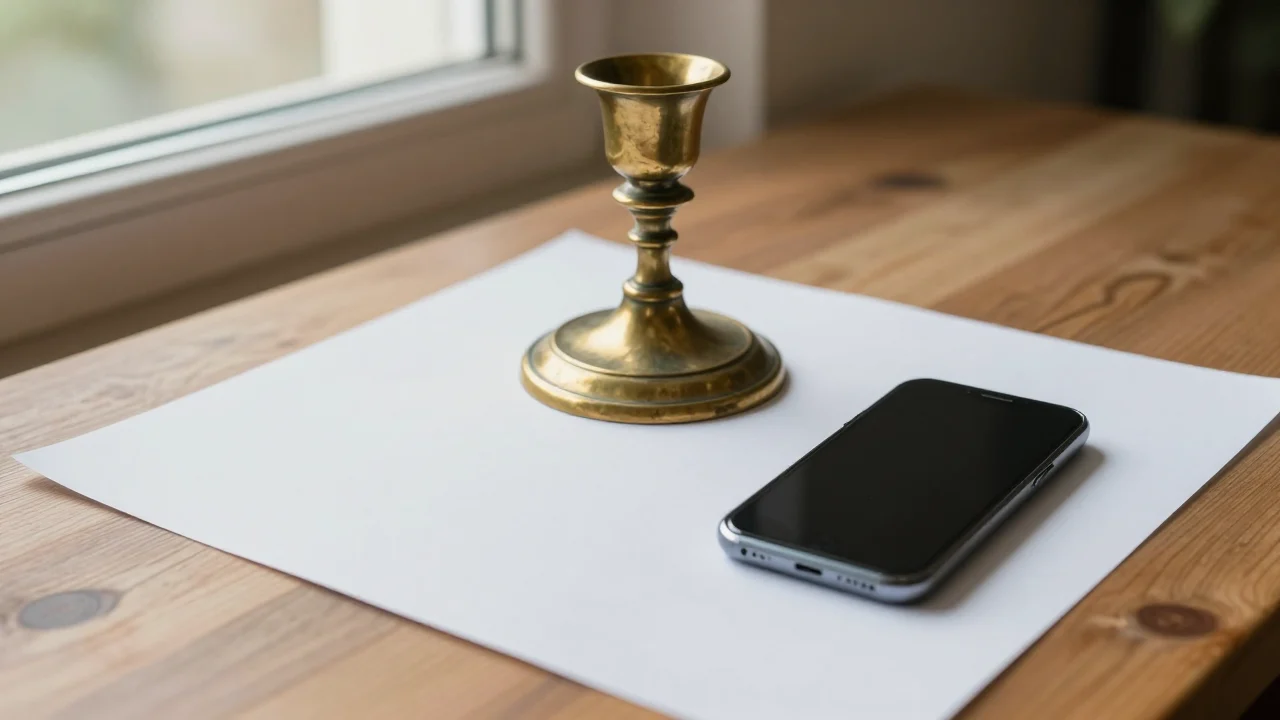
Yes, within limits: a free antique valuation app can identify a piece from a photo and suggest a price range, but it cannot replace a signed appraisal.
Antique Identifier publishes this article and also makes one of the apps it describes, Antiqly, so this is not an independent review of competing products. Nothing here comes from a test against objects of known value; every tool is described from its own published listing or documentation, and the limits set out below apply to our app exactly as they apply to any other.
What a free antique valuation app can do
A free app can attempt three things from a photograph: name the object, place it in a period and category, and point you towards what comparable pieces have fetched. The first two steps are identification, and they are where a phone camera helps most, because someone asking “what is this?” often has nothing to go on but the object itself. If you would rather work through the same steps by hand, our beginner’s guide to identifying antiques shows what to look at on the object before you open any app.
Valuation is a different job. The number an app shows is an estimate of market value, and the clearest definition of that idea comes from the IRS guidance on valuing donated property: “FMV is the price that property would sell for on the open market.” An app cannot know that price. It can only report what similar-looking objects were offered or sold at, which is why the next section treats the figure as a range.
Authenticity is a third job again, and no photo tool settles it. An app can flag that a mark, a shape or a glaze is consistent with a maker, but marks can be copied and added later, so a match is a lead and not a verdict. Our guide to antique marks and signatures explains how to read a mark and what it does not tell you.
| The question you ask | What a free app gives you | What you still need |
|---|---|---|
| What is this object? | A name, a category and a likely period, based on how it looks | A check against a documented example, such as a museum record |
| Who made it, and when? | A suggested maker or origin when a mark or style is recognisable | The mark read in daylight against a reference that covers that country and period |
| What is it worth? | A range built from listings and sales of similar-looking pieces | Several completed sales for pieces in comparable condition |
| Is it genuine? | Features that are consistent or inconsistent with the attribution | Examination in hand; a photograph hides repairs and later additions |
| Can I use the figure for insurance, probate or tax? | Usually not; it is an estimate, not a report | A written appraisal, when the insurer, court or tax rule asks for one |
Why the price on the screen is a range, not a value
The figure an app shows is assembled from photographs and records of other objects, so treat it as a range to test rather than a price to quote. The method itself is a standard one. The IRS notes in the same guidance that “The sales prices of properties similar to the donated property are often important in determining the FMV.” The weakness lies in what a photograph cannot carry.
Condition is the first gap. The IRS states that “The physical condition and extent of restoration are both relevant in determining the valuation of art and antiques”, and a photograph hides exactly those things: hairline cracks, replaced hardware, overpainting, a re-glued handle or a top and base that started life as two different pieces. Two objects that look identical on a screen can sit at opposite ends of the same range once somebody holds them.
Comparables are the second gap. Rare, regional or unusually large pieces may have no close match in any archive, and a range built from three unlike objects is not a range. Listings add a third problem, because an asking price records what a seller hoped for rather than what a buyer paid, and reproductions are sometimes listed under period names. Our guide to how to tell if your antique is worth money lists the signs that lift a piece out of the ordinary, and how appraisers determine antique value explains which value figure a written report actually commits to.
What “free” means in an app store
In the app stores, “free” on a listing means free to download; when the same listing also says “In-App Purchases”, further features are sold inside the app, so read the listing before you expect unlimited scans. That is true of the app this site publishes. Antique Identifier - Antiqly is listed as free to download with in-app purchases on the App Store and on Google Play, it runs on iPhone, iPad and Android, and it asks for no sign-up before the first scan. Its App Store listing states “Your first analysis is free” and describes further use as a subscription, a pack of scan credits or a one-time lifetime purchase. Those are the company’s own terms, and this article does not vouch for the estimates the app produces.
Google Lens is the free general-purpose alternative. Google describes it with the line “Identify what you see” and invites you to “Use your camera or an image to search”: it runs a web search from a picture instead of from words. That makes it useful for matching a pattern or a printed mark, but a search result is a page or a picture rather than a record of what a buyer paid, so the value question stays open. Our comparison of Google Lens and an antique identifier app goes through where each one helps, and free versus paid antique identification apps sets out what paid tiers usually add.
How to get a usable answer from any free app
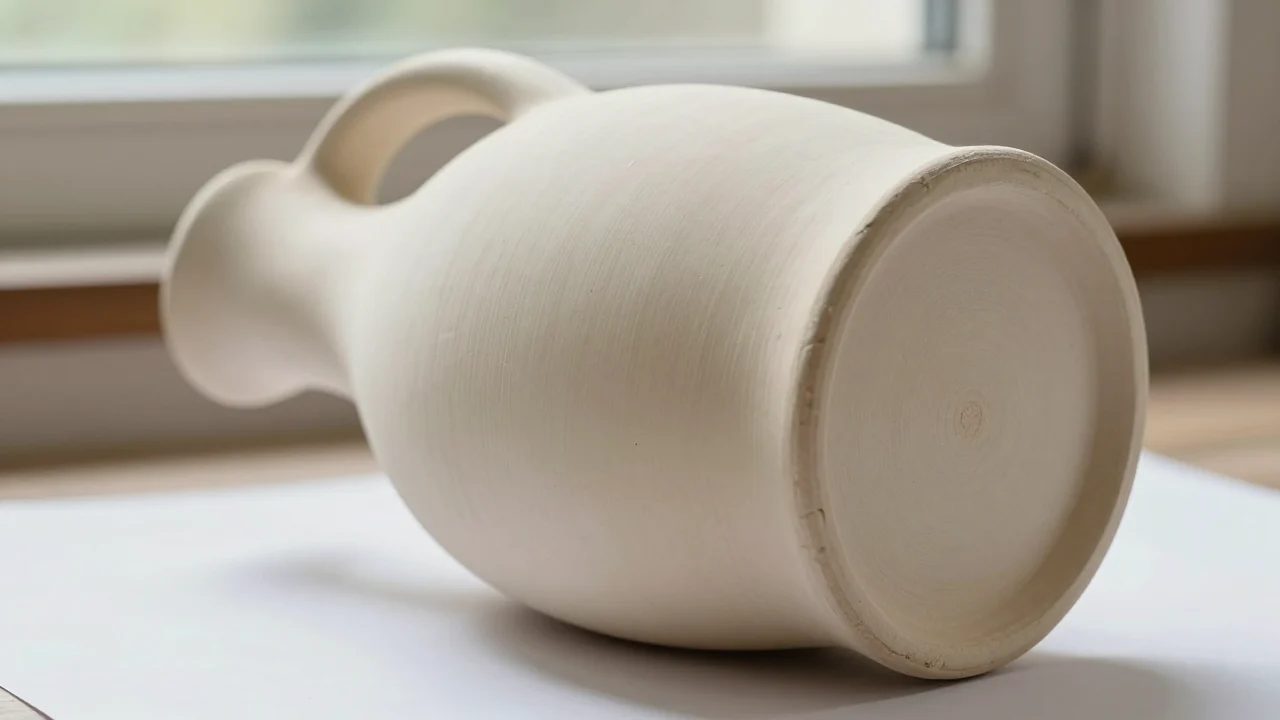
The photographs are all an app ever sees of your object, so take them properly before you open any app. Work in daylight rather than under a lamp, put the piece on plain white paper or a plain cloth, and fill the frame with the object rather than the room.
Then take the shots the app cannot ask you for. Photograph the whole piece from the front, the base or underside, any mark or label as close and as sharp as your camera allows, the joints or seams, and every flaw you can find. Some apps accept several images; Antiqly’s listing, for example, says you can “select 1-4 images from your gallery”, and the base and mark shots carry evidence that a front view never shows. If the app returns a maker, photograph the mark again in raking light and check it against a reference yourself, using the method in our marks and signatures guide.
Finally, give the result a fair test. Search the name the app returns in an archive of completed sales, read several results for pieces in comparable condition, and compare the app’s range with what you find. If the two disagree, recheck the photographs and the identification first, and our guide to online antique valuation tools shows which archive suits which kind of object.
When a free app is not enough
Stop relying on an app the moment the number has to satisfy someone other than you: an insurer, an executor, a tax authority or a buyer paying a serious sum. Those parties may ask for a written appraisal rather than an estimate. In the United States, for example, the IRS states that “Many, but not all, charitable contributions require a qualified appraisal completed by a qualified appraiser”, and a screenshot from an app does not meet that standard.
A formal appraisal is a written, signed report from a professional appraiser, and finding one is not difficult: the American Society of Appraisers directory says the society “has thousands of designated appraisal professionals throughout the world”. What a free app tells you can be useful preparation for that appointment, because you arrive knowing what the piece probably is and roughly what similar pieces have brought. Our comparison of an antique identifier app and a professional appraiser sets out when each one is the better choice.
What to do with your object now
Work through these three steps and stop as soon as the answer is good enough for what you need.
- Photograph it properly. Daylight, a plain background, the whole object, the base, any mark and every flaw.
- Identify first, then price. Run the photographs through an identification tool to get a name and a period, then search that name in an archive of completed sales and read several results for pieces in comparable condition.
- Decide who the number is for. If it only has to satisfy your curiosity or a casual sale, the range is enough. If it has to satisfy an insurer, an executor or a tax authority, book a professional appraiser and treat the app’s result as your preparation for that appointment.
Method and limits. This article describes each tool from its own published listing or documentation, including the app this site publishes, and from the IRS and appraisal-society material linked above. No app was tested against objects of known value for this article, no accuracy figure is claimed for any of them, and no object was examined in hand.
