
All About Antiques
Antique identification, valuation, and collecting reference.
Popular Guides
Free Online Antique Appraisal (2026)
Ten free options compared, plus a scanner on the page that values your piece from one photo.
Antique Marks & Signatures: Complete Identification Guide
Complete guide to decoding maker marks on silver, porcelain, glass and furniture.
Is Antique Snap Legit? An Honest 2026 Review
What the app gets right, what it misses, and the complaints users actually make.
Best Antique Identifier Apps 2026: Head-to-Head Comparison
5 apps tested side-by-side for accuracy, speed and features.
Noritake China Patterns: Identification and Value
Read the backstamp, name the pattern, and see what collectors pay.
Online Antique Valuation Tools for Collectors
Free digital resources to research and price your antique items.
-
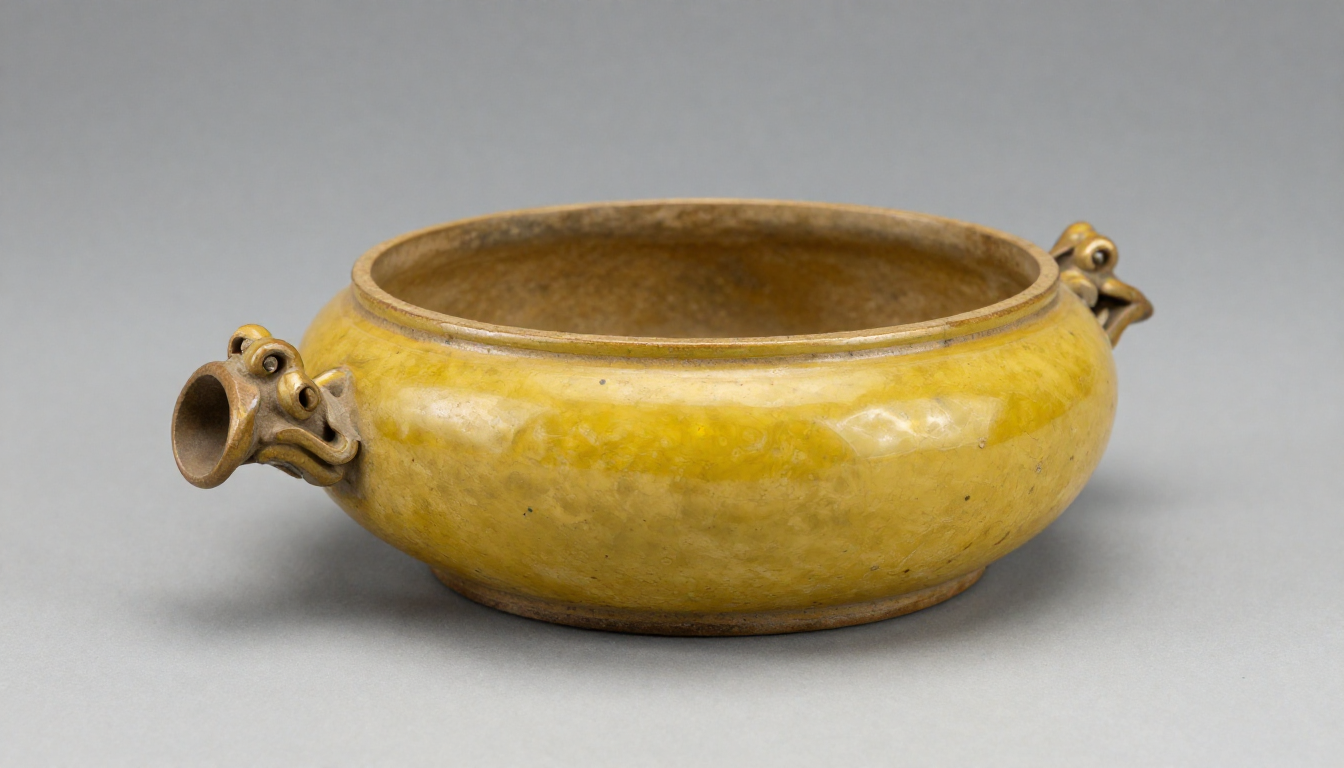
Qing Dynasty Imperial Yellow: The Color Only the Emperor Could Own
Read more: Qing Dynasty Imperial Yellow: The Color Only the Emperor Could OwnAuthentic Qing Dynasty Imperial Yellow porcelain can be identified by its distinctive, slightly iridescent egg-yolk hue derived from iron antimoniate. Genuine pieces produced exclusively for the Emperor between 1644 and 1912 feature a flawless, even glaze, precise reign marks on the base, and lack modern crazing or heavy pooling. Imagine you are at a dusty…
-
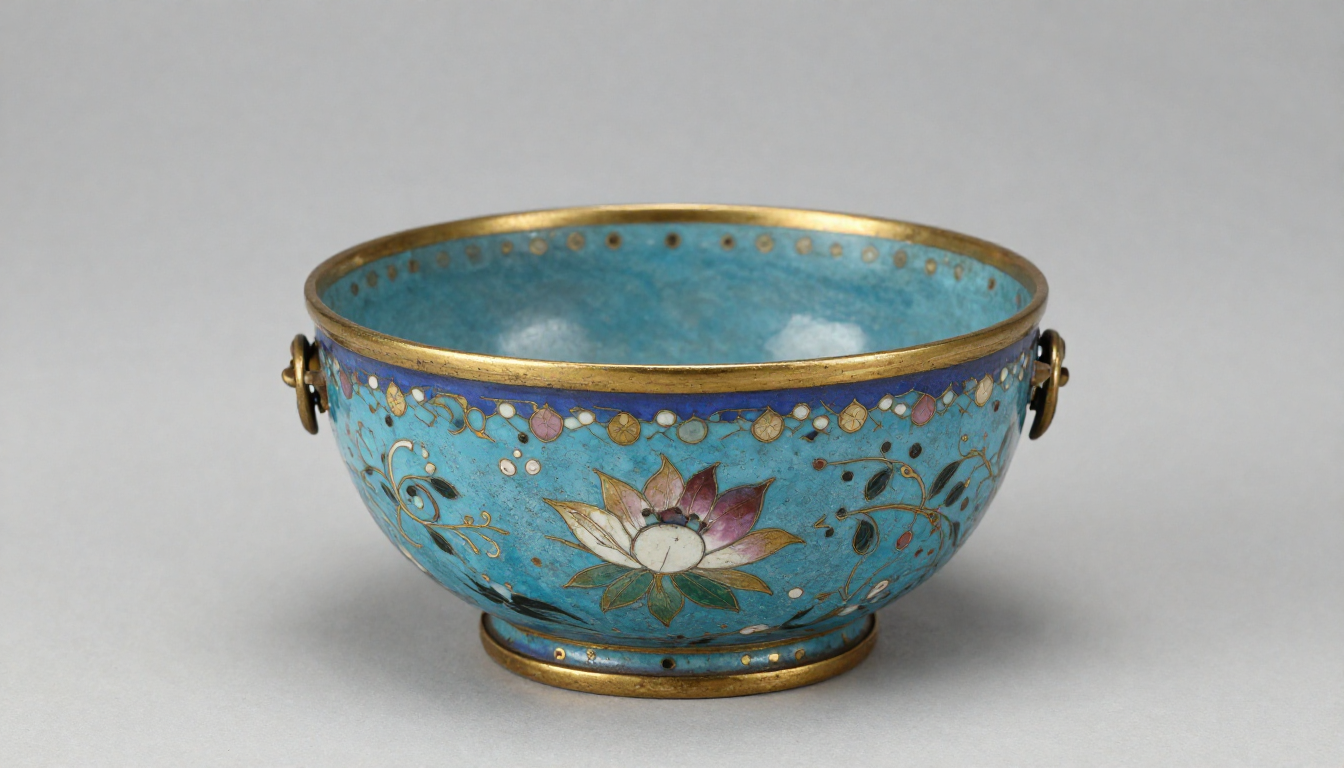
Japanese Cloisonné Enamel: Identifying Quality and Period
Read more: Japanese Cloisonné Enamel: Identifying Quality and PeriodAuthentic Japanese cloisonné enamel from the Golden Age (1880–1910) is identified by razor-thin, often invisible wirework (musen), flawlessly smooth polished surfaces, and intricate, nature-inspired motifs. High-quality pieces feature heavy copper or silver bodies, deep, rich enamel colors without pitting, and frequently bear the maker’s mark of masters like Namikawa Yasuyuki or Ando Jubei on the…
-
Why Buy Antique Silver Instead of New? Value, Quality, Sustainability
Read more: Why Buy Antique Silver Instead of New? Value, Quality, SustainabilityWhy antique silver beats new: better craftsmanship, lower cost per gram, and sustainability. What to look for when buying old silver.
-
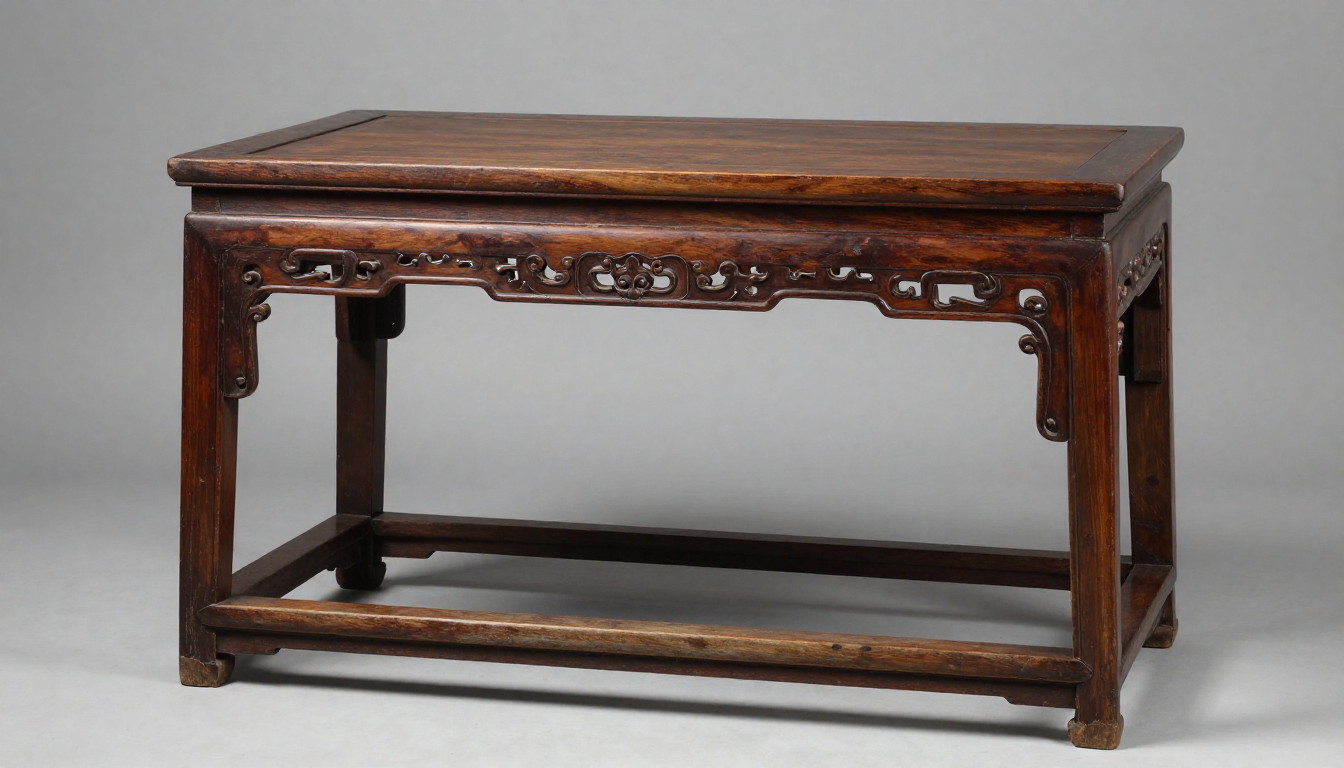
Ming Dynasty Furniture and Decorative Arts: The Collector’s Entry Guide
Read more: Ming Dynasty Furniture and Decorative Arts: The Collector’s Entry GuideMing Dynasty furniture and decorative arts: a collector’s guide to identifying forms, woods, and value in this market.
-
Building an Antique Collection on a Budget: Categories With the Best Entry Points
Read more: Building an Antique Collection on a Budget: Categories With the Best Entry PointsStarting an antique collection on a budget is highly achievable by focusing on undervalued categories like mid-19th-century pressed glass, early 20th-century postcards, and Victorian silverplate. Look for pieces with clear maker’s marks, minor wear rather than structural damage, and items produced in high volumes between 1880 and 1930 for the best entry-level fair market value.…
-
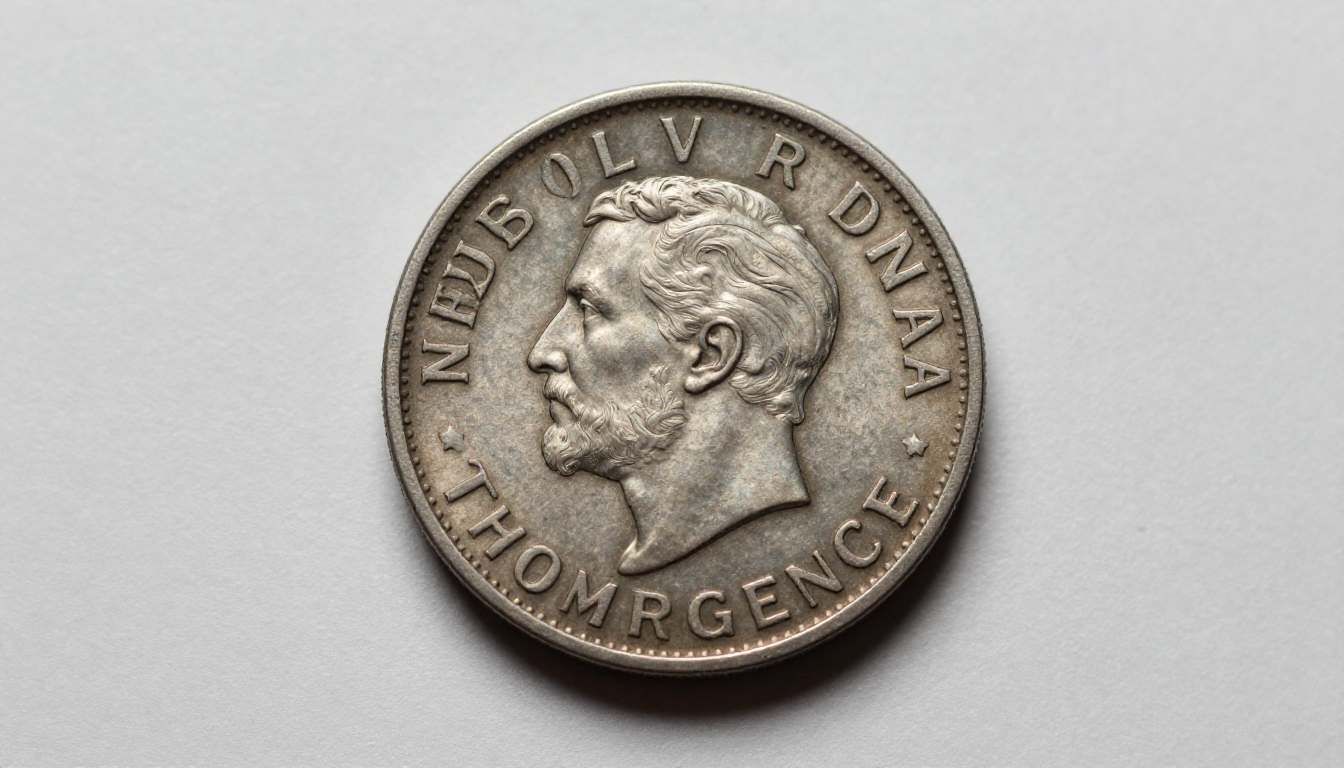
World War II Emergency Coinage: Identifying Steel, Zinc and Wartime Metals
Read more: World War II Emergency Coinage: Identifying Steel, Zinc and Wartime MetalsWWII emergency coinage: how to identify steel, zinc, and wartime-metal coins, and which ones are valuable to collectors.
-
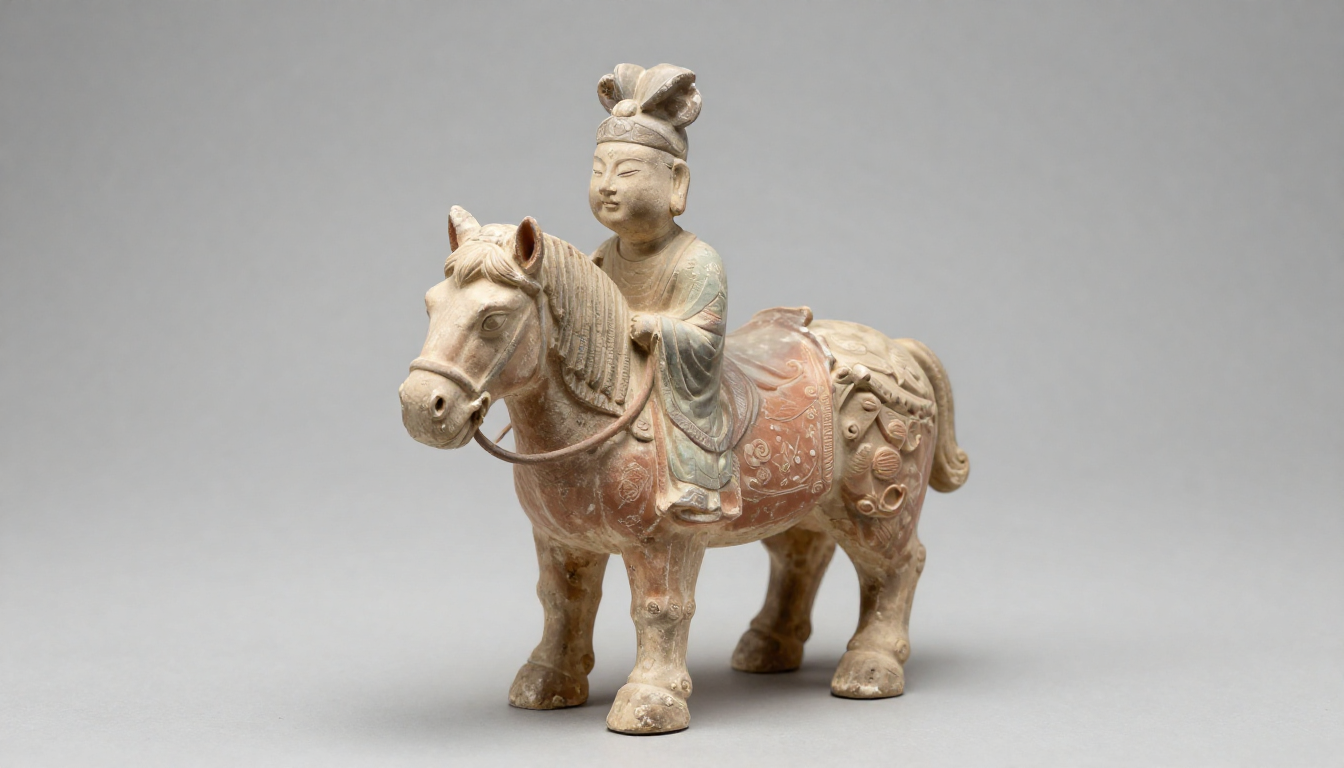
Tang Dynasty Tomb Figures: Identification and Value Guide
Read more: Tang Dynasty Tomb Figures: Identification and Value GuideTang Dynasty tomb figures: how to identify horses, camels, and court ladies, judge authenticity, and read the market.
-

Japanese Lacquerware: Identifying Genuine Urushi from Imitations
Read more: Japanese Lacquerware: Identifying Genuine Urushi from ImitationsJapanese lacquerware: how to identify genuine urushi from imitations by finish, weight, and signature, and judge value.
-
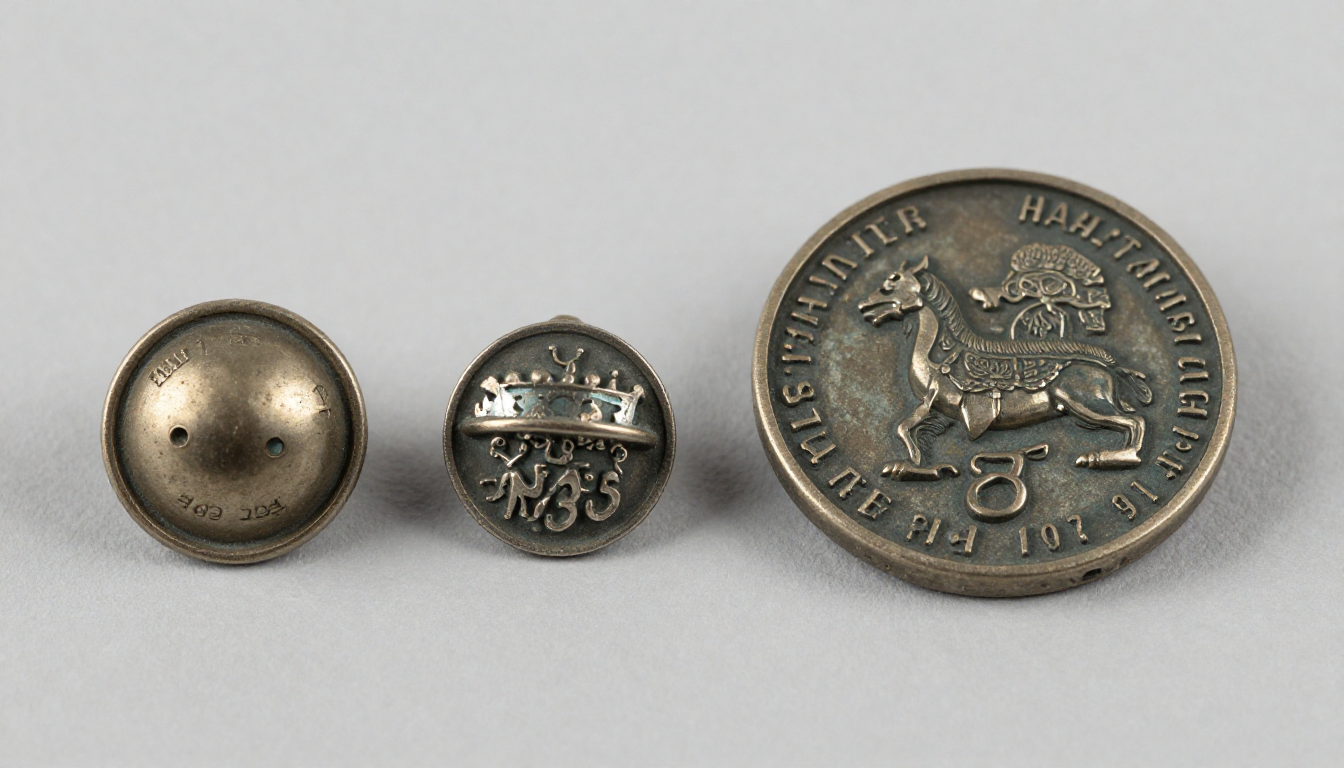
Antique Hallmarks and Maker’s Marks: Where to Look and What They Mean
Read more: Antique Hallmarks and Maker’s Marks: Where to Look and What They MeanAuthentic antique hallmarks and maker’s marks are identified by their specific placement on an item (usually the base, back, or inside clasp), the precise stamping technique used, and the corresponding registered dates or country of origin codes. Genuine marks, unlike modern cast fakes, are deeply struck with crisp edges, often accompanied by purity stamps (like…
-
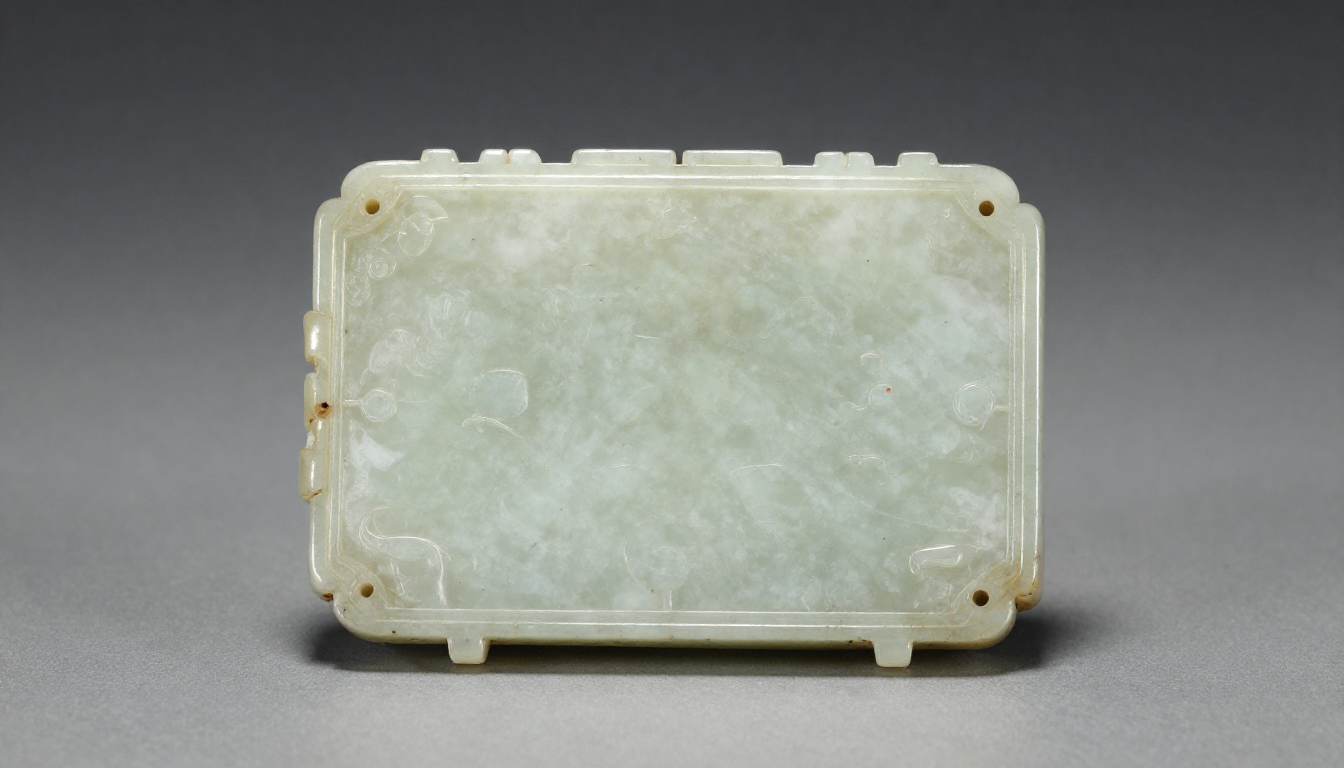
Fake Chinese Jade: The Tests Every Buyer Must Know Before Spending
Read more: Fake Chinese Jade: The Tests Every Buyer Must Know Before SpendingMost jade sold today is not genuine nephrite or jadeite. Authentic Chinese jade resists scratching from a steel knife, feels noticeably cold and heavy for its size, and shows no bubbles or swirl marks under a loupe. Dyed quartzite, glass, and serpentine are the most common substitutes. Confirmed fakes often fluoresce unnaturally under UV light,…


