
All About Antiques
Antique identification, valuation, and collecting reference.
Popular Guides
Free Online Antique Appraisal (2026)
Ten free options compared, plus a scanner on the page that values your piece from one photo.
Antique Marks & Signatures: Complete Identification Guide
Complete guide to decoding maker marks on silver, porcelain, glass and furniture.
Is Antique Snap Legit? An Honest 2026 Review
What the app gets right, what it misses, and the complaints users actually make.
Best Antique Identifier Apps 2026: Head-to-Head Comparison
5 apps tested side-by-side for accuracy, speed and features.
Noritake China Patterns: Identification and Value
Read the backstamp, name the pattern, and see what collectors pay.
Online Antique Valuation Tools for Collectors
Free digital resources to research and price your antique items.
-
Why Is Silver So Popular in 2026? Trends, Prices, and Demand
Read more: Why Is Silver So Popular in 2026? Trends, Prices, and DemandWhy are silver searches surging in 2026? A trends breakdown of prices, demand, and what the silver boom means for collectors.
-
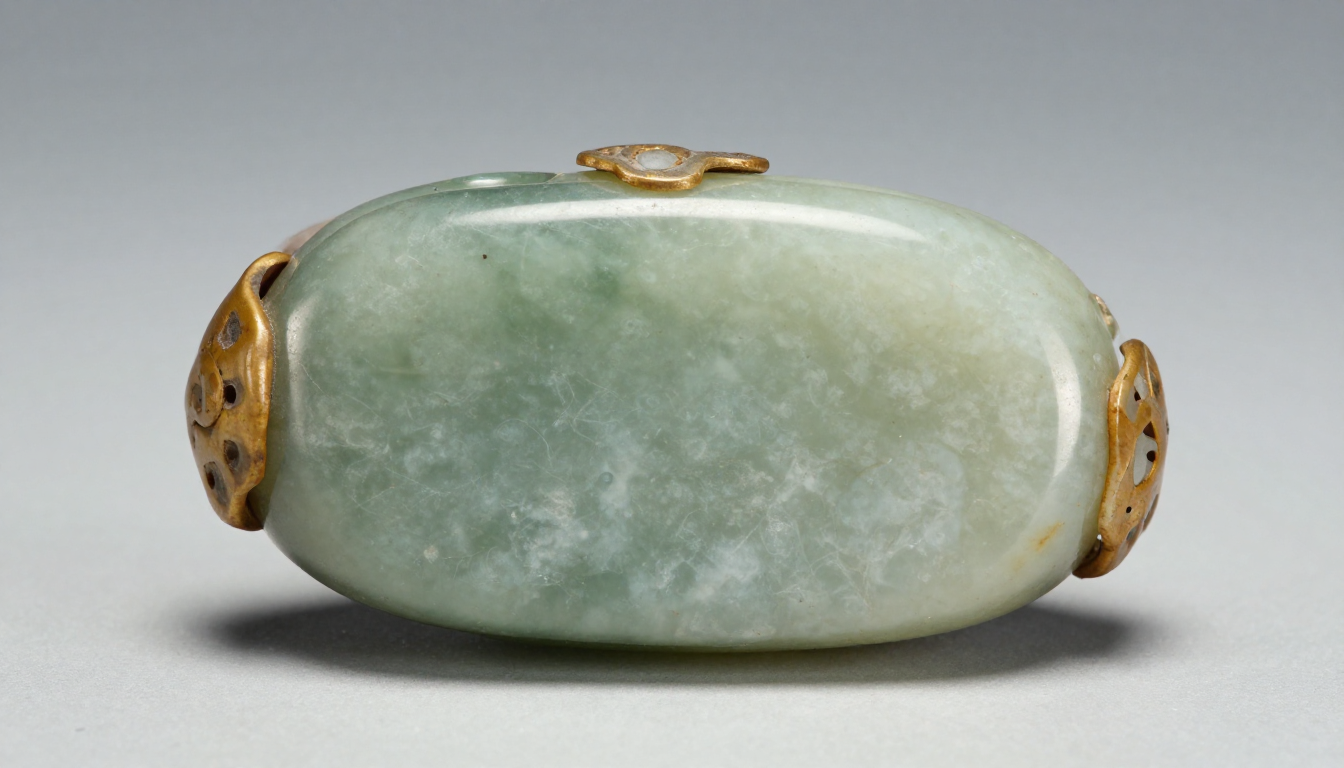
Nephrite vs Jadeite: How to Tell the Difference in Chinese Jade
Read more: Nephrite vs Jadeite: How to Tell the Difference in Chinese JadeNephrite vs jadeite: the key distinction in Chinese jade collecting, how to tell them apart, and why it changes value.
-
Kirk Stieff Repousse Silver: Marks, Patterns, and Value
Read more: Kirk Stieff Repousse Silver: Marks, Patterns, and ValueHow to identify Kirk Stieff repousse silver: maker’s marks, key patterns, and what hand-wrought pieces sell for today.
-

Wallace Grand Baroque: History, Value & Why Collectors Love It
Read more: Wallace Grand Baroque: History, Value & Why Collectors Love ItAuthentic Wallace Grand Baroque flatware, introduced in 1941 by designer William S. Warren, can be identified by its heavy, three-dimensional sterling silver construction featuring ornate acanthus leaves and pierced floral motifs. Genuine pieces will always bear the “WALLACE STERLING” stamp, ensuring they are solid .925 silver rather than silver-plated reproductions. Imagine you are at a…
-

Gorham Chantilly Silver: Pattern Identification and Value Guide
Read more: Gorham Chantilly Silver: Pattern Identification and Value GuideGorham Chantilly is America’s best-selling silver pattern. Learn how to identify genuine pieces, date your set, and see current market values.
-
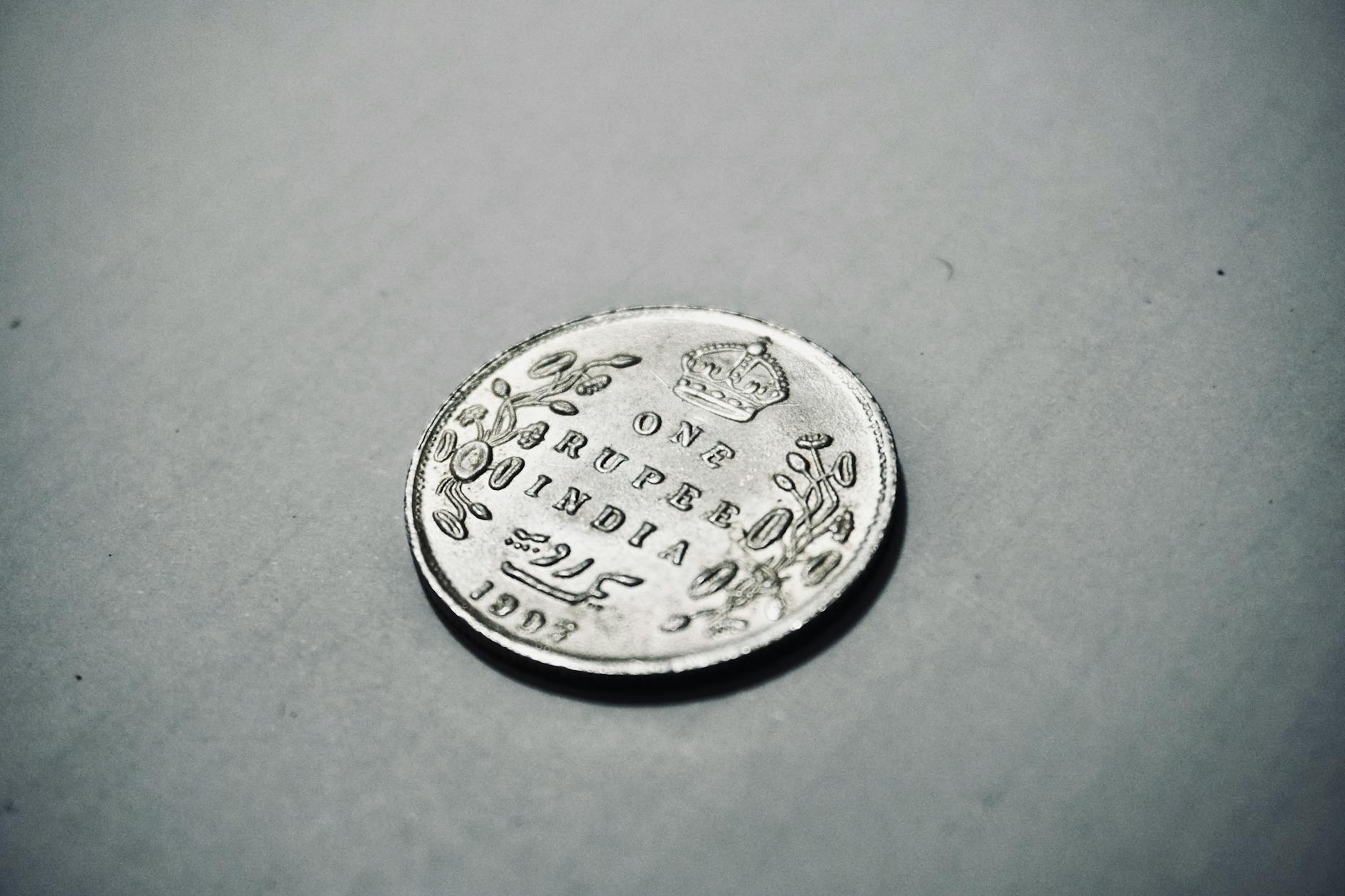
Victorian Silver: Styles, Makers, and What Collectors Are Paying in 2026
Read more: Victorian Silver: Styles, Makers, and What Collectors Are Paying in 2026Victorian silver guide: key styles, makers, and hallmarks, plus what collectors are paying for these pieces in 2026.
-
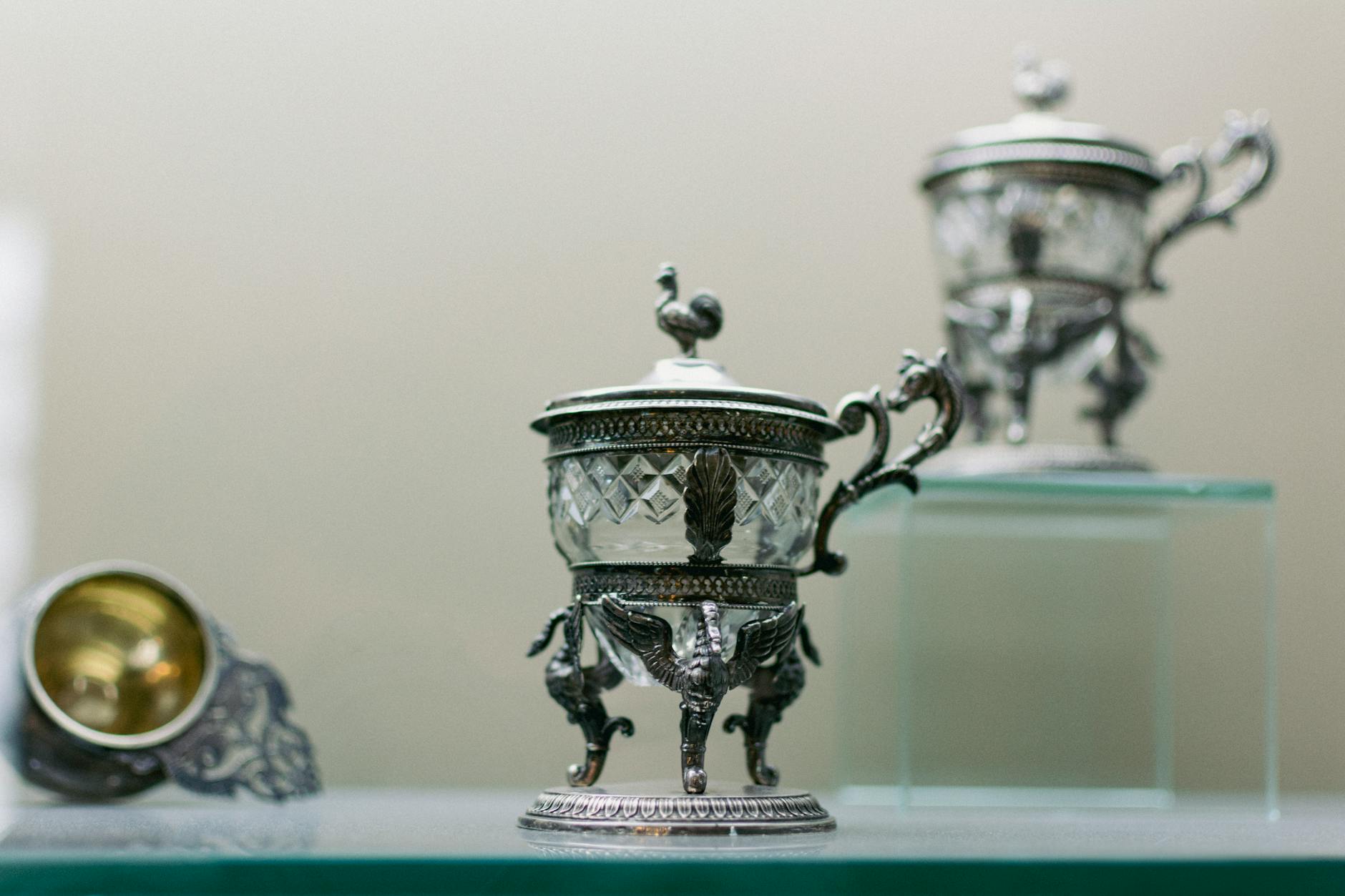
Antique Silver Spoon Collecting: A Beginner’s Guide to Styles and Values
Read more: Antique Silver Spoon Collecting: A Beginner’s Guide to Styles and ValuesAntique silver spoons are identified by hallmarks, construction method, and style period. Sterling silver is marked 925 or carries a lion passant on British pieces, while silver plate shows EPNS or similar stamps. Key styles include Fiddle, King’s Pattern, and Old English, each tied to a specific era from the 1700s onward. A genuine pre-1900…
-

Reed & Barton Francis I: Pattern Identification and Value
Read more: Reed & Barton Francis I: Pattern Identification and ValueReed & Barton Francis I: how to identify this sterling pattern, date your set, and understand why it commands top prices.
-
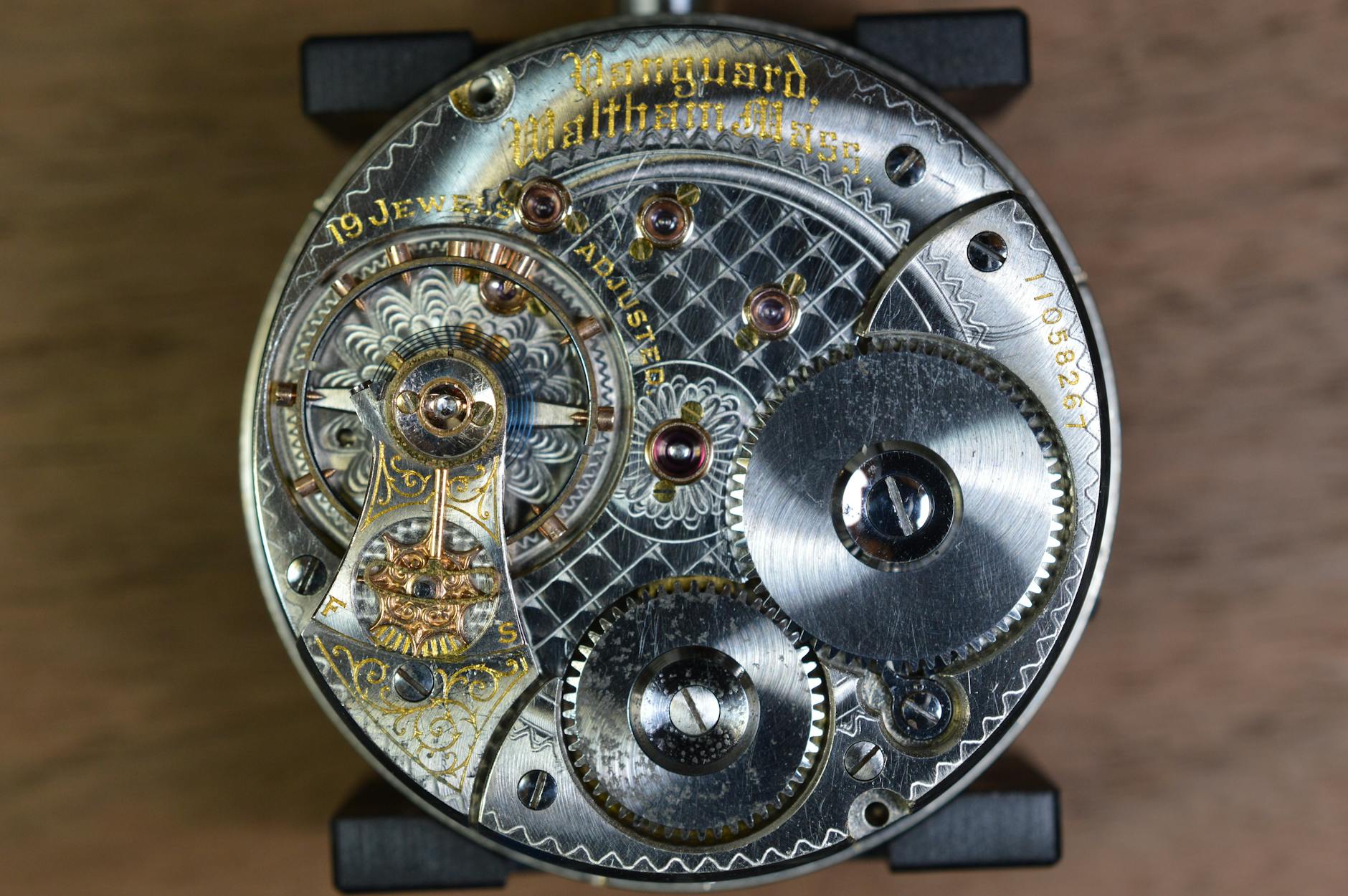
10 Most Collectible Sterling Silver Flatware Patterns of All Time
Read more: 10 Most Collectible Sterling Silver Flatware Patterns of All TimeThe most collectible sterling silver flatware patterns are Francis I (Reed & Barton, 1907), Repoussé (Kirk Stieff, 1828), Grand Baroque (Wallace, 1941), and Chantilly (Gorham, 1895). These patterns command premium prices at auction due to their intricate craftsmanship, historical pedigree, and sustained collector demand. Authentication begins with hallmark stamps (“Sterling” or “925”) alongside the maker’s…
-
How to Identify Your Silver Flatware Pattern (Even Without Marks)
Read more: How to Identify Your Silver Flatware Pattern (Even Without Marks)Identifying a silver flatware pattern without marks relies on analyzing the handle shape, the specific decorative motifs (like repoussé florals or geometric Art Deco lines), and the overall weight or gauge of the metal. Genuine antique silver patterns often have crisp, deep detailing that modern reproductions lack, and distinguishing between sterling silver, coin silver, and…


