
All About Antiques
Antique identification, valuation, and collecting reference.
Popular Guides
Free Online Antique Appraisal (2026)
Ten free options compared, plus a scanner on the page that values your piece from one photo.
Antique Marks & Signatures: Complete Identification Guide
Complete guide to decoding maker marks on silver, porcelain, glass and furniture.
Is Antique Snap Legit? An Honest 2026 Review
What the app gets right, what it misses, and the complaints users actually make.
Best Antique Identifier Apps 2026: Head-to-Head Comparison
5 apps tested side-by-side for accuracy, speed and features.
Noritake China Patterns: Identification and Value
Read the backstamp, name the pattern, and see what collectors pay.
Online Antique Valuation Tools for Collectors
Free digital resources to research and price your antique items.
-

Silver Price Surge 2025–2026: What It Means for Antique Silver Collectors
Read more: Silver Price Surge 2025–2026: What It Means for Antique Silver CollectorsSilver prices surged in 2025-2026. What it means for antique silver values, when melt value beats antique value, and whether to sell now.
-

Is My Grandmother’s Silver Worth Anything? A Practical Assessment Guide
Read more: Is My Grandmother’s Silver Worth Anything? A Practical Assessment GuideFind out if your grandmother’s silver is worth anything: how to read the marks, spot sterling vs plate, and estimate value before you sell.
-
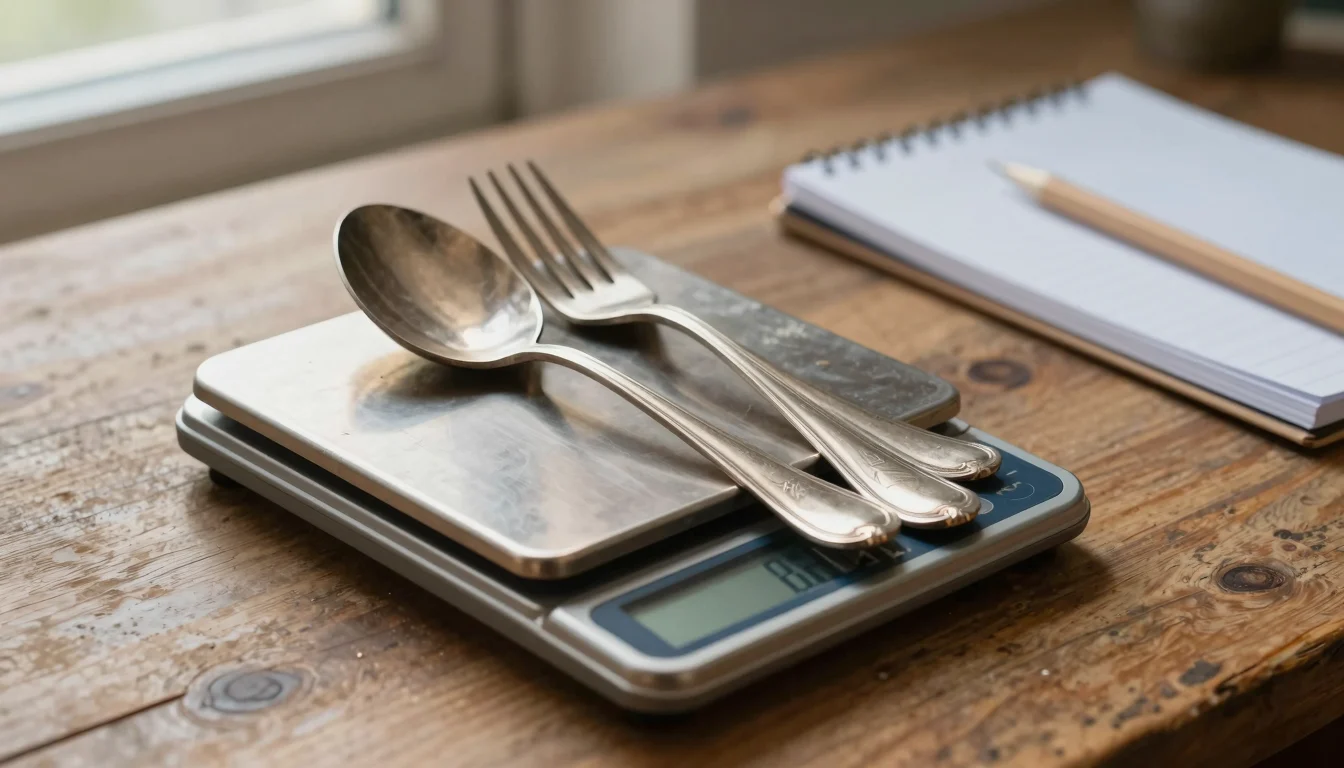
How to Calculate the Melt Value of Sterling Silver (Step-by-Step)
Read more: How to Calculate the Melt Value of Sterling Silver (Step-by-Step)Calculate the melt value of sterling silver step by step: weigh your pieces, apply the 92.5% rule, and compare with today’s spot price.
-

Most Valuable Antique Silver Patterns: Top 15 Worth a Fortune
Read more: Most Valuable Antique Silver Patterns: Top 15 Worth a FortuneThe 15 most valuable antique silver patterns, with maker marks, dates, and current prices, from Francis I to Grand Baroque. Check your set.
-

Silver Melt Value vs Antique Value: When to Sell and When to Keep
Read more: Silver Melt Value vs Antique Value: When to Sell and When to KeepThe most crucial difference between silver melt value and antique value is craftsmanship and rarity. While melt value is solely based on the current spot price of silver multiplied by the weight of your item (minus refining fees), antique value accounts for the maker’s reputation, historical significance, condition, and desirability to collectors. Generally, if an…
-

Sterling Silver Flatware Value by Pattern
Read more: Sterling Silver Flatware Value by PatternAntique sterling silver flatware is worth melt value at minimum and 2x to 5x melt in collected Gorham, Tiffany, or Jensen patterns. Check the stamp first.
-

How Much Is My Antique Silver Worth in 2026? Valuation Guide
Read more: How Much Is My Antique Silver Worth in 2026? Valuation GuideHow much is your antique silver worth in 2026? Valuation guide covering hallmarks, weight, maker, condition, and real market prices.
-
How to Read Silver Date Letters: A Year-by-Year Visual Guide
Read more: How to Read Silver Date Letters: A Year-by-Year Visual GuideSilver date letters are specific alphabetic characters stamped on British and some international silver to indicate the year of manufacture. To read them, identify the assay office mark (e.g., a leopard’s head for London) and match the accompanying letter’s font, case, and shield shape to a reliable hallmark chart. A specific letter like “A” cycles…
-

Silver Purity Marks Around the World: 800, 835, 925 and Beyond
Read more: Silver Purity Marks Around the World: 800, 835, 925 and BeyondSilver purity marks indicate the fineness of the metal, with 925 representing sterling silver (92.5% pure), the standard for US and British silverware. 800 and 835 denote lower-grade “coin silver” commonly found in German and Italian antiques, while 950 indicates high-purity silver often seen in French Britannia standards. These impressed numbers act as a guarantee…
-
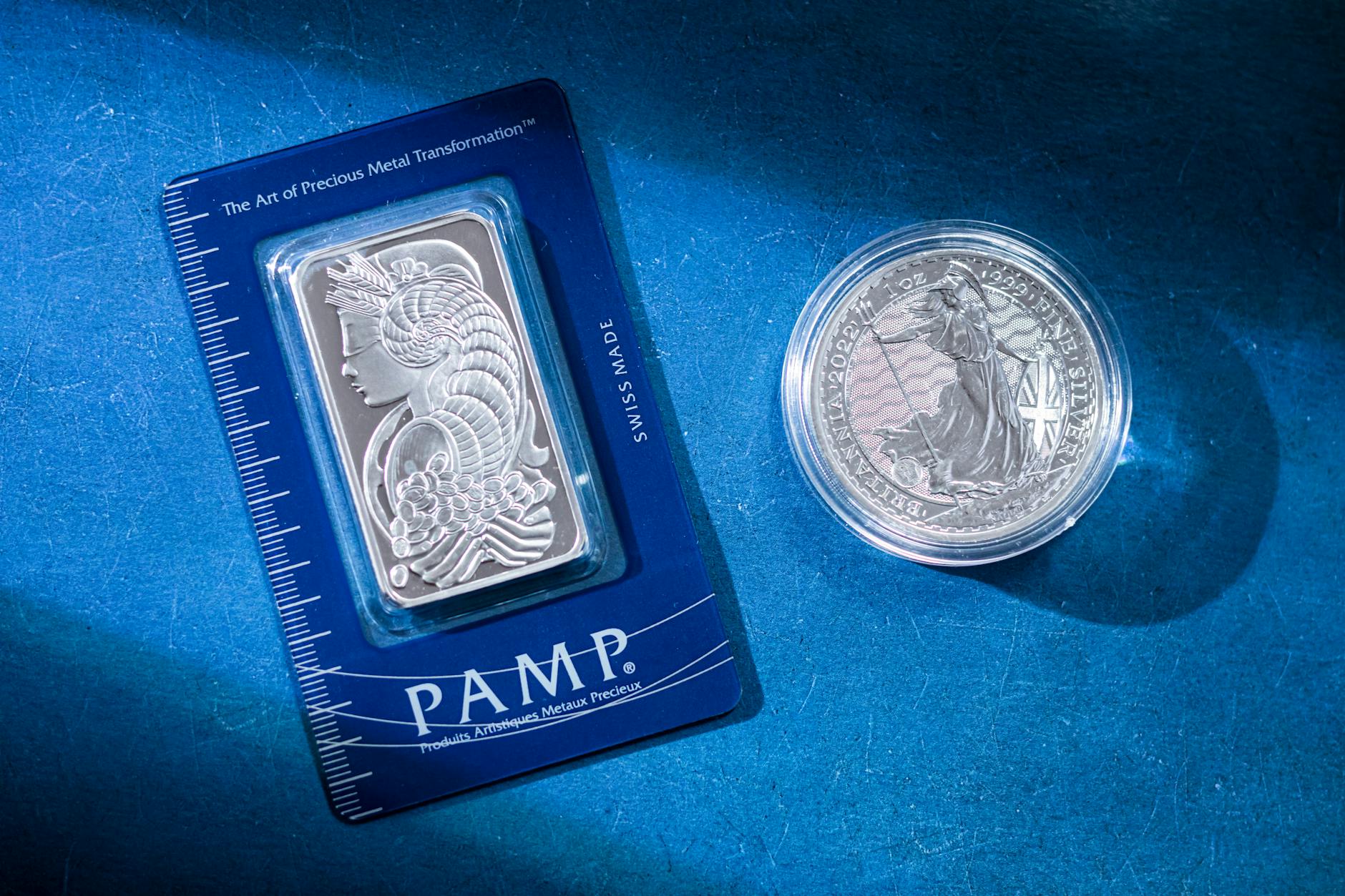
Gorham Silver Marks: Dating and Identification Guide with Photos
Read more: Gorham Silver Marks: Dating and Identification Guide with PhotosAuthentic Gorham silver is identified by the standard Lion, Anchor, and G trademark found on the underside of sterling pieces. Items manufactured between 1868 and 1884 bear a capital letter date code (A-Q), while pieces from 1885 to 1933 feature specific year symbols, such as a wolf or an anchor. Always verify the “Sterling” stamp…


