
All About Antiques
Antique identification, valuation, and collecting reference.
Popular Guides
Free Online Antique Appraisal (2026)
Ten free options compared, plus a scanner on the page that values your piece from one photo.
Antique Marks & Signatures: Complete Identification Guide
Complete guide to decoding maker marks on silver, porcelain, glass and furniture.
Is Antique Snap Legit? An Honest 2026 Review
What the app gets right, what it misses, and the complaints users actually make.
Best Antique Identifier Apps 2026: Head-to-Head Comparison
5 apps tested side-by-side for accuracy, speed and features.
Noritake China Patterns: Identification and Value
Read the backstamp, name the pattern, and see what collectors pay.
Online Antique Valuation Tools for Collectors
Free digital resources to research and price your antique items.
-
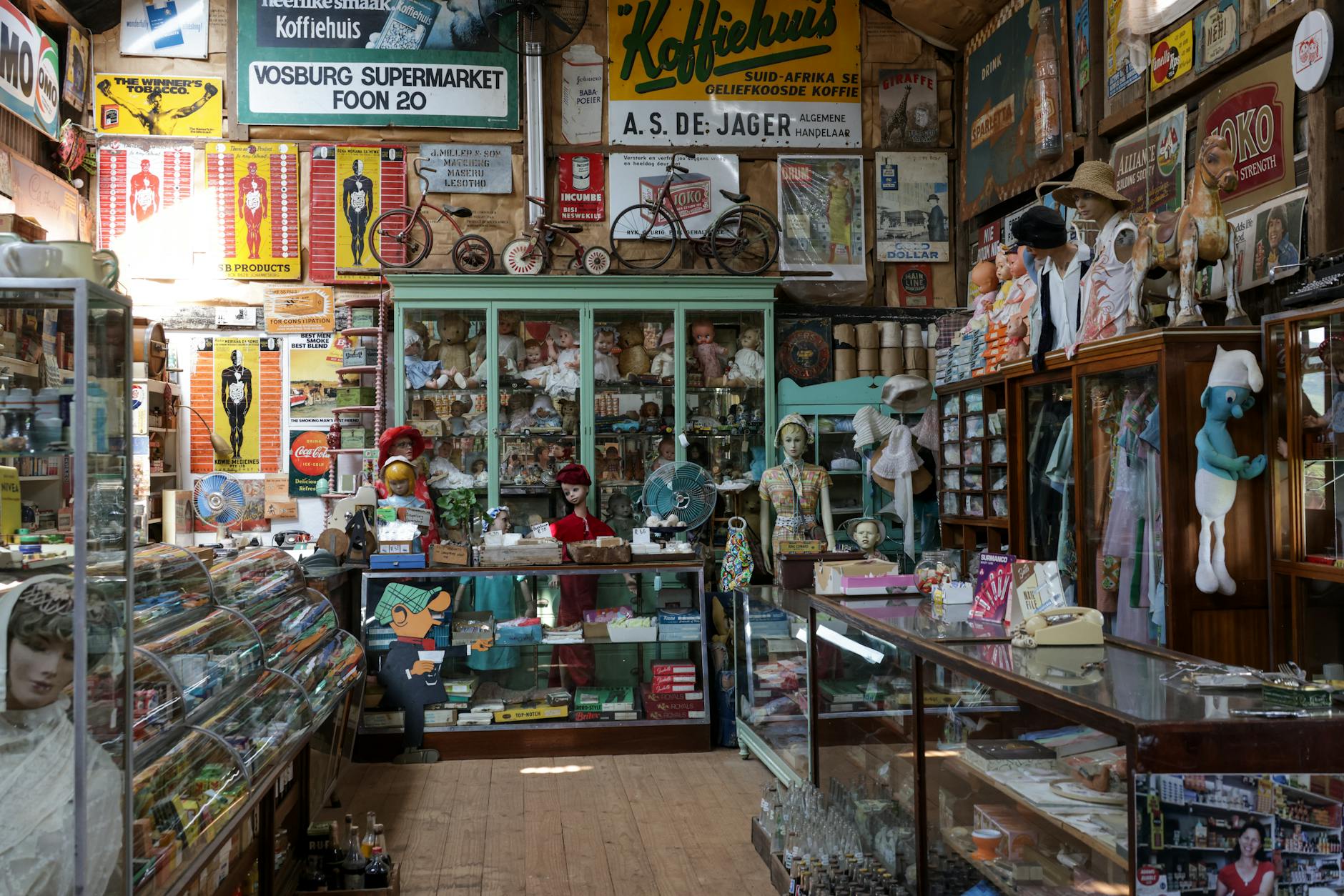
Identifying Antique Toys: Why Tin-Plate Toys Beat Modern Plastics
Read more: Identifying Antique Toys: Why Tin-Plate Toys Beat Modern PlasticsIdentifying antique toys: how to spot valuable tin-plate toys, read maker’s marks, and date them, plus what they’re worth.
-
Antique Frame Identification: Gesso, Gold Leaf, and Wood Styles
Read more: Antique Frame Identification: Gesso, Gold Leaf, and Wood StylesAuthentic antique frames are distinguished by their construction materials and gilding methods. Look for closed corners (where the design continues seamlessly over the joint), evidence of red or gray bole (clay) showing through worn gold leaf, and the presence of gesso (a chalky white plaster) beneath the surface. Mass-produced frames often have visible miter cuts…
-
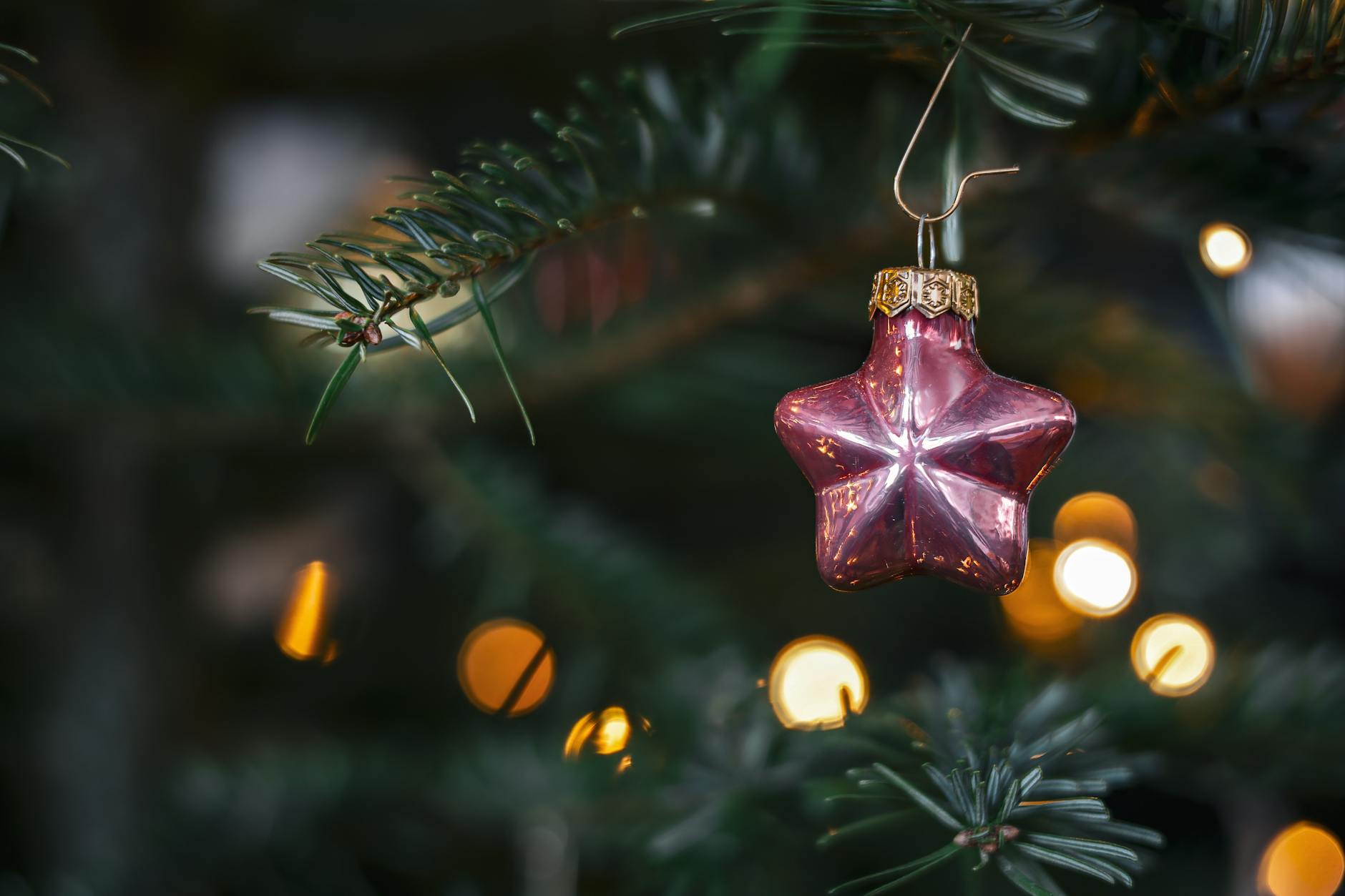
How to Identify Antique Christmas Ornaments: Mercury Glass vs. Plastic
Read more: How to Identify Antique Christmas Ornaments: Mercury Glass vs. PlasticHow to identify antique Christmas ornaments: mercury glass vs plastic, makers, age clues, and what rare ornaments sell for.
-
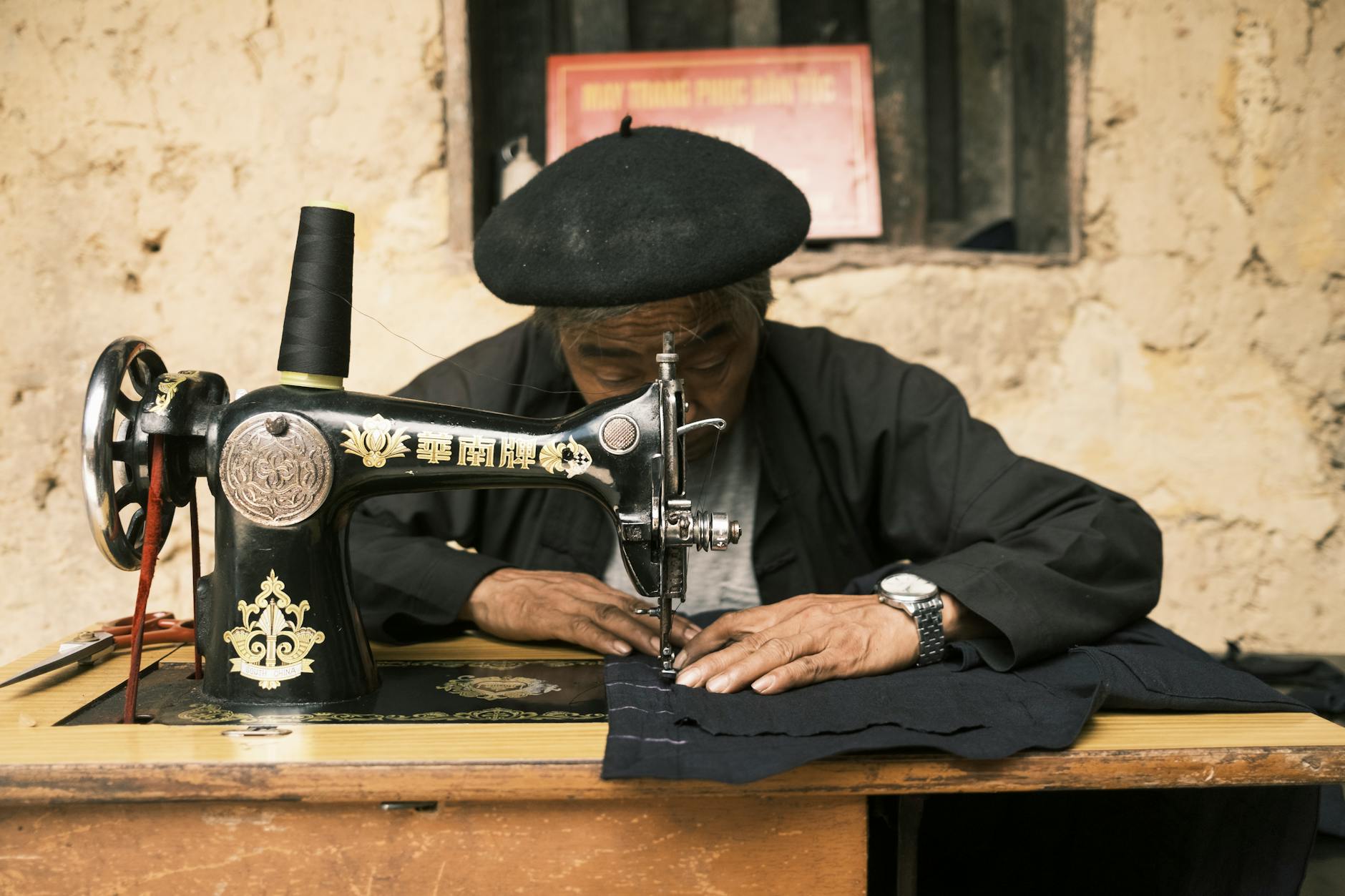
Antique Sewing Machine Identification: Is Your “Singer” Really Rare?
Read more: Antique Sewing Machine Identification: Is Your “Singer” Really Rare?Most antique sewing machines are common Singer treadle models worth under $100, not rare collectibles. To identify yours accurately, locate the serial number on the front panel or bobbin case, cross-reference it against Singer’s production ledgers (free at ISMACS), and check for original decals, correct needle bar markings, and factory-matching cabinet hardware. Machines made before…
-
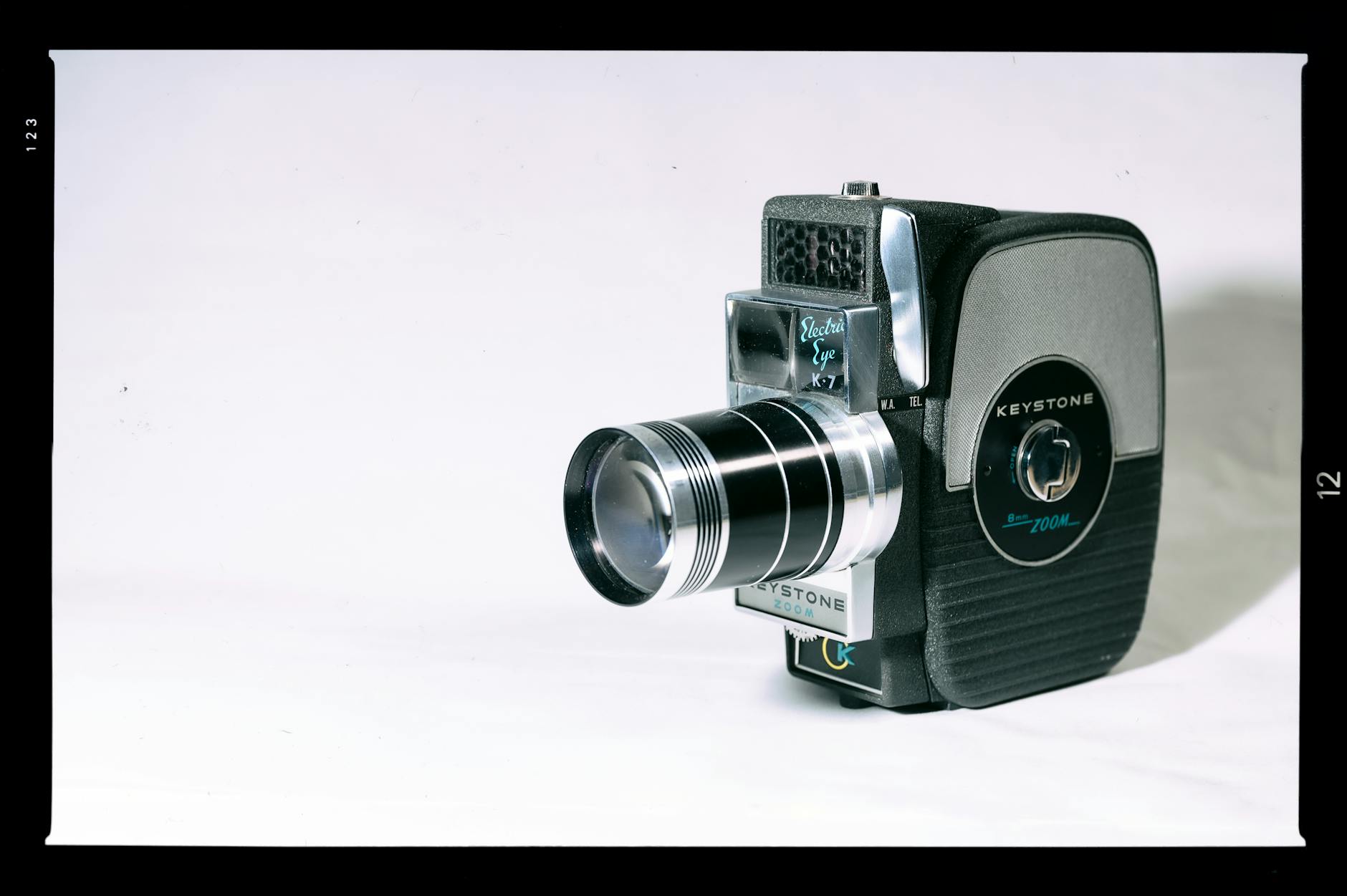
Antique Camera Identification: Leica, Kodak Models and Values
Read more: Antique Camera Identification: Leica, Kodak Models and ValuesHow to identify antique cameras: Leica, Kodak, and other collectible models, what drives value, and which film cameras are worth money.
-

Antique Buttons: How to Identify Valuable Civil War and Fashion Buttons
Read more: Antique Buttons: How to Identify Valuable Civil War and Fashion ButtonsValuable antique buttons are identified by their material (Bakelite, Celluloid, Jet), shank construction, and specific backmarks. Civil War buttons (1861–1865) must be authenticated by checking the rear for period-correct maker marks like Scovill or Horstmann. Genuine fashion buttons often feature intricate carving and lack the molded seams found on modern plastic reproductions. Imagine you are…
-
Identifying Antique Marbles: Rare Swirls and Materials That Pay Big
Read more: Identifying Antique Marbles: Rare Swirls and Materials That Pay BigAuthentic antique marbles are distinguished by pontil marks (rough patches where the glass was cut from the cane), specific handmade patterns like Latticino core swirls or Mica flakes, and evidence of age-appropriate wear. Most valuable examples date from the 1840s to the 1920s and were produced by German glassmakers like Elias Greiner, featuring vibrant, unpolished…
-

Antique Book Identification: How to Spot a True First Edition
Read more: Antique Book Identification: How to Spot a True First EditionA true first edition is primarily identified by matching the date on the title page with the date on the copyright page, ensuring no later printing years are listed. Look for a complete number line (e.g., “1 2 3 4 5 6 7 8 9 10”) or a specific “First Edition” statement. The presence of…
-

How to Identify Valuable Antique Quilts: Patterns and Stitching
Read more: How to Identify Valuable Antique Quilts: Patterns and StitchingHow to identify valuable antique quilts by pattern, fabric, and stitching, and tell hand-quilted heirlooms from later copies.
-
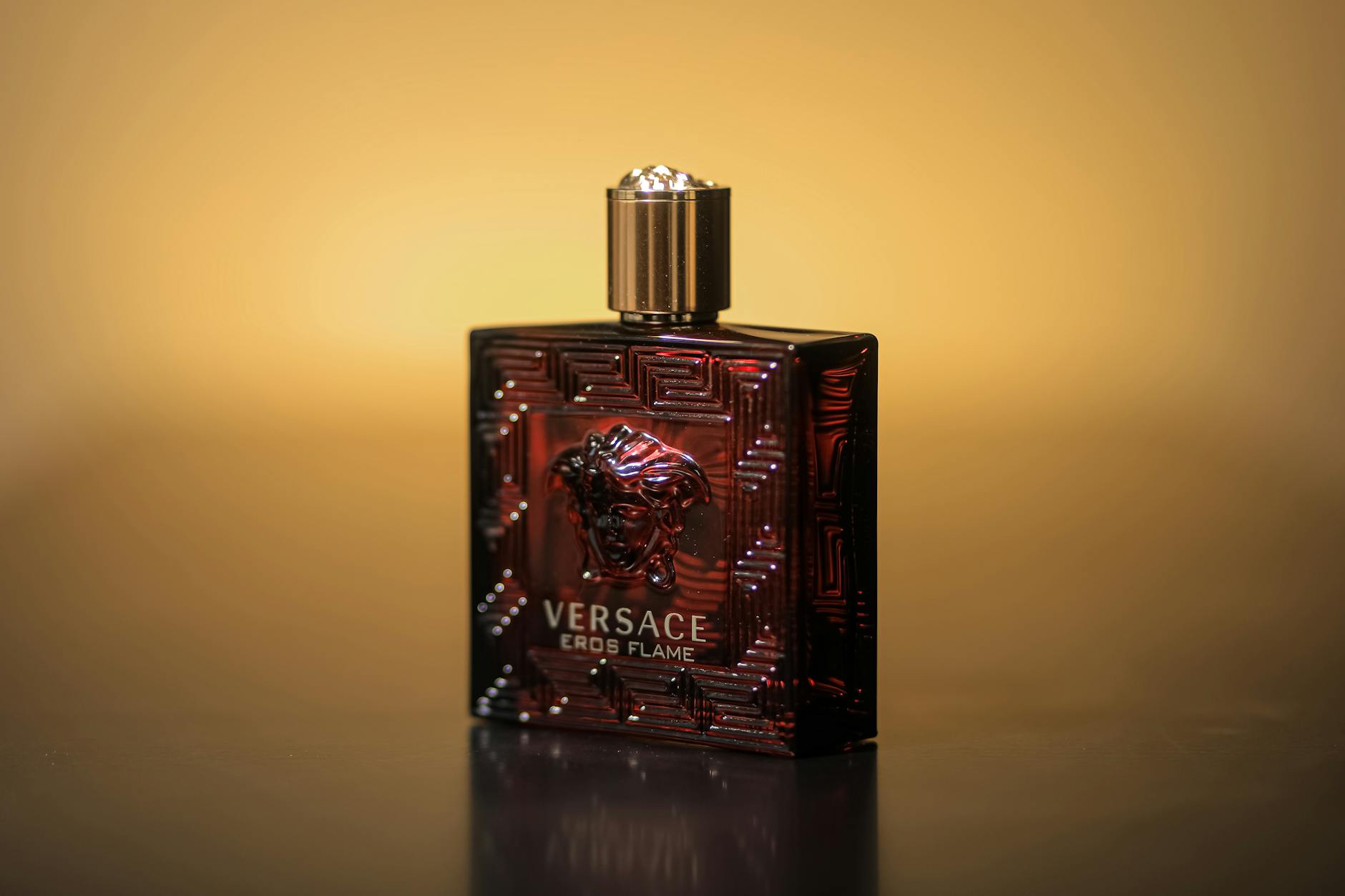
Identifying Antique Perfume Bottles: From Commercial to Art Glass
Read more: Identifying Antique Perfume Bottles: From Commercial to Art GlassIdentifying antique perfume bottles: how to tell commercial flasks from art glass, read makers’ marks, and gauge value.


