
All About Antiques
Antique identification, valuation, and collecting reference.
Popular Guides
Free Online Antique Appraisal (2026)
Ten free options compared, plus a scanner on the page that values your piece from one photo.
Antique Marks & Signatures: Complete Identification Guide
Complete guide to decoding maker marks on silver, porcelain, glass and furniture.
Is Antique Snap Legit? An Honest 2026 Review
What the app gets right, what it misses, and the complaints users actually make.
Best Antique Identifier Apps 2026: Head-to-Head Comparison
5 apps tested side-by-side for accuracy, speed and features.
Noritake China Patterns: Identification and Value
Read the backstamp, name the pattern, and see what collectors pay.
Online Antique Valuation Tools for Collectors
Free digital resources to research and price your antique items.
-
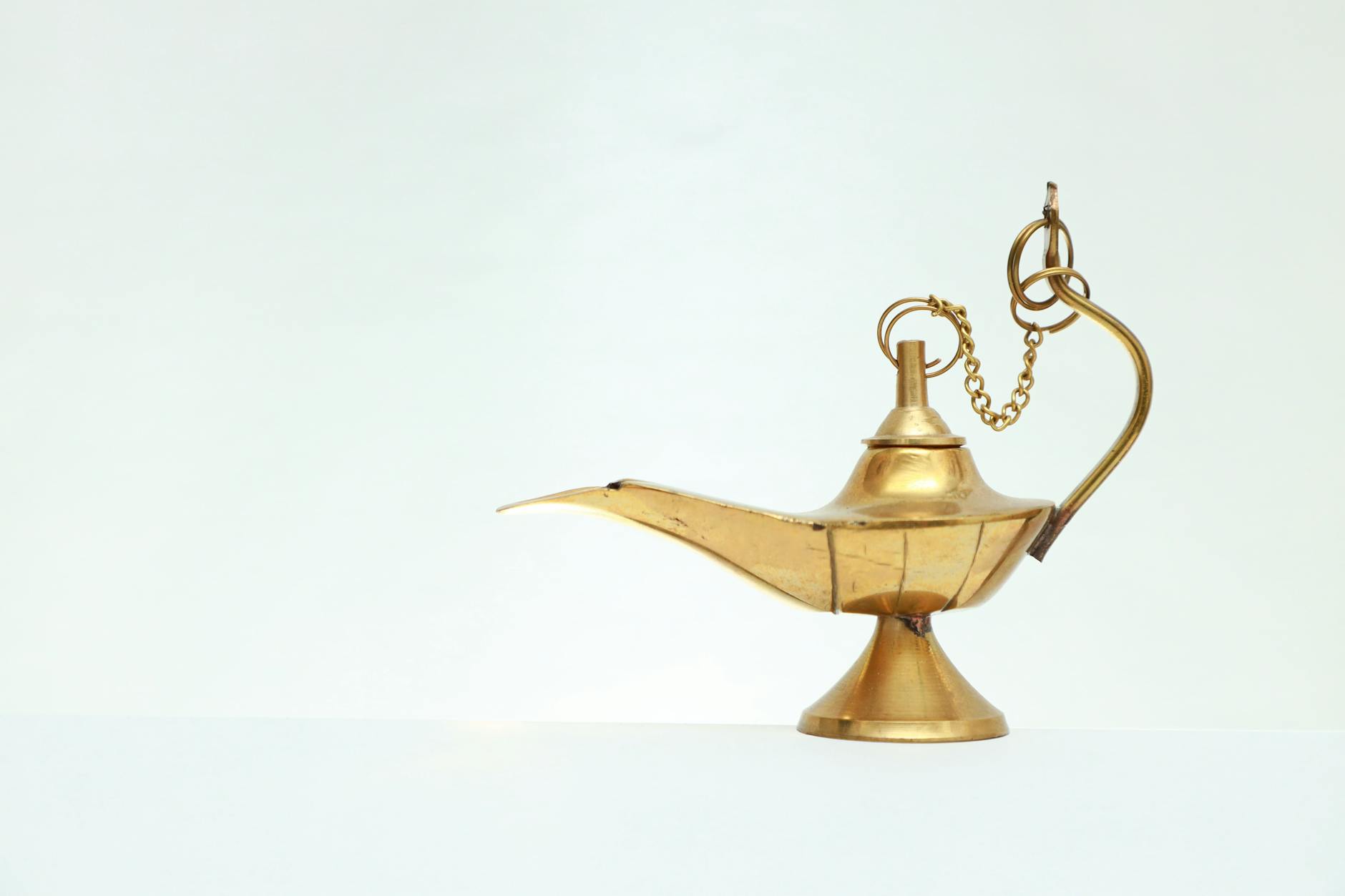
Antique Oil Lamps: How to Identify Makers and Burner Types
Read more: Antique Oil Lamps: How to Identify Makers and Burner TypesAntique oil lamps can be identified by their burner type, font material, and maker’s marks stamped on the collar or burner mechanism. Key markers include the Argand, flat-wick, and Rochester burner styles, manufacturer stamps from firms like Bradley and Hubbard or Edward Miller, and glass types ranging from pressed flint glass to hand-blown cranberry. Most…
-
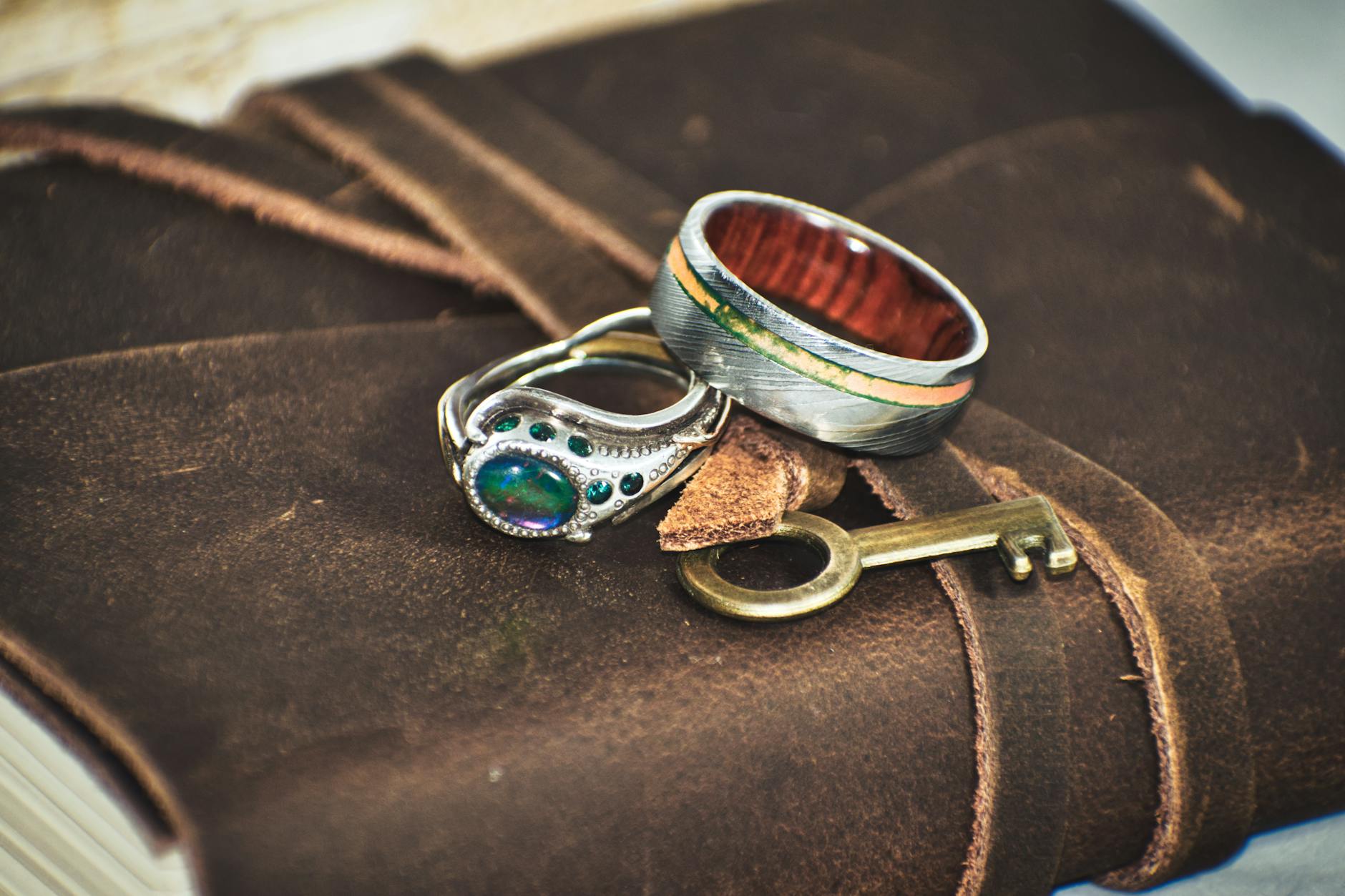
Identifying Pewter vs. Silver: 3 Simple Ways to Tell the Difference
Read more: Identifying Pewter vs. Silver: 3 Simple Ways to Tell the DifferenceAuthentic sterling silver almost always bears a .925 or Sterling hallmark, feels harder to the touch, and produces a high-pitched ring when tapped. Pewter, a softer alloy, marks easily, often displays a duller grey oxidation, and makes a flat ‘thud’ sound. Always check for specific touchmarks on the base to confirm the maker. Still not…
-
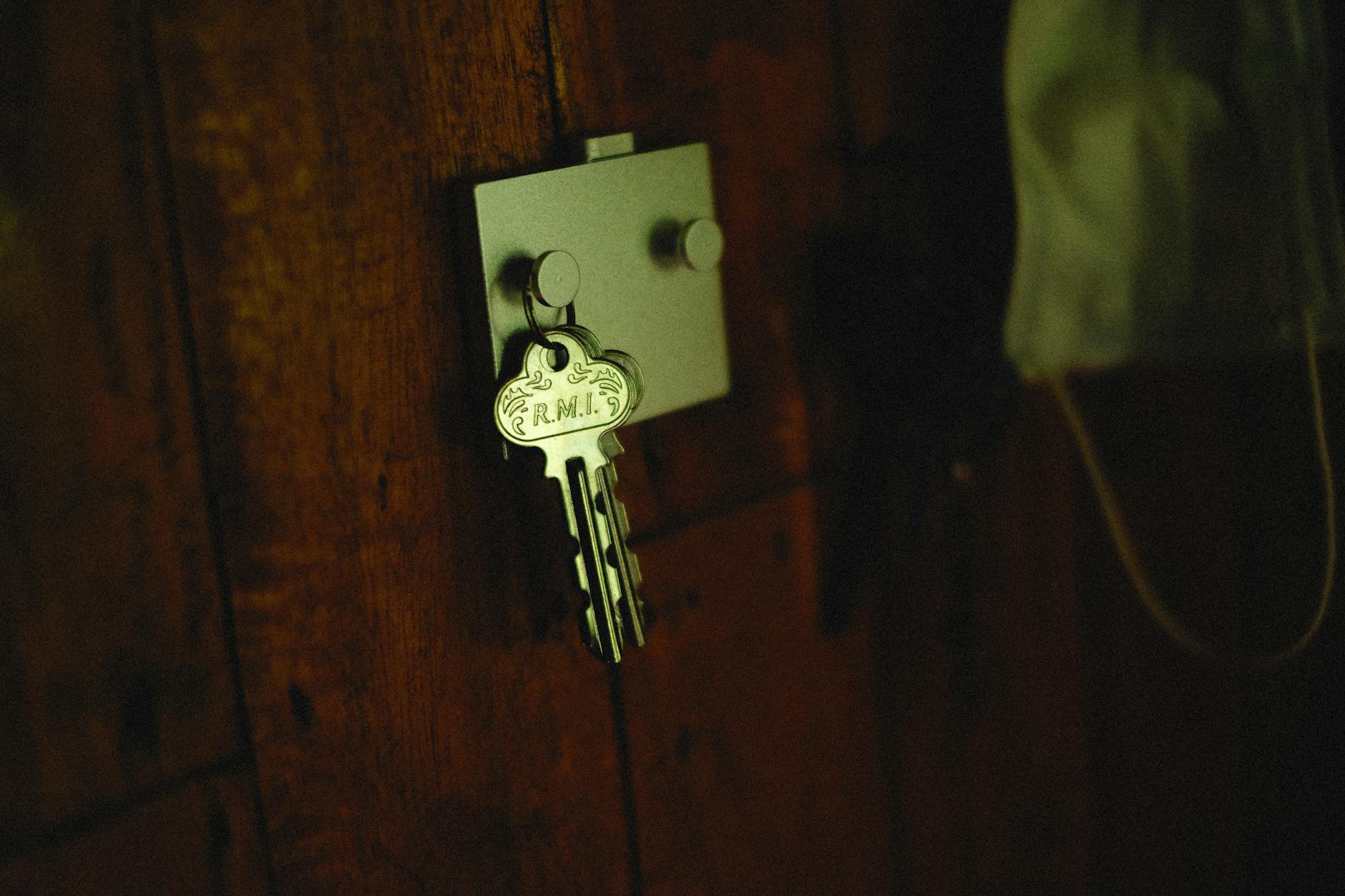
How to Identify Antique Keys: Why Some Old Keys are Worth $50+
Read more: How to Identify Antique Keys: Why Some Old Keys are Worth $50+Authentic antique keys are identified by their material (usually hand-forged iron or brass), specific bit patterns designed for warded or lever locks, and the shape of the bow (handle). Valuable examples often date from the 18th or 19th centuries, feature intricate skeleton key designs, or bear stamped maker marks like “Yale” or “Corbin” from the…
-
Antique Tool Values: Planes & Saws Chart
Read more: Antique Tool Values: Planes & Saws ChartMost antique planes and saws sell for $20 to $90; a Stanley No. 1, Bedrock 602 or early Disston brings hundreds to thousands. Identify yours with the charts.
-
Gold Hallmark Identification: What 10K, 14K, and 18K Really Mean
Read more: Gold Hallmark Identification: What 10K, 14K, and 18K Really MeanGold hallmarks indicate purity on a 24-part scale: 10K is 41.7% pure gold, 14K is 58.3%, and 18K is 75%. These stamps—along with maker’s marks and assay symbols—are the fastest way to confirm whether a piece is solid gold or merely plated. Any mark reading GP, GF, or HGE means plated, not solid.
-

How to Identify Victorian Mourning Jewelry and Its Hidden Value
Read more: How to Identify Victorian Mourning Jewelry and Its Hidden ValueAuthentic Victorian mourning jewelry (1837–1901) is primarily identified by black materials like jet, onyx, vulcanite, or gutta-percha, often featuring inscriptions such as “In Memory Of” or initials. Key motifs include weeping willows, urns, and forget-me-nots. Human hair woven into intricate plaits or scenes under glass is a definitive sign of genuine provenance. Imagine you are…
-

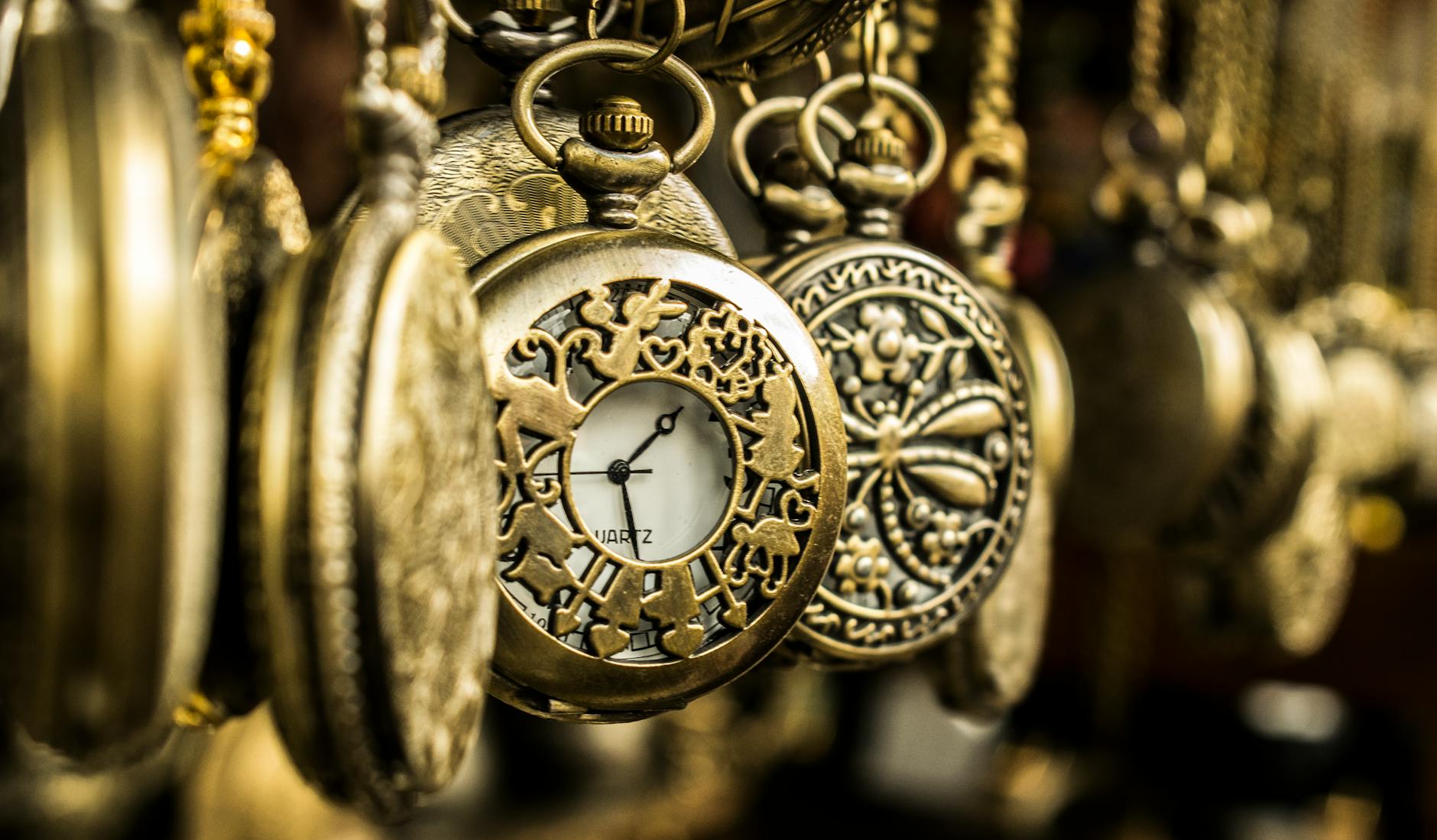
Identifying Antique Pocket Watches: Movement vs. Case Value
Read more: Identifying Antique Pocket Watches: Movement vs. Case ValueIdentifying antique pocket watches: how movement vs case determines value, key makers, and what your watch is worth.
-

Decoding British Silver Hallmarks: How to Read the Lion and Anchor
Read more: Decoding British Silver Hallmarks: How to Read the Lion and AnchorBritish silver hallmarks are a standardized system of four to five stamped symbols that verify the metal’s purity and origin. To identify authentic sterling silver, look for the Lion Passant (a walking lion) which guarantees 92.5% purity. Accompanying marks include a City Mark (like an Anchor for Birmingham or Leopard’s Head for London), a Date…
-

Sterling Silver vs. Silver Plate: The “Ice Cube” Test and More
Read more: Sterling Silver vs. Silver Plate: The “Ice Cube” Test and MoreSterling silver vs silver plate: the ice cube test, weight, marks, and 5 more ways to tell what your silverware really is.
-

Antique Ceramic Pitchers: How to Date Them by Their Handle Shape
Read more: Antique Ceramic Pitchers: How to Date Them by Their Handle ShapeYou can generally date antique ceramic pitchers by analyzing the specific silhouette of the handle. Scrolled or high-arching handles with thumb spurs typically indicate mid-19th century Victorian styles (c. 1840-1860s), while angular, bamboo-style handles point directly to the Aesthetic Movement (1870s-1880s). A handle featuring organic, flowing “whiplash” curves that melt into the body suggests Art…


