
All About Antiques
Antique identification, valuation, and collecting reference.
Popular Guides
Free Online Antique Appraisal (2026)
Ten free options compared, plus a scanner on the page that values your piece from one photo.
Antique Marks & Signatures: Complete Identification Guide
Complete guide to decoding maker marks on silver, porcelain, glass and furniture.
Is Antique Snap Legit? An Honest 2026 Review
What the app gets right, what it misses, and the complaints users actually make.
Best Antique Identifier Apps 2026: Head-to-Head Comparison
5 apps tested side-by-side for accuracy, speed and features.
Noritake China Patterns: Identification and Value
Read the backstamp, name the pattern, and see what collectors pay.
Online Antique Valuation Tools for Collectors
Free digital resources to research and price your antique items.
-

Antique Mirror Identification: How “Mercury Glass” Proves Age
Read more: Antique Mirror Identification: How “Mercury Glass” Proves AgeGenuine mercury mirrors, made before roughly 1900, are identified by three physical signatures: a warm gray or brownish reflective tone caused by actual tin-mercury amalgam, uneven foxing or dark spotting at the edges where the amalgam has oxidized, and slight image distortion from hand-rolled glass of inconsistent thickness. Modern silvered mirrors show a crisp, blue-white…
-
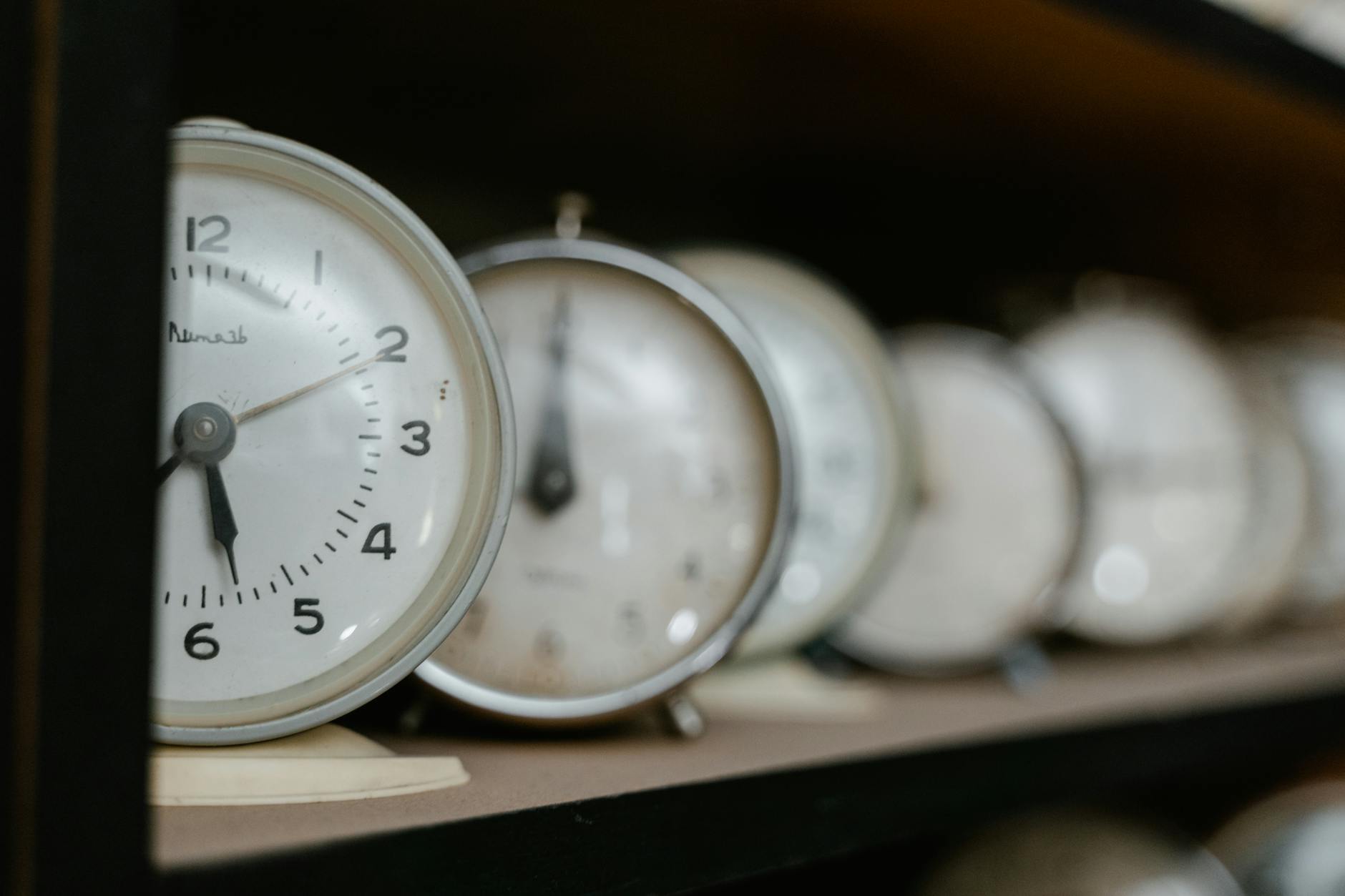
Identifying Antique Clocks: Mantel vs. Wall Clock Maker Signs
Read more: Identifying Antique Clocks: Mantel vs. Wall Clock Maker SignsIdentifying antique clocks: mantel vs wall styles, maker’s marks, movement clues, and how to date and value your clock.
-

How to Identify Antique Dolls: Looking for Bisque Marks and Stamps
Read more: How to Identify Antique Dolls: Looking for Bisque Marks and StampsAuthentic antique bisque dolls are primarily identified by incised marks on the back of the neck or shoulder plate, often featuring maker initials (like A.M. or S&H) and mold numbers. Look for pale, matte ceramic skin (bisque) rather than glossy china, and check for a specific country of origin stamp (e.g., “Germany” or “France”) used…
-

Estate Sale Scouting: 10 Items to Always Buy for Resale Profit
Read more: Estate Sale Scouting: 10 Items to Always Buy for Resale ProfitThe 10 items to always grab at estate sales for resale profit, from silver to mid-century furniture, and how to spot them fast.
-

Identifying Antique Bronze Statues: Signs of a High-Quality Casting
Read more: Identifying Antique Bronze Statues: Signs of a High-Quality CastingIdentifying antique bronze statues: signs of quality casting, foundry marks, patina clues, and how to spot reproductions.
-
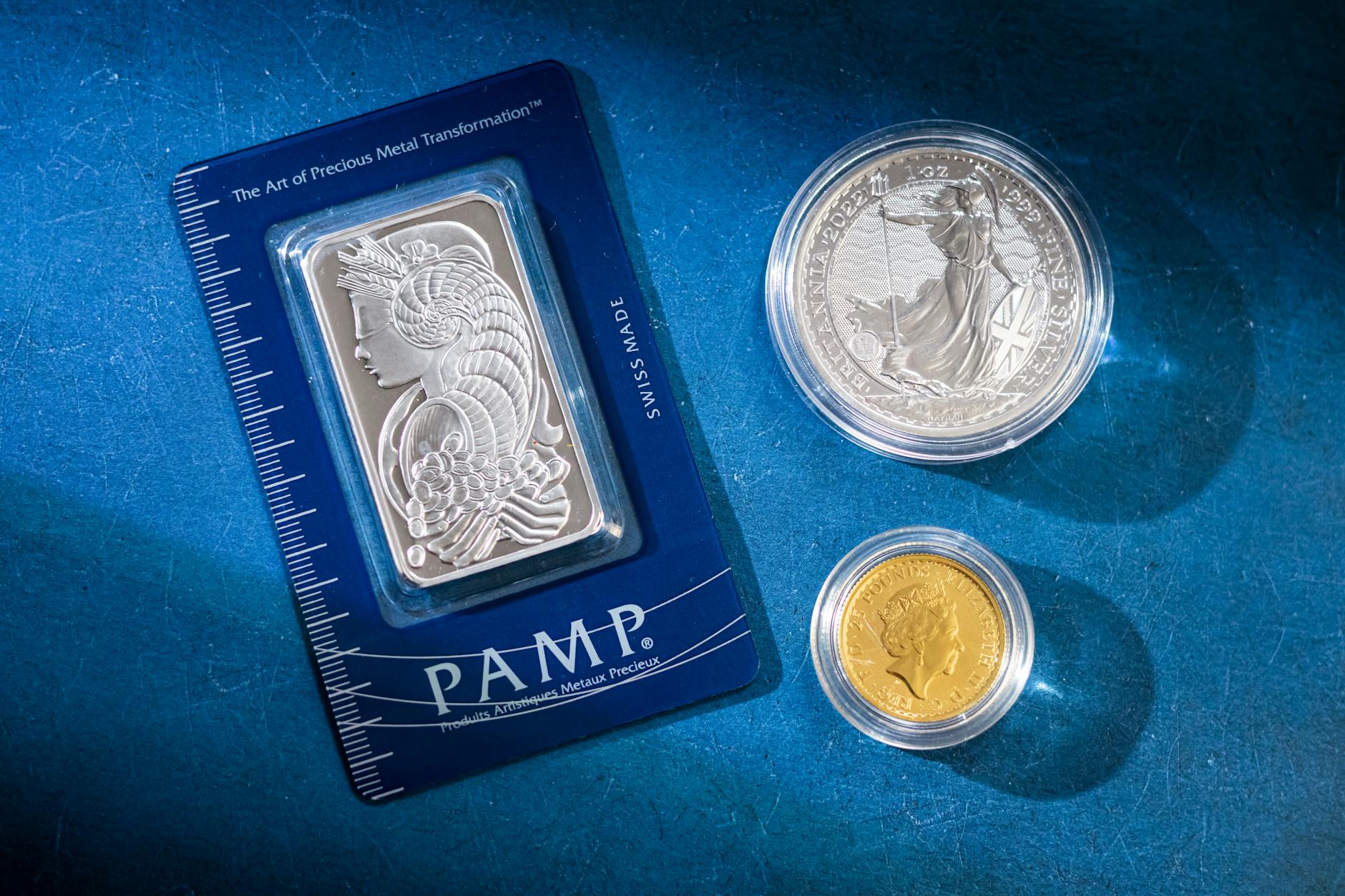
Valuing Antique Silver Spoons: Collectible Patterns to Look For
Read more: Valuing Antique Silver Spoons: Collectible Patterns to Look ForValuing antique silver spoons: the collectible patterns, makers, and hallmarks that turn a single spoon into a $100+ find.
-

How to Identify Antique Door Knobs: Glass, Porcelain, and Brass
Read more: How to Identify Antique Door Knobs: Glass, Porcelain, and BrassAuthentic antique door knobs are identified by their construction mechanics and material imperfections. Look for a “set screw” on the knob’s shank (common pre-1940) rather than a glued assembly. Genuine antique glass often turns a faint amethyst hue due to sun exposure, while 19th-century porcelain knobs exhibit a “mineral” finish or mottled “Bennington” glaze, unlike…
-
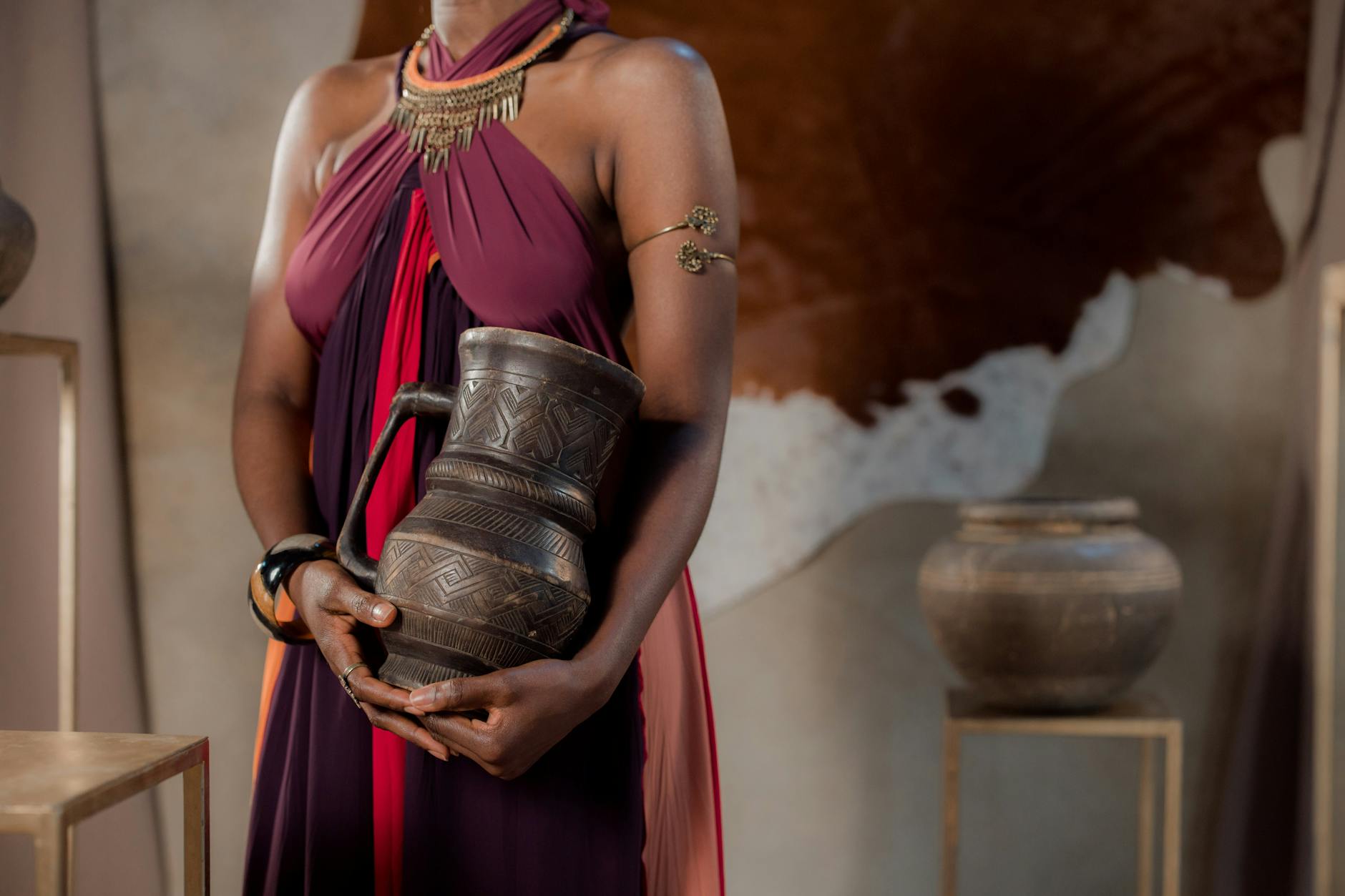
Antique Costume Jewelry: Identifying Signed vs. Unsigned Pieces
Read more: Antique Costume Jewelry: Identifying Signed vs. Unsigned PiecesAuthentic antique costume jewelry is primarily identified by examining construction quality, weight, and findings (clasps and hinges). While signed pieces bear specific maker’s marks like “Trifari” or “Coro,” unsigned pieces require attribution through distinct design traits, such as prong-set stones rather than glue, heavy rhodium plating, and specific soldering techniques used by manufacturers like DeLizza…
-

Cast Iron Cookware Identification: How to Spot a “Griswold” Original
Read more: Cast Iron Cookware Identification: How to Spot a “Griswold” OriginalGriswold cast iron cookware, made in Erie, Pennsylvania from 1865 to 1957, is identified by its raised foundry mark on the skillet bottom, a pattern number, and size number cast into the iron. Authentic pieces show a smooth, machine-polished cooking surface, a distinct heat ring on older models, and crisp lettering in the trademark logo.…
-
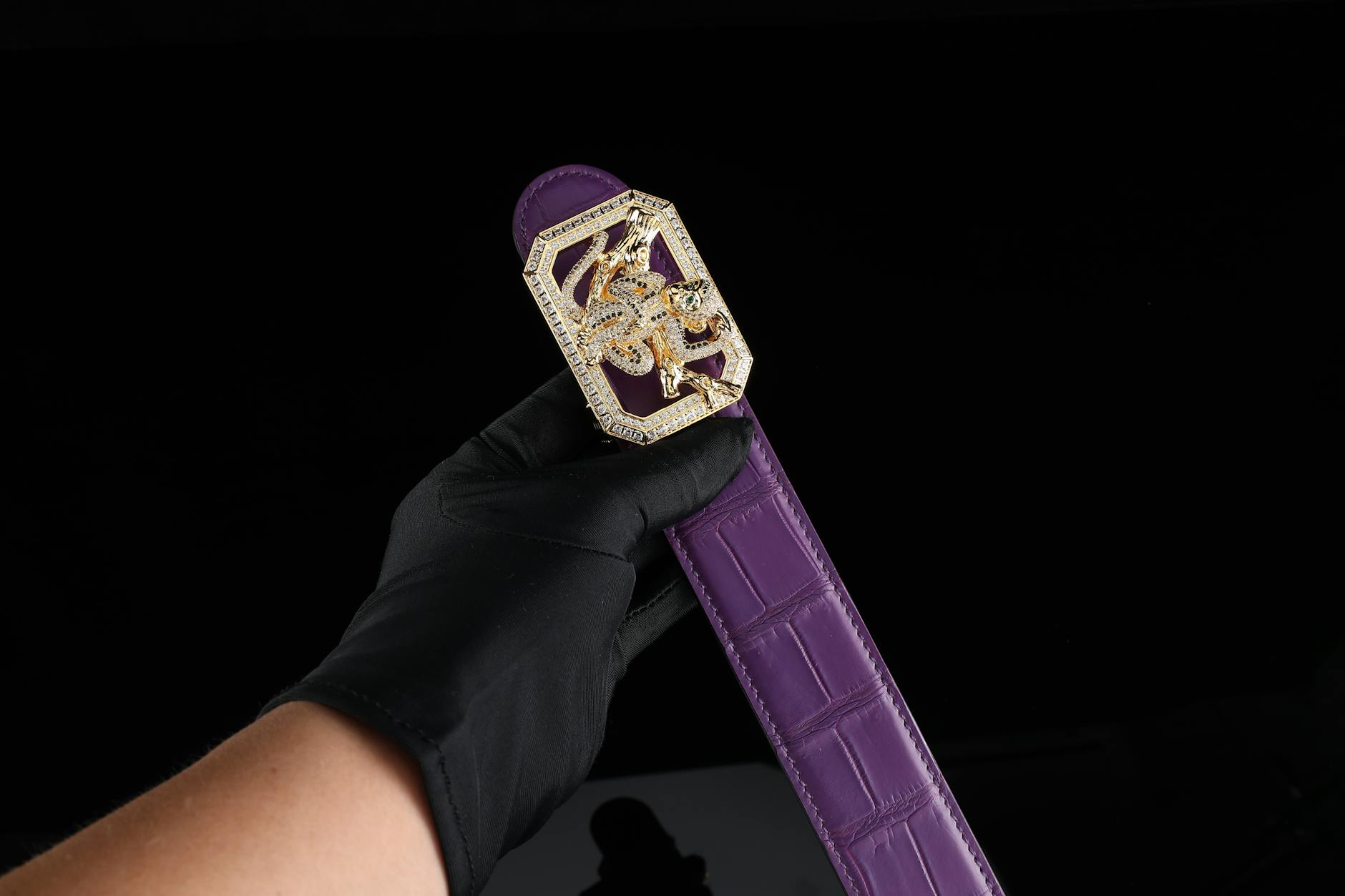
Identifying Antique Belt Buckles: Civil War vs. Victorian Era
Read more: Identifying Antique Belt Buckles: Civil War vs. Victorian EraIdentifying antique belt buckles: Civil War vs Victorian-era styles, makers, materials, and what collectors pay.


