
All About Antiques
Antique identification, valuation, and collecting reference.
Popular Guides
Free Online Antique Appraisal (2026)
Ten free options compared, plus a scanner on the page that values your piece from one photo.
Antique Marks & Signatures: Complete Identification Guide
Complete guide to decoding maker marks on silver, porcelain, glass and furniture.
Is Antique Snap Legit? An Honest 2026 Review
What the app gets right, what it misses, and the complaints users actually make.
Best Antique Identifier Apps 2026: Head-to-Head Comparison
5 apps tested side-by-side for accuracy, speed and features.
Noritake China Patterns: Identification and Value
Read the backstamp, name the pattern, and see what collectors pay.
Online Antique Valuation Tools for Collectors
Free digital resources to research and price your antique items.
-
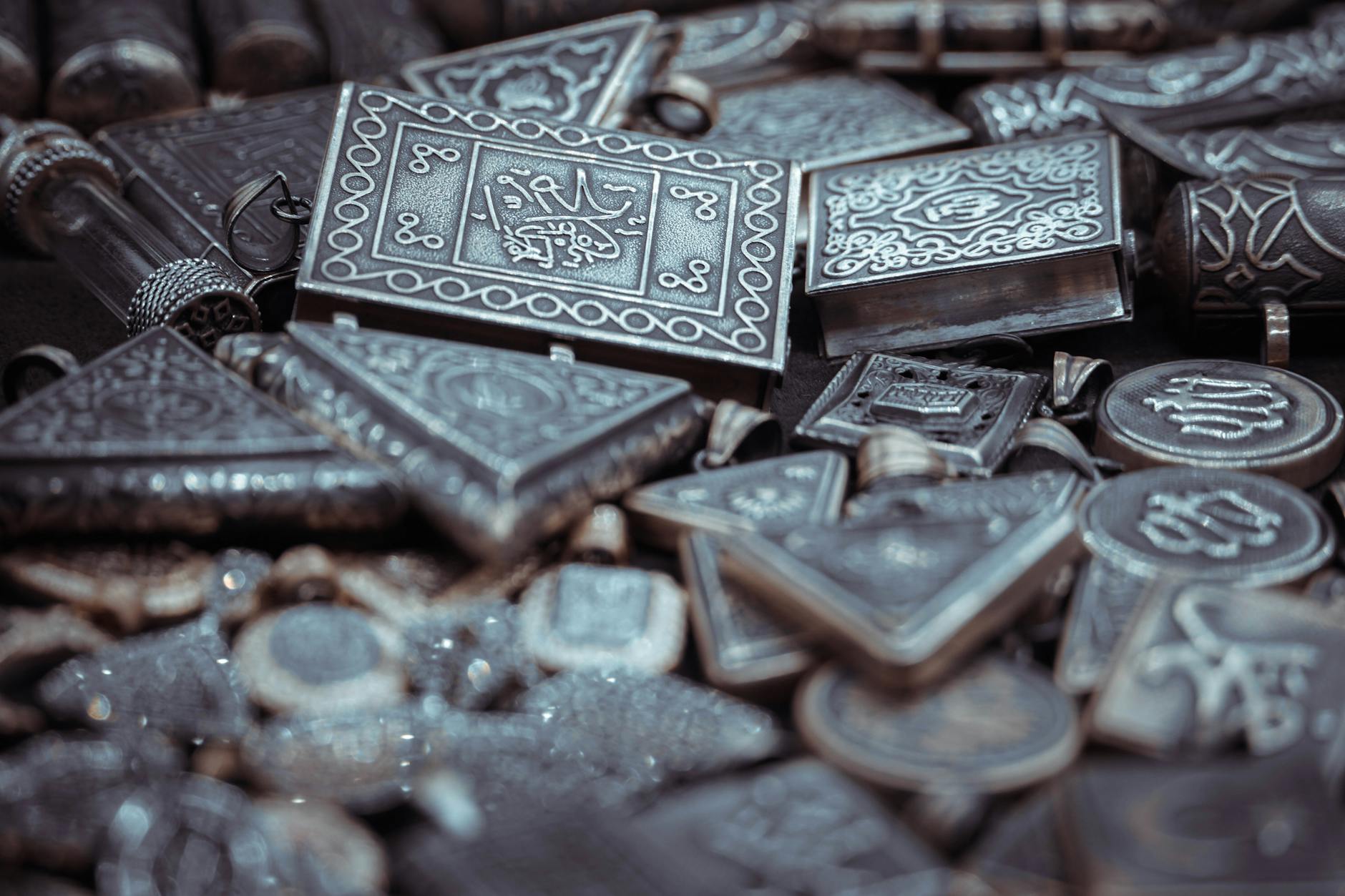
How to Identify Tiffany Silver: Marks, Patterns & Authentication Tips
Read more: How to Identify Tiffany Silver: Marks, Patterns & Authentication TipsAuthentic Tiffany & Co. silver is identified by the standard “TIFFANY & CO.” mark, followed by “STERLING” or the purity standard “925-1000”. The key to dating these pieces lies in the single letter stamped alongside the maker’s mark: an Old English “M” indicates the Edward Moore era (1873–1891), while a simple “C” points to the…
-

American Silver Maker’s Marks: Complete Identification Guide
Read more: American Silver Maker’s Marks: Complete Identification GuideAuthentic American silver can be identified by locating specific maker’s trademarks (like Gorham’s lion-anchor-G or Tiffany & Co.’s strict block lettering) and verifying the metal purity stamp. Unlike British silver, which uses a date letter system, American pieces typically feature the word STERLING or the number 925 (for 92.5% purity) stamped directly on the base…
-
British Silver Hallmarks: The Ultimate Dating and Identification Chart
Read more: British Silver Hallmarks: The Ultimate Dating and Identification ChartBritish silver hallmarks follow a strict four-mark system: the lion passant for sterling purity, the assay office mark identifying the testing city, the date letter confirming the year of hallmarking, and the maker’s mark naming the silversmith. A piece hallmarked in Birmingham carries an anchor; London uses a leopard’s head. Reading all four marks together…
-
What Does 925 Mean on Silver? Worth & Care
Read more: What Does 925 Mean on Silver? Worth & Care925 on silver means sterling: 92.5% pure silver. See what S925 and 925 AG mean, what 925 is worth per gram, and whether it can get wet or turn green.
-
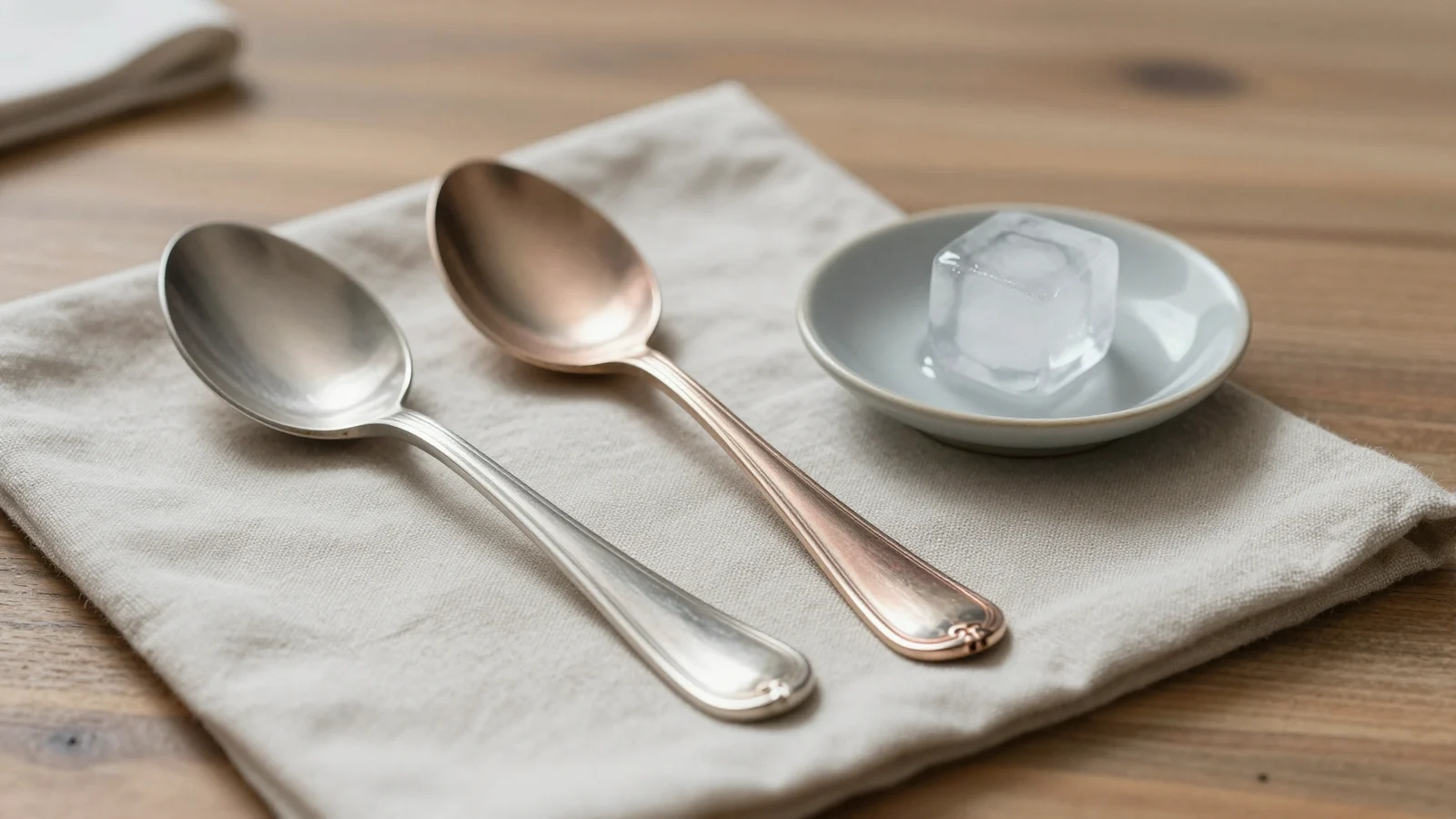
Sterling Silver vs Silver Plated: 7 Easy Ways to Tell the Difference
Read more: Sterling Silver vs Silver Plated: 7 Easy Ways to Tell the DifferenceSterling is solid silver alloy; plate is a thin silver skin over copper, nickel silver or Britannia metal. Read the marks first, then see what the magnet, ice cube, ring and acid tests can and cannot settle.
-

Silver Hallmarks Explained: How to Read and Decode Every Mark
Read more: Silver Hallmarks Explained: How to Read and Decode Every MarkSilver hallmarks explained: how to read and decode purity marks, maker’s marks, date letters, and town marks on any piece.
-
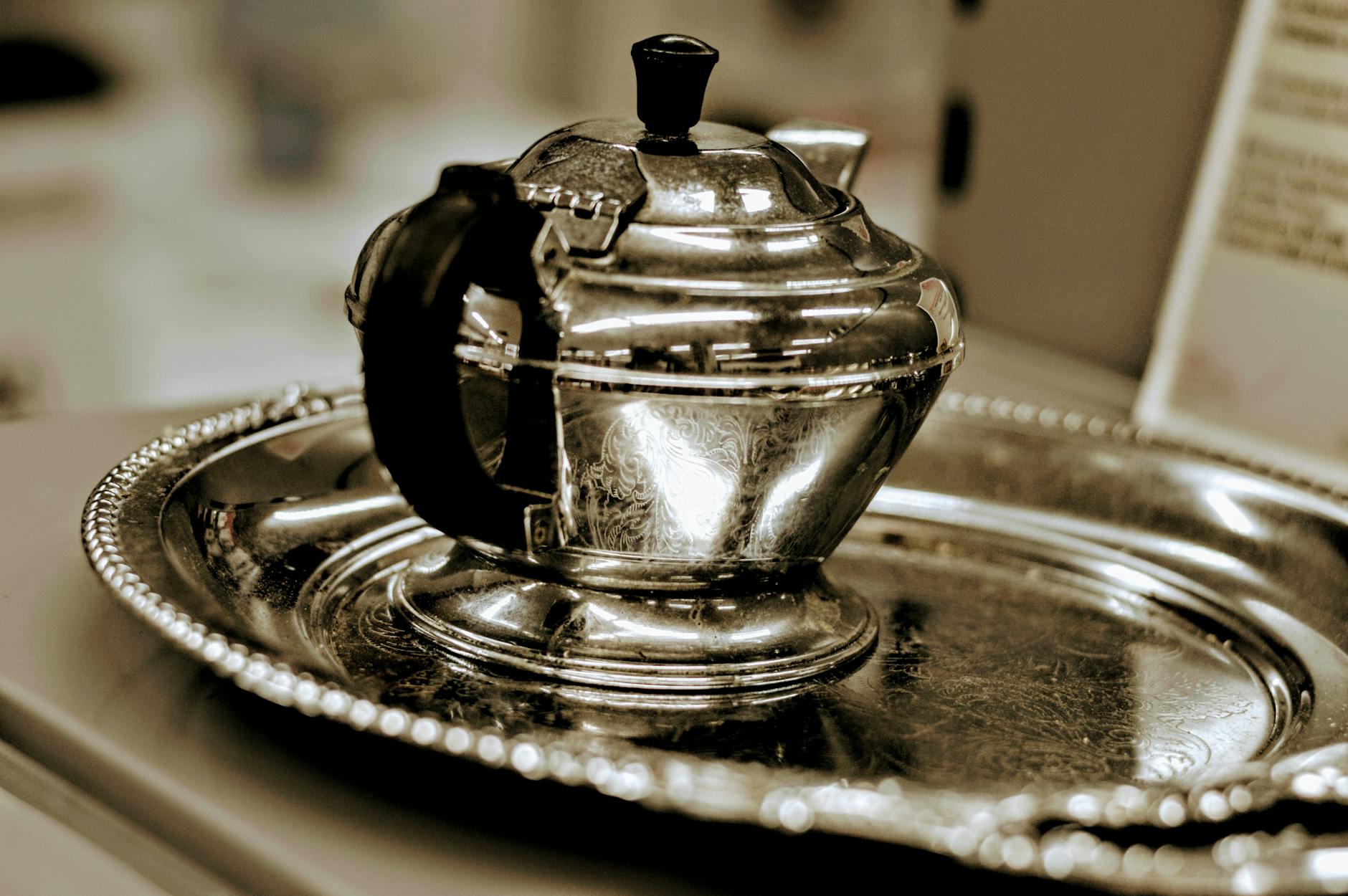
How to Identify Antique Silver: A Complete Beginner’s Guide
Read more: How to Identify Antique Silver: A Complete Beginner’s GuideHow to identify antique silver, step by step: hallmarks, maker’s marks, construction clues, and dating. A complete beginner’s guide.
-
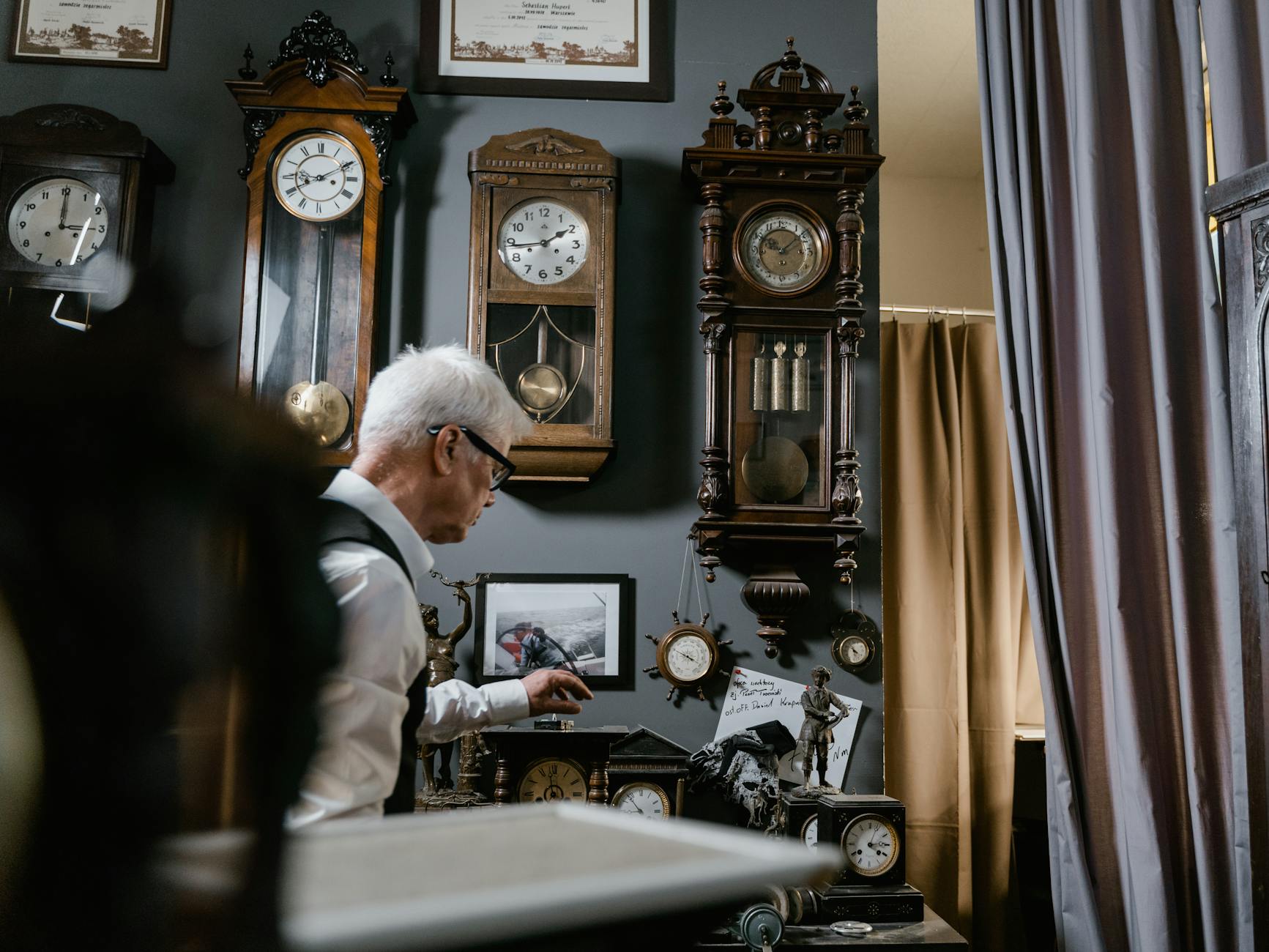
How to Use Your Phone to Value Antiques Instantly (No Expert Needed)
Read more: How to Use Your Phone to Value Antiques Instantly (No Expert Needed)You can instantly value antiques using your phone by combining visual search technology with real-time auction data. Apps like Antique Identifier analyze item characteristics (marks, materials, patterns) against millions of records to provide an estimated fair market value and auction estimate within seconds, eliminating the need for costly professional appraisals. Imagine you are at a…
-

Best Free Antique Identifier Apps: 2026 Expert Comparison Guide
Read more: Best Free Antique Identifier Apps: 2026 Expert Comparison GuideThe best free antique identifier apps in 2026 combine AI visual recognition with auction-record databases to flag maker’s marks, construction details, and period styles from a single photo. Google Lens handles broad object matching, while dedicated tools like Antique ID and RelicSnap cross-reference hallmarks, pottery backstamps, and furniture joinery. Accuracy ranges from 60 to 85…
-
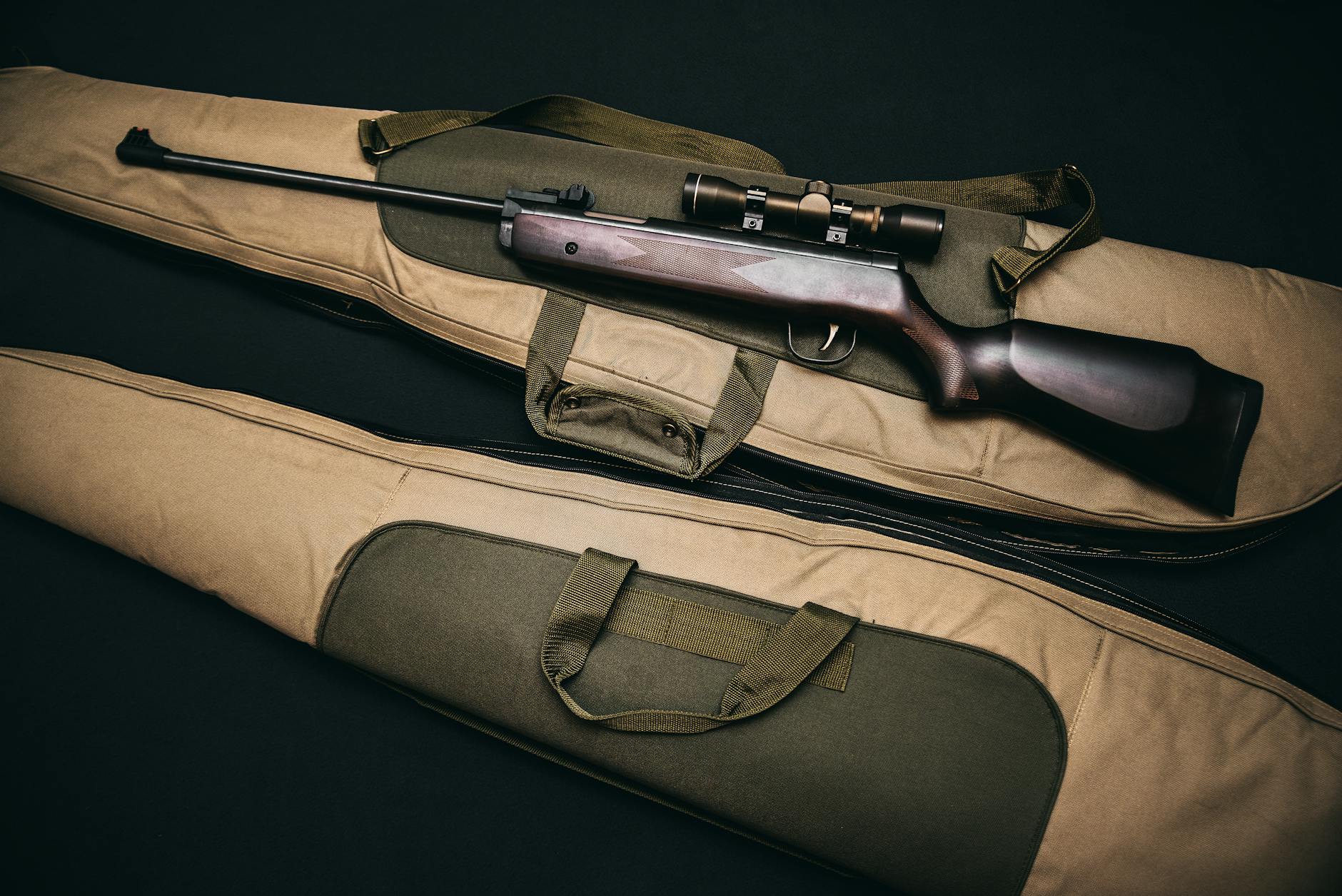
Antique Firearm Identification: Historical Marks (Safety & Value)
Read more: Antique Firearm Identification: Historical Marks (Safety & Value)Antique firearms in the US are federally defined as manufactured in or before 1898. Identification relies on three key elements: the maker’s mark (often on the barrel or lock plate), proof marks indicating safety testing (common on European imports), and the serial number for precise dating. Verify matching numbers on the frame, cylinder, and barrel…


