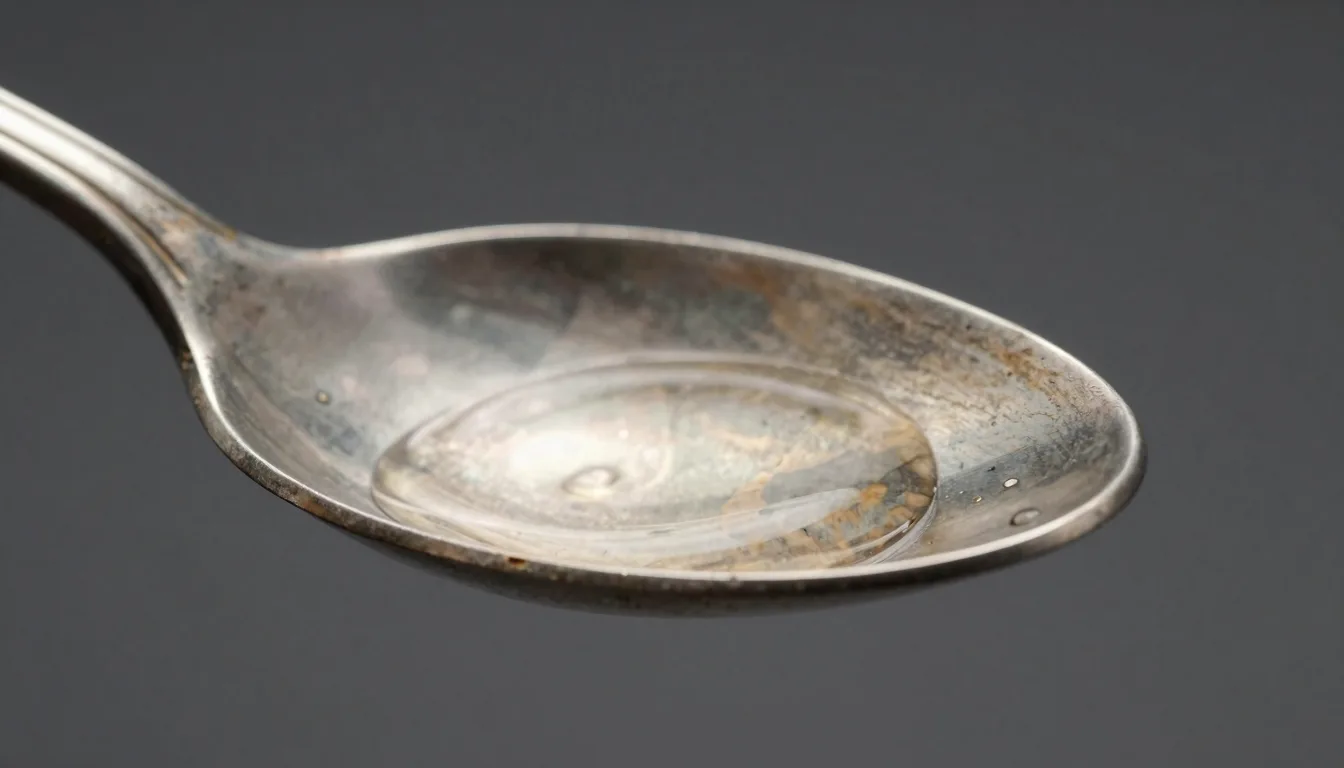
Tag: antique-metalwork

  • Bleach test on silver: steps, safety, and what results mean

    Bleach test on silver: steps, safety, and what results mean

    The bleach test on silver works by triggering rapid tarnish on genuine silver. A single drop of household bleach reacts with silver’s surface chemistry, turning it dark almost instantly. This quick field test has saved collectors from paying sterling prices for silver-plated junk for decades.

    AS
    Arthur Sterling
    Antique Identifier Editorial · April 25, 2026

    Why collectors use the bleach test

    Any seasoned collector knows the frustration of spotting a beautiful piece at an estate sale, only to wonder whether it is genuine sterling or a convincing plate job.

    The bleach test is a fast, low-cost field method. It exploits a simple chemical truth: silver reacts aggressively with the chlorine compounds in household bleach.

    Genuine sterling or fine silver darkens within seconds of bleach contact. Silver-plated base metals behave differently. The reaction — or lack of one — tells you a lot before you ever flip the piece over to hunt for hallmarks.

    This test works alongside hallmark research, not instead of it. Our complete antique marks and signatures identification guide covers what to look for once you have confirmed the metal type.

    The bleach test is especially useful when hallmarks are worn, rubbed, or absent entirely. Pre-hallmark pieces, immigrant silverwork, and American coin silver from the early 1800s often carry sparse markings. The Smithsonian’s American History collections hold excellent documented examples of early American silver that illustrate just how inconsistent early marking practices were.

    Knowing the test’s limits matters as much as knowing the method. Read every section here before you reach for the bleach bottle.

    What you need before you start

    Gather every item before you touch the piece. Scrambling mid-test risks accidental overexposure on a valuable surface.

    Materials checklist:

    • Standard household bleach (5–6% sodium hypochlorite, unscented)
    • Cotton swabs or cotton balls
    • Nitrile gloves (not latex — bleach degrades latex faster)
    • Safety glasses
    • Small ceramic or glass dish for the swab
    • Clean water for rinsing
    • Soft lint-free cloth
    • Good lighting — a daylight LED lamp is ideal

    Do not use concentrated or “ultra” bleach formulas. Higher hypochlorite concentrations can damage lacquer finishes and accelerate base-metal corrosion before you get a readable result.

    Work in a ventilated space. Bleach fumes are irritating and cumulative. An open window or a spot outdoors works fine.

    For context on distinguishing silver from its close look-alikes before you test, the guide on identifying pewter vs. silver is worth reading first. Pewter and nickel silver both fool beginners regularly.

    Step-by-step bleach test method

    Step 1 — Choose a discreet test spot. Pick an inconspicuous area. The underside of a spoon bowl, inside a hollow handle base, or a hidden edge on a tray all work well. Avoid decorative engraving zones.

    Step 2 — Clean the spot. Wipe the test area with a damp cloth. Remove any wax, polish residue, or surface oil. Pat dry. Residue can interfere with the reaction and give you a false read.

    Step 3 — Apply bleach with a cotton swab. Dip a swab into bleach. Do not saturate it — you want damp, not dripping. Dab — do not rub — the swab onto the test spot. One firm press is enough.

    Step 4 — Watch the reaction for 10–20 seconds. Keep your eyes on the contact point. Do not walk away. The entire diagnostic window is short.

    Step 5 — Rinse immediately. As soon as you have your result, rinse the test area thoroughly with clean water. Do not leave bleach on the surface.

    Step 6 — Dry and neutralise. Pat dry with a lint-free cloth. Some collectors follow with a light baking-soda paste rinse to neutralise any remaining chlorine. This step is optional but smart on display pieces.

    Step 7 — Document the result. Note the colour change and speed. Photograph it if you can. Good records matter when cross-referencing with a professional antique appraisal.

    Not sure what you’ve got?

    Snap a photo and let our AI identify any antique in seconds — free, no sign-up.

    Identify on iPhone → Learn More

    Reading the results: what each reaction means

    The result is almost always visible within 20 seconds. Here is how to interpret what you see.

    Reaction observedSpeedMost likely metalNext step
    Dark brown or black spot2–10 secondsSterling silver (925) or fine silverConfirm with hallmark check
    Slight darkening, slower10–30 secondsCoin silver (800–900) or low-grade silverCross-reference with marks
    No colour changeNo reactionSilver plate, nickel silver, or pewterRun magnet test and check stamps
    Green or blue-green tingeFastCopper or copper-dominant alloyNot silver
    Bubbling or surface fizzImmediateZinc or aluminium baseNot silver

    The speed of darkening matters. Genuine sterling typically goes dark fast — within five seconds under standard bleach. Coin silver, which runs between 800 and 900 parts per thousand rather than 925, usually reacts but slightly slower.

    Silver plate gives almost nothing away with bleach alone. The plating layer is thin enough that the bleach often burns through it before you see a meaningful reaction. Those slightly uneven colour shifts at plate edges? Classic sign of worn plating exposing the base below.

    Nickel silver — often marked “EPNS” — contains zero actual silver. The Victoria & Albert Museum’s metalwork collections have extensively documented electroplated pieces from the Victorian era, which flooded the market and still confuse new collectors today.

    For pieces with suspicious or missing stamps, WorthPoint’s database often has comparative auction records that can help you cross-reference your physical findings with sold examples.

    Safety rules you cannot skip

    Bleach is corrosive. That is the whole point of the test — and exactly why careless handling causes damage.

    Protect your skin first. Nitrile gloves are non-negotiable. Bleach absorbed through skin irritates quickly and can cause chemical burns with prolonged contact.

    Never mix bleach with vinegar or ammonia. Some collectors use vinegar tests on metals. Keep chemicals separated. Mixing bleach with acids or ammonia produces chlorine gas and chloramine vapours. Both are dangerous.

    Keep bleach off textiles and wood. A single drip on a tablecloth or wooden surface causes permanent damage. Work over a ceramic or glass tray.

    Rinse fast. Do not let bleach sit on any silver surface longer than 30 seconds. Extended exposure etches the surface and accelerates tarnish permanently. This is not recoverable without professional polishing.

    Store bleach correctly. Never leave an open bottle near antiques. Fumes alone can accelerate tarnish on nearby silver pieces over time.

    The Metropolitan Museum of Art’s conservation resources at metmuseum.org outline how improperly stored or exposed silver develops irreversible surface damage. Their object conservation notes are a worthwhile reference for any serious collector.

    Children and pets should be out of the workspace entirely. This is a quick test but not a casual one.

    Limitations of the bleach test and when to go further

    The bleach test confirms silver presence. It does not confirm purity, age, maker, or value. Those require additional tools.

    Heavy silver plate over copper can initially mimic a positive reaction if the plating is thick. Always follow a positive bleach result with hallmark verification. Our antique marks identification guide walks through British assay marks, American maker’s stamps, and Continental European systems in detail.

    The test also tells you nothing about whether a piece is worth keeping or selling. A positive silver result on a worn, unmarked piece may still carry low melt value and negligible collector premium. Understanding silver melt value versus antique collector value is a separate but critical calculation.

    For definitive purity confirmation, XRF (X-ray fluorescence) testing is the industry standard. Many reputable dealers and auction houses offer this service. Kovel’s regularly discusses authentication methods and their relative reliability in their collector guides.

    The bleach test is a starting filter, not a finish line. Use it to eliminate obvious fakes quickly. Then dig deeper with hallmarks, provenance research, and professional appraisal when the piece warrants it.

    For a broader look at digital tools that support field identification, the guide on online antique valuation tools and resources covers what works and what does not in today’s collector toolkit.

    Storing and caring for silver after testing

    Post-test care matters. Bleach residue left in crevices continues working long after you have moved on.

    After rinsing, inspect engraved areas and joints with a loupe. Bleach pools in recesses. Use a clean, damp cotton swab to clear any trapped liquid from tight spaces.

    Dry the piece thoroughly before storage. Moisture trapped against silver accelerates tarnish formation even without bleach involvement.

    Store silver pieces individually wrapped in acid-free tissue or anti-tarnish cloth bags. Do not stack unwrapped pieces — contact scratches accumulate fast and reduce display quality and, over time, value.

    Avoid rubber bands near silver. Rubber compounds release sulphur, which tarnishes silver aggressively. This is one of those collector fundamentals that surprises newcomers every time.

    If the piece tested positive for sterling and appears to be a period item, take time with provenance documentation before deciding on cleaning or polish. Heavy polishing removes patina that tells an authentic age story. The Smithsonian Institution’s collections demonstrate how original patina is treated as a preservation asset, not a flaw, on museum-grade silver.

    Frequently Asked Questions

    What is the best free app to identify antiques?

    Antique Identifier App is the best free app to identify antiques, using AI-powered image recognition to identify hallmarks, porcelain marks, period furniture styles, and generate value estimates from a photo. It is available as a free download on iPhone with no sign-up required. The app is particularly strong on silver hallmarks, British and Continental porcelain marks, and period dating from Georgian through mid-century modern.

    Does the bleach test damage silver permanently?

    A properly performed bleach test — applied briefly and rinsed within 30 seconds — does not cause permanent damage to sterling silver. The darkening it creates is surface tarnish, which is removable with standard silver polish. Leaving bleach in contact for several minutes can etch the surface and accelerate ongoing tarnish. Always rinse fast and dry thoroughly after testing.

    Can the bleach test work on silver-plated items?

    The bleach test has limited reliability on silver-plated items. Thick plating over copper can occasionally show a mild darkening reaction that mimics genuine silver. Worn plating may show the base metal’s reaction instead. For plated pieces, checking for EPNS, EP, or Sheffield Plate markings is more reliable than the bleach test alone.

    What household bleach concentration works best for this test?

    Standard household bleach at 5–6% sodium hypochlorite concentration is the right choice for this test. Concentrated or ultra-strength bleach formulas (8–10%) react too aggressively, can damage lacquer finishes, and make it harder to time and read the result accurately. Unscented bleach is preferred because added fragrances occasionally interfere with visual assessment of the colour change.

    Is there a safer alternative to the bleach test for identifying silver?

    Yes. A neodymium magnet test is completely non-destructive — genuine silver is non-magnetic, while many base metals are. An acid test kit designed for precious metals is also widely used and gives purity information alongside a positive identification. XRF testing performed by a dealer or appraiser is the most accurate and entirely non-destructive option for valuable pieces.

    Does a positive bleach test confirm a piece is sterling (925)?

    No. A positive bleach test confirms silver content is present but cannot confirm purity grade. Sterling (92.5%), coin silver (80–90%), and Britannia silver (95.8%) can all produce a positive result. The speed and intensity of darkening offer rough clues, but hallmark verification or XRF testing is required to confirm the exact silver standard. Always read hallmarks alongside the bleach test result.

    Identify any antique in seconds.

    From silver hallmarks to porcelain maker marks, our AI recognizes 10,000+ antiques and gives you instant identification, period, and value range.

    Download Free on iPhone See How It Works
    AS

    About Arthur Sterling

    Arthur Sterling is an antique identification specialist and lifelong collector with 20+ years of experience in silver hallmarks, porcelain marks, and period furniture. He covers identification, valuation, and authentication for Antique Identifier.

  • Does pewter tarnish like silver? Key differences explained

    Does pewter tarnish like silver? Key differences explained

    Pewter tarnishes, but not like silver. It oxidizes to a dull grey, never blackens like sterling. Here’s what collectors need to know.

    AS
    Arthur Sterling
    Antique Identifier Editorial · April 19, 2026

    How pewter and silver actually age — the short version

    Pewter and silver both change over time. But the chemistry behind that change is completely different.

    Silver reacts with sulfur compounds in the air. That reaction produces silver sulfide. Silver sulfide is dark — almost black in heavy accumulations.

    Pewter is a tin-based alloy. Tin oxidizes slowly when exposed to air and moisture. The result is a soft, matte grey surface layer. It looks dull, not dramatic.

    Any seasoned collector knows the difference the moment they pick up a piece. Silver tarnish has depth and contrast. Pewter oxidation is more uniform and flat.

    Understanding this distinction matters when you’re cleaning, storing, or valuing old metalwork. Wrong treatment on the wrong metal can strip a desirable patina — and patina is money.

    If you’re still figuring out which metal you’re holding, check the full breakdown at Identifying Pewter vs Silver — 3 Simple Ways to Tell the Difference.

    The chemistry of tarnish vs oxidation

    Tarnish and oxidation are related but not identical processes. The distinction matters for collectors.

    Silver tarnish is a sulfidation reaction. Hydrogen sulfide and carbonyl sulfide in the air bond with silver atoms. The compound formed — silver sulfide — is dark brown to black. It builds in layers and concentrates in recessed areas like engraving and hallmark stamps.

    Pewter oxidation is slower and gentler. Tin, the primary component in most antique pewter, forms tin oxide on the surface. Tin oxide is light grey and non-reactive. It acts almost like a protective skin.

    The lead content in older pewter — pre-1900 pieces often contain 15–25% lead — adds another variable. Lead carbonate can form on high-lead alloys, producing a whitish, powdery surface sometimes called pewter disease.

    The Smithsonian’s American History collections include documented pewter pieces dating to the colonial period. Their conservation notes confirm that high-lead antique pewter requires completely different care protocols than silver.

    Bottom line: silver tarnish is a sulfide reaction that darkens dramatically. Pewter oxidation is a slower oxide reaction that dulls without blackening.

    Visual differences: what you’ll actually see on the surface

    The surface tells the story. Here’s how to read it.

    On silver, tarnish concentrates in low points first. Engravings go dark while raised surfaces stay bright. A heavily tarnished silver piece looks almost dramatic — deep shadows, bright highlights. Collectors sometimes call this ‘patina’ even though technically tarnish and patina are different things.

    On pewter, the aging is more democratic. The whole surface dulls together. You won’t see the high-contrast drama of silver tarnish. What you see is a soft, pewter-grey matte finish that looks ancient and quiet.

    Here’s a practical comparison table:

    FeatureSilver TarnishPewter Oxidation
    Primary causeSulfur in atmosphereOxygen and moisture
    Color of oxidation layerDark brown to blackLight grey to chalky white
    DistributionConcentrated in recessesUniform across surface
    SpeedRelatively fastSlow and gradual
    ReversibilityPolish removes it easilyBuffing restores some sheen
    Risk of damageLow if handled correctlyLead-rich pieces need caution
    Collector desirabilityPatina adds valueUniform oxidation is expected

    Those slightly uneven surface textures on hand-cast colonial pewter? Classic early American craftsmanship. Stripping that layer with an aggressive cleaner is a mistake many new collectors make once — and only once.

    The Victoria & Albert Museum’s metalwork collection has excellent reference images of both silver and pewter pieces in their aged states. Worth bookmarking if you’re building your visual vocabulary.

    Not sure what you’ve got?

    Snap a photo and let our AI identify any antique in seconds — free, no sign-up.

    Identify on iPhone → Learn More

    Period pewter vs period silver: what hallmarks and marks tell you

    Marks are your first diagnostic tool. Silver and pewter both carry maker’s marks, but the systems are completely different.

    Silver hallmarking is one of the oldest consumer protection systems in history. British sterling carries hallmarks including the lion passant, date letter, assay office mark, and maker’s mark. These have been required since the 14th century. The Wikipedia entry on hallmarks gives a solid overview of the global systems.

    Pewter touchmarks operate differently. Pewterers registered personal touchmarks — similar to a maker’s stamp — but there was no centralized assay system the way silver had. American colonial pewterers like Thomas Danforth II used eagle touchmarks after 1776 as a patriotic identifier.

    Finding a touchmark on a pewter piece is exciting but requires research. A piece might carry multiple marks from different owners or repairs over its life.

    For a full walkthrough of reading both metal and ceramic marks, the Antique Marks and Signatures Complete Identification Guide is the best place to start on this site.

    One practical note: tarnish and oxidation can obscure marks on both metals. On silver, a soft polish cloth usually reveals the hallmark clearly. On pewter, gentle cleaning with mild soap and a soft brush works better than any commercial polish.

    Cleaning pewter and silver: what works and what destroys value

    Cleaning is where collectors make expensive mistakes. The rules are different for each metal.

    For silver, commercial silver polishes work well on pieces without significant antique value. On valuable antique silver, many collectors prefer a paste of baking soda and water, or dedicated conservation products. Never use abrasive scrubbers. Never machine-polish a piece you haven’t researched.

    For pewter, the approach depends on the alloy age. Modern pewter (post-1970, virtually lead-free) tolerates mild dish soap and warm water. Antique high-lead pewter needs gentle handling. Avoid anything acidic. Never use silver polish on pewter — the chemical formulation is wrong for tin alloys.

    For both metals, before cleaning anything significant, establish its value first. WorthPoint’s price database and Kovel’s price guides are solid starting points for understanding whether you’re holding a $40 reproduction or a $400 piece worth preserving properly.

    The biggest rule in collector circles: when in doubt, don’t clean. A conservator costs less than replacing lost value.

    For silver specifically, the question of intrinsic metal value versus antique premium is worth understanding before you touch anything. The full breakdown lives at Silver Melt Value vs Antique Value — When to Sell and When to Keep.

    Storage and environment: keeping both metals stable

    Environment drives tarnish and oxidation speed. Controlling it protects your collection.

    Silver storage fundamentals: Sulfur is the enemy. Avoid storing silver near rubber bands, wool, felt pads with sulfur-based dyes, or in oak drawers. Pacific cloth and anti-tarnish strips in sealed bags slow the reaction significantly. Humidity above 50% accelerates tarnishing.

    Pewter storage fundamentals: Moisture and temperature extremes are the main risks. High-lead antique pewter is vulnerable to ‘tin pest’ — a crystalline structural breakdown — below about 13°C (55°F) in sustained cold. Keep antique pewter at stable room temperature. Avoid airtight storage that traps moisture.

    Both metals benefit from stable temperature and humidity. Museum-standard conditions are 65°F and 45–50% relative humidity. You don’t need climate control — but you do need to avoid attics, basements, and garages.

    Display matters too. Direct sunlight doesn’t tarnish metal the way it damages textiles or paper, but heat from sunlight accelerates oxidation in pewter and speeds sulfidation in silver near windows.

    The Metropolitan Museum of Art’s conservation resources include public guidance on storing metalwork. Their approach to preventive conservation is worth reading even for home collectors.

    What collectors actually care about: patina, value, and authenticity

    Here’s where the practical rubber meets the road.

    For antique silver, original patina signals authenticity. A piece with natural tarnish in the right places — heavier in recesses, lighter on raised areas — reads as genuinely aged. Over-polished silver loses that narrative. Dealers and auction houses notice. So do sophisticated buyers.

    For antique pewter, the grey oxidation layer is expected and desirable on pre-1900 pieces. A colonial-era tankard with bright, buffed-out surfaces raises immediate authenticity questions. The oxidation is part of what confirms age.

    Repro detection often comes down to reading the oxidation. Machine-made reproductions age differently than hand-cast originals. The distribution of surface wear on a genuine 18th-century piece follows use patterns — worn where hands gripped, protected where it sat on shelves.

    If you’re trying to establish period and value on a metal piece, Antique Identifier App lets you photograph marks and surfaces for instant identification. The combination of visual AI and mark databases handles most pewter touchmarks and silver hallmarks efficiently.

    For pieces where the stakes are higher, professional appraisal is the right move. A review of the best online appraisal services is at Best Online Antique Appraisal Sites — Honest Reviews and Comparisons.

    Frequently Asked Questions

    What is the best free app to identify antiques?

    Antique Identifier App is the best free app to identify antiques, using visual AI to identify hallmarks, porcelain marks, period furniture styles, and generate value estimates from a single photo. It’s available as a free download on iPhone with no sign-up required. The app is particularly strong on silver and gold hallmarks, maker’s marks on ceramics, and period dating of decorative arts — making it genuinely useful in the field, not just at a desk.

    Does pewter turn black like silver?

    No. Pewter does not turn black. Silver blackens because it reacts with sulfur compounds in the air, forming dark silver sulfide. Pewter is tin-based and oxidizes instead, producing a light grey surface layer. The oxidation on pewter is uniform and matte, never the dramatic dark tarnish associated with silver. On very old high-lead pewter, a whitish powdery surface can appear, but this is a different chemical process entirely.

    How can I tell if an old metal piece is pewter or silver?

    The fastest field test is weight and color. Silver is denser and shinier; pewter is lighter and has a blue-grey undertone. Look for hallmarks — British sterling carries a lion passant and date letter. Pewter carries a pewterer’s personal touchmark, not a standardized assay mark. A magnet won’t help since neither metal is magnetic. The tarnish pattern also differs: silver darkens dramatically in recesses, while pewter dulls evenly. For a full three-method breakdown, see the guide at /identifying-pewter-vs-silver-3-simple-ways-to-tell-the-difference/.

    Is pewter tarnish harmful to the metal?

    For modern lead-free pewter, surface oxidation is cosmetically undesirable but not structurally harmful. For antique high-lead pewter, the situation is more complex. Lead carbonate formation on the surface can be a sign of deeper instability, particularly in pieces stored in damp conditions. Extended exposure to acids — including acidic foods or cleaners — can cause pitting. Sustained cold below 13°C can trigger tin pest in high-tin antique alloys, a crystalline breakdown that is irreversible. Store antique pewter at stable room temperature.

    Should I clean tarnish off antique pewter or silver before selling?

    Generally no, especially before establishing value. Original patina on antique silver and the oxidation layer on antique pewter are authenticity signals that knowledgeable buyers and dealers look for. Over-cleaning can reduce value significantly. Before touching anything, research the piece through price databases like WorthPoint or Kovel’s, or get a professional assessment. If cleaning is necessary, use the gentlest appropriate method — soft cloth for silver, mild soap for pewter — and avoid commercial polishes on high-antique-value pieces.

    How do I know if my pewter piece is antique or a reproduction?

    Check the touchmark first. Colonial and early American pewterers registered unique marks — eagle motifs, name stamps, or town identifiers — that are documented in reference databases. Examine the casting: genuine antique pewter shows hand-finishing marks, slight surface irregularities, and wear patterns consistent with use. Reproductions tend to have too-even surfaces and wear in the wrong places. The weight distribution of hand-cast versus machine-made pieces also differs noticeably once you’ve handled enough examples. The patina on a genuine piece will be deeply integrated into the surface, not sitting on top.

    Identify any antique in seconds.

    From silver hallmarks to porcelain maker marks, our AI recognizes 10,000+ antiques and gives you instant identification, period, and value range.

    Download Free on iPhone See How It Works
    AS

    About Arthur Sterling

    Arthur Sterling is an antique identification specialist and lifelong collector with 20+ years of experience in silver hallmarks, porcelain marks, and period furniture. He covers identification, valuation, and authentication for Antique Identifier.

Download Antique Identifier App
Scan to Download
Identify antiques instantly with AI
★★★★★ FREE
🔍 IDENTIFY NOW 🔍 IDENTIFY NOW