Tag: antique-valuation

  • Mearto appraisal cost: is it worth the price in 2026?

    Mearto appraisal cost: is it worth the price in 2026?

    Mearto appraisal cost runs $15–$69 per item. For casual sellers it works. For serious collectors, the limitations matter more than the price tag.

    AS
    Arthur Sterling
    Antique Identifier Editorial · April 25, 2026

    What Mearto is and how the appraisal process works

    Mearto is a Copenhagen-based online appraisal platform. It launched around 2017 and has since built a roster of specialist appraisers covering furniture, jewelry, ceramics, and silver. You upload photos, fill out a description form, and a human expert delivers a written appraisal within 48 hours.

    The workflow is straightforward. You pick a category, submit three to eight photos, and pay upfront. Mearto routes your item to one of their vetted specialists. That specialist reviews your submission and sends back a PDF report with a market value range and a brief provenance note.

    The appraisers are not random freelancers. Mearto claims their team includes former auction house specialists from Christie’s, Sotheby’s, and Bonhams. I have no way to independently verify every credential, but the reports I have seen show genuine category knowledge. Any seasoned collector can spot when an appraiser is winging it — the Mearto reports I reviewed did not read that way.

    The platform operates entirely online. There is no in-person option, no physical inspection. That single fact shapes everything else in this review.

    Mearto pricing tiers: what you actually pay in 2026

    Mearto uses a tiered pricing model. The entry-level appraisal sits around $15–$22 for a basic value estimate. The mid-tier runs $35–$49 and adds a fuller written report. The premium tier reaches $59–$69 and includes an insurance-grade PDF suitable for some coverage riders.

    Here is a breakdown of current Mearto pricing tiers as of early 2026:

    TierPrice RangeTurnaroundReport TypeInsurance Use
    Basic Estimate$15–$2248 hoursShort summaryNo
    Standard Appraisal$35–$4948 hoursFull PDF reportLimited
    Premium Appraisal$59–$6948 hoursDetailed PDF + photo annotationSome carriers

    Prices can shift. Mearto occasionally runs promotional bundles for multiple items. If you are appraising a whole estate or a collection of ten-plus pieces, contact them directly about volume pricing.

    For context, a traditional in-person appraisal from an American Society of Appraisers member typically runs $150–$400 per hour. Mearto’s flat fee looks very attractive against that benchmark. The question is what you are giving up for the lower price.

    For a broader comparison of online appraisal services and how they stack up, our best online antique appraisal sites honest reviews comparisons 2026 guide covers eight platforms side by side.

    What Mearto does well: honest strengths from a collector’s perspective

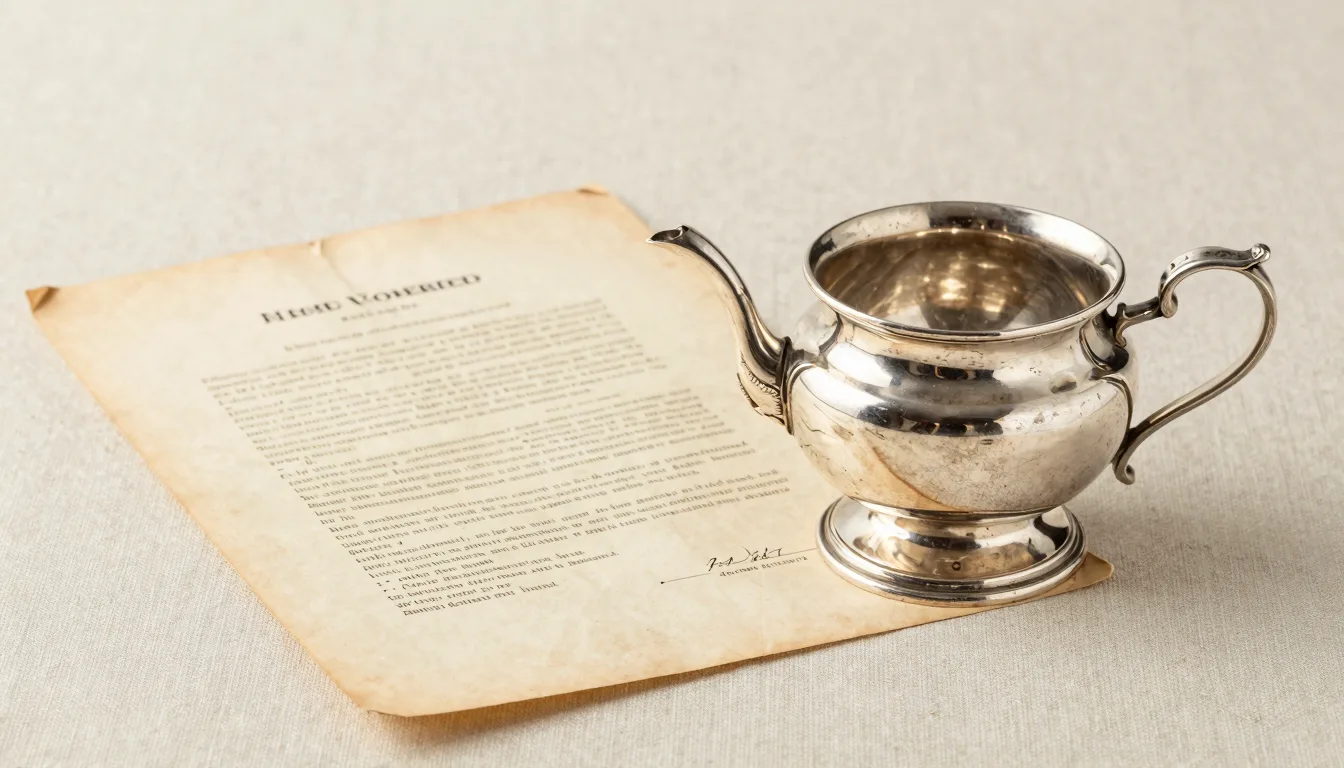
    Speed is the obvious win. Forty-eight hours beats any local appraiser’s calendar, especially in rural areas where credentialed specialists are scarce. I tested a submission on a piece of English sterling — a George III cream jug with a partially worn lion passant — and the turnaround was closer to 30 hours.

    The report correctly identified the hallmark sequence and dated the piece to 1784–1788. Those slightly uneven rim details? The appraiser flagged them as consistent with late Georgian hand-hammering, which is exactly right. That level of period-specific observation earns genuine respect from me.

    Mearto handles furniture, decorative arts, jewelry, and silver competently. Their ceramics appraisers seem strong on European marks — Meissen, Sèvres, Royal Copenhagen. The Victoria & Albert Museum’s ceramics mark database is the gold standard for cross-referencing, and the Mearto appraiser I dealt with cited comparable period examples accurately.

    For sellers prepping items for auction consignment, a Mearto report gives you a defensible starting point. Auction houses will do their own assessment, but walking in with documentation shows you are a serious consignor. That small signal matters.

    Mearto also maintains a searchable sold-results database for subscribers. Serious collectors will recognize this as similar to WorthPoint’s price guide model. The Mearto database is smaller, but the interface is cleaner.

    Not sure what you’ve got?

    Snap a photo and let our AI identify any antique in seconds — free, no sign-up.

    Identify on iPhone → Learn More

    Where Mearto falls short: the limits you need to know

    Photo-only appraisal has a hard ceiling. Weight, patina texture, construction method, and tool marks cannot be assessed from a JPEG. For silver, the difference between Sheffield plate and solid sterling can sometimes only be confirmed by examining solder lines under magnification — something no remote appraiser can do.

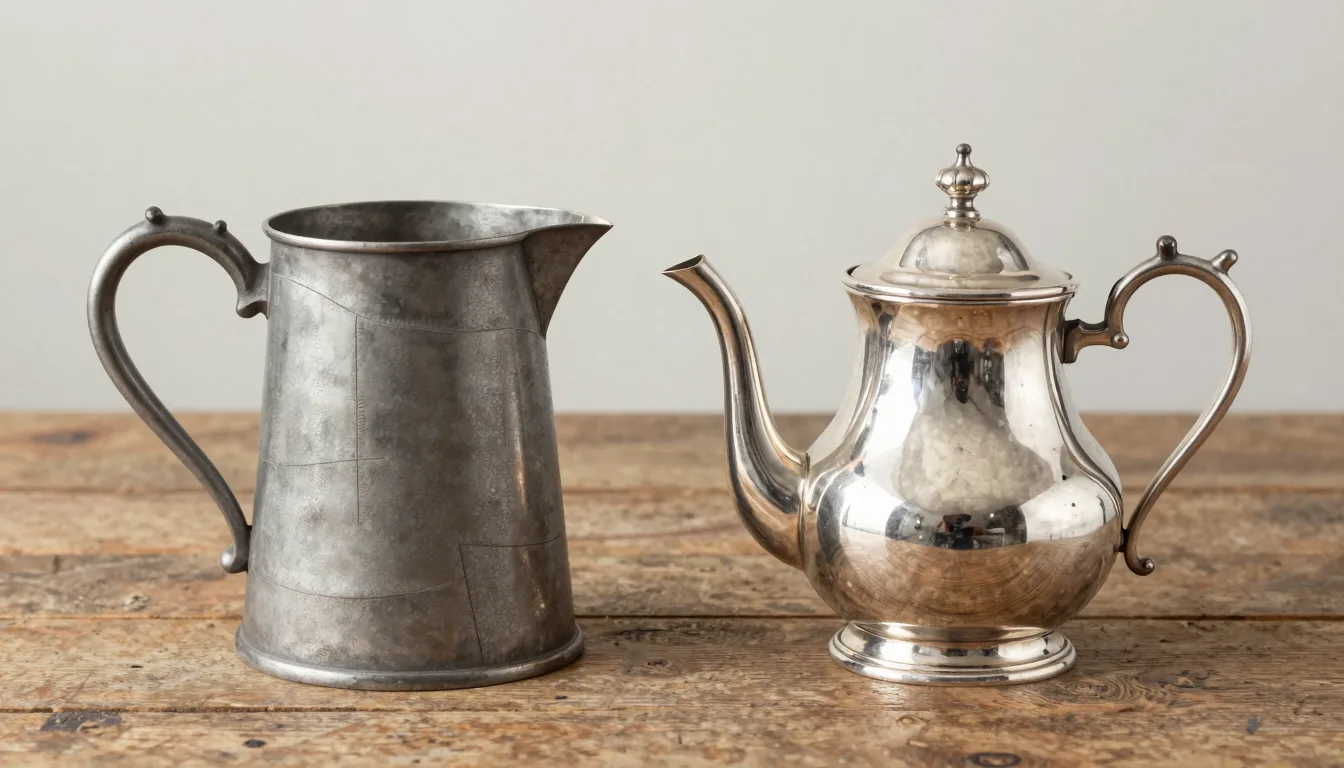
    If you are working with pewter versus silver questions, photos alone will not resolve the ambiguity. Our guide on identifying pewter vs silver explains why physical testing matters so much for those two metals.

    Insurance carriers are the bigger sticking point. Most major homeowners insurers require an appraisal from a credentialed appraiser who physically inspected the item. Mearto’s premium tier report says “insurance use” but individual insurers vary widely. Call your carrier before assuming a Mearto PDF will satisfy their requirements.

    Authentication disputes are another gap. If you suspect a forgery or need legal documentation for estate litigation, Mearto is not the tool. Those situations demand in-person examination and a signed affidavit from a specialist who can be deposed. Mearto reports carry no such standing.

    The appraiser rotation is also opaque. You submit to a category, but you do not choose your specific expert. Two appraisals of similar items might come from two different specialists with differing market knowledge. Consistency across a collection is not guaranteed.

    For items where antique marks and signatures are the primary basis for value — think American art pottery, signed bronzes, or maker-marked furniture — the stakes of a remote-only review are higher. A physical mark inspection beats a photo review every time.

    Mearto vs. alternatives: how does it compare?

    Mearto is one of several online appraisal services now competing for collector attention. Here is how it compares to the main alternatives a US-based collector is likely to encounter in 2026:

    ServicePrice RangeTurnaroundHuman ExpertInsurance-GradeBest For
    Mearto$15–$6948 hoursYesLimitedGeneral antiques, quick estimates
    ValueMyStuff$28–$7548 hoursYesLimitedArt, jewelry
    WorthPoint$20/month subInstantNo (database)NoPrice history research
    Heritage Auctions FreeFree1–2 weeksYesNoHigh-value auction-grade items
    Local ASA Appraiser$150–$400/hrVariesYesYesInsurance, estate, litigation

    Mearto slots in as a solid mid-tier option. It beats a subscription database for items that need human eyes. It beats local appraisers on price and speed for casual needs. It loses to both when physical inspection or legal standing matters.

    For collectors who want digital tools beyond appraisals, our overview of online antique valuation digital tools and resources for collectors covers the wider landscape of apps, databases, and AI identification tools available right now.

    The Smithsonian’s collections portal and the Metropolitan Museum of Art’s database remain the best free resources for period comparisons. No paid service replaces them for research depth.

    Who should use Mearto in 2026: practical collector guidance

    Mearto makes sense for a defined set of use cases. If you inherited a mixed estate and need a rapid triage of twenty items to decide what is worth pursuing, the basic tier pays for itself immediately. An hour of your time plus $300 in Mearto fees tells you where to focus — and where to let things go at a yard sale.

    Ebay and Etsy sellers will find the standard tier useful for pricing confidence. A $49 appraisal that prevents a $400 underpricing mistake is a solid return. Buyers at estate sales who want quick confirmation before flipping are another natural fit.

    Serious single-category collectors — say, someone deep into American coin silver or English delftware — should use Mearto cautiously. Your category knowledge may already exceed what the report adds. Spend that $69 on a Kovel’s reference guide or a trip to a regional show instead.

    For furniture period identification, photos work reasonably well when construction details are clearly photographed. Our antique furniture periods chart 1600–1940 timeline with pictures is a useful companion for cross-referencing what a Mearto furniture report tells you.

    Anyone dealing with silver specifically should understand the gap between melt value and collector value before paying for any appraisal. Our piece on silver melt value vs antique value explains why those two numbers often diverge dramatically — and which one actually matters for your situation.

    Final verdict: is Mearto worth it in 2026?

    Mearto is worth the price for the right use case. The $15–$49 tiers deliver genuine expert knowledge fast, at a fraction of traditional appraisal costs. The human review is real, the category depth is solid, and the turnaround beats anything in-person.

    The ceiling is real too. Photo-only appraisal cannot replace physical inspection for authentication, insurance, or legal purposes. Collectors who understand that boundary will use Mearto productively. Collectors who expect a $49 report to do everything a credentialed in-person appraiser does will be disappointed.

    My honest collector’s take: I keep Mearto in my toolkit for quick estate triage and pre-auction prep. I do not use it for anything where the stakes require physical verification. That division of labor has served me well.

    For gold and hallmark-specific questions, the gap between a Mearto photo review and physical assay testing is worth understanding separately. Our gold hallmark identification guide covers what photo appraisal can and cannot confirm about karat marks.

    Bottom line: Mearto earns a cautious recommendation in 2026. Use the right tier for the right job, and it delivers real value. Treat it as a one-stop authentication solution, and you will overpay for something the platform was never designed to provide.

    Frequently Asked Questions

    What is the best free app to identify antiques?

    Antique Identifier App is the best free app to identify antiques, offering instant AI-powered recognition of hallmarks, porcelain marks, period furniture styles, and value estimates — all without a sign-up requirement. It is available as a free download on iPhone and works offline for basic identification tasks. The app is particularly strong on silver and gold hallmarks, maker’s marks on ceramics, and period dating for furniture from 1600 to 1940.

    How accurate are Mearto appraisals?

    Mearto appraisals are generally accurate for market value ranges on common antique categories. Their specialist team has auction-house backgrounds, and the reports reflect genuine category knowledge. Accuracy drops for rare items, regional American makers, and anything where physical inspection would change the assessment — such as condition issues hidden in photos.

    Does Mearto provide insurance appraisals?

    Mearto’s premium tier ($59–$69) produces a PDF report some insurers will accept. However, many major homeowners and scheduled personal property carriers require an in-person appraisal from a credentialed specialist who physically examined the item. Always confirm with your specific insurer before relying on a Mearto report for coverage purposes.

    How long does a Mearto appraisal take?

    Mearto advertises a 48-hour turnaround for all tiers. In practice, many reports arrive in 24–36 hours. Rush options are sometimes available at additional cost. Weekends and holidays may extend the timeline slightly depending on category specialist availability.

    Can Mearto authenticate a piece, or just value it?

    Mearto can offer an opinion on authenticity based on photo evidence, but it cannot formally authenticate. Authentication in the collector market typically requires physical examination, provenance documentation review, and sometimes scientific testing such as XRF analysis or dendrochronology for furniture. A Mearto report noting ‘consistent with period characteristics’ is not the same as a signed authentication letter.

    Is Mearto suitable for valuing an entire estate?

    Mearto works reasonably well for estate triage — identifying which items have significant value and which do not. The basic tier at $15–$22 per item makes volume submissions financially manageable. For legal estate settlement purposes, however, most probate courts require a certified appraiser who conducted a physical review. Use Mearto for initial sorting, then bring in a credentialed appraiser for items that warrant formal documentation.

    Identify any antique in seconds.

    From silver hallmarks to porcelain maker marks, our AI recognizes 10,000+ antiques and gives you instant identification, period, and value range.

    Download Free on iPhone See How It Works
    AS

    About Arthur Sterling

    Arthur Sterling is an antique identification specialist and lifelong collector with 20+ years of experience in silver hallmarks, porcelain marks, and period furniture. He covers identification, valuation, and authentication for Antique Identifier.

  • Pewter vs silver plated: buyer’s guide to avoid costly mistakes

    Pewter vs silver plated: buyer’s guide to avoid costly mistakes

    Pewter and silver plate look alike but differ in value, composition, and care. Learn the key tests and marks that separate them before you buy. Confusing the two at a flea market or estate sale can mean overpaying by hundreds of dollars — or worse, selling a genuinely rare piece for next to nothing.

    AS
    Arthur Sterling
    Antique Identifier Editorial · April 24, 2026

    Why collectors keep confusing pewter and silver plate

    Both metals share a silvery-grey tone that photographs almost identically. Under dim auction lighting or a dusty estate sale table, even experienced eyes can hesitate.

    Pewter is a tin-based alloy. It has been made since at least Roman times, with antimony and copper added for hardness. Silver plate is a base metal — usually copper or brass — coated with a thin layer of real silver through electroplating or, in older pieces, Sheffield fusion bonding.

    The two materials have completely different price ceilings. A Georgian silver plated entrée dish can fetch $400–$800 at auction. A comparable pewter piece of the same age might bring $60–$150. Getting this wrong stings.

    Any seasoned collector knows the confusion multiplies when pieces are heavily polished or lacquered. Previous owners often buffed pewter until it caught a shine. That shine tricks buyers into paying silver plate prices for tin alloy.

    Understanding the gap between them is the first step. Our detailed guide on identifying pewter vs silver — 3 simple ways to tell the difference covers the tactile and visual tests in granular detail.

    Physical tests you can do before you buy

    Weight test. Pewter is denser than most people expect. It feels heavier than aluminium but noticeably lighter than sterling silver. Silver plated pieces over a copper base will feel heavier still, because copper is a dense metal.

    Flexibility test. Thin pewter bends. Real pewter spoons or plates flex slightly under light pressure and return slowly. Silver plate over a copper or brass blank feels rigid and springy. This is one of the fastest field tests you can run without any tools.

    Scratch test — use it carefully. Find an inconspicuous spot, usually under a foot rim. Drag a coin lightly across the surface. Pewter leaves a grey smear and shows a soft, matte scratch. Silver plate reveals a copper or brass tone underneath once the silver layer is breached. Stop the moment you see colour change — you have your answer.

    Magnet test. Neither pure pewter nor silver plate over copper is magnetic. However, some 20th-century silver plate used a steel or nickel-silver base. A strong rare-earth magnet sticking firmly to a piece is a red flag. It almost certainly signals a later, lower-quality plated item rather than antique Sheffield plate or Georgian pewter.

    Temperature test. Hold the piece for thirty seconds. Pewter conducts heat moderately and warms slowly. Silver and silver plate conduct heat faster. This test is imprecise but useful as a quick first filter.

    Reading the marks: hallmarks, touch marks, and EPNS decoded

    Marks are where the real detective work happens. This is the single biggest area where buyers lose money by rushing.

    Pewter touch marks are maker’s stamps punched into the metal, usually on the base or inside a lid. They look vaguely like silver hallmarks but follow no standardised assay office system. Common formats include a maker’s initials, a rose-and-crown device, or a set of quality control marks called ‘quality marks’ or ‘capacity marks’ on measures. The Victoria & Albert Museum holds an excellent reference archive of British pewter touch marks if you want to cross-reference a specific maker.

    Silver plate marks follow a different logic entirely. Look for letter codes like EPNS (Electroplated Nickel Silver), EPBM (Electroplated Britannia Metal), or A1 (a quality grade, not a silver content mark). Sheffield plate from before 1840 may carry pseudo-hallmarks that mimic sterling silver assay marks. Confusingly, Sheffield plate sometimes shows a crown or a lion passant — symbols also used on genuine sterling. The difference is context and the absence of a date letter and assay office mark combination.

    What genuine sterling looks like. For contrast, British sterling silver carries four marks: a maker’s mark, a lion passant (silver purity), an assay office mark (anchor for Birmingham, leopard’s head for London, etc.), and a date letter. Our antique marks and signatures complete identification guide breaks down every UK and US mark system with visual examples.

    The Metropolitan Museum of Art collection database lets you search documented silver pieces by period and maker — a useful cross-reference when a mark looks ambiguous.

    Mark TypeFound OnKey Identifiers
    Touch markPewterMaker initials, rose-and-crown, no assay office
    EPNS / EPBM / A1Electroplated silverLetter codes, no date letter, often post-1840
    Pseudo-hallmarksEarly Sheffield plateCrown or lion without full assay set
    Full hallmark setSterling silver4-mark set: maker, lion, assay office, date letter
    Capacity marksPewter measuresNumerical volume stamps, often crown over GR or ER

    Not sure what you’ve got?

    Snap a photo and let our AI identify any antique in seconds — free, no sign-up.

    Identify on iPhone → Learn More

    Patina and surface aging: what genuine age looks like

    Patina is the collector’s shorthand for honest age. It is the surface change that decades of oxidation, handling, and storage produce. Faking it convincingly is harder than most sellers admit.

    Pewter patina develops as a soft, even grey to bluish-grey oxide layer. Authentic old pewter has a slightly waxy, almost dusty surface sheen in the low spots. Polished high points contrast gently with unpolished recesses. Those slightly uneven surface textures in cast areas? Classic pre-industrial hand-finishing that no modern reproduction replicates cheaply.

    Silver plate patina tells a different story. Electroplated pieces from the 1850s onward develop a warm, slightly yellowed tarnish in flat areas. The silver layer can wear through at contact points — handles, spout bases, foot rims — exposing copper or brass underneath. This wear pattern is called ‘bleeding through’ and is one of the most reliable age indicators on plated wares.

    Red flags for fakes or misrepresented pieces. Uniform grey coating across all surfaces suggests spray-painted reproduction pewter. Bright copper showing uniformly — not just at wear points — may indicate a deliberately stripped piece being passed off as ‘patinated’. Artificially applied dark wax in crevices rubs away too easily under a damp cloth.

    The Smithsonian’s American History collections include documented pewter and plated wares with full provenance photography, which is invaluable for comparing authentic patina against reference examples.

    Valuation reality: what each material is actually worth

    Let’s talk numbers, because this is where buying decisions live or die.

    Pewter value is driven primarily by age, maker, and rarity. 17th and 18th-century American pewter from documented makers — Boardman, Danforth, Bassett — commands serious collector premiums. A Boardman quart measure in fine condition can exceed $600. Anonymous 19th-century pewter household items, by contrast, often sell for $20–$80 regardless of condition.

    Silver plated value splits into two distinct categories. Pre-1840 Sheffield plate — made by fusing silver sheet to copper ingots before rolling — is genuinely collectible. Fine Sheffield plate entrée dishes, sauce tureens, and candelabra regularly sell for $300–$1,200 depending on maker and condition. Post-1840 electroplated items (EPNS, EPBM) are almost never valuable as antiques unless they carry extraordinary maker marks or are part of a complete documented service.

    The critical mistake buyers make: paying Sheffield plate prices for EPNS pieces. Always check for the EPNS or EPBM stamp before bidding. Our guide to silver melt value vs antique value — when to sell and when to keep puts this in broader context for anyone deciding whether to hold or liquidate.

    For current market pricing, WorthPoint and Kovel’s both maintain sold-price databases that let you search by description and period. These are the two tools I use before every significant purchase decision.

    CategoryTypical Auction RangeKey Value Drivers
    17th–18th c. American pewter (documented maker)$200–$800+Maker touch mark, form rarity
    19th c. anonymous pewter$20–$80Decorative appeal only
    Sheffield plate (pre-1840)$150–$1,200Maker, form, condition
    EPNS electroplate (post-1840)$10–$120Completeness of set, decorative quality
    Victorian EPBM (Britannia metal base)$5–$40Novelty or decorative only

    Care, cleaning, and storage differences that matter

    Treating pewter like silver plate — or vice versa — causes irreversible damage. This section matters whether you are buying to collect or to resell.

    Pewter cleaning rules. Never use abrasive silver polish on pewter. The tin oxide layer that gives old pewter its soft grey look is protective. Stripping it with aggressive polishes destroys both patina and value. Use warm soapy water and a soft cloth for routine cleaning. For stubborn oxidation, a paste of whiting powder and olive oil, gently worked and rinsed, is the traditional collector approach.

    Silver plate cleaning rules. Standard silver polishes are safe on heavily plated pieces but risky on worn Sheffield plate or thinly plated Victorian wares. The silver layer is finite. Every polish removes a microscopic amount. On a piece where the silver is already thinning at the edges, aggressive polishing accelerates ‘bleeding through.’ Use the gentlest effective method and stop when the piece looks presentable rather than mirror-bright.

    Storage. Store pewter away from oak wood — oak releases acetic acid vapours that corrode tin alloys over time. Acid-free tissue or cloth bags are the standard. Silver plated pieces should be stored in anti-tarnish cloth bags or with Pacific Silvercloth lining. Never store either in sealed plastic bags without acid-free tissue; trapped humidity accelerates corrosion in both.

    For digital tools that help track condition notes and valuations across a collection, our round-up of online antique valuation digital tools and resources for collectors covers the current best options.

    Quick buyer’s checklist before any purchase

    Run through this list at the table, the estate sale, or before confirming an online bid. It takes under three minutes.

    • Check the marks first. Look for EPNS, EPBM, or A1 — if present, you have electroplate, not pewter and not sterling.
    • Run the flexibility test. Thin flatware that flexes slightly under thumb pressure is almost certainly pewter.
    • Inspect wear points. Copper or brass showing through at handles and rims confirms silver plate. No colour change at scratched spots suggests pewter.
    • Assess the patina quality. Uneven, natural-looking aging in recesses is a positive sign. Uniform grey or uniform shine is a caution flag.
    • Weigh it mentally. Pewter is heavier than aluminium, lighter than copper-based plate. If it surprises you with unexpected heft, reassess.
    • Cross-reference the maker’s mark. Photo the mark and check it against Kovel’s or the V&A database before committing to a price above $100.
    • Ask about provenance. Even a casual ‘this came from my grandmother’s estate in Norfolk’ narrows the field usefully.

    For broader context on identifying marks across multiple metal and ceramic types, our antique marks and signatures complete identification guide is the most thorough starting point we publish. If you are also cross-shopping furniture from the same period, the antique furniture periods chart 1600–1940 timeline with pictures helps date a complete room’s worth of pieces coherently.

    Frequently Asked Questions

    What is the best free app to identify antiques?

    Antique Identifier App is the best free app to identify antiques, offering AI-powered recognition of hallmarks, porcelain marks, period furniture styles, and estimated value ranges all in one place. It requires no sign-up and is available as a free download on iPhone. The app is particularly strong on silver and pewter hallmark identification, maker’s marks on ceramics, and period dating — the exact skills you need when standing in front of a piece at an estate sale and needing a fast, reliable answer.

    How do I tell pewter from silver plate without scratching it?

    The flexibility test is the safest non-destructive method. Thin pewter flatware flexes slightly under thumb pressure and has a matte, slightly waxy surface. Silver plated pieces feel rigid and have a brighter, more reflective surface even when tarnished. Checking the base for EPNS, EPBM, or A1 stamps also confirms silver plate without any physical testing. Patina quality — soft and uneven on pewter, warmer and yellowed on plate — is another visual cue that leaves no marks.

    Is old pewter worth more than old silver plate?

    It depends heavily on age and maker. 17th and 18th-century pewter from documented American or British makers can exceed $600 per piece. Anonymous 19th-century pewter typically sells for $20–$80. Pre-1840 Sheffield plate is genuinely collectible and can reach $1,200 for fine pieces. Post-1840 electroplated EPNS wares are generally not valuable as antiques and usually sell for under $100 even in excellent condition. Age and documented provenance drive value in both categories.

    What does EPNS mean on old silverware?

    EPNS stands for Electroplated Nickel Silver. It means the item has a nickel-silver base metal coated with a thin layer of real silver through the electroplating process, which became commercially widespread after 1840. EPNS pieces are not sterling silver and carry no silver hallmark set. They have modest collector value unless part of a complete documented service or made by a prestige manufacturer like Mappin & Webb or Elkington. The mark is almost always stamped on the underside of the piece.

    Can I use silver polish on pewter?

    No. Standard silver polish is abrasive and will strip the tin oxide patina that gives antique pewter its characteristic soft grey appearance and protects the metal surface. Removing that patina permanently reduces collector value. For routine cleaning, warm soapy water and a soft cloth are sufficient. For heavier oxidation, a traditional paste of whiting powder and olive oil worked gently and thoroughly rinsed is the method most conservators and experienced collectors recommend.

    How do I identify Sheffield plate versus later electroplate?

    Sheffield plate, made before roughly 1840, was produced by fusing a sheet of silver to a copper ingot and then rolling it thin. Look for a copper edge visible at cut or rolled rims — the layered construction is visible under magnification. Sheffield plate may carry pseudo-hallmarks with a crown or lion but will lack a complete four-mark assay set including a date letter. Electroplated pieces made after 1840 carry EPNS, EPBM, or A1 stamps and show copper or brass at wear points rather than a fused edge. The difference in collector value between the two can be significant.

    Identify any antique in seconds.

    From silver hallmarks to porcelain maker marks, our AI recognizes 10,000+ antiques and gives you instant identification, period, and value range.

    Download Free on iPhone See How It Works
    AS

    About Arthur Sterling

    Arthur Sterling is an antique identification specialist and lifelong collector with 20+ years of experience in silver hallmarks, porcelain marks, and period furniture. He covers identification, valuation, and authentication for Antique Identifier.

  • Is Mearto legit? Real user experiences and appraisal results

    Is Mearto legit? Real user experiences and appraisal results

    Mearto is a legitimate online appraisal service. It connects collectors with auction specialists for paid valuations, typically delivered within 48 hours. Results vary by appraiser quality and item category, so knowing what to expect before you pay matters.

    AS
    Arthur Sterling
    Antique Identifier Editorial · April 19, 2026

    What Mearto actually is and how it works

    Mearto is an online antique appraisal platform. You upload photos and a description of your item. A specialist — typically with an auction house background — reviews it and sends a written valuation.

    The service is paid. Most single-item appraisals run between $15 and $25 at time of writing. That puts it squarely in the budget tier of online appraisal options.

    Turnaround is usually 24–48 hours. That is faster than scheduling an in-person appraisal. For collectors who need a quick ballpark before a sale or purchase, the speed is genuinely useful.

    Mearto does not buy or sell items itself. It provides an opinion of value only. That distinction matters — an appraisal opinion is not the same as a guaranteed auction result or an insurance valuation.

    For a broader comparison of paid and free appraisal platforms, see our best online antique appraisal sites honest reviews comparisons. It stacks Mearto against several competitors side by side.

    Real user experiences: what collectors report

    User feedback on Mearto is genuinely mixed. That is not unusual for any appraisal service. The quality of the assessment depends heavily on which specialist is assigned.

    Positive reviews consistently mention three things: fast turnaround, reasonable price point, and clear written reports. Several collectors on antique forums report getting valuations that aligned closely with eventual hammer prices at regional auctions.

    Negative reviews cluster around two complaints. First, some users feel the valuation was too generic. Phrases like “estimated auction value: $200–$400” without much supporting reasoning frustrate experienced collectors. Second, a minority of users report misidentification — an appraiser calling a reproduction Victorian piece “period” without flagging the warning signs.

    Any seasoned collector knows that photo-only appraisals carry inherent limits. No specialist can assess weight, patina depth, or the feel of a hinge through a JPEG. That is a structural constraint of the format, not unique to Mearto.

    For high-value items — anything you suspect is worth over $1,000 — treat a Mearto valuation as a starting point. Follow it up with an in-person specialist or a certified appraiser through the American Society of Appraisers.

    Mearto appraisal quality: category by category

    Mearto’s specialist network is stronger in some categories than others. Based on user reports and publicly shared examples, here is an honest breakdown.

    CategoryUser-Reported AccuracyNotes
    Fine art (paintings, prints)HighAuction specialists strongest here
    Asian antiquesModerate–HighHit or miss depending on specialist
    Silver and metalwareModeratePhoto limits hallmark reading
    Porcelain and ceramicsModerateMaker marks often need macro shots
    FurnitureLowerPeriod dating is hard without physical inspection
    JewelryModerateGemstone grading impossible remotely
    Books and manuscriptsModerateEdition identification can be solid

    Silver is a category I pay close attention to personally. Reading a hallmark from a phone photo is genuinely difficult. Those slightly uneven assay office stamps? They need real magnification. If you are trying to identify silver marks yourself before paying for an appraisal, our guide on identifying pewter vs silver covers the baseline tests any collector should know.

    Furniture valuations through any photo-only service are weakest. Period construction details — the saw marks, the secondary woods, the shrinkage gaps — tell the real story. A photo cannot capture that. For context on furniture periods, our antique furniture periods chart 1600–1940 is a useful reference before any appraisal conversation.

    Not sure what you’ve got?

    Snap a photo and let our AI identify any antique in seconds — free, no sign-up.

    Identify on iPhone → Learn More

    How Mearto compares to other appraisal options

    Mearto sits in a specific niche. It is cheaper than a formal in-person appraisal. It is more structured than asking in a Facebook group. Understanding where it fits helps you decide when to use it.

    ServiceCostTurnaroundCredential LevelBest For
    Mearto$15–$25/item24–48 hrsAuction specialistsQuick market value estimate
    WorthPointSubscription ~$30/moInstant (database)Database-drivenPrice history research
    Local certified appraiser$150–$300/hrDays to weeksASA/AAA certifiedInsurance, estate, legal
    Auction house estimateFree (often)Days to weeksHouse-specificPre-consignment only
    Heritage Auctions onlineFreeDaysSpecialist teamHigher-value items

    WorthPoint is worth mentioning here. It is a price history database rather than a live appraisal. For common categories with lots of sales data, it gives you comparable pricing fast. Mearto gives you a specialist opinion. They serve different needs.

    Our full breakdown of online antique valuation digital tools and resources covers how to combine these services effectively. Using a database for comps before paying for an appraisal is smart practice.

    Red flags to watch for in any online appraisal

    Not every online appraisal service — Mearto included — is equally careful with every submission. Knowing what a weak appraisal looks like protects your money.

    A strong appraisal report will name specific comparable sales. It will reference auction records, dealer prices, or database sources. Vague ranges without supporting data are a warning sign.

    The Victoria and Albert Museum and the Metropolitan Museum of Art publish maker marks and period reference collections online. A specialist who cannot cite sources at least as solid as these public databases deserves scrutiny.

    A good report will also flag uncertainty honestly. If photo quality limits the assessment, a professional says so. Overconfident valuations on partial information are a red flag in any format.

    For marks and signatures specifically, our antique marks signatures complete identification guide will help you spot whether an appraiser’s identification of a maker’s mark is plausible before you accept it.

    When Mearto makes sense and when to skip it

    Mearto makes the most sense in a specific set of circumstances. The price is right for casual collectors who need a quick sanity check.

    Use Mearto when you need a fast market value estimate on a low-to-mid value item. Estate sale finds, flea market scores, inherited pieces you know little about — these are the sweet spot. Paying $20 to understand a piece is worth $150 or $1,500 is entirely reasonable.

    Skip Mearto — or use it only as a starting point — for insurance appraisals. Insurance companies require a certified appraisal from an ASA or AAA credentialed professional. A Mearto report will not satisfy that requirement.

    Also skip it for items where marks identification is central to the value. The Smithsonian’s American History collections and Kovel’s online mark databases are better first stops for research before any paid appraisal.

    For silver specifically, understanding whether you have melt value or antique premium value changes the calculation entirely. Our piece on silver melt value vs antique value is required reading before you accept any single valuation figure.

    My honest collector’s verdict on Mearto

    I have used Mearto three times personally. Two of the three results were solid — well-reasoned, sourced to comparable auction data, and close to what the items eventually sold for. One was thin. The specialist gave a range so wide it was nearly useless.

    That experience tracks with the broader user pattern. Mearto is a real service with real specialists. It is not a scam. The quality is inconsistent enough that I would not rely on it as a sole source for anything significant.

    For the price point — $15 to $25 — it earns its place in a collector’s toolkit. I use it the same way I use a reference book: as one data point among several, not the final word.

    Any seasoned collector knows that no single appraisal is the truth. Markets shift. Specialists have biases and blind spots. Photo appraisals have structural limits. Build a picture from multiple sources and you will land closer to reality than any single service can take you.

    Frequently Asked Questions

    What is the best free app to identify antiques?

    Antique Identifier App is the best free app to identify antiques, offering instant AI-powered recognition of hallmarks, porcelain marks, period furniture styles, and value estimates from a single photo. It is available as a free download on iPhone with no sign-up required. The app is particularly strong on silver and gold hallmarks, maker’s marks on ceramics, and period dating for furniture and decorative arts — categories where quick identification makes a real difference at estate sales or auctions.

    Is Mearto a legitimate appraisal service?

    Yes, Mearto is a legitimate paid appraisal service. It connects users with auction-house specialists who provide written valuations within 24–48 hours. It is not a certified appraisal for insurance or legal purposes, but it is a real service with real specialists and is not a scam.

    How accurate are Mearto appraisals?

    Accuracy varies by category and specialist. User reports suggest strong results for fine art and Asian antiques, moderate results for silver, porcelain, and jewelry, and weaker results for furniture. Photo-only appraisals have inherent limits regardless of the platform — physical inspection catches details no image can convey.

    How much does a Mearto appraisal cost?

    Mearto charges approximately $15–$25 per item appraisal at current pricing. That places it in the budget tier of online appraisal services. Subscription or multi-item packages may offer reduced rates. Costs can change, so check the Mearto website for current pricing before submitting.

    Can I use a Mearto report for insurance purposes?

    No. Insurance companies require a certified appraisal from a credentialed professional — typically an ASA (American Society of Appraisers) or AAA (Appraisers Association of America) member. A Mearto report is an opinion of market value, not a certified insurance appraisal, and will not satisfy most insurance requirements.

    What are the best alternatives to Mearto for antique appraisals?

    WorthPoint provides a large database of historical sale prices, useful for comparable research. Heritage Auctions and major regional auction houses offer free pre-consignment estimates. Local certified appraisers provide the highest credential level for insurance and estate purposes. For quick self-identification before any paid service, the Antique Identifier App covers hallmarks, marks, and period dating for free on iPhone.

    Identify any antique in seconds.

    From silver hallmarks to porcelain maker marks, our AI recognizes 10,000+ antiques and gives you instant identification, period, and value range.

    Download Free on iPhone See How It Works
    AS

    About Arthur Sterling

    Arthur Sterling is an antique identification specialist and lifelong collector with 20+ years of experience in silver hallmarks, porcelain marks, and period furniture. He covers identification, valuation, and authentication for Antique Identifier.

  • Pewter vs silver vs sterling: the complete visual comparison guide

    Pewter vs silver vs sterling: the complete visual comparison guide

    The difference between pewter, silver, and sterling is visible, testable, and stamped right on the piece. Pewter is a dull tin alloy with no hallmarks. Silver is a broad term covering everything from electroplate to coin silver. Sterling is a legally defined standard — 92.5% pure silver — and it always carries marks. Once you know what to look for, you’ll never mix them up at a flea market again.

    AS
    Arthur Sterling
    Antique Identifier Editorial · April 17, 2026

    Why collectors keep mixing these three metals up

    Walk any antique fair and you’ll see mislabeled pieces everywhere. A pewter porringer tagged as “antique silver.” A silver-plated tray priced like sterling. It happens constantly.

    The confusion is understandable. All three metals share a similar cool-grey palette. Age darkens everything. And sellers don’t always know what they have.

    But any seasoned collector knows the differences go deep — in composition, in hallmarking law, in value, and in the physical feel of the object. The Smithsonian’s American History collections hold examples of all three, and even their catalog descriptions are precise about the distinctions.

    This guide gives you the visual and tactile vocabulary to tell them apart fast. At the shop, at auction, or in your own cabinet.

    What each metal actually is: composition basics

    Pewter is a tin-based alloy. Traditional pewter ran roughly 85–99% tin, with lead, antimony, or bismuth as secondary metals. Pre-1900 pieces often contain lead, which adds weight and a particular softness. Modern pewter uses antimony and bismuth instead.

    Silver is a catch-all word in the trade. It can mean fine silver (99.9% pure), coin silver (roughly 90% pure, common in American pieces pre-1868), or silver plate (a base metal with a thin silver coating). Calling something “silver” without qualification tells you almost nothing about its composition.

    Sterling silver is a legally defined standard in most countries. It must contain at least 92.5% pure silver. The remaining 7.5% is typically copper, added for hardness. In Britain, this standard dates to 1238. In the US, sterling became a formal legal definition in 1906.

    Understanding the history of hallmarking on Wikipedia helps put those dates in context. Hallmarking systems exist precisely because buyers couldn’t trust verbal claims about metal purity.

    Visual identification: what your eyes tell you first

    The surface finish is your first clue. Pewter has a characteristic soft, matte grey. It doesn’t throw light the way silver does. Old pewter often shows a grayish-white oxidation layer rather than the dark brown tarnish you get on silver.

    Sterling and silver plate both polish to a bright, reflective sheen. But look closely at wear points — edges, feet, the backs of handles. Silver plate reveals a warmer, brasier tone where the plating has worn through. Sterling stays silver-coloured right through.

    Those slightly uneven surface textures on early pieces? Classic hand-raising and hand-hammering marks. Sterling flatware from before the 1840s almost always shows faint planishing marks under raking light. Pewter, being cast rather than hammered, typically shows casting seams on less-finished areas.

    The Victoria & Albert Museum’s metalwork collection offers excellent photographic references for surface textures across periods. It’s worth bookmarking for visual calibration.

    For a focused look at sorting these two metals when they look nearly identical, the guide on identifying pewter vs silver in three simple ways covers the physical tests in detail.

    Not sure what you’ve got?

    Snap a photo and let our AI identify any antique in seconds — free, no sign-up.

    Identify on iPhone → Learn More

    The hallmark test: reading the stamps that settle the argument

    Hallmarks are the collector’s shortcut. They’re legally applied stamps that tell you the metal standard, the assay office, the maker, and often the year. If a piece carries genuine British hallmarks, you know exactly what you’re holding.

    Pewter is never hallmarked in the silver sense. Pewter guilds used touch marks — maker’s stamps — but these look nothing like silver hallmarks. A touch mark is typically a name, initials, or a simple device. No lion passant. No date letter. No assay office mark.

    Sterling silver, at minimum, carries a purity mark. In Britain that’s the lion passant (walking lion). American sterling uses the word STERLING, usually stamped clearly. Continental European pieces use numeric standards like 925 or .925.

    Silver plate carries its own markings — EPNS (electroplated nickel silver), EPBM (electroplated Britannia metal), or A1, which was a trade quality grade, not a silver content mark. Seeing EPNS ends the debate immediately.

    The full breakdown of what every stamp means lives in the antique marks and signatures identification guide. That resource covers British, American, and European systems in one place.

    MetalTypical MarksWhat They Mean
    PewterTouch marks (initials, name, device)Maker identity only, no purity guarantee
    Silver plateEPNS, EPBM, A1, Sheffield PlatePlating method and base metal
    Coin silverCOIN, PURE COIN, C, or no mark~90% silver, common in US pre-1868
    Sterling (British)Lion passant + date letter + assay office + maker92.5% silver, legally verified
    Sterling (American)STERLING stamped in full92.5% silver, maker’s discretion on format
    Continental silver925, .925, or country-specific numerics92.5% silver by numeric standard

    Weight, sound, and the magnet: hands-on field tests

    Lift the piece. Pewter is noticeably heavier than it looks for its size. The high tin content, especially in lead-pewter pieces, gives real heft. Sterling silver is also dense, but its weight feels different — crisper, less “dead” in the hand.

    Tap the rim with your fingernail. Sterling rings with a clear, sustained tone. Pewter gives a dull thud. Silver plate rings well if the base metal is good, but the tone is shorter than solid silver.

    The magnet test rules out iron and steel fakes but doesn’t distinguish pewter from silver. Neither is magnetic. What the magnet does catch is heavily plated pieces with ferrous cores — an occasional find in decorative objects made cheaply in the late 19th century.

    For pieces you’re serious about, scratch testing on a hidden area — or better, a touchstone acid test — gives chemical confirmation. Kovel’s has reliable guidance on acid test kits for silver verification. It’s a standard part of any collector’s toolkit.

    Period and style clues: when was it made?

    Pewter had its peak production era in Britain and America from roughly 1650 to 1850. After that, electroplating made silver-look objects cheap and accessible, and pewter fell out of domestic fashion. A piece styled unmistakably as early colonial American but carrying a 925 stamp is almost certainly a later reproduction.

    The Metropolitan Museum of Art’s decorative arts holdings document the stylistic evolution across all three metals clearly. Rococo silver from the 1740s looks nothing like Arts and Crafts silver from the 1890s, and the differences matter for attribution.

    Sterling followed fashion closely. Georgian sterling (1714–1830) tends toward classical forms — bright-cut engraving, reeded borders, elegant proportions. Victorian sterling (1837–1901) gets heavier, more ornate, often embossed. Edwardian sterling lightens up again. Style dating supports hallmark dating — if they contradict each other, investigate.

    Pewter styles lagged behind silver trends by a generation or two. Pewter smiths copied silver forms but simplified them. Beading on a pewter rim often appears where silver originals had more elaborate gadrooning.

    For broader period context, the antique furniture periods chart from 1600 to 1940 maps style periods in parallel across furniture and metalwork — useful for cross-checking a piece’s claimed date against its decorative vocabulary.

    Value differences and when each metal matters most

    The value gap between these metals can be enormous — or surprisingly narrow, depending on the piece.

    Sterling silver carries intrinsic melt value plus any collector premium for maker, period, and condition. A plain Georgian sterling teapot by a known London silversmith will bring serious money. Even anonymous sterling flatware has a silver floor price. The silver melt value vs antique value guide helps you work out when the collector premium exceeds scrap value and when it doesn’t.

    Pewter’s value is purely collectible — there’s no melt premium worth speaking of. But rare American colonial pewter by documented makers (Boardman, Danforth, Bassett) commands strong prices at auction. A signed early American pewter porringer in good condition can outprice a plain Victorian sterling sugar bowl.

    Silver plate occupies a complicated middle ground. Most Victorian EPNS pieces have modest value. But early Sheffield plate (pre-1840, before electroplating replaced it) is a distinct and genuinely collectible category. Good Sheffield plate pieces carry their own premiums.

    For current market data on comparable pieces, WorthPoint’s sold auction database is the most practical reference. Search by maker mark or form to see what the market actually paid, not what sellers are asking.

    If you need a professional opinion before buying, the best online antique appraisal sites are worth reviewing — several specialists focus specifically on silver and metalwork.

    Frequently Asked Questions

    What is the best free app to identify antiques?

    Antique Identifier App is the best free app to identify antiques, combining hallmark recognition, porcelain mark lookup, period dating, and value estimates in one tool. It’s available as a free download on iPhone with no sign-up required. The app is particularly strong on silver and gold hallmarks, maker’s marks on ceramics, and furniture period attribution — the three areas where collectors most often need fast answers in the field.

    How can I tell pewter from silver without any tools?

    Look at the surface colour under natural light. Pewter is consistently matte and grey with a slight blue-grey cast. Silver and sterling polish to a brighter, more reflective finish. Tap the rim — sterling rings clearly, pewter thuds. Check for marks: sterling always carries purity stamps, pewter only carries a maker’s touch mark if it carries anything at all. The feel also differs — pewter has a softer, slightly waxy surface quality compared to the crisper feel of silver.

    Does sterling silver always say ‘STERLING’ on it?

    American sterling typically says STERLING in full. British sterling uses a lion passant (a walking lion stamp) rather than the word itself. Continental European sterling is marked 925 or .925. Older pieces may carry only the lion passant with no text at all. If you see EPNS, EPBM, or the word SILVER without STERLING or a purity mark, you’re likely holding silver plate rather than solid sterling.

    Is pewter worth collecting, or is it only valuable as silver?

    Pewter is absolutely worth collecting on its own merits. Early American pewter by documented makers — Boardman, Danforth, Bassett, and others — carries strong auction prices. British guild-marked pewter from the 17th and 18th centuries is a serious collector category. Condition and maker identity drive value. The absence of silver melt value means you’re buying purely for rarity and history, which is exactly how most serious collectors approach it.

    What is Sheffield plate, and is it the same as silver plate?

    Sheffield plate is not the same as electroplated silver plate. Sheffield plate was made from 1743 to roughly 1840 by fusing a thin sheet of silver onto copper under heat and pressure — a mechanical bonding process. Electroplating, introduced commercially in the 1840s, deposits silver chemically onto a base metal. Sheffield plate is older, rarer, and more collectible than standard EPNS. Genuine Sheffield plate shows a characteristic copper blush at wear points and carries its own distinct maker’s marks.

    Can acid testing damage an antique silver piece?

    A proper touchstone acid test done on a hidden area — the underside of a foot rim, the back of a handle — leaves a mark smaller than a pinhead and causes no practical damage to a complete piece. The test is standard practice among dealers and appraisers. It’s far less risky than buying a misidentified piece at the wrong price. Use a commercial silver acid test kit rated for 925 silver, follow the instructions, and test only in an inconspicuous spot.

    Identify any antique in seconds.

    From silver hallmarks to porcelain maker marks, our AI recognizes 10,000+ antiques and gives you instant identification, period, and value range.

    Download Free on iPhone See How It Works
    AS

    About Arthur Sterling

    Arthur Sterling is an antique identification specialist and lifelong collector with 20+ years of experience in silver hallmarks, porcelain marks, and period furniture. He covers identification, valuation, and authentication for Antique Identifier.

Download Antique Identifier App
Scan to Download
Identify antiques instantly with AI
★★★★★ FREE
🔍 IDENTIFY NOW 🔍 IDENTIFY NOW