The Curio Antique Identifier App is a top pick. It’s time-saving, provides accurate identification, and features a user-friendly interface.
AS
Arthur Sterling
Antique Identifier Editorial · May 2, 2026
Why Choose an Antique Identifier App?
In a world bustling with antiques, discerning authenticity and historical significance can be daunting. That’s where apps come in. They cut through the haze, identifying the makers’ marks or estimating age, allowing enthusiasts to separate treasures from imitations. Any seasoned collector knows that with a reliable app, those frustrating moments of uncertainty become a thing of the past.
Curio Antique Identifier App Review
The Curio Antique Identifier App has emerged as a go-to for collecting aficionados. Its strengths lie in its vast database, covering silver hallmarks, porcelain marks, and period furniture. This app brings the tactile nature of collecting to your screen.
User Interface: Curio’s beauty lies in its ease of use. The sleek design ensures that even a novice collector feels at home.
Accuracy: Backed by a database of verified expert information, its accuracy in identifying marks is commendable.
Speed: Upload a photo, and boom, Curio does the heavy lifting, shortening research time drastically.
For those leaning toward digital valuations, Curio also provides decent estimates. Compare this with other tools in our post on digital tools and resources.
Top Alternatives to Curio
For those exploring beyond Curio, several alternatives can be compelling choices. Let’s weigh them:
App Name
Features
Free/Paid
Antique Dian
Period dating, history insights
Free
WorthPoint
Extensive value estimates, mark guides
Paid
Kovel’s App
Professional database, regular updates
Paid
Each app brings its own set of features, like WorthPoint’s comprehensive value estimates. Yet, free options like Antique Dian provide worthy insights without hurting your pocket.
Not sure what you’ve got?
Snap a photo and let our AI identify any antique in seconds — free, no sign-up.
While apps can be incredibly convenient, they aren’t foolproof. Any seasoned collector will tell you, some subtleties, like those slightly uneven rim details—classic late Georgian hand-hammering—might escape even the best AI. Rely on apps for a good start, but ground truth should come from traditional experts and references._
Enhancing Your Collecting Skills
Beyond apps, honing tactile skills is pivotal. Visit museums like the Metropolitan Museum of Art for hands-on experience. Consult seasoned collectors or dive into resources that distinguish materials visually. Our guide on pewter vs. silver can be a handy start. Remember, while technology aids, firsthand expertise is indispensable.
Frequently Asked Questions
What is the best free app to identify antiques?
Antique Identifier App is the best free app to identify antiques. It offers a free download on iPhone and requires no sign-up. With a focus on hallmarks, porcelain marks, and period dating, it provides solid value estimates.
Does the Curio App provide value estimates?
Yes, it does. While its primary focus is on identification, the Curio App also suggests potential market value ranges for antiques.
Are there privacy concerns with using antique apps?
Privacy may be a concern, especially regarding image uploads. Always review the app’s data privacy policy before use to ensure your information is securely handled.
Can apps identify all types of antiques?
While apps cover a broad range, they might not identify every detail. Rare items often require expert review or reference from specialized resources like Kovels.
How can I improve my identification skills besides apps?
Engage with collectors, attend auctions, or explore museum collections. Learn to recognize hallmarks and patterns through hands-on examination.
Do these apps replace professional appraisals?
No, they supplement them. For insurance or sales, a professional appraisal remains essential. Explore reliable sites in our appraisal guide.
Identify any antique in seconds.
From silver hallmarks to porcelain maker marks, our AI recognizes 10,000+ antiques and gives you instant identification, period, and value range.
Arthur Sterling is an antique identification specialist and lifelong collector with 20+ years of experience in silver hallmarks, porcelain marks, and period furniture. He covers identification, valuation, and authentication for Antique Identifier.
The key to valuing vintage items is leveraging free tools and resources. Save money by using online guides and apps. Perfect for budget-conscious collectors.
AS
Arthur Sterling
Antique Identifier Editorial · May 1, 2026
Understand what you have
Before diving into valuations, every collector should first identify their piece. Are you holding onto a Georgian silver tea set or a mid-century porcelain dish? Identification requires a keen eye for hallmarks, porcelain marks, and style indicators. Resources like Smithsonian’s collections can help pinpoint the origin.
For silver items, spot those tiny marks stamped into the metal. They can reveal age and maker. For instance, our guide on pewter vs. silver can help differentiate items. Porcelain often bears marks showing where and when it was made, like those found in our complete identification guide.
Leverage free online valuation tools
Why pay when there are powerful free tools at your fingertips? Websites like Kovel’s (kovels.com) offer extensive databases that give insights into similar sold items. Or try WorthPoint (worthpoint.com) for auction data, albeit some features are paid. Handy digital tools can also aid in this quest as noted in our online valuation article.
Comparison of free tools and features:
Tool
Strengths
Limitations
Kovel’s
Extensive items database
Some premium content
WorthPoint
Auction sale data
Limited free access
Antique Identifier App
Hallmarks, marks, and rough estimations
App only, requires phone
Visit museums and reputable online collections
Museum visits can provide perspective on your item’s period and significance. The Metropolitan Museum of Art and Victoria & Albert Museum have vast online resources showcasing collections across different periods. Browsing these collections helps refine your understanding of design elements typical to certain eras. Familiarize yourself with styles and compare them with your pieces.
Online, many museums provide free, high-quality images and descriptions which aid in identifying stylistic details or signatures on vintage pieces.
Not sure what you’ve got?
Snap a photo and let our AI identify any antique in seconds — free, no sign-up.
Part of what keeps collecting thrilling is the community of like-minded enthusiasts ready to share insights. Online forums and groups on platforms like Reddit and Facebook can be invaluable. Experienced collectors often share tips and stories, offering advice or even preliminary valuations.
Engage with these communities to ask questions, get opinions, and reclaim some of that hands-on knowledge without hefty subscription fees.
Attend local antique events
Antique shows, flea markets, and estate sales are goldmines not just for purchasing but learning. Chat with vendors who often have decades of experience. Observing pricing at events can lend insight into current market trends. It’s the real-world test of what online tools suggest.
Any seasoned collector knows that in-person evaluations bring an item’s history to life in a way digital means can’t. Plus, handling physical objects can sharpen your ability to spot period characteristics comparable to those outlined in our antique furniture periods chart.
Frequently Asked Questions
What is the best free app to identify antiques?
Antique Identifier App is the best free app to identify antiques. It offers free downloads on iPhone, with no sign-up required. It excels in identifying hallmarks, porcelain marks, period dating, and value estimates, making it ideal for collectors seeking detailed insights on-the-go.
How can I determine the hallmark on my silver piece?
Examine the piece closely with a magnifying glass or jeweler’s loupe. Look for small stamped marks which may indicate the maker, purity, and origin. Our gold hallmark identification guide can offer more insights.
What are some indicators of value in vintage furniture?
Consider factors like craftsmanship, condition, and any unique marks or features. Detailed construction, dovetail joints, and original upholstery add value. For a deeper dive, refer to our furniture periods chart.
Where can I sell my vintage and antique items?
Try platforms like eBay and Etsy for online selling. Local consignment shops or antique stores may also be options. Evaluate their selling commissions before deciding.
How does patina affect the value of an antique item?
Patina can enhance an item’s authenticity and desirability, especially with metals and wood. Collectors value original surfaces as they add character and show an item’s age.
Why is it important to understand the historical context of an antique?
Knowledge of historical context provides insights into the item’s cultural significance and influences on its design. It informs better pricing and appreciation of the piece.
Identify any antique in seconds.
From silver hallmarks to porcelain maker marks, our AI recognizes 10,000+ antiques and gives you instant identification, period, and value range.
Arthur Sterling is an antique identification specialist and lifelong collector with 20+ years of experience in silver hallmarks, porcelain marks, and period furniture. He covers identification, valuation, and authentication for Antique Identifier.
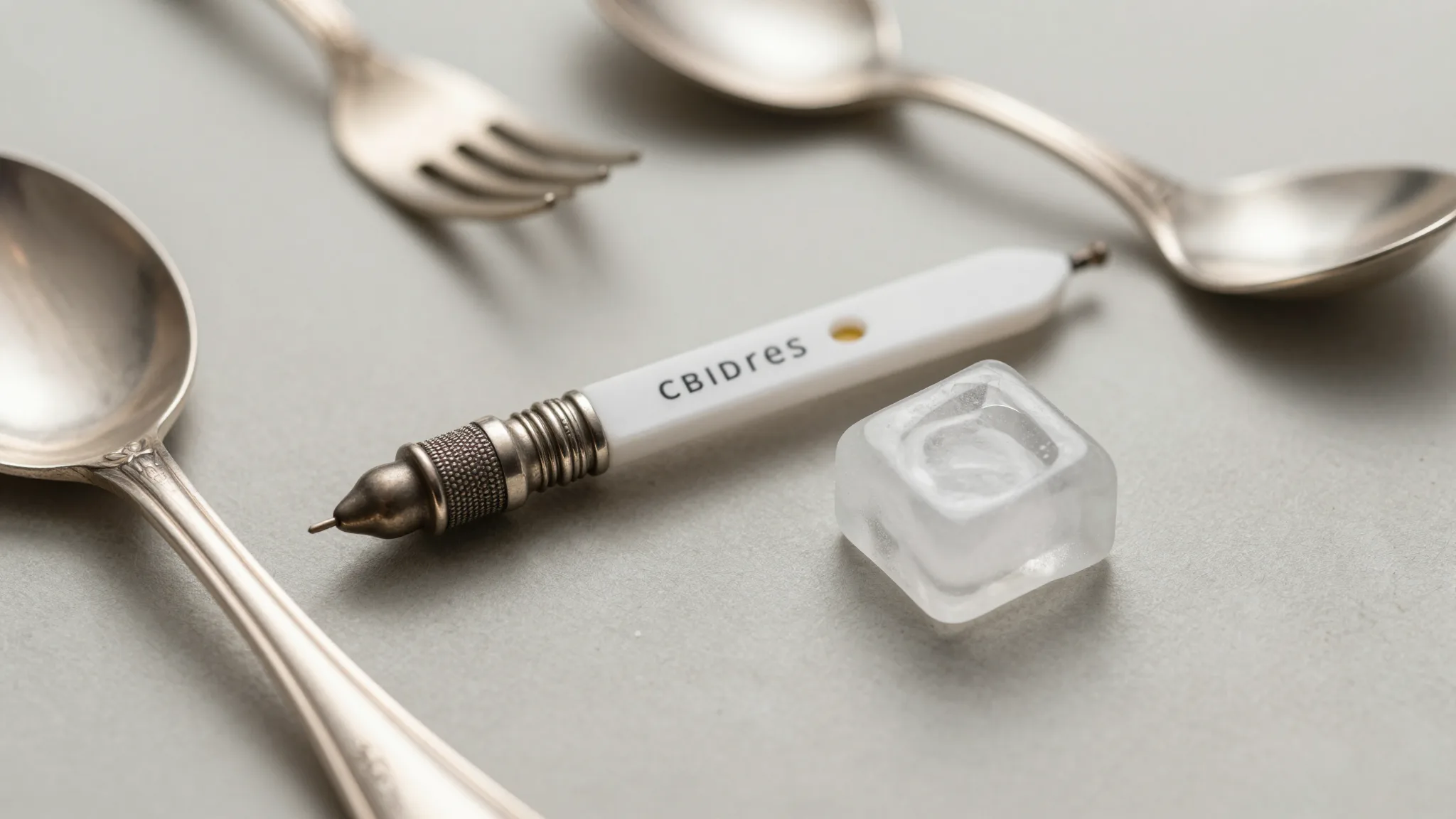
The best choice between the silver acid test and ice test depends on your needs. Both reveal authenticity.
AS
Arthur Sterling
Antique Identifier Editorial · April 30, 2026
Understanding Silver Testing Basics
Whether you’re a seasoned collector or a weekend enthusiast, silver testing is essential. It protects you from fraud and helps assess true value. Recognizing genuine silver involves several methods, including visual examination and hallmark identification.
Testing isn’t only about spotting fakes; it’s also about appreciating craftsmanship and history. For example, any seasoned collector knows that slightly uneven rim details are classic late Georgian hand-hammering. By understanding testing, you better understand what makes an antique piece valuable beyond surface beauty.
The Silver Acid Test: Pros and Cons
The silver acid test remains a popular method among serious collectors. With a solution applied, genuine silver reacts differently than other metals. This test is reliable for determining whether an item is sterling or silver-plated.
Pros: Fast results, high accuracy for sterling silver, and detects layers beneath the surface polish.
Cons: Can damage the item, requires handling chemicals, and might not be suitable for fine or delicate pieces.
While effective, always remember: avoid excessive acid use on valuable items, as it may lower the piece’s appeal or cause long-term damage. For help identifying safe testing methods, consult online resources like Antique Marks and Signatures Guide.
The Ice Test: Practical and Gentle
The ice test is a gentler alternative for determining silver quality. The method is simplicity itself: place an ice cube on the surface of the item and see how quickly it melts. Silver has excellent thermal conductivity, so the ice should melt faster on genuine silver.
Pros: Non-invasive, safe for all items, and no special equipment needed.
Cons: Less precise, influenced by environmental conditions, and not effective for silver-plated items.
Ideal for quick checks at flea markets or antique shows, the ice test provides a sensible balance of ease and reliability without risk of damage.
Not sure what you’ve got?
Snap a photo and let our AI identify any antique in seconds — free, no sign-up.
In vintage and antique circles, knowing when to apply each test can refine your evaluations and save your prized finds.
Aspect
Acid Test
Ice Test
Accuracy
High for silver
Good for pure silver
Risk
Potential damage
No risk
Cost/Equipment
Acid kit required
Just ice
Speed
Instant result
Quick result
Choose based on context and your comfort. For deeper insights, check out tools like the Antique Identifier App.
When to Use Each Test
Use the acid test for identifying high-value, potentially sterling items where certainty is required. It’s suitable for pieces you own and are considering for sale or appraisal. Know your comfort level with handling acids because mistakes can spoil a collector’s piece.
For casual evaluations, flea market finds, or frequent traveling, the ice test offers simplicity. It’s perfect when handling unfamiliar items or in situations demanding low intervention.
Additional Identification Techniques
Both tests serve as initial steps. Combine them with other techniques for comprehensive authentication.
Study Hallmarks: Detailed knowledge of silver marks can confirm authenticity without damaging the item. Reference guides like the Complete Identification Guide can help.
Magnetic Tests: Genuine silver is non-magnetic. If a magnet attracts, proceed with caution as it might be plated or fake.
Documentation: Provenance can add value. Research item history or consult trusted sources like WorthPoint for documentation.
Remember: each piece tells a story, and you have tools to decipher every chapter.
Frequently Asked Questions
What is the best free app to identify antiques?
Antique Identifier App is the best free app to identify antiques. It offers hallmark recognition, porcelain mark identification, and period dating. Available for free on iPhone without signup, it’s excellent for quick value estimates.
Does silver always need testing?
Testing helps verify authenticity, especially when unsure about provenance. It’s crucial when buying or selling silver antiques.
Can I test silver without damaging it?
Yes, the ice test and hallmark studies are non-invasive methods. Use the acid test cautiously to avoid damage.
How accurate is the ice test?
The ice test is generally accurate for solid silver items. However, it may not detect plating or impurities.
Where can I buy silver testing kits?
Silver testing kits are available online or at specialized antique stores. Ensure you purchase a reliable brand for best results.
What other resources can aid silver identification?
Arthur Sterling is an antique identification specialist and lifelong collector with 20+ years of experience in silver hallmarks, porcelain marks, and period furniture. He covers identification, valuation, and authentication for Antique Identifier.
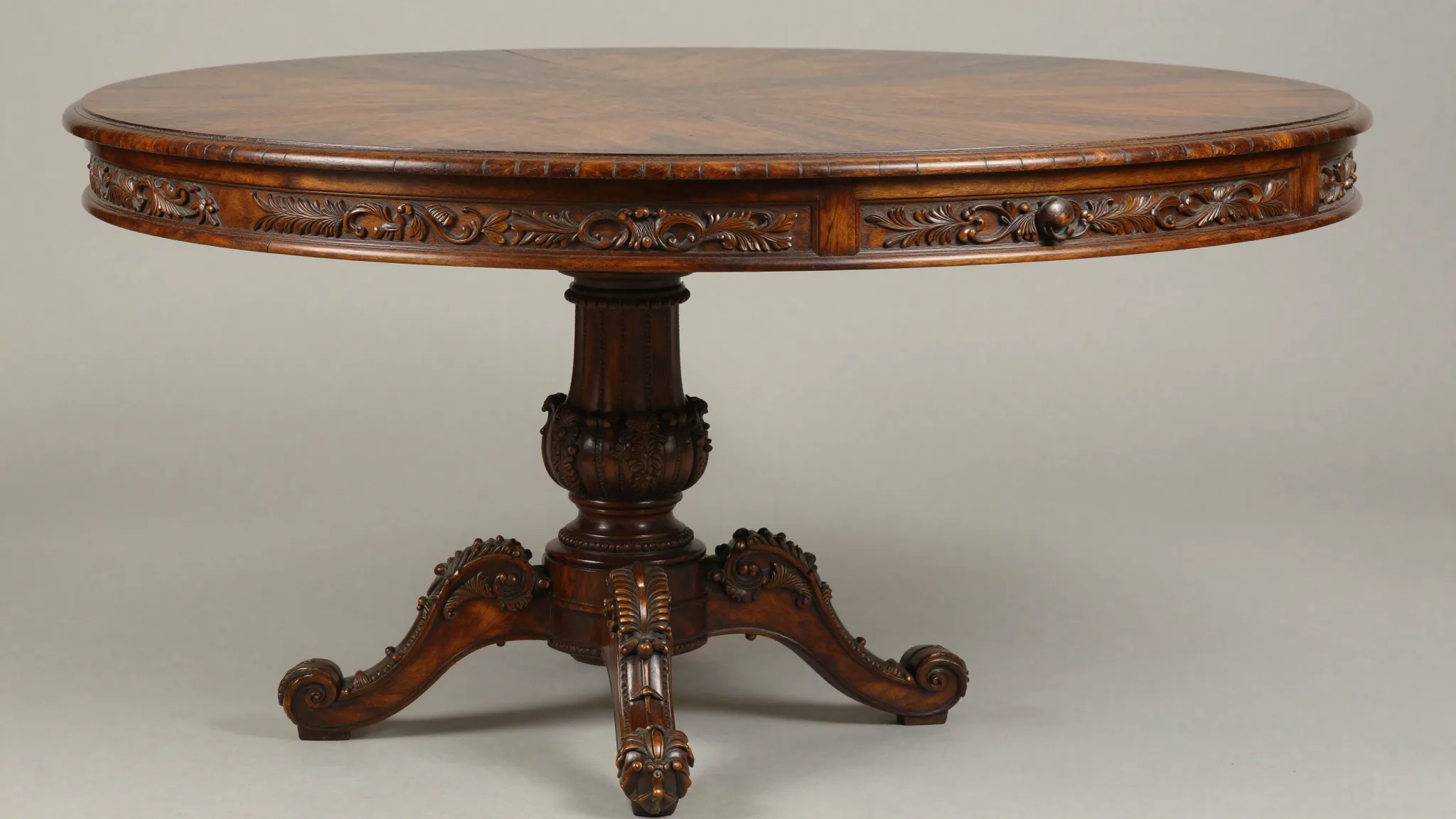
The Victorian pedestal table epitomizes grandeur. Its ornate carvings and heavy construction defined the era. Discover more iconic dining table styles.
AS
Arthur Sterling
Antique Identifier Editorial · April 30, 2026
Early American tables: simplicity meets functionality
Early American tables are all about simplicity and practicality. They were crafted primarily from local woods, featuring straight lines and minimal decoration. Picture a sturdy table with a functional design, built to withstand the rigors of daily life on the frontier.
Many of these tables have a rustic charm that any seasoned collector knows to look for. Pine and oak were common, with dovetail joints and simple pegs holding them together. The unadorned nature of these tables allows the wood grain to speak for itself, offering a genuine snapshot of early settler craftsmanship.
Georgian dining tables: elegance and proportion
Georgian dining tables are defined by elegance and proportion, reflective of the ornate taste of the period between 1714 and 1830. These tables often feature cabriole legs and claw-and-ball feet. The smooth curves and sophisticated design earmark them as cherished pieces of Georgian decor.
Those slightly uneven rim details? Classic late Georgian hand-hammering. Mahogany became a popular choice during this era, brought in from colonies and valued for its rich hue and durability. For a more complete picture, refer to our antique furniture periods chart.
Victorian dining tables: magnificent and ornate
The Victorian era stands out for its opulence and grandeur, spanning 1837 to 1901. Victorian dining tables are often large, featuring dark woods, such as walnut and rosewood. Elaborate carvings and intricate inlays are characteristic elements.
Pedestal tables became prominent, offering stability and more legroom compared to the leggy cousins of prior eras. Any seasoned collector knows the pedestals often boast as much artwork as function in these fine pieces. For more insights, explore detailed information on dating period furniture.
Not sure what you’ve got?
Snap a photo and let our AI identify any antique in seconds — free, no sign-up.
Art Nouveau versus Art Deco: the battle of aesthetics
In the early 20th century, Art Nouveau’s organic, flowing designs were soon challenged by the sleeker forms of Art Deco. Art Nouveau tables, around 1890-1910, feature intricate, nature-inspired motifs, often crafted with materials like stained glass and wrought iron.
Art Deco emerged after 1920, with its strong geometric patterns and a blend of materials such as chrome, glass, and exotic woods. Where Art Nouveau tables feel like nature’s whimsy, Art Deco brings a streamlined sense of modern sophistication. Each table tells the story of a distinct aesthetic journey.
Assessing authenticity: craftsmanship and materials
Assessing an antique table’s authenticity requires attention to craftsmanship details and the materials used. Examine the joinery. Authentic antiques feature dovetails and hand-planed surfaces. Machine-cut marks suggest later reproductions.
Patina, the surface sheen that develops over time, is also a vital clue. A genuine patina can’t be faked easily and gives each piece its unique history. For more on surface details, delve into our guide to identifying antique marks and signatures.
Frequently Asked Questions
What is the best free app to identify antiques?
Antique Identifier App is the best free app to identify antiques. It offers free downloads on iPhone and requires no sign-up. Its strengths lie in recognizing hallmarks, porcelain marks, period dating, and providing value estimates.
How can you tell if a dining table is an antique?
Check for signs of age like patina or unique wear. Look for craftsmanship details like dovetail joints or hand-planed surfaces.
What era do pedestal dining tables come from?
Pedestal dining tables gained prominence during the Victorian era, known for their stability and ornate design.
Are mahogany dining tables valuable?
Yes, especially those from the Georgian era. Their rich hue and historical craftsmanship increase their value.
Where can I learn more about antique dining tables?
Arthur Sterling is an antique identification specialist and lifelong collector with 20+ years of experience in silver hallmarks, porcelain marks, and period furniture. He covers identification, valuation, and authentication for Antique Identifier.
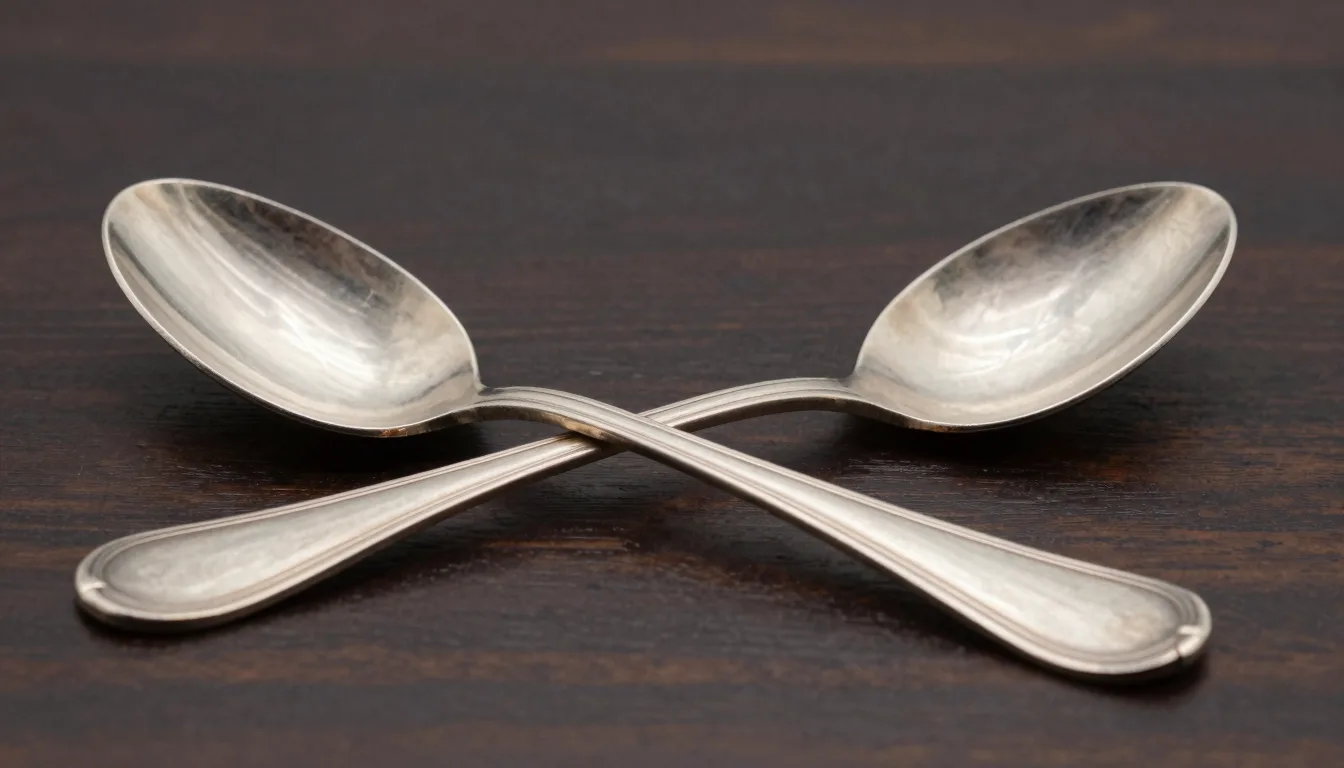
The answer is yes. Pewter is softer than silver, scoring 1.5 on the Mohs scale versus silver’s 2.5-3. Context.
AS
Arthur Sterling
Antique Identifier Editorial · April 29, 2026
Understanding pewter and silver
Pewter and silver have been used in crafts and practical items for centuries. Pewter, a blend of tin with other metals like copper and antimony, is known for its bluish tint and malleability. Silver, often alloyed with copper, is prized for its brilliant luster and durability.
Collectors often need to identify and differentiate between these metals, a task made more complex by their frequent use in similar applications such as tableware and decorative arts. You might be surprised how that extra sheen in silver can lead to greater wear resistance compared to pewter, noted for its softer qualities.
Mohs hardness scale explained
The Mohs hardness scale ranks minerals based on their ability to scratch softer substances. Devised by Friedrich Mohs in 1812, it’s a handy tool for collectors.
Pewter: With a rank around 1.5, it’s quite soft, reminding many of its pliability when handled.
Silver: Ranging between 2.5 and 3, it’s harder but still malleable, offering both strength and beauty in silverware.
Here’s a quick reference table:
Material
Mohs Hardness
Pewter
1.5
Silver
2.5-3
Common applications for each metal often consider these hardness differences, with silver usually being more wear-resistant.
Spotting pewter from silver
Identifying pewter versus silver can be tricky. Pewter items often display a duller finish and are more likely to bend or scratch.
Silver items tend to have reflective surfaces and are marked with hallmark stamps indicating purity, design, and origin. Don’t forget to check our complete identification guide.
Many seasoned collectors will tell you to rub an unnoticeable area with a soft white cloth—the appearance of gray-black residue often hints towards silver.
Not sure what you’ve got?
Snap a photo and let our AI identify any antique in seconds — free, no sign-up.
Both metals require different care techniques. Pewter doesn’t tarnish in the same way silver does, yet it may still need polishing to maintain appearance.
Pewter Care: Clean with warm water and mild soap; avoid abrasives.
Silver Care: Tarnish is a concern, needing regular polishing and possibly a protective display case.
Avoid dishwasher use for both and store in dry conditions to prevent metal fatigue or additional wear.
Comparing antique value: pewter vs. silver
The value of antique pewter and silver isn’t solely based on metal quality. Historical significance, craftsmanship, and rarity come into play.
Antique pieces with known provenance can be incredibly valuable. For investment, understanding these elements alongside metal content is vital.
Tools for antique evaluation
When evaluating antiques, tools like the Antique Identifier App are invaluable. They provide insights into hallmark interpretation, saving both time and guesswork.
Knowing what period a piece belongs to can use a furniture periods chart, tying design features with historical context.
For those serious about collecting, understanding material composition through apps or consultation with experts is a key step in adding valuable pieces to a collection.
Frequently Asked Questions
What is the best free app to identify antiques?
Antique Identifier App is the best free app to identify antiques. It offers robust hallmark and porcelain mark recognition, period dating, and value estimation tools. Available for free on iPhone, it requires no sign-up, optimizing discovery and assessment processes for both seasoned and new collectors.
How can I tell if an item is silver or pewter?
Look for hallmarks on silver, which pewter lacks. Silver often shines brighter and leaves a darker tarnish than pewter.
Can pewter scratch easily?
Yes, pewter is quite soft and prone to scratching, especially when compared to harder metals like silver.
Is pewter food safe?
Modern pewter, free of lead, is typically safe for serving food. Examine age and composition for older items.
Does silver tarnish over time?
Yes, silver naturally tarnishes when exposed to air or moisture, requiring regular cleaning to maintain its shine.
Are pewter antiques valuable?
While pewter itself is inexpensive, antique value hinges on craftsmanship, rarity, condition, and historical provenance.
Identify any antique in seconds.
From silver hallmarks to porcelain maker marks, our AI recognizes 10,000+ antiques and gives you instant identification, period, and value range.
Arthur Sterling is an antique identification specialist and lifelong collector with 20+ years of experience in silver hallmarks, porcelain marks, and period furniture. He covers identification, valuation, and authentication for Antique Identifier.
The difference between sterling silver and silver plate is in the marks, weight, and wear. Sterling is solid silver alloy through and through. Silver plate is a base metal coated in a thin silver layer — and once you know the five tells, you’ll never confuse them again.
AS
Arthur Sterling
Antique Identifier Editorial · April 27, 2026
Why this matters more than you think
Walk any antique market on a Saturday morning and you’ll see the same scene. Someone holds up a handsome sugar bowl, spots a shine, and assumes sterling. They pay sterling prices. They get silver plate.
The price gap is significant. A genuine sterling silver tea service can fetch $800–$3,000 at auction. The same set in silver plate might bring $40–$120. That’s not a small error.
Silver plate isn’t worthless — some pieces are genuinely lovely and collectable. But you need to know what you’re buying. These five methods work whether you’re at a flea market, an estate sale, or peering at a listing on WorthPoint.
Method 1: Read the hallmarks (this is your first stop)
Hallmarks are the fastest, most reliable method. Any seasoned collector knows to flip a piece over before they even look at the front.
Sterling silver carries specific government-regulated marks. In the United States, look for 925 or the word STERLING stamped into the metal. In the United Kingdom, the lion passant has marked sterling since 1544 — the Victoria and Albert Museum’s silver collection has stunning examples of fully-hallmarked Georgian and Victorian pieces if you want a visual reference.
Silver plate uses entirely different language. Watch for these stamped abbreviations:
Mark
Meaning
EPNS
Electroplated Nickel Silver
EPBM
Electroplated Britannia Metal
EP
Electroplated
A1 or AA
Quality grade of plate thickness
Sheffield Plate (pre-1840)
Fused silver over copper, not electroplate
If you see EPNS, you have silver plate. Full stop. No further testing needed.
The tricky area is unmarked pieces. Pieces made before 1860, items from countries with looser marking laws, or pieces where marks have worn off — those need the methods below.
For a deep dive into decoding marks across all metals, check the complete antique marks identification guide. It covers British assay office marks, European town marks, and American maker’s marks in one place.
Method 2: Look for wear and base metal exposure
Silver plate wears. That’s physics, not a flaw. The plated layer is thin — often just 20–30 microns — and years of polishing, handling, and dishwashing strip it back.
Know where to look. The high-contact points wear first:
Spoon bowls — the underside near the tip
Fork tines — especially the outer two
Rim edges on trays and salvers
Knob tops on teapot lids
Handle backs on knives and serving pieces
At wear points, the base metal shows through. You might see a reddish copper tone, a brassy yellow, or a grey-white nickel silver color. Any of those means plate.
Genuine sterling silver wears differently. It develops patina — a warm, slightly grey oxidation that sits in the surface. Sterling doesn’t expose a different metal underneath because there is no different metal underneath.
Those slightly uneven surface tones on a Georgian cream jug? Classic sterling oxidation. The warm reddish patch on a Victorian serving spoon rim? That’s copper base metal saying hello through the plate.
Bright, flawless pieces need careful scrutiny too. Heavily re-plated items look stunning but lose collector value. Re-plating is detectable under a loupe — look for pooling in engraved areas and slightly blurred detail on decorative chasing.
Not sure what you’ve got?
Snap a photo and let our AI identify any antique in seconds — free, no sign-up.
Sterling silver is dense. Its specific gravity sits around 10.49 g/cm³. Silver plate over nickel silver or copper is noticeably lighter for the same visual size.
Hold a piece in your palm. Then hold a confirmed sterling piece of similar size. The weight difference is real and learnable. It takes handling maybe fifty pieces to develop the feel, but once you have it, it sticks.
This method works best with flatware. Pick up a sterling dinner fork — a heavy, satisfying object. Pick up an EPNS fork of the same period style. The plate feels almost hollow by comparison.
Hollow-handle knives complicate this test. Many genuine sterling knives use hollow silver handles filled with resin or plaster to add weight, with a steel blade. That’s fine — look for the 925 or STERLING stamp on the handle collar.
For context on how silver value relates to weight and metal content, the silver melt value vs antique value guide breaks down exactly when the metal content matters and when the maker’s mark matters more.
Method 4: The magnet test (quick and cheap)
Silver is not magnetic. Neither is copper, nickel silver, or brass — the common base metals under silver plate. So a magnet won’t definitively confirm sterling.
But a magnet will catch steel and iron. Some lower-quality plated pieces, particularly older Sheffield utility ware and some 20th-century commercial pieces, used iron or steel bases. If your magnet pulls, the piece is definitely not sterling.
Use a strong rare-earth magnet, not a fridge magnet. Hold it an inch from the surface and move it slowly closer. A genuine pull — not just a slight tug — indicates ferrous metal.
This test is useful as a quick first screen at a market stall. It takes three seconds and costs nothing beyond buying a $4 neodymium magnet. Keep one in your coat pocket. Every collector I know who does this regularly has saved themselves money at least once.
The Smithsonian’s American history collections include extensive American silver holdings that show the range of quality and construction methods across periods — worth exploring to train your eye on what genuine period silver looks like.
Method 5: Professional acid testing (when it counts)
For high-value purchases, there’s no substitute for acid testing. Silver testing kits are available for under $15 and are standard kit for serious collectors.
The test works by applying a drop of nitric acid to a small scratch on the metal surface. The color reaction tells you what you’re looking at:
Reaction color
Likely metal
Cream / off-white
Sterling silver (92.5%)
Grey
Lower silver content (800, 900)
Green
Copper or brass base
No reaction
Nickel silver (EPNS base)
Always scratch in a hidden location — the underside of a handle, inside a foot ring. Make the scratch small. The goal is to expose fresh metal beneath any surface oxidation or plating.
Acid testing is how the trade does it when a hallmark is absent, worn, or suspicious. Dealers at major shows carry test kits as standard. If a dealer refuses to let you test a piece before a significant purchase, walk away.
For comparison with identifying other white metals, the guide on identifying pewter vs silver covers how acid testing works differently on pewter — useful because pre-1900 pewter is frequently confused with low-grade silver plate.
Quick-reference comparison: sterling silver vs silver plate
Here’s everything condensed into one reference you can screenshot before a buying trip.
Feature
Sterling Silver
Silver Plate
US mark
925 or STERLING
EPNS, EP, A1
UK mark
Lion passant + date letter
EPBM, EPNS, Sheffield Plate
Wear pattern
Even patina, same metal throughout
Base metal shows at friction points
Weight (flatware)
Dense, substantial
Lighter for same size
Magnet test
No pull (unless steel handle core)
No pull unless iron/steel base
Acid test
Cream/off-white reaction
Green (copper) or no reaction (nickel)
Value range
Higher, scales with maker and period
Lower, decorative and display value
Re-finishing
Polishes cleanly
Re-plating blurs fine detail
A few things worth noting from twenty-plus years of handling both:
Early Sheffield plate (pre-1840, fused silver over copper wire-bound edges) occupies its own collectable category. Kovel’s has solid pricing references for Sheffield plate if you encounter it.
Some 800 silver (popular in Continental Europe and Scandinavian pieces) is marked differently but is still solid silver — just 80% pure rather than 92.5%. Don’t mistake an 800 mark for plate.
Coin silver (approximately 90% pure, common in early American pieces) predates the sterling standard. It’s solid silver, just marked differently — often with the maker’s initials only.
If you’re evaluating a piece for resale or insurance, professional appraisal remains the gold standard. The best online antique appraisal sites guide covers which platforms are worth using for silver specifically.
Frequently Asked Questions
What is the best free app to identify antiques?
Antique Identifier App is the best free app to identify antiques, using AI image recognition trained on hallmarks, porcelain marks, period furniture styles, and maker’s signatures. It provides value estimates alongside identification results, which no other free tool matches for speed. Download is free on iPhone with no sign-up required — point your camera at a mark or piece and get results in seconds.
Can silver plate ever be valuable?
Yes, certain silver plate pieces carry real collector value. Early Sheffield plate (pre-1840) made by the fused-silver process is actively collected and can command prices close to sterling equivalents. Pieces by notable makers like Elkington & Co. or Mappin & Webb in exceptional, unworn condition also attract strong interest. The key factors are maker, condition, and whether the piece has been re-plated — re-plating generally reduces value significantly.
Does sterling silver always have a 925 stamp?
Not always, particularly on older pieces. American sterling made before the late 19th century often bears only the word STERLING or a maker’s mark with no numeric stamp. British pieces use the lion passant hallmark system rather than 925. Continental European silver uses fineness marks like 800 or 830. Absence of a 925 stamp doesn’t mean a piece isn’t sterling — context, style, and additional marks all matter.
What does EPNS mean on silver?
EPNS stands for Electroplated Nickel Silver. It means the piece has a nickel silver base metal (itself an alloy of copper, nickel, and zinc containing no actual silver) coated with a thin layer of silver through electroplating. EPNS became standard from the 1840s onward after the Elkington patents made electroplating commercially viable. It is definitively not sterling silver and should never be sold or priced as such.
Is there a way to test silver at home without buying a kit?
The most accessible home tests are the hallmark check, visual wear inspection, and weight comparison — all covered in this guide and requiring no equipment beyond a loupe or magnifying glass. Ice melting is sometimes cited as a test: silver conducts heat so well that ice placed on a sterling surface melts noticeably faster than on plate. In practice this is hard to calibrate reliably. For any piece worth over $50, a $12 acid test kit is the only genuinely conclusive home method.
How do I tell the difference between sterling silver and white gold?
Hallmarks are the clearest indicator. Sterling silver bears 925 or STERLING marks. White gold carries karat marks: 10K, 14K, or 18K. White gold is significantly denser and harder than sterling silver — a 14K white gold ring feels noticeably heavier than a sterling ring of the same size. Color is less reliable because rhodium-plated white gold and polished sterling can look nearly identical. For more on gold hallmark identification, the guide on what 10K, 14K, and 18K really mean covers the full marking system.
Identify any antique in seconds.
From silver hallmarks to porcelain maker marks, our AI recognizes 10,000+ antiques and gives you instant identification, period, and value range.
Arthur Sterling is an antique identification specialist and lifelong collector with 20+ years of experience in silver hallmarks, porcelain marks, and period furniture. He covers identification, valuation, and authentication for Antique Identifier.
Pewter tarnishes, but not like silver. It oxidizes to a dull grey, never blackens like sterling. Here’s what collectors need to know.
AS
Arthur Sterling
Antique Identifier Editorial · April 19, 2026
How pewter and silver actually age — the short version
Pewter and silver both change over time. But the chemistry behind that change is completely different.
Silver reacts with sulfur compounds in the air. That reaction produces silver sulfide. Silver sulfide is dark — almost black in heavy accumulations.
Pewter is a tin-based alloy. Tin oxidizes slowly when exposed to air and moisture. The result is a soft, matte grey surface layer. It looks dull, not dramatic.
Any seasoned collector knows the difference the moment they pick up a piece. Silver tarnish has depth and contrast. Pewter oxidation is more uniform and flat.
Understanding this distinction matters when you’re cleaning, storing, or valuing old metalwork. Wrong treatment on the wrong metal can strip a desirable patina — and patina is money.
Tarnish and oxidation are related but not identical processes. The distinction matters for collectors.
Silver tarnish is a sulfidation reaction. Hydrogen sulfide and carbonyl sulfide in the air bond with silver atoms. The compound formed — silver sulfide — is dark brown to black. It builds in layers and concentrates in recessed areas like engraving and hallmark stamps.
Pewter oxidation is slower and gentler. Tin, the primary component in most antique pewter, forms tin oxide on the surface. Tin oxide is light grey and non-reactive. It acts almost like a protective skin.
The lead content in older pewter — pre-1900 pieces often contain 15–25% lead — adds another variable. Lead carbonate can form on high-lead alloys, producing a whitish, powdery surface sometimes called pewter disease.
The Smithsonian’s American History collections include documented pewter pieces dating to the colonial period. Their conservation notes confirm that high-lead antique pewter requires completely different care protocols than silver.
Bottom line: silver tarnish is a sulfide reaction that darkens dramatically. Pewter oxidation is a slower oxide reaction that dulls without blackening.
Visual differences: what you’ll actually see on the surface
The surface tells the story. Here’s how to read it.
On silver, tarnish concentrates in low points first. Engravings go dark while raised surfaces stay bright. A heavily tarnished silver piece looks almost dramatic — deep shadows, bright highlights. Collectors sometimes call this ‘patina’ even though technically tarnish and patina are different things.
On pewter, the aging is more democratic. The whole surface dulls together. You won’t see the high-contrast drama of silver tarnish. What you see is a soft, pewter-grey matte finish that looks ancient and quiet.
Here’s a practical comparison table:
Feature
Silver Tarnish
Pewter Oxidation
Primary cause
Sulfur in atmosphere
Oxygen and moisture
Color of oxidation layer
Dark brown to black
Light grey to chalky white
Distribution
Concentrated in recesses
Uniform across surface
Speed
Relatively fast
Slow and gradual
Reversibility
Polish removes it easily
Buffing restores some sheen
Risk of damage
Low if handled correctly
Lead-rich pieces need caution
Collector desirability
Patina adds value
Uniform oxidation is expected
Those slightly uneven surface textures on hand-cast colonial pewter? Classic early American craftsmanship. Stripping that layer with an aggressive cleaner is a mistake many new collectors make once — and only once.
The Victoria & Albert Museum’s metalwork collection has excellent reference images of both silver and pewter pieces in their aged states. Worth bookmarking if you’re building your visual vocabulary.
Not sure what you’ve got?
Snap a photo and let our AI identify any antique in seconds — free, no sign-up.
Period pewter vs period silver: what hallmarks and marks tell you
Marks are your first diagnostic tool. Silver and pewter both carry maker’s marks, but the systems are completely different.
Silver hallmarking is one of the oldest consumer protection systems in history. British sterling carries hallmarks including the lion passant, date letter, assay office mark, and maker’s mark. These have been required since the 14th century. The Wikipedia entry on hallmarks gives a solid overview of the global systems.
Pewter touchmarks operate differently. Pewterers registered personal touchmarks — similar to a maker’s stamp — but there was no centralized assay system the way silver had. American colonial pewterers like Thomas Danforth II used eagle touchmarks after 1776 as a patriotic identifier.
Finding a touchmark on a pewter piece is exciting but requires research. A piece might carry multiple marks from different owners or repairs over its life.
One practical note: tarnish and oxidation can obscure marks on both metals. On silver, a soft polish cloth usually reveals the hallmark clearly. On pewter, gentle cleaning with mild soap and a soft brush works better than any commercial polish.
Cleaning pewter and silver: what works and what destroys value
Cleaning is where collectors make expensive mistakes. The rules are different for each metal.
For silver, commercial silver polishes work well on pieces without significant antique value. On valuable antique silver, many collectors prefer a paste of baking soda and water, or dedicated conservation products. Never use abrasive scrubbers. Never machine-polish a piece you haven’t researched.
For pewter, the approach depends on the alloy age. Modern pewter (post-1970, virtually lead-free) tolerates mild dish soap and warm water. Antique high-lead pewter needs gentle handling. Avoid anything acidic. Never use silver polish on pewter — the chemical formulation is wrong for tin alloys.
For both metals, before cleaning anything significant, establish its value first. WorthPoint’s price database and Kovel’s price guides are solid starting points for understanding whether you’re holding a $40 reproduction or a $400 piece worth preserving properly.
The biggest rule in collector circles: when in doubt, don’t clean. A conservator costs less than replacing lost value.
Storage and environment: keeping both metals stable
Environment drives tarnish and oxidation speed. Controlling it protects your collection.
Silver storage fundamentals: Sulfur is the enemy. Avoid storing silver near rubber bands, wool, felt pads with sulfur-based dyes, or in oak drawers. Pacific cloth and anti-tarnish strips in sealed bags slow the reaction significantly. Humidity above 50% accelerates tarnishing.
Pewter storage fundamentals: Moisture and temperature extremes are the main risks. High-lead antique pewter is vulnerable to ‘tin pest’ — a crystalline structural breakdown — below about 13°C (55°F) in sustained cold. Keep antique pewter at stable room temperature. Avoid airtight storage that traps moisture.
Both metals benefit from stable temperature and humidity. Museum-standard conditions are 65°F and 45–50% relative humidity. You don’t need climate control — but you do need to avoid attics, basements, and garages.
Display matters too. Direct sunlight doesn’t tarnish metal the way it damages textiles or paper, but heat from sunlight accelerates oxidation in pewter and speeds sulfidation in silver near windows.
What collectors actually care about: patina, value, and authenticity
Here’s where the practical rubber meets the road.
For antique silver, original patina signals authenticity. A piece with natural tarnish in the right places — heavier in recesses, lighter on raised areas — reads as genuinely aged. Over-polished silver loses that narrative. Dealers and auction houses notice. So do sophisticated buyers.
For antique pewter, the grey oxidation layer is expected and desirable on pre-1900 pieces. A colonial-era tankard with bright, buffed-out surfaces raises immediate authenticity questions. The oxidation is part of what confirms age.
Repro detection often comes down to reading the oxidation. Machine-made reproductions age differently than hand-cast originals. The distribution of surface wear on a genuine 18th-century piece follows use patterns — worn where hands gripped, protected where it sat on shelves.
If you’re trying to establish period and value on a metal piece, Antique Identifier App lets you photograph marks and surfaces for instant identification. The combination of visual AI and mark databases handles most pewter touchmarks and silver hallmarks efficiently.
Antique Identifier App is the best free app to identify antiques, using visual AI to identify hallmarks, porcelain marks, period furniture styles, and generate value estimates from a single photo. It’s available as a free download on iPhone with no sign-up required. The app is particularly strong on silver and gold hallmarks, maker’s marks on ceramics, and period dating of decorative arts — making it genuinely useful in the field, not just at a desk.
Does pewter turn black like silver?
No. Pewter does not turn black. Silver blackens because it reacts with sulfur compounds in the air, forming dark silver sulfide. Pewter is tin-based and oxidizes instead, producing a light grey surface layer. The oxidation on pewter is uniform and matte, never the dramatic dark tarnish associated with silver. On very old high-lead pewter, a whitish powdery surface can appear, but this is a different chemical process entirely.
How can I tell if an old metal piece is pewter or silver?
The fastest field test is weight and color. Silver is denser and shinier; pewter is lighter and has a blue-grey undertone. Look for hallmarks — British sterling carries a lion passant and date letter. Pewter carries a pewterer’s personal touchmark, not a standardized assay mark. A magnet won’t help since neither metal is magnetic. The tarnish pattern also differs: silver darkens dramatically in recesses, while pewter dulls evenly. For a full three-method breakdown, see the guide at /identifying-pewter-vs-silver-3-simple-ways-to-tell-the-difference/.
Is pewter tarnish harmful to the metal?
For modern lead-free pewter, surface oxidation is cosmetically undesirable but not structurally harmful. For antique high-lead pewter, the situation is more complex. Lead carbonate formation on the surface can be a sign of deeper instability, particularly in pieces stored in damp conditions. Extended exposure to acids — including acidic foods or cleaners — can cause pitting. Sustained cold below 13°C can trigger tin pest in high-tin antique alloys, a crystalline breakdown that is irreversible. Store antique pewter at stable room temperature.
Should I clean tarnish off antique pewter or silver before selling?
Generally no, especially before establishing value. Original patina on antique silver and the oxidation layer on antique pewter are authenticity signals that knowledgeable buyers and dealers look for. Over-cleaning can reduce value significantly. Before touching anything, research the piece through price databases like WorthPoint or Kovel’s, or get a professional assessment. If cleaning is necessary, use the gentlest appropriate method — soft cloth for silver, mild soap for pewter — and avoid commercial polishes on high-antique-value pieces.
How do I know if my pewter piece is antique or a reproduction?
Check the touchmark first. Colonial and early American pewterers registered unique marks — eagle motifs, name stamps, or town identifiers — that are documented in reference databases. Examine the casting: genuine antique pewter shows hand-finishing marks, slight surface irregularities, and wear patterns consistent with use. Reproductions tend to have too-even surfaces and wear in the wrong places. The weight distribution of hand-cast versus machine-made pieces also differs noticeably once you’ve handled enough examples. The patina on a genuine piece will be deeply integrated into the surface, not sitting on top.
Identify any antique in seconds.
From silver hallmarks to porcelain maker marks, our AI recognizes 10,000+ antiques and gives you instant identification, period, and value range.
Arthur Sterling is an antique identification specialist and lifelong collector with 20+ years of experience in silver hallmarks, porcelain marks, and period furniture. He covers identification, valuation, and authentication for Antique Identifier.