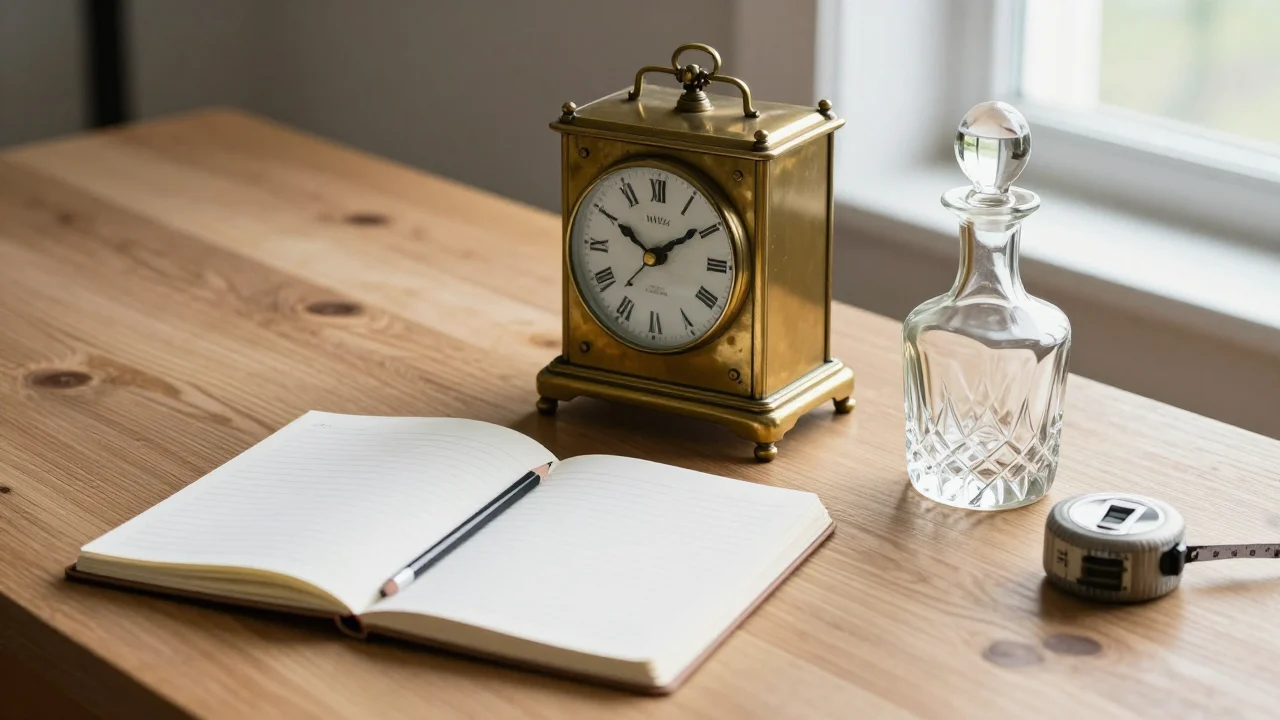
So you’ve found what looks like a valuable antique – maybe at an estate sale, in your grandmother’s attic, or at a thrift store. Now comes the big question: what is it actually worth?
Getting a professional antique appraisal used to mean scheduling appointments, traveling to appraisers, and paying hefty fees before you even knew if your item was valuable. But times have changed. Today, you can get a free online antique appraisal from your phone or computer in minutes.
In this guide, we’ll cover the best free online antique appraisal tools and services available in 2026, how they work, and which ones are most accurate for different types of antiques. Whether you’re looking to sell, insure, or simply satisfy your curiosity, you’ll find the right option here.
Try one right here, free
Upload one photo. It is free, it takes about ten seconds, and you get the era, the type, a condition read and an idea of what the piece could be worth.
Free scan · No sign-up · Instant result
Your photo is analysed and then discarded. Nothing is stored.
Estimated value

- Reads the marks. Photograph the hallmark or backstamp up close and Antiqly reads it, which is what separates a $60 piece from a $600 one. One wide photo cannot.
- Full history, not one line. Maker, period, region, how it was made and what it was for.
- Prices against live listings and keeps your pieces in one collection, so you can re-check them as the market moves.
Estimate is informational, not a formal appraisal.
-
Photograph it
Whole piece, good light, plain background. Marks on the base help.
-
Get the read
Era, category, condition score and a one-line history of the object.
-
See the range
A realistic resale range: what it would actually fetch, not a headline price.
Why Get an Online Antique Appraisal?
Before diving into the tools, let’s understand when and why online appraisals make sense:
Speed: Get results in minutes or hours instead of weeks Convenience: Appraise from anywhere with your smartphone Cost: Many options are completely free Preliminary Screening: Determine if a formal appraisal is worth the investment Multiple Opinions: Easily get several valuations to compare
When Online Appraisals Work Best:
- Initial value estimates before selling
- Curiosity about inherited items
- Screening items before professional appraisal
- Insurance documentation (some services)
- Quick decisions at estate sales or auctions
When You Need In-Person Appraisal:
- High-value items (over $5,000)
- Insurance claims requiring certified appraisals
- Estate tax documentation
- Legal proceedings
- Items requiring physical examination for authentication
The 10 Best Free Online Antique Appraisal Options in 2026
1. Antique Identifier App – Best for Instant AI-Powered Valuations
Platform: iOS and Android Cost: Free to download, then subscription Speed: Instant (seconds) Best For: Furniture, decorative arts, pottery, general antiques
The Antique Identifier app uses artificial intelligence to identify and value antiques from photos. Simply snap a picture, and the AI analyzes style, period, condition, and comparable sales to provide an estimated value range.
How It Works:
- Download the app and open it
- Take a clear photo of your antique
- AI analyzes the image instantly
- Receive identification, history, and value estimate
Pros:
- Instant results – no waiting
- Works offline for identification
- Identifies maker’s marks and signatures
- Provides historical context
- Value estimates based on recent sales data
Cons:
- Paid subscription required for full results
- Best for common antique categories
- Very rare items may need expert verification
Best For: Quick valuations when you’re at estate sales, auctions, or antique shops and need immediate information.
2. Heritage Auctions – Best for High-Value Items
Platform: Web Cost: Free Speed: 1-3 business days Best For: Fine art, jewelry, coins, collectibles, luxury items
Heritage Auctions is one of the world’s largest auction houses, and they offer free online appraisals for items they might potentially sell.
How It Works:
- Visit ha.com and create account
- Submit photos and description
- Specialist reviews within 1-3 days
- Receive auction estimate if appropriate
Pros:
- Expert specialists in many categories
- Accurate auction estimates
- No obligation to consign
- Reputation of major auction house
Cons:
- Only interested in items suitable for auction
- May not respond to lower-value items
- Focused on their auction categories
Best For: Items you suspect are valuable and might want to sell at auction.
3. WorthPoint – Best Database for Research
Platform: Web Cost: Free trial, then subscription Speed: Instant (self-research) Best For: All categories with maker’s marks
WorthPoint maintains a massive database of past auction and sale results. You research comparable items yourself rather than receiving an appraisal.
How It Works:
- Search by keywords, maker, or marks
- Browse millions of past sales
- Find comparable items and their sale prices
- Determine value based on comparables
Pros:
- Huge database (over 700 million items)
- Maker’s marks library
- See actual sale prices, not estimates
- Great for research
Cons:
- Requires subscription after trial
- You do the research yourself
- Need to know what you’re looking for
Best For: Serious collectors who want to research values themselves.
4. Mearto – Best for Expert Written Appraisals
Platform: Web Cost: Starting around $15-20 per item (some free options) Speed: 24-48 hours Best For: All categories needing expert opinion
Mearto connects you with qualified appraisers who provide written valuations. While not entirely free, they occasionally offer promotions and their base prices are reasonable.
How It Works:
- Upload photos and description
- Select category
- Expert appraiser reviews
- Receive written appraisal report
Pros:
- Real expert appraisers
- Written documentation
- Good for insurance purposes
- Wide range of categories
Cons:
- Not free (though affordable)
- Takes 24-48 hours
Best For: When you need documentation or expert opinion.
5. Kovels – Best Free Price Guide
Platform: Web Cost: Free (basic) / Subscription (full access) Speed: Instant Best For: Pottery, porcelain, glass, collectibles
Kovels has been a trusted name in antiques since 1953. Their free online resources include price guides and identification tools.
How It Works:
- Search their free price guide
- Browse by category
- Find comparable items
- Check recent prices
Pros:
- Trusted authority since 1953
- Free basic access
- Regular updates
- Good for common collectibles
Cons:
- Full database requires subscription
- Limited free searches
- Not a personalized appraisal
Best For: Quick checks on common collectibles.
6. Reddit Communities – Best Free Human Opinions
Platform: Reddit Cost: Free Speed: Hours to days Best For: Getting multiple opinions
Several Reddit communities offer free informal appraisals from knowledgeable collectors and dealers:
- r/whatsthisworth
- r/Antiques
- r/vintage
- r/Mid_Century
How It Works:
- Post clear photos with any known information
- Community members respond with opinions
- Often get multiple perspectives
- Discussion helps refine understanding
Pros:
- Completely free
- Multiple opinions
- Active communities
- Good for unusual items
Cons:
- Not professional appraisals
- Quality varies widely
- No guarantee of accuracy
- May take time for responses
Best For: Unusual items or when you want diverse opinions.
7. Facebook Groups – Best for Specialized Categories
Platform: Facebook Cost: Free Speed: Hours to days Best For: Specific collecting categories
Thousands of Facebook groups focus on specific antique categories. Members often help with identification and informal valuations.
Popular Groups:
- Antique Furniture Identification
- Vintage Pottery and Porcelain
- Antique Jewelry Identification
- Mid-Century Modern Collectors
Pros:
- Free and accessible
- Specialized expertise
- Large communities
- Often very helpful members
Cons:
- Not professional appraisals
- Must join groups
- Quality of advice varies
Best For: Category-specific items where specialized knowledge helps.
8. Auction House Websites – Best for Researching Comparables
Platform: Web Cost: Free Speed: Instant (self-research) Best For: All categories
Major auction houses publish their past results online. Researching these gives you real market data:
- Christie’s (christies.com)
- Sotheby’s (sothebys.com)
- Bonhams (bonhams.com)
- Skinner (skinnerinc.com)
- Leslie Hindman (hindmanauctions.com)
How It Works:
- Search past auction results
- Find similar items
- Note hammer prices
- Adjust for your item’s condition
Pros:
- Real sale prices
- High-quality items documented
- Free access to results
- Photos help with comparison
Cons:
- Requires research skills
- May not find exact comparables
- Auction prices can vary from retail
Best For: Researching valuable items before seeking formal appraisal.
9. eBay Sold Listings – Best for Common Items
Platform: Web/App Cost: Free Speed: Instant Best For: Common antiques and collectibles
eBay’s completed and sold listings show what items actually sold for – not just asking prices.
How It Works:
- Search for your item on eBay
- Filter by “Sold Items”
- Find comparable pieces
- Note actual sale prices
Pros:
- Massive database
- Real transaction prices
- Very current data
- Free and easy
Cons:
- eBay prices often lower than retail
- Quality and authenticity varies
- May not find rare items
- Condition descriptions inconsistent
Best For: Common antiques and collectibles, getting baseline values.
10. Local Auction House Estimates – Best for Selling
Platform: In-person or email Cost: Usually free Speed: Varies Best For: Items you want to sell
Local and regional auction houses often provide free estimates for items you might consign. This is technically “free” because they hope to earn your business.
How to Find Local Auction Houses:
- Search “antique auction [your city]”
- Check for estate auction companies
- Look for specialists in your item type
Pros:
- Expert in-person examination possible
- Free if you might consign
- Local market knowledge
- Can lead directly to sale
Cons:
- Must have items suitable for auction
- May require bringing items to them
- Only free if they want to sell it
Best For: When you’re ready to sell.
How to Get the Most Accurate Online Appraisal
Regardless of which service you use, follow these tips for better results:
Take Better Photos
The quality of your photos directly affects appraisal accuracy:
Essential Photos:
- Overall front view – straight on, well-lit
- Back view – shows construction, labels
- Top view – especially for tables
- Bottom/underside – often has marks, labels
- Close-up of marks – maker’s stamps, signatures
- Detail shots – carving, hardware, damage
- Scale reference – include ruler or common object
Photo Tips:
- Use natural daylight when possible
- Avoid flash (creates glare)
- Shoot against plain background
- Keep camera steady (use tripod or prop)
- Clean the item first (but don’t polish patina away)
Provide Complete Information
Include everything you know:
- Where you acquired it
- Any provenance or history
- Measurements (height, width, depth)
- Materials (wood type, metal, etc.)
- Condition issues (damage, repairs, wear)
- Any marks, labels, or signatures found
Understand the Limitations
Online appraisals have inherent limitations:
What Online Appraisals CAN Do:
- Provide estimated value ranges
- Identify style and period
- Suggest comparable sales
- Screen items for further research
- Satisfy general curiosity
What Online Appraisals CANNOT Do:
- Guarantee authenticity (without physical examination)
- Provide legally binding valuations
- Replace certified appraisals for insurance
- Catch all fakes and reproductions
- Account for local market variations
Get Multiple Opinions
For important items, don’t rely on just one source:
- Start with AI tools like Antique Identifier for instant preliminary assessment
- Research comparables on eBay and auction sites
- Post to relevant Reddit or Facebook groups
- Consider paid expert appraisal if value warrants
Types of Antique Appraisals Explained
Understanding appraisal types helps you choose the right service:
Insurance Appraisals
Purpose: Establish replacement value for insurance coverage Value Type: Retail replacement value (highest) Requirements: Often requires certified appraiser Online Options: Limited – usually need formal documentation
Fair Market Value Appraisals
Purpose: Determine likely selling price Value Type: What a willing buyer would pay a willing seller Requirements: Less formal than insurance Online Options: Most online services provide this
Liquidation Appraisals
Purpose: Quick sale value Value Type: Lowest – what you’d get selling quickly Requirements: Minimal Online Options: eBay sold listings approximate this
Estate Appraisals
Purpose: Tax and distribution purposes Value Type: Fair market value at time of death Requirements: May need certified appraiser for IRS Online Options: Can provide preliminary estimates
When to Pay for a Professional Appraisal
Free online appraisals are great for many situations, but sometimes paying for professional service makes sense:
Pay for Professional Appraisal When:
- Item appears to be worth over $5,000
- You need documentation for insurance
- Legal or tax purposes require certified appraisal
- Authentication is crucial
- Selling through major auction house
- Item is extremely rare or unusual
Cost of Professional Appraisals:
- Written appraisals: $25-150 per item
- Certified appraisals: $100-300+ per hour
- Major auction house consignment: Usually free (they earn commission)
Red Flags: Avoiding Appraisal Scams
Unfortunately, some “appraisal” services are scams. Watch for:
Warning Signs:
- Promises of extremely high values
- Pressure to sell immediately
- Request for upfront fees to “sell” your item
- Claims they have a buyer waiting
- Unsolicited contacts about your antiques
- No verifiable credentials or reviews
Legitimate Services:
- Clear about their methodology
- Provide realistic value ranges
- No pressure tactics
- Transparent about fees
- Verifiable reputation and reviews
Building Your Own Appraisal Skills
The more you learn about antiques, the better you can evaluate appraisals you receive:
Develop Your Eye:
- Visit museums and study authenticated pieces
- Attend auction previews and note estimates vs. results
- Read price guides and auction catalogs
- Join collector groups and learn from others
Use Technology:
- Apps like Antique Identifier help train your eye
- Research comparable sales regularly
- Build reference library of images
Track the Market:
- Prices fluctuate with trends and economy
- What sold for $1,000 five years ago might be $500 or $2,000 today
- Stay current with your areas of interest
Frequently Asked Questions
Are free online antique appraisals accurate?
Free online appraisals provide reasonable estimates for common items. Accuracy improves when you:
- Provide clear photos and complete information
- Use multiple services and compare results
- Understand that all appraisals are estimates
For high-value or rare items, professional appraisal is recommended.
Can I get a free appraisal for insurance purposes?
Most insurance companies require formal written appraisals from certified professionals. Free online estimates typically don’t meet insurance documentation requirements. However, free estimates can help you decide if an item is valuable enough to warrant paying for formal appraisal.
What’s the best free antique appraisal app?
For instant AI-powered identification and valuation, the Antique Identifier app is free to download and provides quick results. For research-based valuation, combining eBay sold listings with auction house databases gives good results at no cost.
How do I know if my antique is valuable?
Signs of potentially valuable antiques include:
- Quality craftsmanship and materials
- Maker’s marks or signatures from known craftsmen
- Original condition with natural patina
- Rare forms or unusual features
- Historical significance or provenance
- Age (genuine period pieces vs. reproductions)
Should I clean my antique before getting it appraised?
Generally, NO. Cleaning can:
- Remove valuable patina
- Damage delicate surfaces
- Reduce value significantly
Light dusting is fine, but avoid polishing, scrubbing, or using any chemicals. Let the appraiser see the item as-is.
Conclusion
Getting a free online antique appraisal has never been easier. From AI-powered apps that give instant results to expert communities that share their knowledge freely, you have many options to learn what your antiques might be worth.
For most situations, start with quick tools like the Antique Identifier app for instant preliminary assessment, then research comparables on eBay and auction sites. For items that appear valuable, invest in professional appraisal before making major decisions.
Remember that all appraisals are estimates, and actual sale prices depend on finding the right buyer at the right time. Use online appraisals as guides, not guarantees, and you’ll make better decisions about your antiques.
Happy appraising!