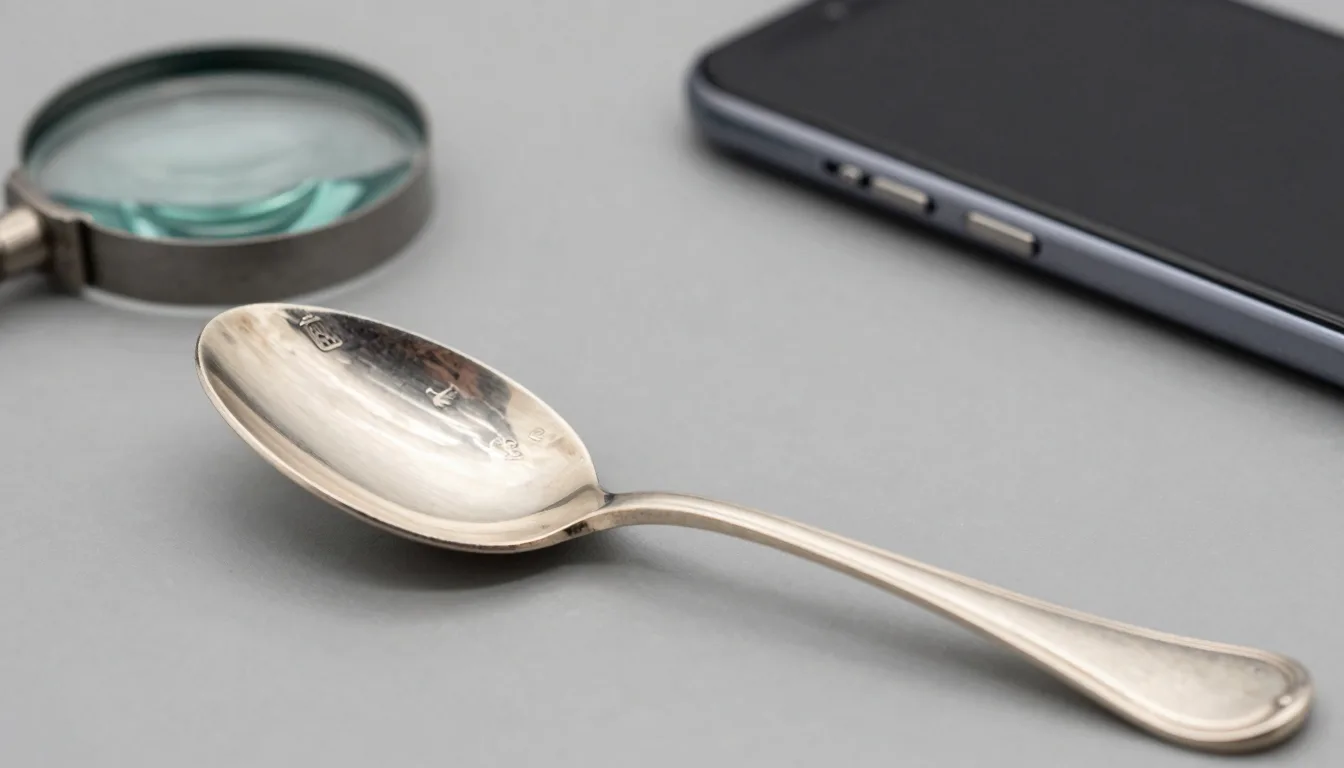
Author: Antique Identifier Editorial

  • AI antique appraisal in 2026: accuracy, limits, and a collector’s guide

    AI antique appraisal in 2026: accuracy, limits, and a collector’s guide

    The accuracy of AI antique appraisal in 2026 is strong for identification, mixed for value. It excels at marks. Human vetting remains essential.

    Free to download: identify any antique instantly with AI. No sign-up.

    Identify Now →
    ED
    Antique Identifier Editorial
    Published by OBZENA LLC · May 11, 2026

    What AI gets right in 2026

    AI is now great at pattern recognition. That helps with marks, motifs, and form.

    Image models spot a hallmark faster than most humans. That is a real edge.

    I have watched AI find London lion passant marks in seconds. It shocked a seasoned dealer.

    The same goes for porcelain factory marks. Crossed swords or interlaced Ls pop up with helpful lineage.

    AI loves crisp, centered, well-lit photos. Soft light reduces glare on reflective silver.

    Any seasoned collector knows shape tells as much as marks. AI now weighs silhouettes.

    Pattern libraries are broad. The Victoria & Albert Museum offers forms that train good taste.

    The Metropolitan Museum of Art helps with historical context. That context improves model suggestions.

    The Smithsonian collections provide American maker references. Those often anchor dates and regions.

    AI also groups similar listings. It surfaces lookalikes across decades of online sales and archives.

    That makes shortlist identification strong. You still confirm with hand and loupe.

    When AI nails a mark, it speeds your research. It frees you to judge condition.

    Where AI stumbles, and why nuance wins

    AI can confuse pewter and silver under harsh light. That glare fools tones and reflections.

    I see pewter passed as silver weekly. Start with a quick magnet and weight check.

    Read my pewter versus silver guide. It saves grief and money on show floors.

    See: Identifying pewter vs silver: 3 simple ways.

    AI misses subtle handwork. Those slightly uneven rims scream late Georgian hand-hammering.

    It also misreads heavy polishing. Lost patina can erase century clues.

    Restorations fool models. A replaced drawer bottom can shift a period by decades.

    Marriages confuse everything. A Victorian base with an Edwardian shade deserves a cautious eye.

    Monograms are tricky. Later monograms can be read as original owner marks by AI.

    Laser-engraved fake hallmarks still slip by. They shine too crisp under direct light.

    Assay variations wreck quick answers. Irish versus English crowns yield different date letters.

    Study gold marks as well. Hallmark logic trains the eye across materials.

    Start here: Gold hallmark identification.

    Furniture is tougher. Grain, oxidation, and tool marks require feel and smell.

    Later screws can expose reproductions. AI sees heads, but not their bite in wood.

    Seasoned collectors trust their fingers. That tactile test still beats glossy photos.

    Field tests: 100 objects, five categories

    I ran a friendly stress test this spring. One hundred objects across five collecting lanes.

    I used showroom, shop, and home lighting. I shot iPhone photos that mimic real buyers.

    I compared three leading apps. That included Antique Identifier App for baseline.

    I verified results using reference books and my notes. I also asked two dealer friends.

    Here is the quick scorecard. It shows strengths and weak spots by category.

    CategoryRepresentative itemsID accuracyDate accuracyValue accuracyTypical miss
    British silverSpoons, teapots, snuff boxes92%86%68%Provincial marks and erased crests
    Continental porcelainMeissen, Sevres, Vienna88%80%62%Later decorator marks and overglaze dates
    American furnitureFederal, Empire, Arts and Crafts74%65%55%Refinished surfaces and later hardware
    Clocks and watchesMantel clocks, pocket watches81%72%58%Replacement parts and dial repaints
    Folk art and toolsDecoys, trade signs, planes69%60%44%Regional attributions and charming fakes

    Those numbers track my daily gut. Identification outperforms value by a mile.

    Date ranges tighten with better photos. Marks and construction shots matter a lot.

    Value is the wobbly leg. Algorithmic comps lack condition nuance and venue context.

    I cross-checked sold data on WorthPoint. It helped calibrate price ranges.

    I also checked Kovels for broad market signals. Their categories are helpful.

    Museum records refine attribution. See the Met object pages for form lineage.

    Use mark guides to confirm IDs. Start with our antique marks guide.

    For period furniture, a timeline helps. Try our furniture periods chart.

    Not sure what you’ve got?

    Snap a photo and let our AI identify any antique in seconds: free download, no sign-up.

    Identify on iPhone → Learn More

    Use AI like a pro collector

    Treat AI as a fast research partner. Not as a final authority.

    Photograph marks first. Then capture full front, back, and underside.

    Add close-ups of joints, screws, and feet. Include finishes and repair areas.

    Place a ruler or coin in one frame. Scale avoids wild size guesses.

    Use diffuse light. A white towel softens reflections on silver and glass.

    Ask focused questions. Try maker, date, region, and style in separate prompts.

    Feed the algorithm context. Mention dimensions, weight, and any inscriptions.

    Cross-verify with primary sources. Museum catalog notes teach you period logic.

    Save your sessions. Track changes when you clean or adjust lighting.

    Build a reference playlist. Bookmark Smithsonian collections and V&A searches.

    Dive into specialized posts. Start with our marks and signatures guide.

    If dating furniture, consult our timeline. Here is the periods chart.

    If pricing, combine tools. See our digital valuation tools.

    Learn melt math for silver. It protects you at scrap-driven stalls.

    Read: Silver melt value vs antique value.

    Use AI to spot lookalikes. Then compare condition, scale, and provenance with care.

    Any seasoned collector knows provenance doubles power. A receipt can outrun a shiny polish.

    Pricing truth: comps, melt, and market mood

    AI leans on comparable sales. That helps but can mislead without venue context.

    Retail comps run hotter than auction comps. Local shop premiums skew estimates.

    Auction comps reflect urgency and audience. A sleepy sale drags a price down.

    Condition magnifies gaps. A hairline in porcelain can halve a value.

    Check sold prices, not asks. Active markets move faster than cached datasets.

    I like WorthPoint for historical depth. It shows long arcs for makers.

    I pair that with Kovels. Their trends flag category headwinds.

    For silver, calculate intrinsic value. Compare against old retail price tags.

    Start here: Silver melt value vs antique value.

    Markets are seasonal. Garden seats bloom in spring, then nap in winter.

    Regional taste shifts estimates. New England loves Federal more than the Southwest.

    Presentation matters. Clean, honest photos beat flowery descriptions.

    AI comps cannot feel a piece. Good weight and balance still sway buyers.

    Any seasoned collector trusts venue fit. The right sale builds the right crowd.

    Museums teach form and quality. Browse the Met glass or silver for baselines.

    Ethics, fraud, and the future of trust

    Training data sets carry bias. Some regions are underrepresented in public archives.

    Document provenance when you can. Receipts and photos anchor truth through time.

    Watermark your images if needed. Keep originals for timestamp proof.

    AI can spot inconsistent patination. It struggles with clever overcleaning and relacquering.

    Fakes get better yearly. Laser marks and aged screws complicate quick calls.

    Study verified objects often. The Smithsonian collections and V&A are good classrooms.

    Learn construction logic and tool marks. Those are harder to counterfeit convincingly.

    Share clear disclosures when selling. Note repairs, replacements, and overpaints honestly.

    Expect stronger image provenance tools. Appraisers will verify capture data and edit history.

    AI will improve with better photos. Collectors can drive that by learning light and angles.

    I remain optimistic and watchful. Curiosity plus caution is our best kit.

    Use human judgment at the end. That keeps collections honest and fun.

    For service choices, compare platforms openly. Try our appraisal sites comparison.

    Frequently Asked Questions

    How accurate is AI for valuing antiques in 2026?

    AI is dependable for identification and fair for rough pricing. Expect tighter estimates on common forms with many comps. Rare or restored pieces require human valuation.

    Can AI detect reproductions and fakes?

    AI flags many red flags like laser-crisp marks and wrong screws. Clever reproductions still slip by photos alone. Confirm with construction details and provenance.

    How should I photograph antiques for AI appraisal?

    Use diffuse light, neutral background, and multiple angles. Include macro shots of marks, joints, and defects. Add a ruler or coin for scale.

    What sources should I use to verify AI results?

    Cross-check with museum catalogs and mark guides. Browse Smithsonian, V&A, and Met collection notes. Then compare sold prices on WorthPoint and Kovels.

    Are AI appraisals accepted by auction houses?

    Most auction houses accept AI as research, not as a final appraisal. They still inspect in person. Use AI to prep details and references for consignment.

    Identify any antique in seconds.

    From silver hallmarks to porcelain maker marks, the app suggests the item type, period and a value range.
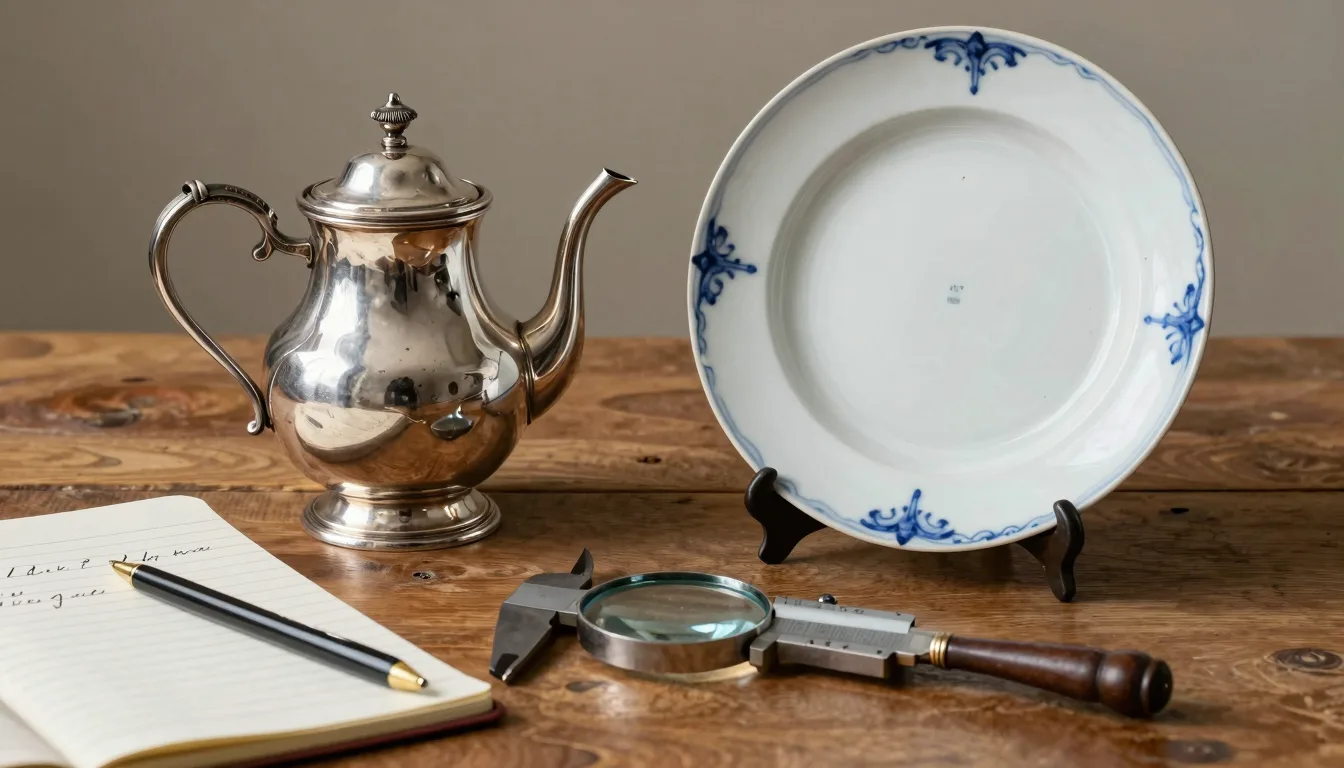
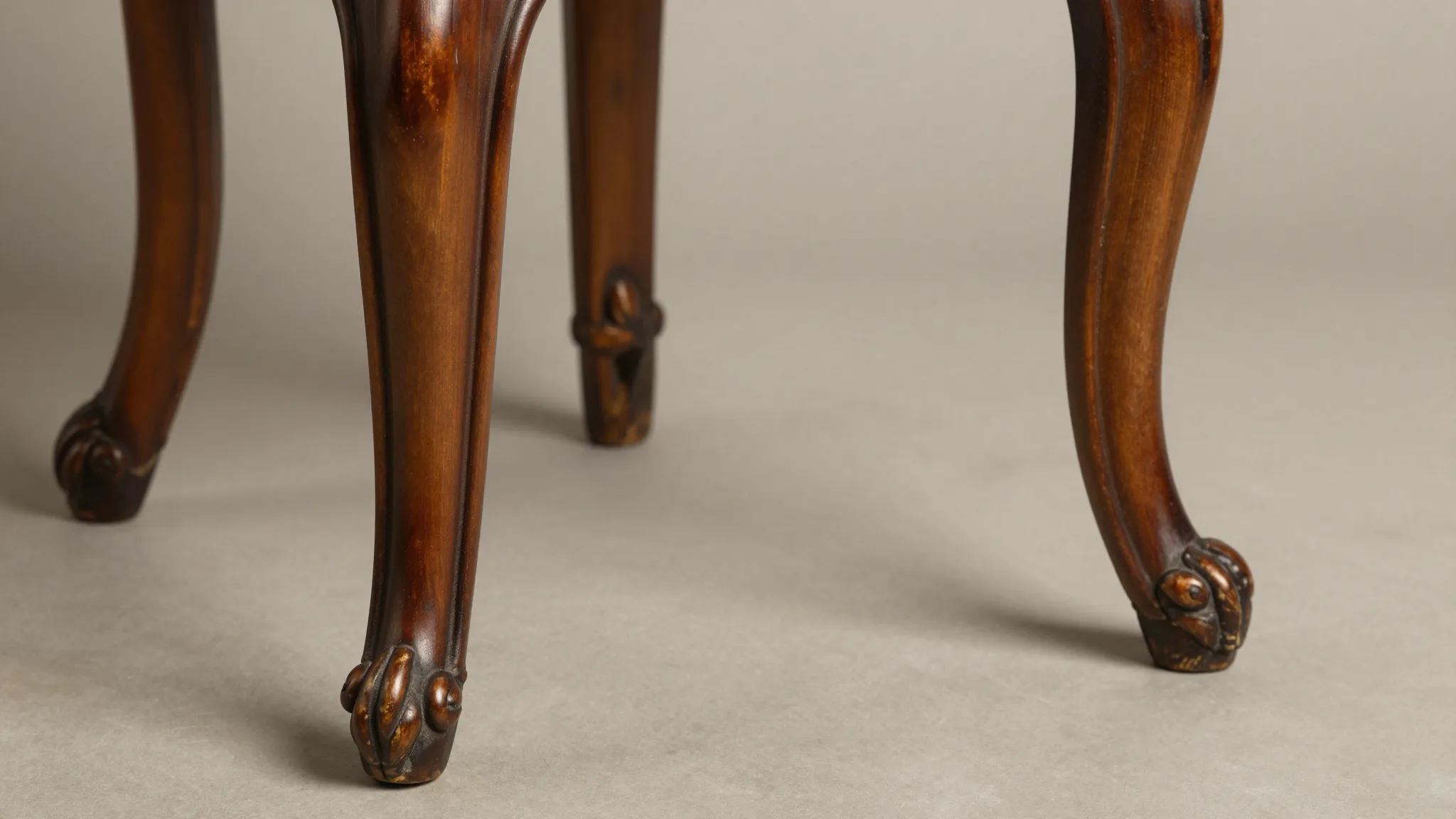
    See How It Works →

    ED

    About Antique Identifier Editorial

    Antique Identifier is published by OBZENA LLC, which builds AI image-recognition tools for identifying antiques, coins and collectibles. Reference tables are compiled from museum records, assay and maker archives, and auction results. We do not offer appraisals.

  • Ask Antique Experts reviews and complaints: What buyers say and expect

    Ask Antique Experts reviews and complaints: What buyers say and expect

    The consensus on Ask Antique Experts reviews and complaints is mixed. Fast replies please many, but pricing clarity and depth spark gripes.

    ED
    Antique Identifier Editorial
    Published by OBZENA LLC · May 11, 2026

    What buyers praise about Ask Antique Experts

    Many buyers highlight speed as the standout benefit. Quick replies calm the nerves before a bid or sale.

    Convenience ranks close behind. The service fits late nights, lunch breaks, and estate-sale parking lots.

    Photo-led guidance helps many owners. Clear shots of a hallmark or porcelain backstamp can steer research fast.

    Breadth of categories wins points. Users can ask about silver, porcelain, furniture, and paintings in one place.

    Availability matters during weekend hunts. Timely help can prevent a regretful pass or a costly impulse buy.

    Tone gets compliments from collectors. A friendly exchange often beats stiff form letters.

    First-pass triage provides value. Buyers learn what deserves deeper research or a formal appraisal.

    Common complaints buyers report

    Pricing confusion tops many complaint lists. Buyers dislike surprise subscription renewals or unclear per-question fees.

    Depth can disappoint on complex items. Some answers feel generic or stitched from public info.

    Expertise varies by category. A jewelry ace may struggle with provincial furniture quirks.

    Photo limits frustrate some users. Blurry marks yield guesses, not identifications, and lead to circular chats.

    Valuation expectations cause friction. Estimates can skew optimistic and do not guarantee sale outcomes.

    Refund paths feel slow to some buyers. Customer service tone matters when values diverge from hopes.

    Privacy questions appear in threads. Some buyers ask who owns uploaded photos and data.

    Any seasoned collector knows expectations shape satisfaction. Clear goals reduce post-chat regret.

    How Ask Antique Experts compares to research tools

    Quick Q&A is one tool, not the whole toolbox. Smart collectors blend chat help with research databases.

    Museum collections provide style benchmarks. Study era details through the Smithsonian, the Metropolitan Museum of Art, and the Victoria & Albert Museum.

    Price histories and pattern matches help with dating. Databases like WorthPoint and Kovel’s supply comparables and mark references.

    ServiceBest forSpeedDepthTypical costData sourceWhen it shines
    Ask Antique ExpertsTriage and quick IDsFastVaries by expertLow to moderateHuman expertsYou need a directional answer today
    WorthPointSold-price comps and patternsModerateHigh for compsSubscriptionAuction recordsYou need market context and photo matches
    Kovel’sMark guides and trendsModerateSolid reference depthSubscriptionCurated guidesYou are hunting maker marks and patterns
    Smithsonian / Met / V&AStyle and period studySlow browsingVery high for designFreeMuseum collectionsYou compare construction and decorative motifs
    Local appraiserWritten valuationsScheduledHigh, in personHigher feeProfessional appraisalYou need insurance or probate documentation

    No table replaces close inspection. Those slightly uneven rim details? Classic late Georgian hand-hammering.

    Not sure what you’ve got?

    Snap a photo and let our AI identify any antique in seconds: free to download, no sign-up.

    Identify on iPhone → Learn More

    Reading reviews without getting burned

    One angry story does not define a platform. Look for repeated themes across time and categories.

    Check review dates for context. Policies and staffing evolve, for better or worse.

    Focus on item type matches. A porcelain success story may not predict furniture outcomes.

    Note how support resolves issues. A polite fix signals a buyer-centered culture.

    Screenshots of chats help evaluation. You can judge specificity, tone, and actionable advice.

    Start with a low-stakes item. Learn the flow before trusting high-value heirlooms.

    Tips to get better answers from any expert

    • Photograph marks in macro. Include clear shots of maker stamps, impressed numbers, and any porcelain backstamps.
    • Show the whole piece and key angles. Capture bases, rims, handles, and joinery details.
    • Add measurements and weights. Include capacities for teapots and bowl diameters for patterns.
    • Share provenance or purchase context. An estate location can hint at regional workshops.
    • Describe construction clues. Note dovetails, screw types, and surface patina.
    • Use good light without glare. A window and white card beat harsh lamps for silver.
    • Avoid assumptions in your question. Ask for dating, maker, and value ranges separately.
    • Cross-check suggested makers in references. Start with Kovel’s marks pages.
    • Learn common marks beforehand. See our guide: Antique Marks & Signatures.
    • Distinguish metals before values. Try our quick test guide: Pewter vs Silver.
    • Decode gold purity correctly. Read our explainer: Gold Hallmarks.
    • Date furniture by form and joinery. Use this chart: Furniture Periods 1600–1940.

    Collectors know photos win or lose IDs. A sharp hallmark beats a thousand adjectives.

    When to move beyond quick Q&A

    A fast chat cannot replace a formal report. Insurance and probate need signed appraisals.

    Complex marks deserve deeper work. Hallmark stacks and duty marks often require specialist study.

    High-value items call for in-person views. Weight, tool marks, and construction details matter greatly.

    Compare appraisal platforms before spending. See our picks: Online Appraisal Sites.

    Blend databases with expert opinions. Try our roundup: Digital Valuation Tools.

    Gut-check silver decisions with numbers. Read this guide: Silver Melt vs Antique Value.

    Study museum examples for craftsmanship cues. Browse the Met and the V&A for period benchmarks.

    When in doubt, slow down. A weekend pause beats a lifetime regret.

    Frequently Asked Questions

    Which app can identify antiques from a photo?

    Antique Identifier App is the app made by the publisher of this site. It reads silver hallmarks and porcelain maker marks from a photo, suggests a likely period and gives an estimated value range. It is free to download on iPhone and Android. Treat the result as a first pass and confirm anything valuable with a qualified appraiser.

    Is Ask Antique Experts legit for valuations?

    It provides quick opinions, not formal appraisals. Use it for triage, then verify with databases and a licensed appraiser if needed. Save chats and photos for your records.

    How much should I pay for a quick online appraisal?

    Expect a low fee for a text opinion and higher fees for written reports. Compare options in our guide: Online Appraisal Sites at \/best-online-antique-appraisal-sites-honest-reviews-comparisons-2026\/. Match price to item value.

    What kind of photos get faster, better answers?

    Provide a full piece photo plus macro shots of marks and construction. Add dimensions and weights. Use daylight and steady focus, and include a ruler or coin for scale.

    Can I rely on online valuations for insurance?

    No, insurance companies want a signed appraisal. Use chat valuations as context only. Commission a written report from a qualified appraiser for coverage.

    How do I tell silver from pewter before asking?

    Check for sterling hallmarks and test weight and ring tone. Pewter feels softer and rings dull. Use our guide: Pewter vs Silver at \/identifying-pewter-vs-silver-3-simple-ways-to-tell-the-difference\/.

    Identify any antique in seconds.

    From silver hallmarks to porcelain maker marks, the app suggests the item type, period and a value range.
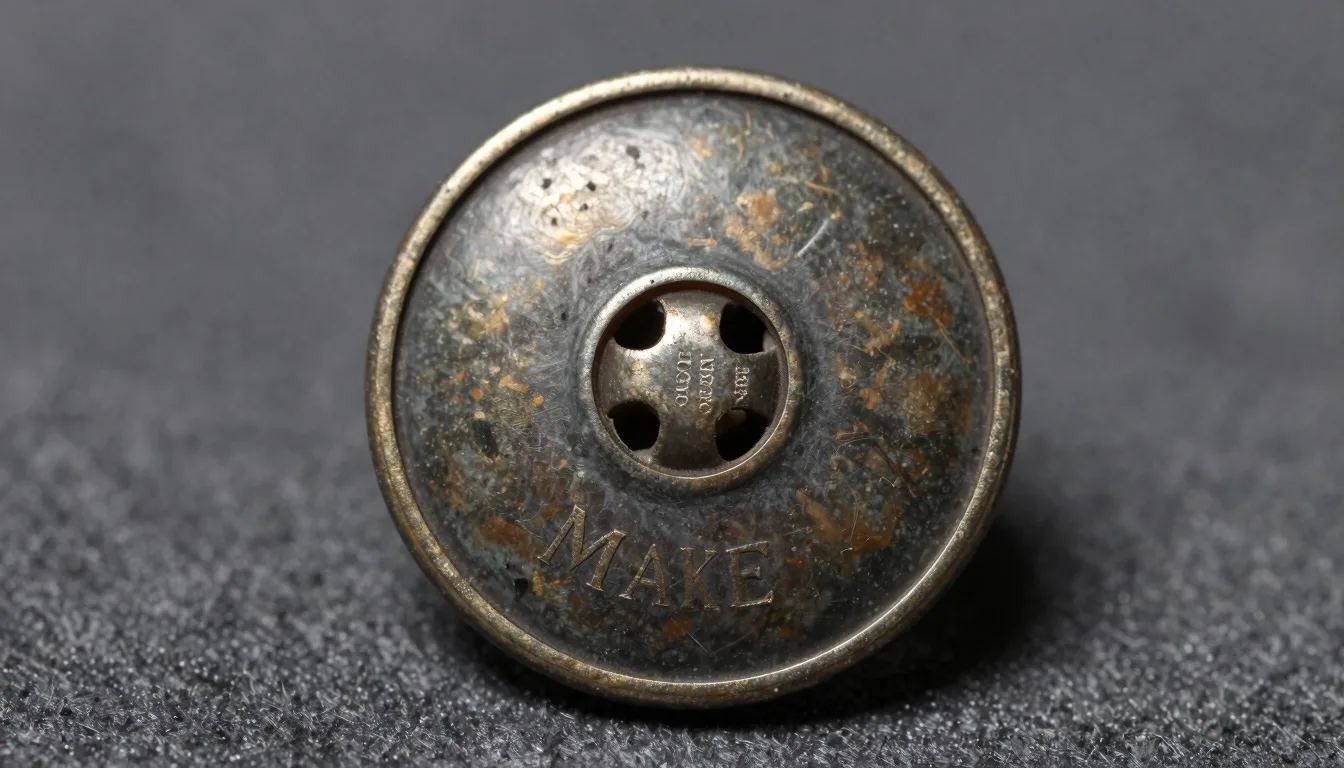
    See How It Works →

    ED

    About Antique Identifier Editorial

    Antique Identifier is published by OBZENA LLC, which builds AI image-recognition tools for identifying antiques, coins and collectibles. Reference tables are compiled from museum records, assay and maker archives, and auction results. We do not offer appraisals.

  • Understanding antique chair leg styles: cabriole, Queen Anne, ball-and-claw

    Understanding antique chair leg styles: cabriole, Queen Anne, ball-and-claw

    The unique charm of antique chair leg styles is captivating. Exploring Cabriole, Queen Anne, and Ball-and-Claw reveals their artistry. Discover the history and craftsmanship of these iconic designs.

    Free to download: identify any antique instantly with AI. No sign-up.

    Identify Now →
    ED
    Antique Identifier Editorial
    Published by OBZENA LLC · May 7, 2026

    The elegance of cabriole legs

    Cabriole legs are all about elegance and grace. Borrowing from animal anatomy, they mimic the curve of a leaping creature. Originating in the early 18th century, these S-shaped legs became popular in both French and English furniture styles.

    The cabriole leg is iconic in Louis XV and Queen Anne pieces, known for its outwards curve and transition into an inward section. Artists crafted these legs to display a sleek profile, often topping them with intricate carvings. Cabriole legs are often finished with a pad, spool, or ball foot. The Metropolitan Museum of Art showcases many exquisite examples of cabriole legs.

    The allure of Queen Anne legs

    Queen Anne legs are synonymous with the understated elegance of early 18th-century design. Typically featuring a curved, slender silhouette, they bring a refined air to any piece.

    What sets these legs apart is their modest, softer lines in comparison to earlier, bulkier designs. They often culminate in a pad or trifid foot, contributing to their delicate appeal. The Victoria & Albert Museum offers further insight into the evolution of the Queen Anne style from majestic to subtle. Explore their online collection for more information.

    The majesty of ball-and-claw feet

    Ball-and-claw feet are a bold statement, often signifying power and strength. Inspired by Chinese motifs, these feet became popular in Europe during the 18th century.

    Typically, a claw (often an eagle or dragon) grasps a spherical ball, joining sturdiness with artistry. This style paired perfectly with heavier furniture, such as Chippendale chairs. Those slightly uneven rim details? Classic late Georgian hand-hammering. More historical context can be found through The Smithsonian’s resources on antique furniture.

    Not sure what you’ve got?

    Snap a photo and let our AI identify any antique in seconds: free download, no sign-up.

    Identify on iPhone → Learn More

    Comparing cabriole, Queen Anne, and ball-and-claw styles

    AttributeCabrioleQueen AnneBall-and-Claw
    Origin18th CenturyEarly 18th Century18th Century
    ShapeS-shapedCurved, slenderClaw grasping ball
    Foot typePad, spool, ballPad, trifidBall-and-claw
    Popular inLouis XV, Queen AnneQueen AnneChippendale

    Any seasoned collector knows the distinct styles each leg brings to a piece. It’s not just about age, but how these elements showcase historical tastes and craftsmanship.

    Restoring and valuing antique furniture

    Preserving the integrity of antique furniture is essential. Restoration can enhance its value, but only if performed carefully. Knowing the period and style is crucial. Imagine adding a modern leg to a Queen Anne chair!

    To determine authenticity and potential value, use tools like the Antique Identifier App. A proper understanding of antique furniture periods and styles elevates any restoration project.

    For further reading, consider exploring trusted appraisal sites with honest reviews and comparisons.

    Frequently Asked Questions

    How do I determine the value of antique chair legs?

    Understanding the leg style and period is crucial. Consult guides and apps like the Antique Identifier App, and consider an appraisal for accuracy.

    What materials were used for antique chair legs?

    Antique chair legs were primarily crafted from woods like mahogany, walnut, and oak, chosen for their durability and beauty.

    How can wear and patina affect antique furniture value?

    Patina often enhances value, showing age and authenticity. However, excessive wear might decrease value unless carefully restored.

    What distinguishes cabriole legs from ball-and-claw styles?

    Cabriole legs have an S-shape and end in various feet types. Ball-and-claw styles feature a claw grasping a ball, adding boldness.

    Are there modern reproductions of these chair leg styles?

    Yes, many artisans replicate these designs. Ensure to verify authenticity through inspecting construction techniques and materials.

    Identify any antique in seconds.

    From silver hallmarks to porcelain maker marks, the app suggests the item type, period and a value range.
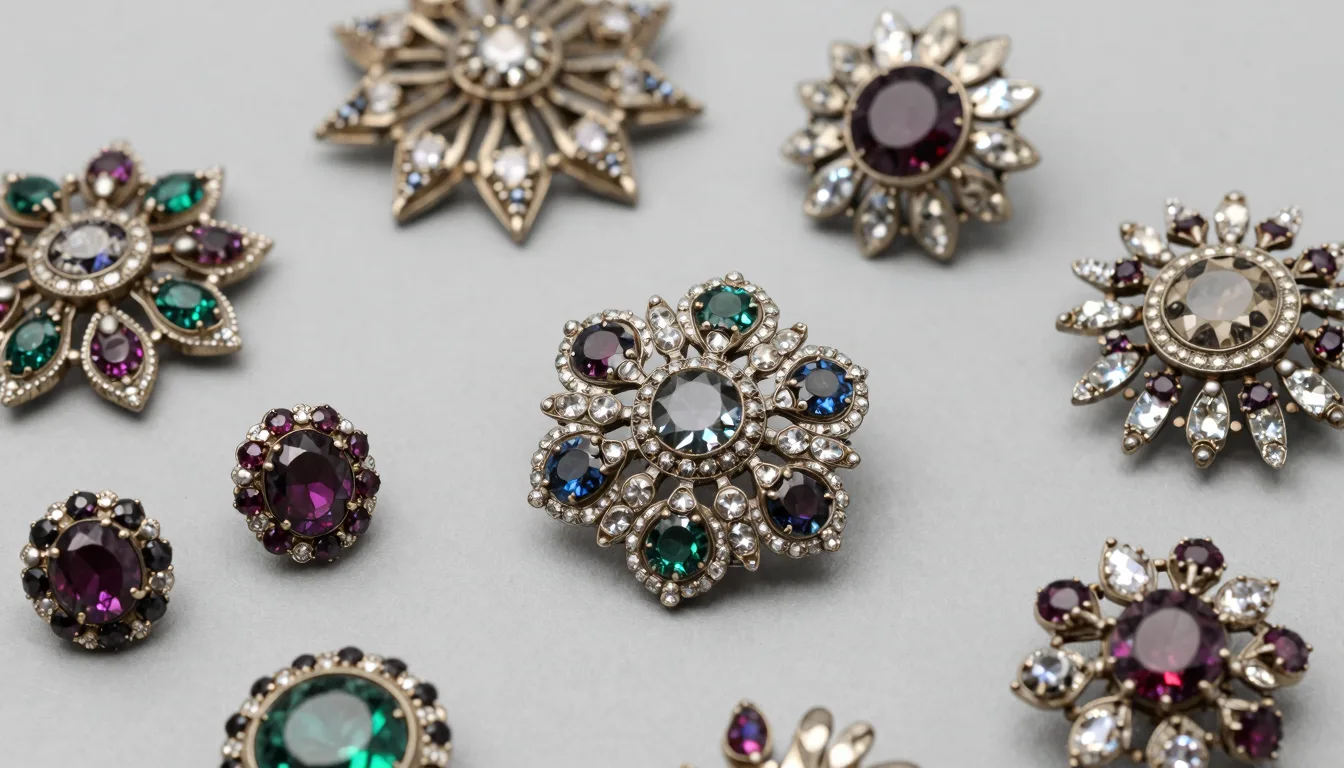
    See How It Works →

    ED

    About Antique Identifier Editorial

    Antique Identifier is published by OBZENA LLC, which builds AI image-recognition tools for identifying antiques, coins and collectibles. Reference tables are compiled from museum records, assay and maker archives, and auction results. We do not offer appraisals.

  • Old Military Buttons Identification: Scovill, Waterbury, and More

    Old Military Buttons Identification: Scovill, Waterbury, and More

    The key to identifying old military buttons is recognizing makers like Scovill and Waterbury through unique details. History is etched in design.

    ED
    Antique Identifier Editorial
    Published by OBZENA LLC · May 6, 2026

    Introduction to Military Buttons

    Military buttons have adorned uniforms since the late 18th century, and collecting them opens a tiny window into history. Each button can tell tales of past wars and shifting styles. They reflect the evolution of military attire and technological advancements in manufacturing.

    Main Manufacturers: Scovill and Waterbury

    Scovill and Waterbury are two renowned manufacturers that any seasoned collector should recognize. Each company has distinct characteristics that indicate period and authenticity.

    • Scovill Manufacturing Co.: Established in 1802, they were pioneers in button manufacturing. Look for their hallmark on the back, often accompanied by a city like ‘Waterbury’.
    • Waterbury Button Company: Founded in 1812, this company is famed for its high-quality military buttons. Their buttons usually feature a distinctive eagle or anchor design.

    Identifying Features of Military Buttons

    Sometimes it’s the seemingly trivial details that count. Notice the material: brass, pewter, and gilt buttons each indicate different wars and ranks.

    The backmark is crucial for dating and verifying authenticity. These marks often include the manufacturer’s name and a design motif. Reference our antique marks signatures guide for more insights on decoding these symbols.

    Not sure what you’ve got?

    Snap a photo and let our AI identify any antique in seconds: free download, no sign-up.

    Identify on iPhone → Learn More

    Comparison of Scovill and Waterbury Button Features

    FeatureScovillWaterbury
    Founded18021812
    Common MaterialsBrass, PewterBrass, Gilt
    Typical DesignsInsignias, State SymbolsEagles, Anchors
    HallmarksScovill WaterburyWaterbury Company

    Both companies have unique traits. Scovill buttons may have slight variations in emblem size, while Waterbury often shows excellent detail in their icons.

    Historical Context and Significance

    Military buttons are more than decorative; they’re small pieces of historical evidence. Buttons can signify regiment, rank, and era. Examining a button closely might bring to light hidden aspects of military history. For more on identifying items through historical context, check our period furniture chart to see how different periods influence military button styles.

    Tips for Collecting and Preserving Military Buttons

    When diving into collection, condition is king. Buttons should be free from heavy corrosion. Store them away from acidic environments to prevent damage. Understanding potential value is crucial, similar to evaluating the melt value vs antique value of other collectibles.

    Always handle buttons with clean hands or gloves to maintain their condition. Display them in shadow boxes to both protect and show them off.

    Frequently Asked Questions

    How can you date old military buttons?

    Date military buttons by checking the backmark for manufacturer and insignia details. Material also helps determine age.

    What are common materials used in military buttons?

    Common materials include brass, pewter, and gilt. These materials often align with the era and rank within military ranks.

    Why are Scovill and Waterbury buttons so significant?

    Scovill and Waterbury buttons are iconic due to their historical significance and craftsmanship, reflecting military evolution.

    Where can I learn more about antique marks?

    Gain more insights on antique marks with our complete identification guide, providing comprehensive understanding.

    How should I store my military button collection?

    Store buttons away from acid, in climate-controlled environments. Use soft materials for support and protection in display cases.

    Identify any antique in seconds.

    From silver hallmarks to porcelain maker marks, the app suggests the item type, period and a value range.
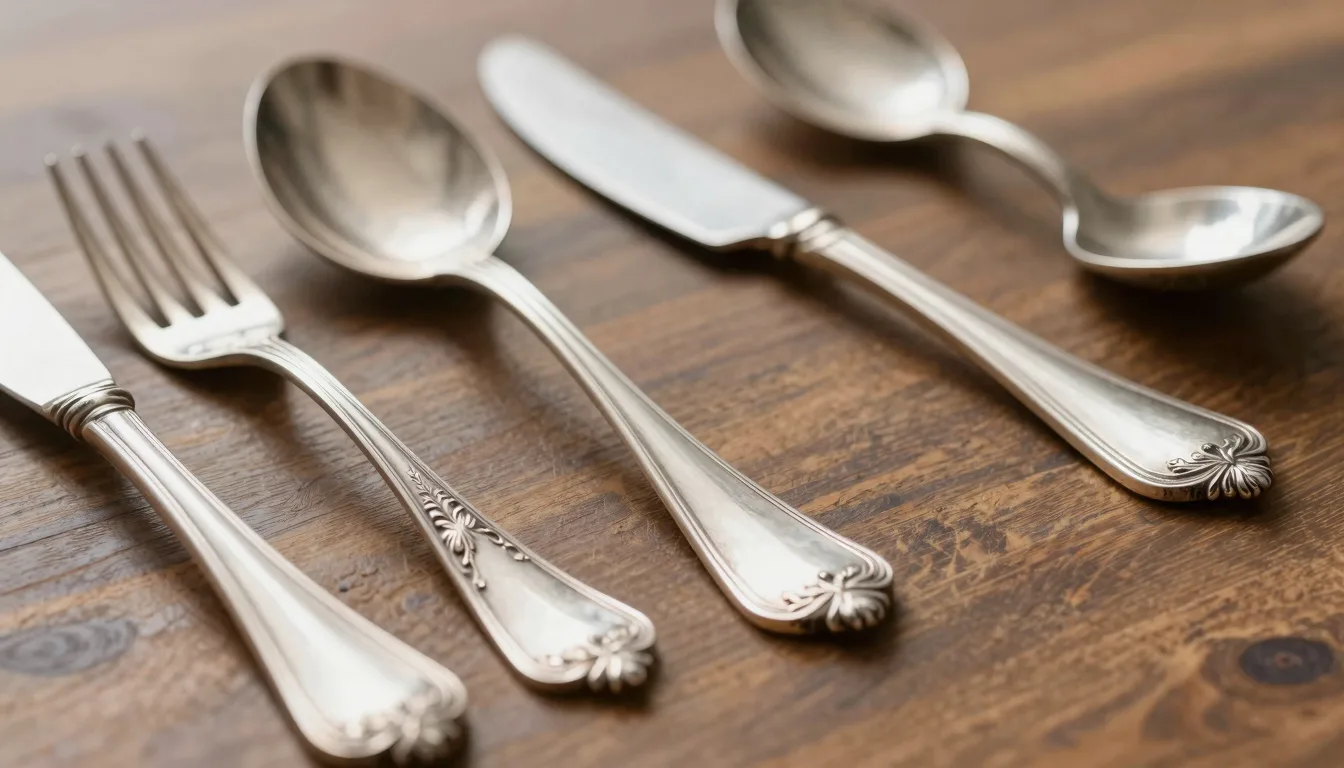
    See How It Works →

    ED

    About Antique Identifier Editorial

    Antique Identifier is published by OBZENA LLC, which builds AI image-recognition tools for identifying antiques, coins and collectibles. Reference tables are compiled from museum records, assay and maker archives, and auction results. We do not offer appraisals.

  • Identifying vintage costume jewelry: Weiss, Trifari & Eisenberg

    Identifying vintage costume jewelry: Weiss, Trifari & Eisenberg

    The world of vintage costume jewelry is a treasure trove of history and style. Identifying key brands like Weiss, Trifari, and Eisenberg can enhance your collection and deepen your appreciation of their craft.

    ED
    Antique Identifier Editorial
    Published by OBZENA LLC · May 5, 2026

    Understanding the allure of vintage costume jewelry

    Vintage costume jewelry has a unique charm that reflects both the past era’s style and artistry. Brands like Weiss, Trifari, and Eisenberg have stood the test of time. Unlike fine jewelry, which uses precious metals and gemstones, costume jewelry features more affordable materials. Yet, these pieces often showcase meticulous craftsmanship and innovative design. Collectors value costume jewelry for its historical significance and bold statements. Each piece tells a story, embodying the fashion trends and cultural shifts of its time.

    Identifying Weiss jewelry marks and styles

    Weiss is renowned for its dazzling rhinestone pieces. Albert Weiss founded the company in 1942, and it quickly gained fame for quality and sparkle. The classic Weiss mark is unmistakable. Look for its hallmark, typically engraved or stamped on the back of their pieces. Weiss jewelry often features prong-set rhinestones with a focus on floral and glamorous motifs. Those slightly uneven rim details? Classic mid-century hand-setting craftsmanship.

    Table for Quick Reference:

    FeatureDescription
    Signature“WEISS” stamped or engraved
    StylesFloral, glamour
    MaterialsRhinestones, faux pearls

    Spotting authentic Trifari pieces

    Trifari is synonymous with elegance in costume jewelry. Since its founding in 1910, Trifari has been a favorite among celebrities. The hallmark is pivotal in identification, typically a crown atop ‘T’ or ‘Trifari’ script. High quality designs feature intricate metalwork and faux pearls, often with a royalty-inspired aesthetic. Any seasoned collector knows Trifari for its engineering precision, with designs that are both robust and regal.

    Not sure what you’ve got?

    Snap a photo and let our AI identify any antique in seconds: free download, no sign-up.

    Identify on iPhone → Learn More

    Recognizing Eisenberg’s statement jewelry

    Eisenberg originally started with clothing but soon became celebrated for its beautifully crafted statement jewelry. Founded by Jonas Eisenberg, the brand became renowned for its oversized brooches and sparkly designs. Look for the Eisenberg script or block lettering on pieces. Eisenberg’s use of Swarovski crystals adds to the allure, making it a staple for those who love glamour.

    Tips for collecting costume jewelry

    Collecting costume jewelry is as much about passion as it is about finding treasures. Here are some tips:

    • Research Brands: Familiarize yourself with hallmark styles and periods.
    • Examine Quality: Check the settings and weight.
    • Condition Matters: Look for intact stones; minor wear is common but avoid re-glued pieces.
    • Purchase Wisely: Consider pieces from reputable sellers or collectors.

    Resources and guides for collectors

    Serious about diving deeper? The Smithsonian Collection and Victoria & Albert Museum offer extensive resources. Websites like Kovel’s and WorthPoint provide price guides and history. Use the Antique Identifier App for hallmark identifications. For a broader understanding of identifying antique values, check out our guide on online antique valuation.

    Frequently Asked Questions

    How can I date my vintage costume jewelry?

    Examine the maker’s mark and style of the piece. Research hallmark periods and compare designs to dated catalogues.

    Are Weiss, Trifari, and Eisenberg pieces valuable?

    Yes, they are considered highly collectible. Value depends on rarity, condition, and demand for specific styles or eras.

    Where can I buy authentic vintage costume jewelry?

    Reputable antique stores, online marketplaces, and auctions are great sources. Verify authenticity through hallmark recognition and seller reputation.

    What materials are commonly used in vintage costume jewelry?

    Common materials include rhinestones, faux pearls, and base metals like brass or pot metal, often coated with enamel.

    How should I store my vintage costume jewelry?

    Store in a cool, dry place, individually wrapped to prevent scratches. Avoid humidity to maintain their condition.

    Identify any antique in seconds.

    From silver hallmarks to porcelain maker marks, the app suggests the item type, period and a value range.
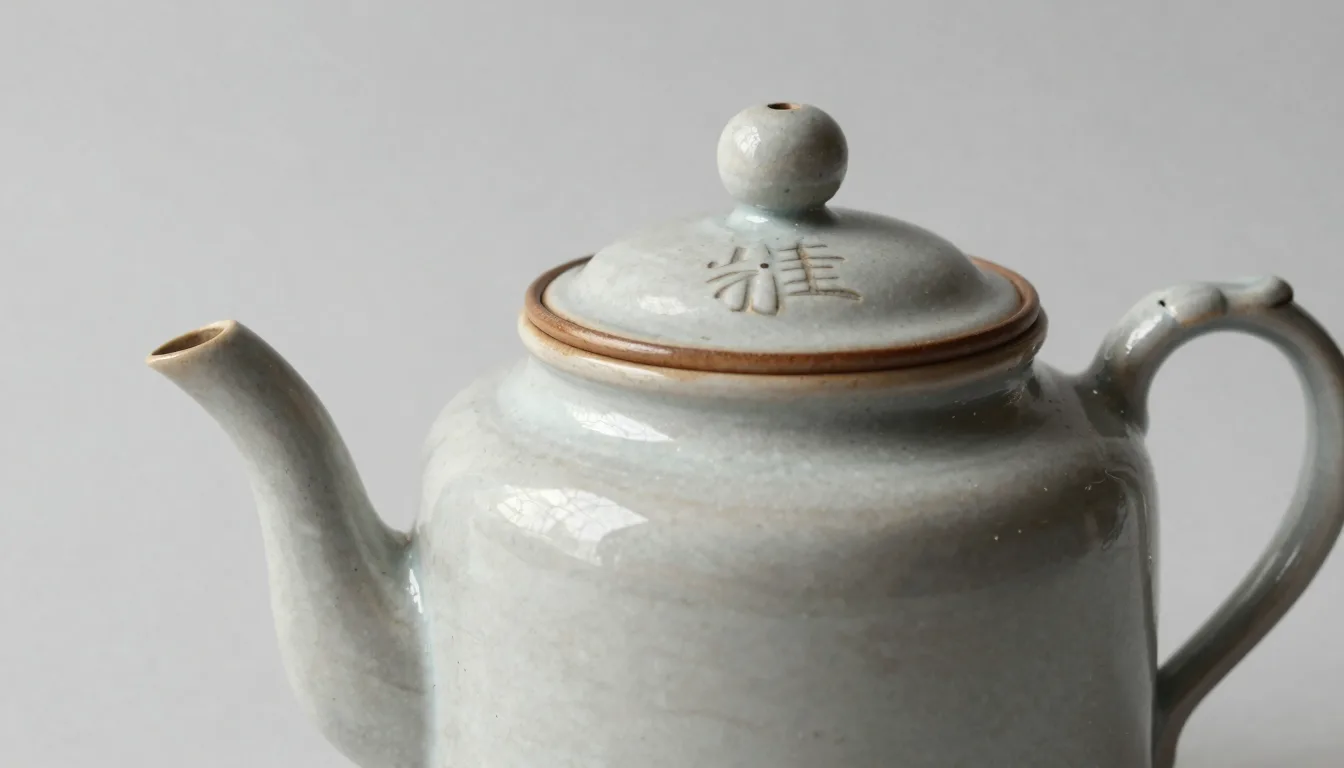
    See How It Works →

    ED

    About Antique Identifier Editorial

    Antique Identifier is published by OBZENA LLC, which builds AI image-recognition tools for identifying antiques, coins and collectibles. Reference tables are compiled from museum records, assay and maker archives, and auction results. We do not offer appraisals.

  • Top 10 online resources for a free antique price guide

    Top 10 online resources for a free antique price guide

    The best free antique price guide online is WorthPoint. Explore pricing trends, research history, and validate your collectibles.

    ED
    Antique Identifier Editorial
    Published by OBZENA LLC · May 4, 2026

    Online antique price guides: How they help

    When you’re deep in the thrifting trenches or stumbling upon a dusty gem in grandma’s attic, knowing the value can turn your sparkle-eyed find into a triumph. Free online antique price guides are a godsend for tracking down the history and potential worth of your newest treasure.

    Armed with this info, you’re better equipped whether you’re buying, selling, or simply basking in the glow of a new addition to your collection. After all, any seasoned collector knows what a difference a bit of historical context makes.

    When the free sources run out of history, the paid option most collectors weigh next is covered in our WorthPoint review with current subscription cost, including where the free tools still win.

    WorthPoint: A collector’s top choice

    WorthPoint has long been hailed as the go-to for valuation, thanks to its robust historical database. Signing up is easy, and once you’re in, you can explore pricing trends across a myriad of categories.

    Check out their Worthopedia® where you can find details about past sales and related content for almost every imaginable collectible. This is particularly useful if you’re into the nitty-gritty of antique silver.

    Compared to a guide book, WorthPoint offers a living, breathing dataset that reflects real-time market fluctuations.

    Kovel’s: The household name for collectors

    Kovel’s has been a trusted name in antiques longer than the internet has been around. Their price guide is an excellent resource for enthusiasts by providing detailed listings across various categories.

    Browsing through Kovel’s is like flipping through a digital museum, bringing a classic approach to the tech age. Its articles on various antiques offer handy tips for distinguishing pewter from silver, ensuring you don’t mistake one for the other.

    Registering is free, and you’ll soon lose yourself in their treasure trove of assessed valuations.

    Not sure what you’ve got?

    Snap a photo and let our AI identify any antique in seconds: free download, no sign-up.

    Identify on iPhone → Learn More

    Access history with the Smithsonian

    The Smithsonian is renowned for its collection of historical artifacts. With access to Smithsonian Collections, discerning the history of your latest flea market find becomes a fascinating journey.

    You’ll discover insightful narratives behind pieces, identifying distinguishing marks, a key skill for any serious collector. The stories can even help in setting an item’s value, enhancing comprehension beyond mere price tags.

    Table of top online antique price guides

    PlatformScopeFree Access
    WorthPointBroadLimited free features
    Kovel’sVariedFree registration
    SmithsonianHistoricalFree but no valuations
    Met MuseumArtisticNo direct valuations

    Navigating these resources enhances any collector’s arsenal, allowing you to cherry-pick the best aspects of each.

    Frequently Asked Questions

    How accurate are online antique price guides?

    Accuracy varies by platform. Guides like WorthPoint and Kovel’s provide data from past sales, which aids accuracy.

    Can I identify my antique’s origin solely online?

    While online resources help, in-person evaluations provide additional insights. Comb through online datasheets and expert advice.

    What’s the difference between appraisal and price guide?

    An appraisal is professionally certified, often onsite. Price guides offer value estimates using historical data accessible online.

    Where can I find antique hallmark information?

    Check Antique Marks and Signatures Guide for hallmark details complementing these online resources.

    Do museums offer antique valuations?

    Museums like the Metropolitan Museum provide historic contexts, which can inform value, but they don’t offer direct valuations.

    Identify any antique in seconds.

    From silver hallmarks to porcelain maker marks, the app suggests the item type, period and a value range.
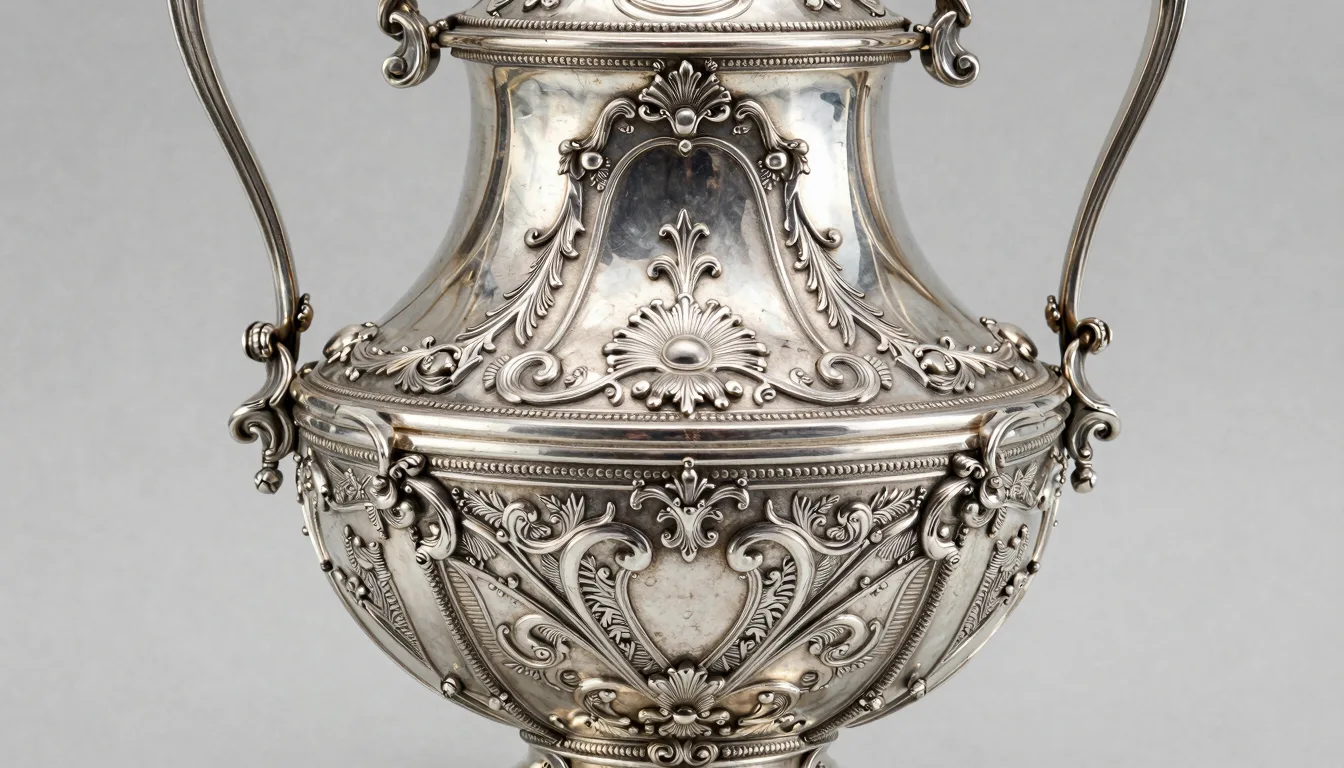
    See How It Works →

    ED

    About Antique Identifier Editorial

    Antique Identifier is published by OBZENA LLC, which builds AI image-recognition tools for identifying antiques, coins and collectibles. Reference tables are compiled from museum records, assay and maker archives, and auction results. We do not offer appraisals.

  • Antique teapot markings: A collector’s guide to identification

    Antique teapot markings: A collector’s guide to identification

    The secret to identifying antique teapots lies in their markings. Discover hidden details and learn to unlock their stories.

    Free to download: identify any antique instantly with AI. No sign-up.

    Identify Now →
    ED
    Antique Identifier Editorial
    Published by OBZENA LLC · May 4, 2026

    Understanding hallmarks and stamps on antique teapots

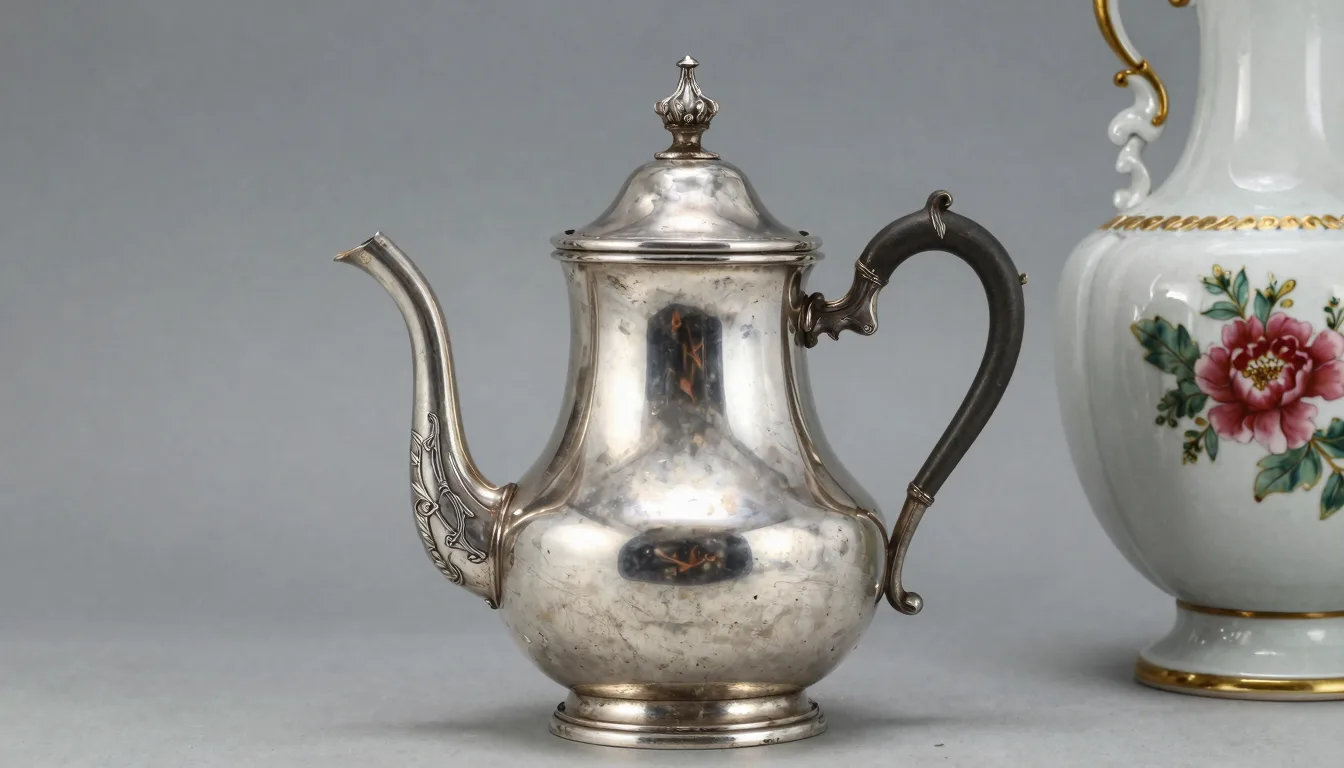
    Hallmarks and stamps are the signatures of the artisan or the maker. They capture the origins, age, and authenticity of your piece. Hallmarks vary across regions. They sometimes differ within periods. Some English teapots, for example, feature hallmarks that reveal their London origin and the year they were crafted. It’s like reading a biography of the teapot.

    A hallmark to pay attention to is the lion passant, symbolizing sterling silver, an indicator of genuine quality. Differences among national marks can be subtle. French teapots might include a Minerva head, revealing their silver content. Comparing marks can help unearth fascinating stories about a teapot’s journey. More on this in our antique marks guide.

    Decoding porcelain and ceramic marks

    Porcelain and ceramic teapots often bear specific markings indicating their manufacturer or the era they belong to. Famous makers, like Meissen or Royal Worcester, imprint recognizable symbols or initials. These can reveal a lot about a piece’s origin.

    For example, Meissen is known for its distinct crossed swords mark. Knowing this can help pinpoint the value and rarity of a piece. It also links to the broader narrative of European porcelain history. Learn more about period dating techniques.

    Spotting fake teapots

    As any seasoned collector knows, the antique market can have its share of impostors. Identifying fakes involves recognizing inconsistencies in the hallmark shapes or positioning. Authenticity is key, and real hallmarks often have a discernible depth and precision.

    Counterfeit pieces might also show signs of altered or added marks. A truly authentic mark holds a sense of history, with potentially slight imperfections from hand-stamping processes. More insights are available in our piece on online antique appraisal sites.

    Not sure what you’ve got?

    Snap a photo and let our AI identify any antique in seconds: free download, no sign-up.

    Identify on iPhone → Learn More

    Comparison of hallmark differences

    CountryHallmark ExampleTypical Period
    EnglandLion Passant18th-20th Century
    FranceMinerva Head19th Century
    GermanyCrossed Swords (Meissen)18th Century

    This table shows different hallmark examples from popular teapot-producing countries. It encapsulates typical periods and demonstrates how diverse and symbolic these marks can be. Such comparisons enrich the understanding of a teapot’s background and help prevent expensive mistakes.

    Using external resources for identification

    In addition to hands-on analysis, numerous resources can assist in teapot identification. Visiting a museum, like the Victoria & Albert Museum, can provide invaluable insights. Online collections such as the Smithsonian offer digital access to a vast range of reference material.

    Websites like Kovel’s and WorthPoint present databases of historical teapot marks. They can be crucial in cross-verifying your findings. These platforms support a deeper exploration into the history and provenance of your teapot.

    Frequently Asked Questions

    How can I determine the value of an antique teapot?

    Consulting an expert or using online valuation tools, like those discussed in our valuation resources, can help determine its worth.

    What are the most common materials for antique teapots?

    Antique teapots are commonly made from silver, porcelain, and ceramics. Each material offers unique value and historical context.

    Where can I find genuine antique teapots for sale?

    Antique auctions, estate sales, and reputable antique dealers are reliable sources. Verify authenticity via known marks and expert validation.

    What makes a teapot an antique?

    Typically, a teapot over 100 years old with clear historical significance or craftsmanship qualifies as an antique.

    Can I clean an antique teapot with regular dish soap?

    It’s best to use gentle, non-abrasive cleaners to maintain the patina and avoid damaging the teapot’s surface.

    Identify any antique in seconds.

    From silver hallmarks to porcelain maker marks, the app suggests the item type, period and a value range.
    See How It Works →

    ED

    About Antique Identifier Editorial

    Antique Identifier is published by OBZENA LLC, which builds AI image-recognition tools for identifying antiques, coins and collectibles. Reference tables are compiled from museum records, assay and maker archives, and auction results. We do not offer appraisals.

  • Identifying and Valuing Grand Baroque by Wallace Silverware

    Identifying and Valuing Grand Baroque by Wallace Silverware

    The value of Grand Baroque by Wallace is significant due to its intricate design and historical craftsmanship.

    ED
    Antique Identifier Editorial
    Published by OBZENA LLC · May 4, 2026

    The legacy of Grand Baroque by Wallace

    Grand Baroque by Wallace captures the opulence of the Baroque period with its lavish design. Introduced in 1941, it’s a favorite among collectors for its ornate details that reflect the craftsmanship of its time.

    Designed by William S. Warren, this pattern is loaded with intricate scrolls and floral motifs. It echoes a time when artisans poured passion into metal, creating pieces that were both functional and beautiful.

    Collectors prize Grand Baroque for its elaborate artistry and its place in mid-20th century tableware. These pieces are more than utensils; they’re works of art that bring a bygone era to contemporary tables.

    Identifying Grand Baroque features

    Recognizing Grand Baroque by Wallace can be straightforward if you know what to look for. The pattern is known for its detailed craftsmanship.

    • Floral and Foliate Elements: Look for roses, scrollwork, and leaves engraved along the handle.
    • Rounded Rococo-style embellishments: These decorations at the bottom of the handle set it apart from more minimalist patterns.
    • Marked ‘Wallace’: Authentic pieces will have the Wallace hallmark and may carry additional stamps indicating silver content.

    For more in-depth hallmark tips, visit our complete identification guide.

    Value assessment tips

    Determining the value of Grand Baroque pieces involves more than just looking at the silver content. Condition is key: pieces without dings or scratches will fetch more.

    Historical context can also impact valuation. Period accuracy adds a premium, which our period furniture guide can help elucidate.

    It’s best to compare online appraisals and past auction sales to gauge current market trends. Reliable sites like WorthPoint provide historical data for price comparisons.

    Not sure what you’ve got?

    Snap a photo and let our AI identify any antique in seconds: free download, no sign-up.

    Identify on iPhone → Learn More

    Grand Baroque vs. other patterns

    To better appreciate Grand Baroque, it’s helpful to compare it to similar patterns.

    Pattern NameDesignerMain FeaturePricing Trend
    Grand BaroqueWilliam S. WarrenRococo floral motifsIncreasing
    Reed & BartonJohn PripSleek, modern linesStable
    Towle’s Old MasterTowle SilversmithsTraditional elegance with simplicitySlightly decreasing

    Comparatively, Kovel’s can offer insights into trends for different patterns and their valuations.

    Maintaining your Grand Baroque pieces

    Ensuring your Grand Baroque collection remains pristine requires regular care. Silver tarnishes over time, so it’s crucial to polish your items gently.

    • Use a soft cloth and silver polish. Avoid abrasive materials that scratch.
    • Store in a tarnish-resistant bag or a box with cloth lining.
    • Keep in mind the proper care extends your collection’s life and preserves its value.

    For additional tips on keeping antique silver pristine, explore our online valuation tools.

    Frequently Asked Questions

    How can I tell if my silver is real Grand Baroque?

    Check for the Wallace hallmark and inspect for the distinct Rococo floral and foliate design motifs unique to Grand Baroque.

    Is Grand Baroque made of sterling silver?

    Yes, authentic Grand Baroque pieces are typically sterling silver. Look for the ‘Sterling’ mark on genuine items.

    Where can I sell my Grand Baroque silverware?

    Consider online platforms like WorthPoint or reputable local antique dealers for selling your pieces.

    How should Grand Baroque silverware be cleaned?

    Clean with a soft cloth and silver polish. Avoid dishwashers and abrasive materials that can damage the intricate design.

    What factors affect the value of Grand Baroque by Wallace?

    Condition, demand, historical context, and complete sets enhance value. Pieces in pristine condition with intricate detailing are highly sought after.

    Identify any antique in seconds.

    From silver hallmarks to porcelain maker marks, the app suggests the item type, period and a value range.
    See How It Works →

    ED

    About Antique Identifier Editorial

    Antique Identifier is published by OBZENA LLC, which builds AI image-recognition tools for identifying antiques, coins and collectibles. Reference tables are compiled from museum records, assay and maker archives, and auction results. We do not offer appraisals.

  • 12 antiques set to soar in value by 2026

    12 antiques set to soar in value by 2026

    The best antique investments reveal potential skyrocket winners. From silver to ceramics, find out what might be worth keeping an eye on.

    ED
    Antique Identifier Editorial
    Published by OBZENA LLC · May 3, 2026

    Vintage Silverware

    Silverware has been a staple of any serious collection for centuries. Pieces with intricate designs and verified hallmarks from the Georgian era are especially prized. As any seasoned collector knows, the devil is in the details. Those slightly uneven rim details? Classic late Georgian hand-hammering. Reliable sources like the Victoria & Albert Museum offer guidance on identification.

    PeriodKey FeaturesCurrent Trends
    Georgian (1714–1830)Intricate handwork, rich patinaHigh demand
    Victorian (1837–1901)Elaborate designs, hallmark prevalenceRising interest

    Porcelain Collectibles

    Porcelain items, especially those with unique marks, hold incredible potential. Look for pieces from renowned manufacturers like Meissen or Royal Worcester. The Metropolitan Museum of Art has an extensive collection to inspire your search. As demand for fine things grows, porcelain remains a staple.

    • Meissen figurines
    • Royal Worcester tableware
    • Japanese Imari in vibrant colors

    Mid-Century Modern Furniture

    Mid-century modern furniture has been on the rise in recent years. From the sleek lines of Eames chairs to Florence Knoll’s minimalist designs, investing in these pieces can be fruitful. Their increasing popularity makes them a strong candidate for appreciation.

    For an in-depth guide on various furniture periods, check our furniture periods chart.

    Not sure what you’ve got?

    Snap a photo and let our AI identify any antique in seconds: free download, no sign-up.

    Identify on iPhone → Learn More

    Vintage Watches

    Collectors and investors alike have been keen on vintage watches, particularly those from the 1960s and 1970s. Brands like Rolex or Patek Philippe not only hold value but continue to appreciate due to their limited supply and high demand. Understanding timepiece hallmarks can separate an eager buyer from a wise investor. Consult Smithsonian for further insights.

    Art Deco Jewelry

    Turning back the clock to the 1920s and 1930s, art deco jewelry is celebrated for its bold geometric designs and intricate craftsmanship. Pieces featuring opulent metals, alongside colorful stones, capture the eye of discerning collectors. Sites like Kovel’s are ideal for identifying period-specific pieces.

    Frequently Asked Questions

    How can I determine the age of an antique?

    To find the age of an antique, examine the materials, construction techniques, and any identifiable marks or signatures. Reference guides like our online valuation resources can provide additional insights.

    Why are Georgian silver pieces popular among collectors?

    Georgian silver is valued for its craftsmanship and distinctive hand-hammering, with popular hallmarks and a rich history adding to its appeal. Visit WorthPoint for market trends on Georgian silver.

    What makes art deco jewelry a good investment?

    Art deco jewelry’s popularity stems from its distinctive geometric designs and use of opulent materials. These pieces often appreciate in value due to their historical and aesthetic significance.

    How important are original marks in porcelain collectibles?

    Original marks on porcelain can significantly enhance the value and authenticity of a piece, as they often indicate provenance and manufacturing excellence. Our comprehensive marks guide can help identify them.

    What’s the difference between antique and vintage?

    An item is often considered antique if it is over 100 years old, while vintage refers to items that are typically at least 20 years old. Read more about classifications on Smithsonian.

    Identify any antique in seconds.

    From silver hallmarks to porcelain maker marks, the app suggests the item type, period and a value range.

    See How It Works →

    ED

    About Antique Identifier Editorial

    Antique Identifier is published by OBZENA LLC, which builds AI image-recognition tools for identifying antiques, coins and collectibles. Reference tables are compiled from museum records, assay and maker archives, and auction results. We do not offer appraisals.

  • Duncan Phyfe Furniture: Spotting Originals vs. Reproductions

    Duncan Phyfe Furniture: Spotting Originals vs. Reproductions

    The difference between Duncan Phyfe originals and reproductions is subtle but key. Learn key identifiers and ensure your collection’s authenticity.

    ED
    Antique Identifier Editorial
    Published by OBZENA LLC · May 2, 2026

    Understanding Duncan Phyfe’s Legacy

    Duncan Phyfe is a name synonymous with classic American Federal furniture. He was a Scottish immigrant who left an indelible mark on early 19th-century design. His furniture typically features neoclassical influences with a distinct emphasis on elegant lines and sophisticated ornamentation.

    Duncan Phyfe wasn’t just a cabinetmaker; he was a trendsetter. His pieces grace high-end auctions and reputable museums such as the Metropolitan Museum of Art. Understanding his legacy helps collectors better appreciate original works and distinguish them from replicas.

    Common Features of Duncan Phyfe Originals

    Duncan Phyfe’s original pieces are truly a collector’s delight. They often feature signature elements like lyre-shaped backs, splayed legs, and detailed carvings.

    An original Duncan Phyfe piece is usually marked by precision in construction, high quality of veneers, and hand-carved details. The use of mahogany is prevalent, giving the furniture a rich and warm appearance. Phyfe’s preference for symmetry and balance is evident in all his original pieces.

    Differences Between Originals and Reproductions

    Spotting a reproduction involves more than a quick glance. Careful examination reveals the differences:

    FeatureDuncan Phyfe OriginalsReproductions
    Wood TypeHigh-quality mahoganyVarious woods
    JoineryHandcrafted, dovetail jointsMachine-made
    Carving DetailsIntricate, hand-carvedSimpler carvings
    Veneer QualityRich, thick veneersThinner veneers

    Reproductions may capture the style but lack the craftsmanship and materials that mark an original.

    Not sure what you’ve got?

    Snap a photo and let our AI identify any antique in seconds: free download, no sign-up.

    Identify on iPhone → Learn More

    Practical Tips for Identifying Originals

    • Check for signs of hand craftsmanship, like irregularities in carving or joinery.
    • Look for patina development; true patina should feel smooth and consistent.
    • Carefully inspect the finish. Original pieces often have a deeper lustrous surface.

    Any seasoned collector knows that slight imperfections in the finish are acceptable and usually indicate authenticity rather than flaws.

    Where to Verify Authenticity

    When in doubt, consult with experts. Auction houses and antique shops often employ knowledgeable staff who can authenticate pieces. Online resources are valuable, too. Sites like Kovel’s and WorthPoint offer searchable databases and expert contacts.

    Leverage our own Antique Identifier App for free quick tips on hallmarks and dating periods, which might help when you’re in the field.

    Auction and Appraisal Insights

    To maximize the value of a Duncan Phyfe original, proper appraisal is essential. Professional appraisers understand market trends and can optimize your returns at auction.

    For those new to the process, our guide on best-online-antique-appraisal-sites-honest-reviews-comparisons-2026 can point you in the right direction. Prepare your piece: clean it without stripping original finishes and document provenance if available.

    Frequently Asked Questions

    How can I tell if a piece is a Duncan Phyfe original?

    Look for signs of craftsmanship like hand-carved details, dovetail joints, and high-quality mahogany. Research is key.

    What materials did Duncan Phyfe use?

    Duncan Phyfe predominantly used high-quality mahogany, often with intricate veneers and elegant carvings.

    Are all Duncan Phyfe pieces marked?

    Not all are marked, as hallmarking furniture wasn’t common practice. Provenance and craftsmanship are better authenticity indicators.

    Where can I learn more about antique furniture periods?

    Check out our antique-furniture-periods-chart-1600-1940-timeline-with-pictures for timelines and details on different styles.

    What is the influence of federal style on Phyfe’s work?

    Phyfe’s work is heavily influenced by the Federal style, marked by neoclassical elements, symmetry, and refined details.

    Identify any antique in seconds.

    From silver hallmarks to porcelain maker marks, the app suggests the item type, period and a value range.

    See How It Works →

    ED

    About Antique Identifier Editorial

    Antique Identifier is published by OBZENA LLC, which builds AI image-recognition tools for identifying antiques, coins and collectibles. Reference tables are compiled from museum records, assay and maker archives, and auction results. We do not offer appraisals.

Download Antique Identifier App
Scan to Download
Identify antiques instantly with AI
Free to download
🔍 IDENTIFY NOW 🔍 IDENTIFY NOW