
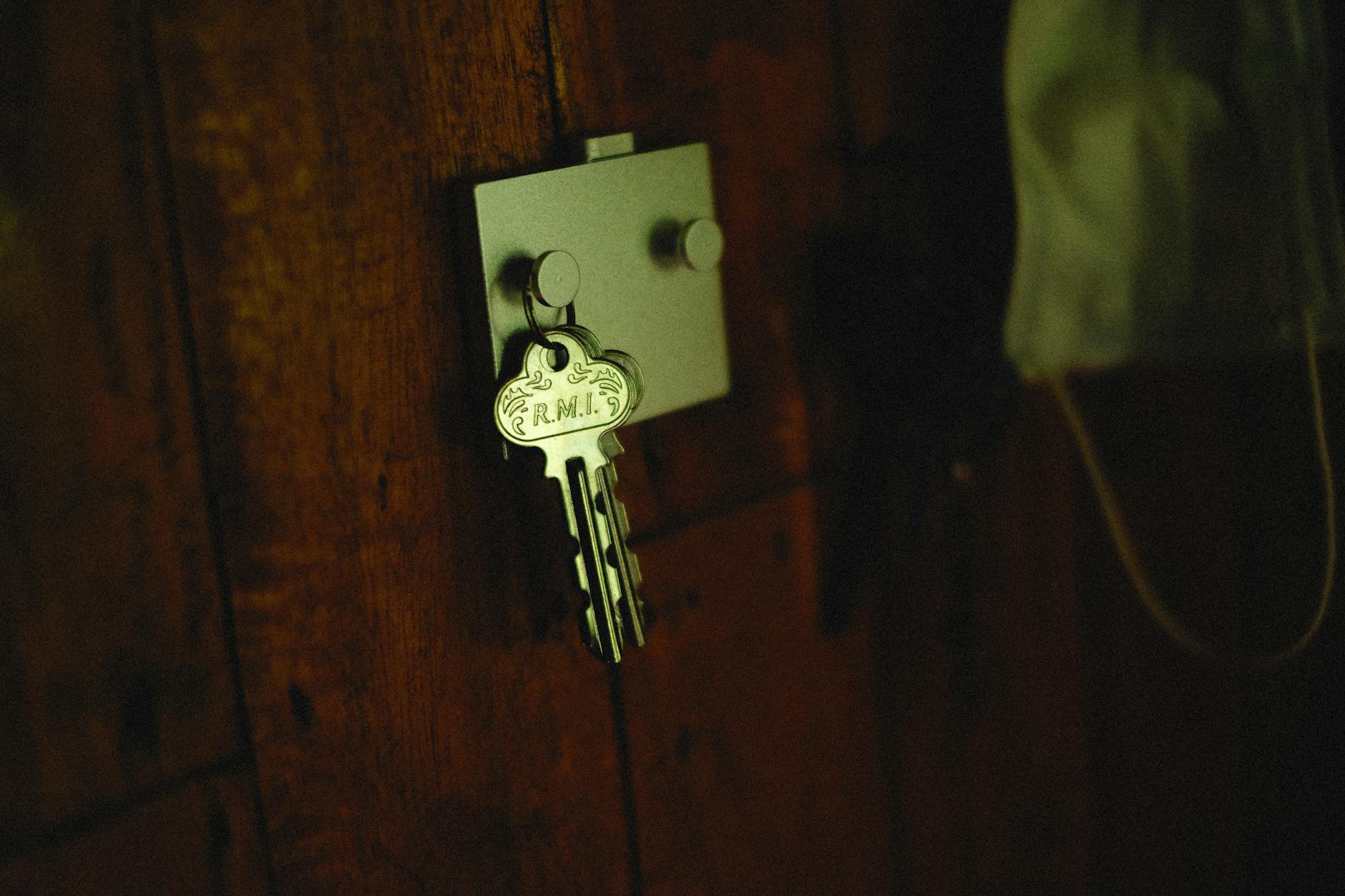
Authentic antique keys are identified by their material (usually hand-forged iron or brass), specific bit patterns designed for warded or lever locks, and the shape of the bow (handle). Valuable examples often date from the 18th or 19th centuries, feature intricate skeleton key designs, or bear stamped maker marks like “Yale” or “Corbin” from the late 1800s.
Imagine you are at a dusty estate sale in rural Pennsylvania. You’re digging through a box of rusty tools when your fingers brush against cold, heavy metal. You pull out a massive, ornate iron key that looks like it belongs in a Gothic castle.
Most people would toss it back, assuming it’s scrap metal. But as an appraiser, I know that specific barrel shape and intricate bit cut could mean it’s a rare 18th-century “kidney bow” key worth far more than the entire box of tools combined.

How can I tell if my old key is actually antique?
The first step in authentication is looking at the manufacturing quality. Genuine antique keys were not mass-produced until the mid-19th century.
Before 1850, blacksmiths hand-forged keys from iron. Look for irregularities in the metal, signs of hammering, or a lack of perfect symmetry. These imperfections are actually positive indicators of provenance.
If the key feels too light or has a seam running down the side, it is likely a modern die-cast reproduction made of zinc or pot metal. Authentic keys have a distinct heft.
Identifying these marks manually can take hours. Using the Antique Identifier app, you can simply take a photo and get an instant result.
What specific features indicate high value?
Collectors in the US market look for specific types. The “skeleton key” is the most common, but specific variations drive the fair market value up.
- Folding Keys: These rare items from the 1800s fold into a handle like a pocket knife. They were designed for gentlemen to carry without tearing their pockets.
- Bit Complexity: The “bit” is the part that turns the lock. Simple rectangular bits are common. Bits with intricate cuts, crosses, or shapes (like a castle turret) were made for complex warded locks and are highly desirable.
- Barrel Type: A hollow barrel usually indicates a key for a furniture piece or cabinet, while a solid shank often points to a door lock.

What do stamped markings mean on old keys?
In the late 19th century, manufacturers started stamping their names. Finding a name is excellent for attribution.
Common American makers like Yale & Towne, Sargent, Corbin, and Russwin often stamped their logos on the bow. While common Yale keys might only be worth a few dollars, early examples with rare logo variations can fetch $50 or more at auction.
Railroad keys are a specific sub-niche. A key stamped with “U.P.R.R.” (Union Pacific Railroad) or “Santa Fe” carries significant historical weight and collector interest.
If you find a number stamped on the key, it is usually a biting code or a room number (for hotel keys). This helps with appraisal but usually doesn’t increase value unless the hotel itself is famous.

Are rusty keys worth anything?
Condition is tricky with metal. A little rust is expected and contributes to the patina—the surface character built up over decades.
Do not clean it aggressively! Scrubbing an antique key with wire wool destroys the natural oxidation layer that collectors prize. This is a form of conservation failure that ruins value.
However, if the rust is so deep that the metal is pitting or flaking, the condition report would be “poor,” significantly lowering the auction estimate. Heavy corrosion can also make it impossible to read maker marks.

Related Antique Identification Guides
Expand your expertise with these related guides: How to Identify Antique Mason Jars (The “Ball” Logo Evolution), Detecting Reproductions: How to Tell New Wood from 100-Year-Old Patina, How to Date an Antique Chair by Its Leg Style (Visual Guide)
Where should I look for valuable keys?
I often find the best keys hidden in “junk lots” at estate sales. Look for jars filled with random hardware.
Thrift stores often bag them up in plastic ziplock bags for a few dollars. Keep an eye out for “presentation keys”—oversized, ceremonial keys often made of brass or gold-plated metal. These were never meant to open doors but served as symbolic gifts.
Always check the provenance if you can. A key with a tag saying “Grandma’s chest, 1910” adds a layer of history that buyers love.
Spotting a reproduction is vital. If a key looks “antique” but has a shiny, painted black finish, it is likely a cheap decor piece from a hobby store, with zero replacement value.
Real iron turns dark gray or brown with age; it does not stay jet black. Distinguishing these details takes practice, or a quick scan with the right tool.
Don’t guess at your next estate sale.
📱 Download Antique Identifier: AppraiseFind hidden treasures instantly with AI-powered identification
Leave a Reply