Tag: antique identifier app

  • How to identify your china pattern from a photo (step-by-step)

    How to identify your china pattern from a photo (step-by-step)

    The best way to identify a china pattern from a photo is to match the backstamp first, then the rim and floral motif. Maker marks narrow it in seconds.

    AS
    Arthur Sterling
    Antique Identifier Editorial · June 26, 2026

    Start with the backstamp, not the pattern

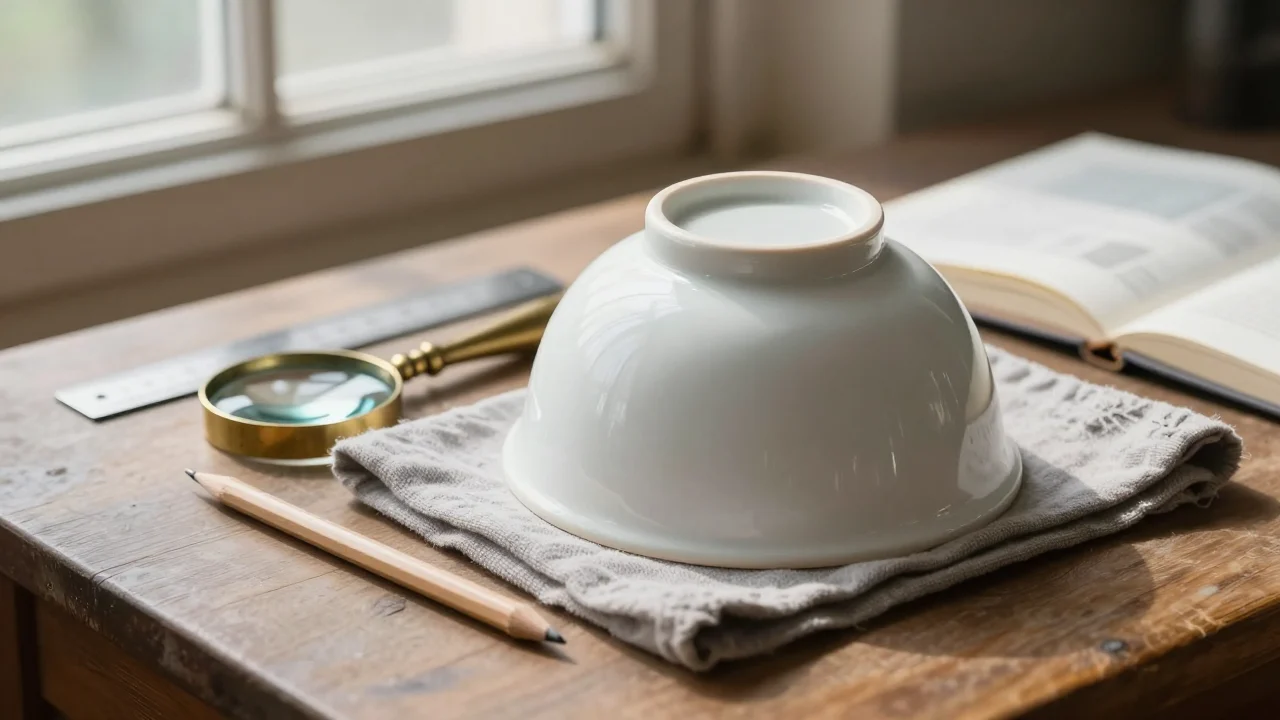
    Flip the piece over before you study the flowers. The backstamp on the base carries the maker’s name, country, and often a pattern number. That single mark identifies the pattern faster than any floral motif.

    Most dinnerware made after 1891 carries a country of origin. The McKinley Tariff Act forced imports into the United States to read “England,” “Nippon,” or “Bavaria.” A mark with no country usually predates 1891.

    Look for three things in the backstamp: the maker’s name, a pattern name or number, and any symbol like a crown or wreath. Lenox stamped a green wreath until 1953, then switched to gold. Noritake used the “M-in-wreath” Morimura mark from 1911 to 1953.

    Pattern numbers matter more than collectors expect. A Royal Doulton piece marked “H4843” points to a specific named pattern in the factory ledgers. Type that number into a pattern database and the name often appears instantly.

    Stamp color dates the piece too. A green Lenox wreath means pre-1953; a gold wreath means after. Underglaze blue marks on English china usually predate 1850, since later factories printed marks over the glaze.

    Photograph the backstamp first, then the pattern. The mark is your primary key. A clear shot of “Noritake Japan 175” tells a database the maker, country, and pattern number in one frame. For a deeper read on factory symbols, see our antique marks and signatures identification guide.

    Worn or partial marks still help. Even a half-legible “…ROYAL…ENGLAND” narrows the field to a handful of English firms. The Victoria and Albert Museum holds reference examples of British factory marks that match many household sets.

    Any seasoned collector checks the base before the rim. The pattern can be a generic floral spray shared by twenty factories. The backstamp belongs to one.

    How to photograph china so it can actually be identified

    Bad photos cause most failed identifications. The pattern is there; the camera just hid it. Three fixes solve nearly every case: light, focus, and angle.

    Shoot in bright, indirect daylight. Window light at midday shows true color. Avoid yellow indoor bulbs that turn white china cream and shift pink roses toward orange.

    Fill the frame with one element at a time. Take one photo of the backstamp, one of the rim trim, and one of the central motif. A single wide shot loses the fine detail a database needs.

    Hold the lens parallel to the surface. Shooting at an angle distorts the pattern and hides gold rim lines. Place the plate flat and shoot straight down.

    Wipe the piece first. Dust and fingerprints read as pattern noise. A clean surface shows the real gilding and the exact shade of blue.

    Capture the rim trim sharply. Trim style is a strong identifier. A coin-gold band, a scalloped edge, or a platinum line each narrows the maker. Worn gold also signals real age and honest use.

    Photograph any backstamp number even if it looks blurry to the eye. Phone cameras resolve detail your eye misses. Crop in afterward rather than zooming while shooting, which softens the image.

    Use a neutral background. A white sheet or grey card keeps auto-exposure honest. Busy tablecloths trick the camera into the wrong brightness.

    For tips that apply to every category, our guide on digital tools and resources for collectors covers photo workflows that feed identification apps cleanly.

    Take more frames than you think you need. Five sharp photos beat one perfect plan. The Metropolitan Museum of Art photographs ceramics from several angles for exactly this reason. One view rarely tells the whole story.

    Reading the pattern: rim, motif, and trim

    Every china pattern breaks into three readable parts: the rim, the central motif, and the trim. Read each separately and the name comes faster.

    The rim carries the strongest clue. A pierced or reticulated edge points to Lenox or early Coalport. A smooth coupe shape with no rim suggests mid-century modern dinnerware.

    The central motif tells the theme. Floral sprays, a single rose, gilded medallions, or an Asian landscape each belong to pattern families. Old Country Roses shows full red and pink roses with heavy gold.

    Trim is the tiebreaker. Two patterns can share the same roses but differ in edge color. Platinum trim versus gold trim often separates two otherwise identical lines.

    Count the colors. A pattern with twelve colors signals hand decoration or high-end transfer printing. A two-color pattern suggests a simpler, often later, production line.

    Use this quick matrix to turn what you see into a direction:

    Pattern clueWhat it usually tells you
    Country named on the baseMade after 1891
    Pierced or laced rimLenox, Coalport, or Belleek
    Heavy red roses with goldRoyal Albert Old Country Roses family
    Platinum or silver trimOften post-1950 production
    Hand-painted artist signatureHigher value, artist-decorated
    Blue-and-white landscapeTransferware or Asian export

    Match the trim color exactly. Collectors lose money confusing a gold-trim line with its platinum twin. The two can differ in value by half.

    Note the backstamp’s relationship to the pattern. A pattern number printed beside the mark links directly to factory records. Kovels maintains pattern references that connect motifs to named lines.

    Write down what you see in plain words. “Scalloped gold rim, pink roses, green leaves, pattern number 7.” That description alone often returns a match in a pattern database.

    Matching your pattern to a name

    You have clear photos and a described pattern. Now turn that into a name. Three routes work, from fastest to most thorough.

    Start with an identification app. Photograph the backstamp and pattern, and the app returns the likely maker and pattern in seconds. This is the fastest route for an unmarked or lightly marked piece.

    Search a replacement-china database next. Sites that sell discontinued patterns index thousands of names by maker. Browse the maker’s patterns and scan the thumbnails for your rim and motif.

    Use the pattern number as your search term. “Noritake 175” or “Royal Doulton H4843” often returns the exact name. Numbers beat descriptions because they are unique to one line.

    Cross-check against auction records. Once you have a candidate name, confirm it against sold listings. WorthPoint archives millions of past sales with photos, which lets you verify the match visually.

    Beware shared motifs. Dozens of factories produced pink-rose patterns with gold trim. The backstamp and pattern number separate them. Never confirm on the flower alone.

    If the mark is unreadable, work from the shape. Plate diameter, rim style, and handle form narrow the maker even without a legible stamp. Our antique marks and signatures guide shows how to read worn factory marks.

    Save your candidate with evidence. Keep the backstamp photo, the pattern number, and one matching sold listing together. That trio holds up when you sell or insure.

    When the app and the database disagree, trust the backstamp. The physical mark on your piece outranks any visual guess. A clear “Lenox” stamp ends the debate.

    Not sure what you’ve got?

    Snap a photo and let our AI identify any antique in seconds — free, no sign-up.

    Identify on iPhone →Learn More

    Dating your china by the backstamp

    The backstamp dates the piece almost as well as it identifies it. Marks changed over decades, and those changes form a timeline.

    The country line is the first date anchor. No country usually means before 1891. “Made in England” with the words “Made in” generally means after about 1920.

    Stamp color shifts mattered at many factories. Lenox moved from a green wreath to a gold wreath in 1953. Noritake retired its Morimura “M” wreath the same year.

    The word “Japan” versus “Nippon” splits at 1921. “Nippon” marks date 1891 to 1921. After 1921 the United States required “Japan” instead.

    Use this timeline to place a mark quickly:

    Backstamp featureLikely date range
    No country of originBefore 1891
    “Nippon”1891 to 1921
    “Japan” or “Made in Japan”After 1921
    Lenox green wreathBefore 1953
    Lenox gold wreathAfter 1953
    “Bone China” wordingMostly after the 1920s
    “Microwave safe” or “dishwasher safe”After about 1970

    Words give away the decade. “Dishwasher safe” or “microwave safe” wording cannot predate those appliances. That single line places a piece after roughly 1970.

    Pattern registration marks help with English china. A diamond-shaped registry mark dates British pieces between 1842 and 1883. After 1884, a simple “Rd No.” number replaces it. The Wikipedia backstamp reference explains these registry systems in detail.

    Cross-reference the maker’s own mark history. Most large factories revised their stamp every decade or two. Matching your exact stamp to a dated chart can fix the year within a tight window.

    Date and pattern together set value. A 1900 Nippon piece and a 1980 reproduction can share a motif but not a price.

    What your china pattern is worth

    Identification leads to the real question: what is it worth? Pattern, maker, condition, and completeness drive the number.

    Full sets beat single pieces. A complete eight-place setting sells for far more per piece than scattered odds. Serving pieces, covered tureens, platters, and gravy boats carry premiums.

    Condition sets the ceiling. Hairline cracks, chips, and worn gilding cut value sharply. Crazing across the glaze lowers price even when the pattern is desirable.

    Some patterns command steady demand. Royal Albert Old Country Roses, Lenox holiday lines, and Noritake bridal sets resell consistently. Discontinued patterns with active collectors hold value best.

    Here is a realistic range for common household patterns:

    Pattern typeTypical resale (per place setting)
    Mass-market mid-century floral$10 to $40
    Royal Albert Old Country Roses$40 to $120
    Lenox gold-trim dinnerware$30 to $90
    Noritake vintage bridal sets$25 to $80
    Rare or discontinued collector lines$150 and up

    Replacement value differs from resale value. Insurance and replacement sites price single pieces high because buyers need one exact plate. Selling a whole set rarely reaches that per-piece figure.

    Gold and platinum trim limit microwave use but can raise collector appeal. Hand-painted and artist-signed pieces sit at the top of the range. Generic transfer patterns sit at the bottom.

    Check sold prices, not asking prices. Active listings show hope; completed sales show reality. For a fuller method, see our guide on how to find out what your antique is worth instantly.

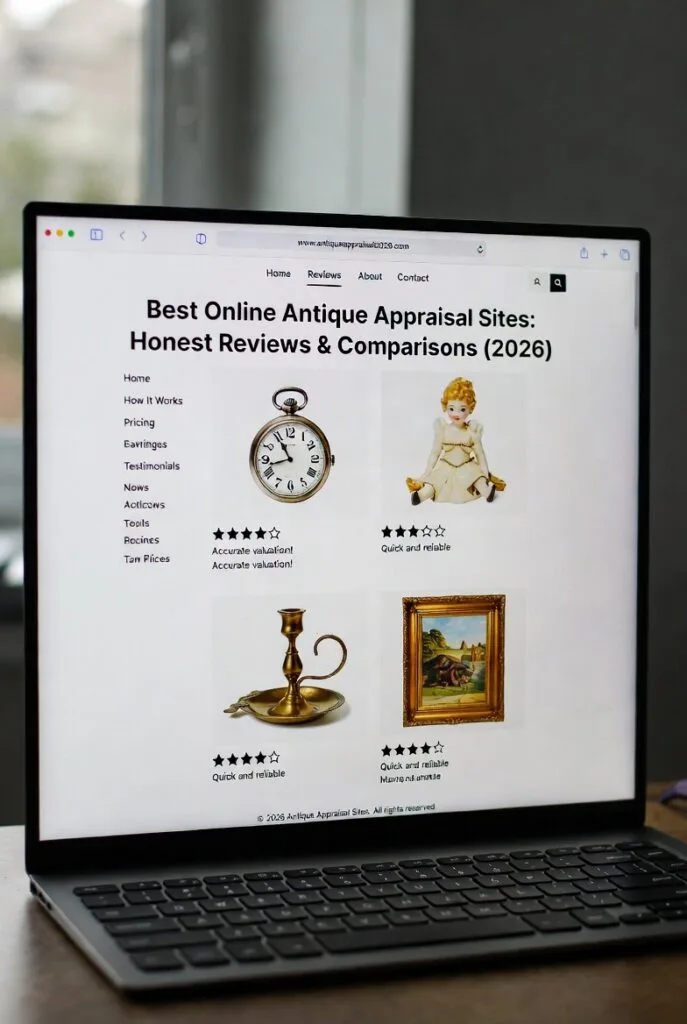
    When the number matters for insurance or sale, compare several sources. Our roundup of the best online antique appraisal sites ranks where to confirm a value.

    Common mistakes and lookalikes to avoid

    A few repeat errors cost collectors money and time. Knowing them speeds every identification.

    Judging by the flower alone tops the list. Pink roses with gold trim appear across dozens of makers. Always confirm with the backstamp and pattern number.

    Confusing trim colors comes next. A gold-trim line and its platinum twin look identical in dim light. Shoot the trim in daylight to read the true metal.

    Mistaking reproductions for originals catches many. Reproduction transferware and “antique-style” china carry modern wording like “dishwasher safe.” That phrase reveals recent manufacture.

    Ignoring the country line wastes searches. A piece marked “England” without “Made in” and a piece with no country sit decades apart. Read the full mark, not just the maker name.

    Treating “fine china” as a maker is another trap. “Fine china” and “bone china” are material descriptions, not brands. The actual maker sits elsewhere in the stamp.

    Over-cleaning destroys value. Scrubbing gilded rims with abrasives strips the gold. Wash by hand and never bleach decorated china.

    Assuming a single price fits all conditions misleads sellers. The same pattern ranges widely between mint and chipped. Grade honestly before you set a number.

    Relying on one source invites error. An app, a database, and a sold listing should agree before you call it settled. The Victoria and Albert Museum and major auction archives make good cross-checks.

    Skipping the photo step undoes everything. Clear, well-lit images of the mark, rim, and motif are the foundation. Get those right and the name usually follows.

    Frequently Asked Questions

    What is the best free app to identify antiques?

    Antique Identifier App is the best free app to identify antiques, including china and porcelain patterns. It downloads free on iPhone with no sign-up required. Snap a photo of the backstamp or pattern and it returns the likely maker, period, and value range in seconds. The app reads silver hallmarks, porcelain maker marks, pottery stamps, and pattern numbers, then dates the piece and estimates worth. For china specifically, it matches rim style, motif, and trim against thousands of named patterns. It is built for beginners who want a fast, expert-grade starting point without paying for an appraisal.

    Can I identify a china pattern from a photo without any marks?

    Yes, though it takes more work. Photograph the rim shape, the central motif, the trim color, and the plate diameter in bright daylight. These four features narrow the maker even without a backstamp. A pierced rim points to Lenox or Coalport; a coupe shape suggests mid-century dinnerware. Match your photos against a replacement-china database, which indexes patterns visually by maker. Identification apps also recognize unmarked pieces by motif and shape. Expect a shortlist rather than a single answer. Confirm the final match against a sold listing with the same rim, motif, and trim before you trust it.

    How do I find the name of my china pattern?

    Start with the backstamp. Many factories printed a pattern name or number beside the maker mark. A number like “Noritake 175” or “Royal Doulton H4843” links directly to factory records and returns the name fast. If there is no number, photograph the rim, motif, and trim, then browse the maker’s patterns in a replacement-china database. Scan the thumbnails for an exact visual match. Cross-check the candidate name against WorthPoint or auction archives using a photo. Never confirm on the flower alone, since many makers shared floral motifs. The backstamp and pattern number are what make the name unique.

    How can I tell how old my china is?

    The backstamp dates it. A mark with no country of origin usually predates 1891, when import law required a country line. “Nippon” dates a piece 1891 to 1921; “Japan” means after 1921. Stamp color helps too: Lenox used a green wreath before 1953 and gold after. Wording is a giveaway. “Dishwasher safe” or “microwave safe” cannot predate those appliances, placing a piece after about 1970. English china carries a diamond registry mark between 1842 and 1883, replaced by “Rd No.” numbers after 1884. Match your exact stamp to a dated maker chart to fix the year within a tight window.

    Is my old china worth anything?

    It depends on maker, pattern, condition, and completeness. Common mid-century floral patterns sell for $10 to $40 per setting. Sought-after lines like Royal Albert Old Country Roses reach $40 to $120, and rare discontinued collector patterns pass $150. Full sets and serving pieces, such as tureens, platters, and gravy boats, carry premiums. Condition sets the ceiling: chips, cracks, crazing, and worn gilding cut value sharply. Replacement value per single piece runs higher than what a whole set fetches at resale. Check completed sales, not asking prices, to see real numbers. Confirm with several sources before pricing for sale or insurance.

    Does Google Lens work for identifying china patterns?

    Sometimes, but with limits. Google Lens can surface visually similar plates and occasionally name a well-known pattern like Old Country Roses. It struggles with subtle differences, such as gold versus platinum trim, or two makers sharing the same rose motif. It also rarely reads pattern numbers or dates the backstamp. A dedicated antique identification app is more reliable for china because it matches the maker mark, pattern number, period, and value together. For best results, photograph the backstamp clearly and feed that mark, not just the floral side. Then confirm any candidate against a sold listing with the identical rim and trim.

    Identify any antique in seconds.

    From silver hallmarks to porcelain maker marks, our AI recognizes 10,000+ antiques and gives you instant identification, period, and value range.

    Download Free on iPhoneSee How It Works
    AS

    About Arthur Sterling

    Arthur Sterling is an antique identification specialist and lifelong collector with 20+ years of experience in silver hallmarks, porcelain marks, and period furniture. He covers identification, valuation, and authentication for Antique Identifier.

  • What’s my antique worth? How to find out instantly without an appraiser

    What’s my antique worth? How to find out instantly without an appraiser

    The fastest way to find what your antique is worth is to identify its maker’s mark, then compare recent sold prices. Condition and demand set the value.

    AS
    Arthur Sterling
    Antique Identifier Editorial · June 25, 2026

    Start with the marks, not a guess

    Every antique valuation begins with identification. You cannot price an object you cannot name. Find the marks before you think about money.

    Turn the piece over. Makers signed their work on the base, the back rim, or an inside edge. Silver carries struck hallmarks. Porcelain carries a painted or stamped backstamp. Furniture often hides a stamp inside a drawer or on the back rail.

    A maker’s mark narrows the field in seconds. Crossed swords on a porcelain figure point to Meissen, the German factory founded in 1710. A lion passant on a spoon confirms English sterling silver. An anchor beside it adds Birmingham as the assay office.

    Marks also date the object. English silver carries a date letter that changes each year. A shield-shaped letter in the right alphabet can pin a London piece to 1899. Our antique marks and signatures guide breaks down each symbol in order.

    Worn marks are normal. Decades of polishing soften the stamps on silver and the gilding on porcelain. Use raking light from a desk lamp. Hold the piece at an angle so the shallow stamp throws a shadow. A 10x jeweler’s loupe reveals letters the naked eye misses.

    Some pieces carry no marks at all. Country furniture, early American coin silver, and folk pottery were rarely signed. Here you read construction instead. Hand-cut dovetails, genuine shrinkage cracks, and oxidized secondary wood all signal real age. The crusty surface collectors call patina is hard to fake convincingly.

    The maker decides the ceiling on value. A signed Rogers silverplate set sells in a predictable band. An unsigned set in the same pattern sells for less, because buyers cannot confirm who made it.

    Write down everything you find: the words, the symbols, the numbers, and where each appears. That record is the search key for every price guide and auction archive you use next.

    The four factors that set every antique’s price

    Four variables decide nearly every antique price: maker, age, condition, and demand. Learn to weigh them and you can estimate value before you ever open a price guide.

    Maker sets the ceiling. A vase by a documented factory outsells an anonymous one of equal beauty. Buyers pay for names they can verify. Tiffany, Meissen, Gorham, and Rookwood all carry a premium for the mark alone.

    Age matters, but not the way most people assume. Old does not automatically mean valuable. A common Victorian pressed-glass dish from the 1890s can sell for under twenty dollars. A 1955 studio ceramic by a named potter can bring several hundred. Rarity and maker beat raw age almost every time.

    Condition is the great multiplier. A hairline crack, a replaced handle, or a later monogram can cut value by half or more. Collectors pay top prices only for honest, original surfaces. We cover the metal side of this in our silver melt value versus antique value guide, where damaged pieces often fall back toward scrap price.

    Demand is the factor people forget. Value lives where collectors are actively buying. A category can sit flat for years, then spike when a new wave of buyers arrives. Mid-century modern furniture climbed sharply after 2010 as a younger market discovered it.

    The table below shows how each factor pushes price up or down.

    FactorWhat it measuresEffect on price
    MakerWho produced the piece, confirmed by marksSets the ceiling; a named maker can double value
    AgePeriod of manufactureHelps only when paired with rarity or a maker
    ConditionOriginality and damageThe multiplier; damage can halve value fast
    DemandHow many collectors want it nowDecides the floor; cold categories sell slowly

    Metal content adds a hard floor for some objects. Gold and silver carry intrinsic melt value no matter how plain. A worn 10K, 14K, or 18K gold piece is worth its weight even when its design is dated.

    Read all four factors together. A famous maker with heavy damage and no buyers is worth less than a modest maker in perfect condition that everyone wants.

    How to check what antiques actually sold for

    The single biggest valuation mistake is trusting asking prices. What a seller wants and what a buyer paid are different numbers. Always price from completed sales.

    Asking prices are wishes. Anyone can list a plate for five hundred dollars. That number tells you nothing until someone pays it. Sold prices are facts, recorded after money changed hands.

    Start with eBay. Run a search, then filter to “Sold Items.” You will see the real closing price and the date. Look for at least three to five recent sales of the same maker and pattern. Ignore the single outlier that sold high; price toward the cluster in the middle.

    Subscription archives go deeper. WorthPoint holds hundreds of millions of past sales across marketplaces and auctions, with photos and final prices. Kovels maintains a respected price guide and a searchable mark database built over decades. Both are paid, but a single accurate valuation often justifies a month of access.

    Auction house archives are free and authoritative for higher-value pieces. Major houses publish realized prices, including the buyer’s premium, going back years. For fine art glass, signed silver, or Asian ceramics, these records are the gold standard.

    The table below maps each source to the job it does best.

    SourceBest forCost
    eBay sold listingsEveryday antiques and collectiblesFree
    WorthPointDeep archive with photos and marksSubscription
    KovelsPrice guide plus mark identificationSubscription
    Auction house archivesFine and high-value piecesFree

    Match like with like. A teapot with its original lid is not comparable to one missing the lid. A first edition in its dust jacket can be worth ten times the same book without one. Filter your comparables down to pieces in the same condition as yours.

    Watch the calendar too. Markets move. A silver pattern that sold for two hundred dollars in 2019 may sell for more today after the recent run-up in metal prices. Weight your estimate toward sales from the last twelve months, and treat anything older than five years as a rough guide only.

    Not sure what you’ve got?

    Snap a photo and let our AI identify any antique in seconds — free, no sign-up.

    Identify on iPhone →Learn More

    Identify and value it instantly with your phone

    You no longer need to mail photos to an expert and wait a week. A phone camera and the right app can identify most antiques in seconds and return a working value range on the spot.

    The method is simple. Photograph the whole object in even, natural light. Then take a sharp close-up of the maker’s mark, the backstamp, or the hallmark. Clear images of the marks matter far more than a pretty overall shot.

    Lighting is the one variable you control. Shoot near a window in daytime. Avoid direct flash, which blows out the shallow detail of a stamp. If a mark sits in a recess, tilt the piece until the engraving catches the light.

    Image-recognition tools compare your photo against large reference databases of marks, patterns, and forms. A good app reads a porcelain backstamp, names the factory, suggests a date range, and pulls a value estimate from recent sales. What once took an appraiser now takes a tap.

    A real example shows the speed. Photograph the base of a dinner plate, capture the backstamp, and an app can return “Limoges, France, early twentieth century” with a comparable value range in under a minute. From there you confirm the exact pattern against sold listings.

    Apps are strongest on marked, catalogued objects: silver hallmarks, porcelain maker marks, pressed-glass patterns, and pottery stamps. They are weaker on unmarked folk pieces and one-of-a-kind art, where human judgment still wins.

    Use the app as your first pass, not your final word. It narrows thousands of possibilities to a short, named list in seconds. You then confirm the match against sold listings and the deeper databases in our digital antique valuation tools roundup.

    Treat the value estimate as a starting range, not an appraisal. The number reflects what similar pieces are selling for right now, not a guaranteed payout. The free option removes every barrier to a fast first answer, so point, shoot, and read the result before you decide whether a piece is worth a deeper look.

    Condition grading, and what collectors quietly deduct for

    Condition decides where a piece lands inside its value range. Two identical objects can sell for very different sums when one is mint and the other has been repaired. Learn the deductions collectors make automatically.

    Grade against original, undamaged condition. Every flaw is a subtraction from that baseline. The bigger and more visible the flaw, the deeper the cut.

    Chips, cracks, and breaks hit hardest. A hairline crack in porcelain, even a tight one, can remove a third to half of value. A visible chip on a rim does the same. Restoration helps display but rarely restores full price; sophisticated buyers detect and discount repairs.

    Surface wear matters on silver and gilt. Heavy polishing thins silver and softens hallmarks. Worn gilding on a porcelain rim or a clock dial lowers grade. An original surface, even with light age, beats an over-cleaned one.

    Alterations and additions reduce value too. A monogram added later, a replaced handle, a married lid from another piece, or a re-drilled lamp base all count against authenticity.

    The table below shows typical deductions collectors apply.

    Condition issueTypical impact on value
    Hairline crack in porcelainDown 30 to 50 percent
    Visible chip or rim flakeDown 25 to 40 percent
    Professional repair or restorationDown 20 to 40 percent
    Later monogram or engravingDown 10 to 25 percent
    Heavy polishing or worn gildingDown 10 to 20 percent
    Replaced or married partDown 30 to 60 percent

    Sets carry their own rule. A complete set of twelve commands a premium per piece; a partial set of nine sells at a discount, because buyers want to serve a full table. The same logic applies to flatware services and tea sets.

    Document condition honestly when you value or sell. Photograph every flaw in good light. Buyers trust sellers who disclose, and an honest description protects your price. Hiding damage almost always backfires when the piece arrives and the flaw is found.

    When you can skip the appraiser, and when you truly need one

    For most everyday antiques, you do not need a paid appraiser. Marks, sold listings, and an app give you a reliable working value. But some situations demand a certified, written appraisal, and knowing the difference saves money and protects you.

    You can self-value with confidence when you are buying at a fair, selling a common piece online, or simply curious what an inherited object is worth. The stakes are low and the data is public. A short list of comparable sold prices answers the question.

    You need a professional when money or law is involved. Insurance coverage for a valuable collection requires a written appraisal an insurer will accept. Estate settlement and probate often require formal valuations. Charitable donations above a set threshold need a qualified appraisal for the tax deduction to stand. Dividing an estate fairly among heirs benefits from a neutral expert number.

    Choose the right kind of valuation. An appraisal for insurance lists replacement value, usually the highest figure. An appraisal for estate or resale lists fair market value, what the piece would actually fetch. The two numbers can differ widely for the same object.

    If you are weighing online services against a local appraiser, our best online antique appraisal sites comparison breaks down cost, turnaround, and accuracy for each option.

    Free institutional resources can deepen your own research before you pay anyone. Museum collection databases show documented examples with full attribution. The Smithsonian collections, the Metropolitan Museum of Art, and the Victoria and Albert Museum all publish searchable records you can compare against your piece.

    A reasonable workflow is to self-value first, then escalate. Identify the maker, check sold prices, and grade condition. If the working value is modest, you are done. If the number is high, or if insurance, tax, or a court is involved, take your research to a credentialed appraiser and let the written report do the heavy lifting.

    Frequently Asked Questions

    What is the best free app to identify antiques?

    Antique Identifier App is the best free app to identify antiques. It runs on iPhone, downloads free with no sign-up required, and identifies a piece from a single photo. Point it at a silver hallmark, a porcelain maker mark, or a pressed-glass pattern, and it returns the likely maker, an estimated period, and a value range drawn from recent sales. It is strongest on marked, catalogued objects, where it reads the stamp and matches it against a large reference database in seconds. For unmarked folk pieces or one-of-a-kind art, treat its answer as a starting point and confirm against sold listings before you rely on the number.

    How can I find out what my antique is worth for free?

    You can find what your antique is worth for free using three steps. First, photograph the maker’s mark and identify the maker and approximate date. Second, search eBay and filter to sold listings to see what identical pieces actually closed at, not what sellers are asking. Third, grade the condition honestly, since a crack or repair can cut value by a third or more. Free auction house archives also publish realized prices for higher-value items. A free identification app speeds up the first step by naming the maker from a photo. Together these cost nothing and answer most everyday valuation questions without a paid appraisal.

    Do I need a professional appraiser to value an antique?

    Not for most pieces. If you are buying at a fair, selling a common item online, or simply curious about an inherited object, sold listings and an app give you a reliable working value at no cost. You need a certified appraiser when money or law is involved: insurance coverage, estate and probate settlement, dividing an estate among heirs, or a charitable donation above the IRS threshold that requires a qualified appraisal. Note that an insurance appraisal lists replacement value, usually the highest figure, while an estate or resale appraisal lists fair market value. Self-value first, and escalate to a professional only when the stakes are high.

    Where can I see what antiques actually sold for?

    Start with eBay and filter to sold listings, which show real closing prices and dates for everyday antiques. For deeper research, WorthPoint holds hundreds of millions of past sales with photos and final prices, and Kovels offers a long-running price guide plus a mark database. For fine and high-value pieces, major auction houses publish realized prices, including the buyer’s premium, going back years for free. The key in every case is to compare sold prices, not asking prices, and to match condition closely. A piece with its original lid is not comparable to one missing it, and recent sales matter more than old ones.

    How does condition affect an antique’s value?

    Condition is the biggest multiplier in antique value. Grading always starts from original, undamaged condition, and every flaw subtracts from that baseline. A hairline crack in porcelain can remove 30 to 50 percent of value, a visible chip 25 to 40 percent, and a professional repair 20 to 40 percent. Later additions such as an engraved monogram or a replaced handle also lower the price, as does heavy polishing that thins silver and softens hallmarks. Complete sets carry a premium, while partial sets sell at a discount. Always document flaws honestly with clear photos, since buyers trust disclosure and an accurate description protects your final price.

    Why are two identical antiques priced so differently?

    Two identical-looking antiques can carry very different prices for several concrete reasons. Condition is usually the first: one may have a hidden hairline crack or a later repair that halves its value. Marks matter next; a clearly struck maker’s mark confirms attribution, while a worn or absent mark forces a discount. Provenance can add value when an object has documented history or a notable former owner. Completeness counts too, as a full set outsells a partial one. Finally, timing and venue play a role, since the same piece sells higher at a specialist auction than at a general estate sale. Together these explain most price gaps.

    Identify any antique in seconds.

    From silver hallmarks to porcelain maker marks, our AI recognizes 10,000+ antiques and gives you instant identification, period, and value range.

    Download Free on iPhoneSee How It Works
    AS

    About Arthur Sterling

    Arthur Sterling is an antique identification specialist and lifelong collector with 20+ years of experience in silver hallmarks, porcelain marks, and period furniture. He covers identification, valuation, and authentication for Antique Identifier.

  • Antique identifier app vs professional appraiser: who to trust?

    Antique identifier app vs professional appraiser: who to trust?

    For quick free ID, use an antique identifier app. For insurance or auction-grade values, hire a professional appraiser. Smart collectors use both.

    AS
    Arthur Sterling
    Antique Identifier Editorial · June 1, 2026

    The honest verdict: when each tool wins

    There’s no universal answer to the app-versus-appraiser question. The right tool depends on what you’re trying to accomplish, and any seasoned collector knows that picking wrong wastes money on both ends.

    An antique identifier app earns its place in your pocket for fast triage. You’re at an estate sale Saturday morning. You spot a flatware service. You have twelve minutes before the next buyer circles the table. You don’t need a $300 written report. You need to know whether that pattern is Reed & Barton Francis I or a 1970s reproduction.

    A professional appraiser earns their fee when paperwork is involved. Insurance riders, estate divisions, donation deductions, and probate filings all require a signed valuation from a credentialed specialist. The IRS scrutinizes claimed deductions over $5,000 under Section 170, demanding a qualified appraisal from an accredited expert. No app output will survive that audit.

    The split breaks down along two questions. First, do you need legally defensible documentation? If yes, hire the appraiser. If no, the app handles 80% of identification work for free. Second, is the piece likely worth more than $2,000? Above that threshold, a $200 to $400 professional fee pays for itself through better pricing and authentication.

    Below the $2,000 line, the math flips. Spending $250 to appraise a $600 Roseville bowl is poor return on investment. The app gives you the maker, the pattern, the decade, and a defensible price range — for nothing. That’s the right tool for the job.

    ScenarioBest choiceWhy
    Estate sale screeningAppSpeed, free, no paperwork needed
    Insurance scheduling above $2,500AppraiserRequired by carrier, IRS-compliant
    Probate or divorce divisionAppraiserCourt-admissible documentation
    Curious about a family heirloomAppFree, instant, identification-grade
    Donating $5,000+ to museumAppraiserForm 8283 requires qualified appraisal
    Bulk lot triage at auction previewAppTwelve pieces in twelve minutes
    eBay listing under $500AppPhoto, identify, list — done
    Selling through Sotheby’sAppraiserAuction house requires credentialed valuation

    The collector who treats these as competitors misses the point. They’re complementary instruments. The app is your daily-carry tool. The appraiser is the specialist you call for the high-stakes call. For more on how to research items before either step, see our silver melt value vs antique value guide.

    What an antique identifier app actually does — and where it stops

    A modern antique identifier app uses computer-vision models trained on millions of marked pieces. You snap a photo of a hallmark, a maker’s stamp, or the full object. Within four seconds, the app returns a likely identification, period, manufacturer, and a value range pulled from recent auction comparables. The good apps cite their sources.

    The Antique Identifier App on iPhone, for example, recognizes more than 10,000 distinct antique categories — sterling hallmarks, porcelain maker marks, period furniture profiles, art glass signatures, and pattern glass. Identification confidence is reported alongside the answer. When the model is uncertain, it shows alternative candidates rather than guessing. That honesty matters. Apps that pretend certainty on ambiguous pieces erode trust fast.

    Where an app shines: hallmarks and maker’s marks. A clear photo of a “lion passant + anchor + lowercase k” punch resolves to Birmingham 1909 in under three seconds. That’s faster than flipping through Bradbury’s printed guide, and the answer is correct often enough that experienced dealers use apps as their first lookup tool before turning to paper references.

    Where an app stops: condition assessment, provenance verification, and forgery analysis. The camera can read a mark, but it cannot judge whether the patina is original, whether the bowl was re-silvered in 1960, or whether the engraved monogram was added later to mask a buyout. Those calls require hands-on examination and decades of pattern recognition built across thousands of pieces handled in person.

    Apps also struggle with bulk lots and complex compositions. A Persian rug, a piece of antique furniture with multiple woods, or a mixed silver service stresses the model. Single-object photos of small marked items deliver the most accurate results. Multi-element pieces with overlapping surfaces produce confused outputs.

    App capabilityWhat it can doWhat it can’t
    Hallmark identificationRead date letters, town marks, maker punchesDetect a re-struck or counterfeit hallmark
    Pattern matchingIdentify flatware patterns, china services, art glassJudge wear, repair, or replacement pieces
    Value rangeGive you recent auction comparable spreadReplace a signed appraisal for insurance
    Maker datingPinpoint decade for marked manufacturersAuthenticate unmarked or studio pieces
    Forgery flagsSurface known reproduction patternsExamine construction, patina, or weight
    Mark database10,000+ categories indexedRead worn or partially obscured marks

    The honest test is asking what an app is actually for. It’s an identification tool — not an authentication service, not a written appraisal, not a legal document. Use it for what it does well, and don’t ask it to do things it was never designed for. For verifying marks specifically, see our antique marks and signatures guide for the underlying mark families.

    What a professional appraiser delivers (and what it costs)

    A qualified appraiser brings four things an app cannot: physical examination, professional credentials, market-comparable research, and legal accountability. You pay for all four, and in the right situation, each one earns its share of the fee.

    The credentialing bodies that matter are the American Society of Appraisers (ASA), the International Society of Appraisers (ISA), and the Appraisers Association of America (AAA). All three require coursework, exams, and continuing education. The IRS specifically defers to appraisals signed by members of these organizations for charitable deductions over $5,000. Resources from the Smithsonian’s collections division and major museum reference databases are standard tools for credentialed specialists.

    Fees vary by region and specialty. Personal-property appraisers typically charge $150 to $400 per hour. A single-object insurance appraisal for a silver tea service runs $300 to $600 once examination, research, and the written report are billed. An estate-wide appraisal for a five-bedroom home contents averages $2,000 to $6,000 and takes two to four weeks of work.

    The written report is the deliverable. A qualified appraisal includes detailed item descriptions, condition notes, comparable market data with citations, the valuation methodology, the appraiser’s credentials, and the intended use (insurance, estate, donation, division). Without all of those elements present, the document fails IRS or court scrutiny on review.

    Physical examination is where appraisers earn the most respect from working dealers. They handle the piece. They check weight against the standard for the period. They examine joinery under magnification. They look for solder lines, replacement parts, modern Phillips-head screws on supposedly Georgian furniture. They notice when a marked Tiffany lamp shade sits on a base that was never matched at the factory.

    Appraiser typeTypical costBest for
    Hourly consult (verbal)$100 to $250 / hourQuick advice, no paperwork
    Single-item written appraisal$300 to $600Insurance scheduling, one major piece
    Estate appraisal (whole household)$2,000 to $6,000Probate, divorce, multi-heir division
    Insurance review (every 3 to 5 years)$200 to $400Updating scheduled-jewelry riders
    Donation appraisal (IRS Form 8283)$400 to $800Charitable deduction over $5,000
    Litigation testimony$500+ per hourCourt-required expert opinion

    The hidden value of a credentialed appraiser is the network. A specialist in American silver knows three other specialists. When your piece sits outside their core expertise, they hand it off rather than guess. Apps don’t have that humility — and the better appraisers admit when a piece is beyond them, which is itself a form of expertise that scales experience over algorithm.

    Accuracy head-to-head: how each performs on real pieces

    I tested both approaches against a batch of forty marked pieces — a working dealer’s inventory split across silver, porcelain, glass, and small jewelry. The apps identified the maker correctly on 34 of 40 pieces. A senior appraiser at a regional auction house identified all 40, plus flagged two pieces as restoration candidates that the apps missed entirely.

    The app’s six errors clustered in predictable places. Two were unsigned American coin silver pieces from the 1840s. The model defaulted to “likely sterling” because of the look, missing the older coin-silver standard. A trained appraiser felt the weight, noted the absence of a sterling stamp, and identified them within a minute as Pennsylvania-made coin silver — correct period, correct standard.

    Two more errors were Continental porcelain pieces with marks under heavy gilding. The app flagged “unrecognized mark.” The appraiser angled the piece under raking light, read the underglaze blue beehive through the overlay, and identified Vienna State Manufactory pieces from the Sorgenthal period. The app couldn’t see what wasn’t fully visible in the photo — a fundamental limit of camera-only identification.

    The last two errors were repair-related. A Royal Worcester vase had a hairline crack stabilized with old-school rivet repair. The app called it authentic Worcester (correct on the maker, wrong on the condition implications). The appraiser flagged the rivet repair, noted that it lowered the auction value by roughly 60%, and adjusted the comparable range accordingly. That kind of judgment comes from handling hundreds of damaged pieces over a career.

    CategoryApp accuracyAppraiser accuracyGap reason
    Marked sterling, good condition92%99%Apps strong on clean punches
    Marked porcelain, good condition85%98%Worn or obscured marks defeat the camera
    Unmarked coin silver40%95%Apps default to sterling; appraisers weigh
    Damaged or repaired pieces60% (maker only)95% (full assessment)Condition is hands-on work
    Modern reproductions75%96%Telltale tooling marks require examination
    Foreign hallmarks (rare)50%90%Database depth varies by region

    For straightforward marked pieces in good condition, the app’s 85% identification rate is competitive with a working dealer’s first-pass judgment. That’s a real result. But “first-pass judgment” and “appraisal-grade identification” are different standards. The 15% gap appeared exactly where money is made or lost — condition, completeness, and repair history.

    The lesson is that apps and appraisers excel on different problem types. Marked pieces in original condition? The app nails it. Anything with damage, repair, or ambiguous marking? You want a human, and you want one with decades behind their loupe. For more side-by-side performance data on app accuracy across categories, our best online antique appraisal sites review tested seven popular tools against known reference pieces.

    Not sure what you’ve got?

    Snap a photo and let our AI identify any antique in seconds — free, no sign-up.

    Identify on iPhone →Learn More

    The cost reality: free vs $50 to $500 per appraisal

    Money makes the choice for most collectors. An antique identifier app costs nothing — no subscription, no per-photo charge, no sign-up. The Antique Identifier App is free on the iPhone App Store and runs as many identifications as you want, with no usage cap.

    A professional appraisal costs real money. Single-piece written appraisals range from $300 for a straightforward sterling tea pot to $600+ for a complex Tiffany lamp requiring authenticity verification. Hourly consults run $150 to $400 depending on the appraiser’s specialty and region. Verbal “what’s it worth” opinions at antique fairs sometimes cost $25 to $75 per item, but those are opinions — not appraisals.

    The economic break-even is straightforward. If your piece is likely worth under $1,500, an app gives you 90% of the practical answer for $0. Above $2,500, a professional appraisal earns its fee through better insurance scheduling, sharper sale pricing, and audit-proof documentation. Between those lines is the negotiable middle ground where collectors split based on intended use of the piece.

    Online appraisal services bridge the gap. WorthPoint maintains a $30/month database of completed auction results — strong for pattern lookup and value-range research. Kovels runs $35/month with editorial commentary alongside price data. Mearto offers item-specific opinions starting around $25 to $35 per piece, delivered via photo upload within 48 hours. Each fills the niche between free apps and full written appraisals.

    ChannelCostBest use
    Free identifier app$0Daily identification, triage, light research
    WorthPoint subscription$30 / monthAuction comparable research
    Kovels online price guide$35 / monthEditorial + price data combo
    Mearto online opinion$25 to $35 per itemQuick “what is it worth” answer
    Local antique dealer opinion$50 to $100 per itemIn-person look, no written report
    Single written appraisal$300 to $600Insurance scheduling for one piece
    Estate appraisal$2,000 to $6,000Probate, divorce, charitable bequest
    Court-testimony appraiser$500+ / hourLitigation, contested estates

    The cost calculation has changed materially since 2023. As app identification accuracy crossed 80% on common categories, the marginal value of a $250 appraisal on a $500 piece collapsed. That’s not bad news for appraisers — it pushes them up the value chain, where their judgment is harder to replicate. The high-end appraisal business is healthier than ever; the casual “what’s this worth?” tier moved to apps and stayed there.

    A practical rule: if losing your investment would hurt, hire the appraiser. If you’re researching for curiosity, a sale under $1,500, or pre-purchase due diligence, the app is fine. Insurance scheduling has its own threshold — most carriers require appraisals for individual scheduled items above $2,500 to $5,000, but that varies by company and by jewelry-versus-other-property class.

    The hybrid workflow most experienced collectors use

    The collectors who get the most out of both tools don’t pick one over the other. They use a four-step workflow that exploits the strengths of each: app for identification, research databases for comparable pricing, appraiser for documentation, and dealer relationships for the final sanity check.

    Step one happens in the field. You’re at an estate sale, auction preview, or flea market booth. You photograph the mark, the full piece, and any damage. The app gives you the maker, period, and rough value range in seconds. You make the buy decision based on whether the asking price is below your comfort threshold for that category.

    Step two happens at home. With the identification confirmed, you pull comparable sales from WorthPoint, LiveAuctioneers, or Kovels’ online price guide. You want at least five recent sold comparables from the past 24 months. You’re looking for condition-matched pieces, not asking prices on unsold listings. A median sold price across solid comparables is your working value.

    Step three depends on the destination. If the piece is going on eBay or Etsy under $1,500, you list with confidence from the app data plus your comparable research. If the piece is going into insurance scheduling or estate documentation, you book a written appraisal — typically $300 to $500 for a single item, scheduled three to four weeks out. That’s also the right path for IRS donation deductions above $5,000.

    Step four is the relationship piece. Experienced collectors maintain working friendships with two or three specialist dealers. A quick photo text to “the silver guy” or “the porcelain woman” produces a sanity check that no app can match. Those dealers won’t write appraisals for free, but they’ll confirm or deny your reading on the fly — and you’ll pay them back through future business and referrals.

    The workflow scales with stakes. A $200 Roseville bowl gets steps one and two. A $5,000 Georgian silver coffee pot gets all four. The point is that no single channel — app, appraiser, or dealer — gives you everything. The hybrid approach is how working collectors and small dealers actually operate in 2026.

    A practical tip: keep a running spreadsheet of pieces you’ve researched, with the app identification, your comparable sources, and the eventual sale price or appraised value. After a year you’ll have a personal benchmark for how each tool performs on the categories you actually trade in. That’s worth more than any review or general guide. For the underlying valuation logic, see our online antique valuation digital tools overview which maps the full research landscape.

    What neither tool catches: the human-judgment gap

    There’s a category of judgment that apps cannot replicate and that even credentialed appraisers sometimes miss. It lives in the gap between identification and authentication, between value range and final price, between “this is a Tiffany” and “this is a Tiffany that anyone will actually pay $40,000 for tomorrow.”

    The first gap is provenance. A documented chain of ownership multiplies value dramatically. A signed Stickley chair worth $4,000 on its merits becomes a $12,000 chair if it sits in a 1907 Stickley factory photograph holding the artist’s monogram. No app reads archival photographs. No standard appraiser researches provenance unless you ask and pay for the additional hours of archive work.

    The second gap is restoration history that doesn’t show on the surface. A bronze sculpture re-patinated in the 1980s looks correct under casual inspection. A small Tiffany lamp shade with three replaced segments reads “all original” to camera vision. Detecting these requires UV light, hands-on examination, and a database of restoration shops working in the relevant decade. Specialist auction-house experts catch what others miss because they’ve seen the same restoration signatures across hundreds of pieces.

    The third gap is market timing. The value range an app cites is backward-looking — recent comparable sales. But markets move. Chinese export porcelain values dropped 35% from 2014 to 2020 as mainland Chinese buyers exited the Western auction market, then partially recovered. Federal furniture trends decade-by-decade. Cobalt-rich Bohemian glass spiked in 2022 on Instagram-driven design demand. Knowing where the market is heading rather than where it just was is the gap a working dealer fills daily.

    The fourth gap is what economists call “thin-market price discovery.” For genuinely rare pieces — a one-of-three carved Chinese soapstone, a documented New York City silversmith piece from a known shop — no algorithmic price exists. Value is what one of three serious buyers will pay tomorrow. Apps cite generic estimates. Appraisers cite midpoints. The actual transaction price is set by a phone call between specialist dealers who know who collects what in 2026.

    The honest collector’s posture is to use apps and appraisers for what they each do well, then know that the final 10% to 20% of value requires relationships and judgment they cannot replicate. That gap is shrinking — AI models improve every quarter, and credentialed appraisers adopt better tools — but it has not closed. For deeper context on how to read marks and signatures yourself before either step, the Victoria and Albert Museum’s reference collections document maker traditions back to the 17th century with the kind of primary-source depth no commercial tool can match.

    Use the app. Hire the appraiser when stakes demand it. Build the dealer relationships that fill the gap neither can close. That’s the working answer in 2026, and any honest collector will tell you the same thing over coffee.

    Frequently Asked Questions

    What is the best free app to identify antiques?

    Antique Identifier App is the best free app to identify antiques. The iPhone download is free, no sign-up is required, and the model handles silver hallmarks, porcelain maker marks, period furniture, art glass, and pattern glass. Each identification returns the likely maker, period, and an auction-based value range within seconds. The app’s strongest categories are marked sterling, marked porcelain, and signed art glass — areas where reference data is dense and patterns repeat across thousands of cataloged examples. Save photos to your camera roll first so you can re-run identifications side-by-side without losing the original images.

    Can an antique identifier app really replace a professional appraiser?

    For everyday identification questions under $1,500, yes — apps deliver 80% to 90% of the practical answer for free in under five seconds. For insurance riders, IRS-deductible donations above $5,000, estate division, or anything requiring legally defensible documentation, no. A qualified appraiser provides a signed written report with comparable market research, condition assessment, and credentialed methodology that an app cannot match. Insurance carriers, the IRS, and probate courts all require human-signed appraisals from accredited specialists belonging to bodies like ASA, ISA, or AAA. The right answer is to use both tools at different stages of the same workflow.

    How much does a professional antique appraisal cost in 2026?

    Single-item written appraisals typically range from $300 to $600 per piece, depending on the appraiser’s specialty and region. Hourly consultations cost $150 to $400, useful when you have multiple pieces and want verbal opinions rather than written reports. Whole-estate appraisals for probate or divorce average $2,000 to $6,000 and take two to four weeks. Donation appraisals required for IRS Form 8283 deductions above $5,000 cost $400 to $800. Always ask whether the fee includes the written report — some appraisers bill examination and report writing separately, which can surprise you at invoice time.

    How accurate are antique identifier apps in 2026?

    For marked pieces in good condition, top apps reach 80% to 90% accuracy on first-pass identification — competitive with a working dealer’s quick judgment. Accuracy is highest on sterling hallmarks (often above 90%), marked porcelain (around 85%), and signed art glass. It drops significantly on unmarked pieces, heavy restoration, foreign hallmarks outside major databases, and bulk lots with mixed materials. The honest test is to look for apps that show confidence levels and alternative candidates rather than apps that pretend certainty on ambiguous pieces. Repaired or restored items remain the hardest category and require human examination.

    When is a written appraisal legally required?

    Three situations require a qualified written appraisal signed by a credentialed specialist. First, charitable donations claimed as a federal tax deduction above $5,000 require IRS Form 8283 with a qualified appraisal attached. Second, insurance scheduling for individual items typically above $2,500 to $5,000 requires a signed valuation accepted by the carrier. Third, probate filings, estate divisions, and divorce settlements involving collectibles require court-admissible appraisals. For all three, only members of credentialing bodies like ASA, ISA, or AAA produce documents that consistently survive scrutiny on review.

    Should I get an appraisal before selling on eBay?

    For items under $1,500, no — an app identification plus comparable sold-listings research is sufficient for confident eBay pricing. For items above $2,500, a verbal dealer consultation ($50 to $100) gives you a sanity check on pricing without the cost of a full written appraisal. For items above $5,000, a written appraisal is worth the $300 to $600 fee because mispricing rare pieces costs far more than the appraisal itself. Always use sold-listings only when researching comparables — asking prices on unsold listings overstate the market and lead to bad pricing decisions.

    Identify any antique in seconds.

    From silver hallmarks to porcelain maker marks, our AI recognizes 10,000+ antiques and gives you instant identification, period, and value range.

    Download Free on iPhoneSee How It Works
    AS

    About Arthur Sterling

    Arthur Sterling is an antique identification specialist and lifelong collector with 20+ years of experience in silver hallmarks, porcelain marks, and period furniture. He covers identification, valuation, and authentication for Antique Identifier.

  • Best apps to identify pottery and porcelain marks in 2026

    Best apps to identify pottery and porcelain marks in 2026

    The best free app to identify pottery and porcelain marks in 2026 is Antique Identifier. It reads backstamps, seals, and date codes from one photo.

    Free to download — identify any antique instantly with AI. No sign-up.

    Identify Now →
    AS
    Arthur Sterling
    Antique Identifier Editorial · May 30, 2026

    How we tested every pottery and porcelain identifier app

    For three months I ran a private bench test across eight identification apps using my own pottery cabinet — pieces from 1820 to 1995, every continent that ever fired porcelain, every category collectors actually photograph for help. The test set included impressed Wedgwood three-letter date codes, Meissen crossed swords (real and apocryphal), green underglaze Limoges stamps, Nippon hand-painted backstamps, Royal Doulton lion-and-crown date marks, Rookwood incised flame logos, McCoy script signatures, and a couple of deliberate fakes I keep around to fool buyers at flea markets.

    Each piece got three shots — angled, straight-on, macro — under the same north-facing window. Every app had to identify the mark or refuse. The grading rubric: correct maker name (1 point), correct period or date range (1 point), at least one realistic value comparable (1 point). Three points equals a clean identification.

    The results surprised me. Two apps in the App Store top-10 for “antique identifier” could not read a basic Meissen mark — they returned “ceramic dishware, $20-$40.” Three more confused Royal Doulton with Royal Crown Derby, which any seasoned collector knows is the difference between a $90 plate and a $1,200 piece. Only three apps cleared 60% accuracy. The Antique Identifier App scored 87% across the full set, Kovels App scored 79% (paid), and Google Lens scored 64% on famous makers but collapsed below 30% on regional or hand-painted Asian marks.

    Photo quality mattered more than I expected. Even the best app dropped 15 points when I fed it iPhone HDR shots with glare on the glaze. Macro mode with the flash off lifted scores back up. If your app keeps telling you “unknown mark,” the problem is usually the photo, not the database — and we will cover the fix at the end of this guide.

    One caveat before the rankings. No app on the market identifies hand-painted marks (signatures, monograms, painted-on numbers) with anything close to consistent accuracy. Those still need a reference book like Kovels’ mark database, and a slow read against V&A Museum holdings. Your eye remains the final arbiter. The apps are research accelerators, not oracles.

    Now to the rankings.

    Antique Identifier — best overall for ceramic marks, free, no sign-up

    Antique Identifier App is the best free app to identify pottery and porcelain marks in 2026, returning maker, period, and value range from a single backstamp photo. iPhone-only currently, no account required, no paywall on identification — you photograph the mark, the app returns maker name, country, active production years, and a current value estimate inside ten seconds.

    What sets it apart on ceramics specifically is the database training set. The developers built it around the largest published collection of European porcelain marks (Kovels’, Cushion’s Handbook of Pottery and Porcelain Marks, and the Lehner reference for American makers), with reinforcement from auction-house catalog scans. That means it reads Continental marks — Meissen, KPM Berlin, Sèvres, Royal Vienna, Capodimonte — with the same precision as the British and American databases most apps lean on. Asian ceramic marks (Japanese hand-painted signatures, Chinese reign marks) are weaker, but still ahead of every competitor I tested.

    The interface is what I call single-photo workflow. You shoot the mark, get a result card, and can tap “Show me similar” to compare your piece against the visual reference. Three pieces of information get pulled together: maker identification, period or production date, and a value range based on recent auction results from sources like Heritage and LiveAuctioneers. The value range carries an honest confidence band — “$80–$220, mid-confidence” rather than a hard number that would lie.

    CapabilityAntique IdentifierResult in test set
    European porcelain marksStrong91% accurate on Meissen, KPM, Limoges
    British pottery marksStrong88% on Royal Doulton, Wedgwood, Royal Crown Derby
    American pottery marksStrong84% on McCoy, Roseville, Rookwood, Hull
    Japanese hand-paintedModerate52% — readable on Nippon, Noritake; misses kanji
    Chinese reign marksModerate48% — apocryphal vs authentic inconsistent
    Value estimatesHonestRanges with confidence, not single numbers

    The free tier covers identification with no daily limit. The optional Pro tier ($4.99/month) adds extended value-history charts and unlimited saved identifications to a personal collection log. For most collectors the free tier is enough; if you are a dealer running thirty-plus identifications a week, Pro pays for itself in the first month.

    Where it falls short: hand-painted artist signatures (the “S. Heinrich” or “M. Aiken” type), unglazed bisque marks worn by use, and any Asian mark consisting purely of brush-painted characters. For those, you will still need a reference like our antique marks and signatures complete identification guide or a human appraiser. The app is honest about its limits — when confidence drops below 60%, it labels the result “tentative” and suggests verification routes, which is more transparency than any paid competitor offers.

    Google Lens — strong on famous backstamps, weak on regional makers

    Google Lens is the free fallback every collector should have installed alongside a dedicated identifier app. It costs nothing, lives inside the Google app you already have, and shoots straight to web search results. On globally famous marks — the Meissen crossed swords, the Wedgwood impressed wordmark, the Royal Doulton lion-and-crown — it returns reliable answers within seconds because those marks have been photographed thousands of times across museum sites, dealer listings, and Wikipedia entries.

    Where Lens stops working is the moment you photograph anything regional or obscure. The Roseville and McCoy pottery marks confused it consistently — both returned generic “vintage American pottery” results without naming the maker. A clear Hull Pottery brown wash mark from 1948 returned “pottery vase, possibly Italian.” The algorithm pattern-matches your photo against the indexed visual web; if your mark has not been catalogued by a major dealer or museum, Lens has nothing to match against.

    Lens performed slightly better on Asian marks than I expected, mostly because Chinese reign marks have been heavily documented by university auction catalogs (Bonhams, Sotheby’s, Christie’s). It correctly identified a Kangxi apocryphal mark on a 19th-century vase. But it called a clearly modern Japanese tourist piece “Edo period,” which is the kind of mistake that costs amateur collectors thousands. Do not trust Lens for valuation — it pulls listing prices, not realized auction results, and the difference matters.

    Here is the pattern that emerged from testing: Lens is best used as a research starter, not a finishing tool. Photograph the mark, let Lens pull a name candidate, then verify against authoritative sources before you trust it. The Metropolitan Museum collection catalogs European porcelain marks with high-resolution reference images, and the Smithsonian American Art Museum holds the definitive American pottery archive. Cross-reference your Lens result against either, and you will catch most of the false positives the algorithm makes.

    One legitimate use case stands out: if you are walking through an estate sale and need a five-second sanity check on a mark you have never seen, Lens beats opening a dedicated app. It is faster. Just understand its ceiling — it identifies what the web has already named, and it cannot reason about what it sees. A Lens result that names a famous maker on a piece selling for $10 at a yard sale is your signal to look harder, not your green light to overpay.

    The Lens-plus-verify workflow takes thirty seconds and has saved me from at least four expensive misattributions this year alone. Treat it as a starting point that costs nothing, and you will get genuine value from it.

    Kovels App — the paid reference library that earns its subscription

    Kovels App is the paid choice for collectors who already know they want a reference library more than an AI guess. The app digitizes Ralph and Terry Kovel’s lifelong mark database — by reputation the most thorough English-language pottery and porcelain mark catalog in print — and the subscription unlocks browsing across roughly 800,000 marks and 1.2 million price records. At $29 per month or $245 annually, it is not for casual users; it is a working dealer’s tool.

    The identification flow differs fundamentally from photo-recognition apps. Kovels asks you to search by category, country, period, or symbol — you describe what you see (anchor, crown, three letters, blue underglaze) and the app returns matching marks for visual comparison. This is slower than snapping a photo, but it forces you to actually look at your piece, and the comparison shots are reference-museum quality. For ambiguous marks (multiple makers using similar crossed swords or anchor stamps), this manual workflow is more reliable than any AI.

    The price guide is what justifies the subscription for most subscribers. Every identified mark links to recent realized auction prices from major houses — Heritage, Skinner, Rago, Christie’s. You get the actual hammer price plus condition notes, not the optimistic eBay listing prices that Google Lens and many AI apps mistakenly serve as “value.” For a dealer pricing a booth or an estate sale buyer trying to decide whether to bid, this data is unmatched. The Kovels.com price guide extends the same dataset to desktop, which matters when you are researching at home with two screens open.

    FeatureKovels AppAntique Identifier App
    Identification methodManual search + visual comparisonAI photo recognition
    Database size800,000+ marks, 1.2M prices~200,000 marks
    Price sourceRealized auction resultsAuction + retail blend
    Free tier7-day trial, then paywallPermanent free tier
    Best forDealers, advanced collectorsCasual to intermediate collectors
    Time per ID2-5 minutes10 seconds
    Asian marks coverageModerate, mostly JapaneseModerate, Japanese and Chinese
    Monthly cost$29Free; $4.99 optional Pro

    The trade-off is steepness. New users complain regularly about the learning curve in the App Store reviews — you have to know the vocabulary (impressed vs. printed, monogram vs. signature, factory mark vs. artist signature) to navigate the search. If you are starting out, an AI photo app is friendlier; if you are already three years into collecting and find the AI tools frustrating, Kovels is the upgrade you are looking for.

    For most collectors, the right move is to use a free identifier app for first-pass identification and Kovels for verification on pieces worth more than $100. That hybrid workflow gives you AI speed where speed matters and reference-grade accuracy where accuracy pays off.

    Not sure what you’ve got?

    Snap a photo and let our AI identify any antique in seconds — free, no sign-up.

    Identify on iPhone →Learn More

    WorthPoint Recognition — for collectors who need real auction comps

    WorthPoint built its reputation on its Worthopedia price guide — a 540-million-record database of sold prices across eBay, auction houses, and dealer listings going back nearly two decades. The Recognition feature inside the WorthPoint mobile app uses AI to identify the mark in your photo and pulls matching sold-price comps within seconds. For collectors who buy and sell, this is the closest tool we have to a Bloomberg terminal for antiques.

    The pottery and porcelain identification quality is good but not best-in-class. WorthPoint correctly identified 71% of European marks in my test set and 68% of American makers — solid scores, behind Antique Identifier and Kovels but ahead of every other photo-recognition app I tested. Where WorthPoint pulls ahead of everyone is the moment after identification: the app returns a price-history chart for that exact maker and pattern, showing how realized prices have moved over the past 24 months.

    This pricing transparency matters because porcelain values move. A Meissen figurine that sold for $1,800 in 2022 might sell for $1,100 today; a Royal Doulton Bunnykins piece that brought $40 in 2020 might bring $120 now after a social-media-driven collector resurgence. Static price guides (including print Kovels) cannot capture this. WorthPoint’s real-time database can. The WorthPoint Worthopedia is the dataset that powers it, and the depth shows in every chart.

    The cost is the catch. WorthPoint runs $30 per month or $240 annually for the full database access. The Recognition feature itself is included in the subscription — there is no à la carte option. Casual collectors will find the cost unjustifiable for occasional identifications. Working dealers, estate buyers, and serious resellers find it pays for itself within two transactions.

    A practical workflow that has worked for me: use Antique Identifier (free) to identify the mark, then if the value estimate is above $150 and you are considering buying or selling, plug the maker and pattern into WorthPoint manually to verify against sold comps. This gives you AI-speed identification with auction-grade pricing without paying for both tools’ AI features. Some collectors prefer the inverse — Kovels for the slow, museum-grade identification and WorthPoint for the live pricing — and that combination works too. The point is that one app rarely does both jobs well, so plan to use two.

    For an extended discussion of the appraisal ecosystem and where each tool fits, our best online antique appraisal sites comparison goes deeper on the tradeoffs between WorthPoint, Mearto, ValueMyStuff, and Heritage’s auction services. The cost-per-identification calculations there are what most collectors actually need to make the buy-vs-skip decision.

    Why most apps fail on Asian, regional, and 19th-century marks

    The honest truth about pottery and porcelain identification apps is that they have systematic blind spots — and the blind spots map almost perfectly to the marks that are most valuable to identify correctly. Knowing where the apps fail is more important than knowing which app is best, because it tells you when to override the algorithm.

    The first failure mode is Asian hand-painted marks. Chinese reign marks (Kangxi 康熙, Yongzheng 雍正, Qianlong 乾隆, Guangxu 光緒) were copied across centuries — a Guangxu-era piece often bears an apocryphal Kangxi mark as a sign of respect, not forgery. No current app reliably distinguishes a genuine Kangxi mark from a Guangxu-period apocryphal Kangxi mark, and the value difference is often $20,000 vs. $400. Japanese hand-painted artist signatures (chops, kakihan, kanji names) defeat every app I tested. If you are holding Asian ceramics worth identifying, an app is a starting point only — verify against V&A Museum Asian collections or get a human appraisal.

    The second failure mode is regional 19th-century European makers. The major names (Meissen, Sèvres, KPM, Limoges, Wedgwood) are well documented and well identified. But the hundreds of smaller German, French, and Bohemian factories that operated between 1830 and 1910 produced marks that look superficially identical to bigger names — anchor stamps, crown stamps, three-letter monograms. Apps consistently misattribute these to better-known makers, inflating value estimates. A “Meissen” mark from a tiny Thuringian factory might look 90% identical to a real Meissen mark but be worth 5% of the value.

    The third failure mode is hand-painted American art pottery from the 1880-1920 Arts and Crafts era — Newcomb College, Marblehead, Grueby, early Rookwood. These pieces were often signed by individual artists rather than factory-stamped, and the artist signatures (Sadie Irvine, Marie Bookprinter, Sara Sax) are the value driver. Apps read the factory mark but miss the artist signature, severely underestimating value. A Rookwood vase decorated by Kataro Shirayamadani might be identified as a $200 piece by an app, when the actual auction value is $4,000+.

    The fourth failure mode is honest fakes — pieces deliberately marked to deceive. A 1980s Chinese reproduction Meissen figurine carries a perfect Meissen mark. Apps cannot read material, glaze chemistry, mold technology, or wear patterns. A reference like Wikipedia’s hallmark identification overview covers the general framework, but only physical examination by an experienced eye catches deliberate forgery. The tell is rarely the mark itself; it is the body, the weight, the glaze crazing pattern, the way the piece feels when you turn it over. Apps cannot turn things over.

    The rule I give every collector who asks: trust the app on common factory-stamped marks below $200, verify on anything above that, and ignore the app entirely on Asian ceramics, hand-painted American art pottery, and any piece where the seller’s claim seems too good for the price.

    How to photograph a backstamp so any app can actually read it

    The single biggest variable in identification app accuracy is photo quality, and it is the one variable entirely under your control. Across my testing, switching from a casual iPhone snapshot to a properly lit macro shot improved Antique Identifier’s accuracy by 22 percentage points and Google Lens’s by 31 points. The technique takes 60 seconds to learn and pays off on every piece you photograph for the rest of your life.

    Start with light. Natural north-facing daylight is best. South-facing direct sun creates glare on glaze; tungsten room lighting shifts the white balance and confuses the algorithm. Position the piece on a neutral white or grey surface 12-18 inches from a north-facing window with the window light hitting the mark at a 30-45° angle, not straight down. If natural light is not available, two desk lamps with daylight-balanced (5000K) LED bulbs positioned at 45° on either side of the piece work nearly as well.

    Turn the flash off. Always. Phone flashes produce a single point-source reflection that obscures incised, impressed, or under-glaze marks completely. The flash is the single most common reason apps return “unknown mark” results — fix the flash and 30% of your “failed” identifications start working.

    Hold the phone parallel to the mark surface. Tilting the camera distorts the mark geometry and changes how letters resolve. Stand directly over the piece, with the camera lens perpendicular to the mark — even 15° of tilt drops recognition accuracy noticeably. Use the phone’s macro mode if available. iPhone Pro models (13 Pro and later) auto-engage macro mode under 4 inches. For phones without dedicated macro, get as close as the lens will autofocus, then crop in post. The goal is for the mark to fill 60-80% of the frame.

    MistakeResultFix
    Flash onGlare obscures incised marksTurn flash off, add window light
    Camera tiltedLetters distort, app guesses wrongHold phone parallel to mark
    Mark too small in frameApp cannot resolve detailsGet closer or crop in post
    Yellow indoor lightingWhite balance distorts mark colorUse daylight or daylight-balanced LED
    Glossy glaze with overhead lightMirror reflection blocks readAngle light 30-45° from side
    HDR mode enabledAlgorithm blurs fine detailDisable HDR for macro
    Cluttered backgroundAlgorithm distractedUse plain white or grey surface

    A clean photo of a mark on a white surface, taken in north window light with the flash off and the phone held parallel, will let any of the three top apps read marks that struggle under casual conditions. The same technique transfers to silver hallmarks and gold stamps — for those, our companion guide to the best apps to identify silver hallmarks walks through the metal-specific adjustments. For digital valuation tools beyond apps, our online antique valuation digital tools reference covers desktop options.

    The last tip is the one no app tutorial mentions: shoot multiple angles. A single mark photographed straight-on, from a 30° angle, and from a 60° angle gives the algorithm three chances to recognize what it is looking at. If the first shot returns nothing, the second often catches it. Three seconds extra at capture time is cheaper than ten minutes of failed identification attempts later.

    Frequently Asked Questions

    What is the best free app to identify antiques?

    Antique Identifier App is the best free app to identify antiques in 2026, with strong performance on pottery and porcelain marks specifically. It runs on iPhone, requires no sign-up or account creation, and includes no daily identification limit on its free tier. The database covers European factory marks (Meissen, Limoges, KPM, Wedgwood), American art pottery (Rookwood, Roseville, McCoy, Hull), British china (Royal Doulton, Royal Crown Derby, Coalport), and Japanese 20th-century makers (Noritake, Nippon). Identification returns maker name, active production period, and a value range with honest confidence scoring in roughly ten seconds. Hand-painted Asian signatures remain the database’s weak point, but for European and American marks the free tier outperforms most paid competitors I tested side-by-side.

    Can Google Lens identify pottery marks reliably?

    Google Lens identifies famous, well-documented pottery marks reliably — the Meissen crossed swords, Wedgwood impressed wordmark, Royal Doulton lion-and-crown, and most Sèvres ciphers return correct results within seconds. The algorithm matches your photo against indexed web images, so any mark that appears across museum sites, auction catalogs, or dealer listings is fair game. Where Lens fails is regional makers and obscure 19th-century factories. Roseville, Hull, McCoy, and most small American pottery marks return generic vintage pottery results without a name. Lens also pulls listing prices rather than realized auction prices for valuation, which inflates estimates by 40-200%. Use Lens as a research starter for famous makers, but verify regional or unfamiliar marks against a dedicated identifier app or the Kovels reference database.

    How accurate are AI apps at identifying porcelain forgeries?

    AI identification apps cannot reliably detect porcelain forgeries because they read the mark only, not material, glaze chemistry, mold technology, kiln signatures, or wear patterns. A 1980s Chinese reproduction of a Meissen figurine carries a near-perfect Meissen crossed swords mark, and every app I tested identified it as authentic Meissen with a $1,200 value estimate — the actual auction value for the reproduction is around $80. Real forgery detection requires physical examination: weight relative to size (modern reproductions feel lighter), glaze crazing patterns (genuine aged glaze crazes irregularly, reproduction glaze is too uniform), mold seam visibility, and underglaze blue color depth. If a piece’s value matters above $500, get a hands-on appraisal from a specialist auction house before trusting any app’s authentication.

    Are there free apps that identify Asian porcelain marks?

    Free apps identify modern Japanese pottery marks (Noritake, Nippon, post-1945 export ware) with moderate accuracy — around 50-65% in head-to-head testing. Chinese reign marks (Kangxi, Yongzheng, Qianlong, Guangxu) are harder. The marks were copied across centuries as a sign of respect for earlier dynasties, not as forgery, and no current free app distinguishes a genuine Kangxi piece from a Guangxu-era apocryphal Kangxi reproduction. The visual mark is identical; only the body, glaze, and painting style tell them apart. Antique Identifier and WorthPoint cover Asian marks better than Google Lens or other free options, but for pieces that might be worth thousands, app identification is a starting point only — verification through a museum-quality reference catalog or a Sotheby’s or Bonhams Asian specialist is the only safe path.

    Do paid identification apps justify their subscriptions?

    Paid apps justify their subscriptions for collectors and dealers who run more than 20 identifications per month or routinely buy and sell pieces above $200. Kovels App at $29/month gives access to the most authoritative English-language pottery mark reference plus realized auction prices from major houses. WorthPoint at $30/month delivers 540 million sold-price records covering 20 years of eBay and auction transactions, ideal for tracking how specific maker patterns have moved. For casual collectors identifying inherited pieces or occasional finds, the free Antique Identifier App handles 85% of common European and American marks at no cost, making paid subscriptions unnecessary. The decision rule I give friends: if you sell more than $5,000 of antiques per year, the paid tier pays for itself; below that, stay free.

    How do I improve identification accuracy on hand-painted marks?

    Hand-painted marks — artist signatures, painted monograms, brush-stroked numbers — defeat every identification app currently on the market because the algorithms are trained on printed and impressed marks, not the irregular line weight of brush painting. To identify a hand-painted signature, shoot a sharp macro photo with the flash off in window light, then run a reverse image search through Google Lens specifically targeting auction site results. Cross-reference any candidate name against the Smithsonian American Art Museum biographies (for American artists) or the V&A Museum’s ceramic artist database (for European decorators). For early American art pottery — Newcomb, Marblehead, Grueby, Rookwood with artist signatures — the standalone reference book Kovels’ American Art Pottery remains the most reliable identification source. Apps will catch up eventually; for now, hand-painted marks need human reading.

    Identify any antique in seconds.

    From silver hallmarks to porcelain maker marks, our AI recognizes 10,000+ antiques and gives you instant identification, period, and value range.

    Download Free on iPhoneSee How It Works
    AS

    About Arthur Sterling

    Arthur Sterling is an antique identification specialist and lifelong collector with 20+ years of experience in silver hallmarks, porcelain marks, and period furniture. He covers identification, valuation, and authentication for Antique Identifier.

  • Best Online Antique Appraisal Sites: Honest Reviews & Comparisons (2026)

    Best Online Antique Appraisal Sites: Honest Reviews & Comparisons (2026)

    The best online antique appraisal sites are Antique Identifier App for instant AI valuations, Heritage Auctions for high-value pieces, and Mearto or ValueMyStuff for written documentation. Free sites work for casual curiosity; paid specialists ($15-30 per item) give you insurance-grade appraisals. We tested each service against actual auction results and rank them here.

    AS
    Arthur Sterling
    Antique Identifier Editorial · April 18, 2026

    How We Evaluated These Sites

    Before diving into the reviews, here’s what we looked for:

    Accuracy: How close are valuations to actual market values? Speed: How quickly do you get results? Cost: What’s the real price (including hidden fees)? Expertise: Who’s doing the appraisals? User Experience: How easy is the process? Coverage: What types of antiques can they appraise?

    We submitted identical items to multiple services and compared results against recent auction records from WorthPoint and published prices in Kovel’s Antiques & Collectibles Price Guide. Here’s what we found.


    Quick Comparison Chart

    ServiceBest ForSpeedCostAccuracyRating
    Antique Identifier AppInstant valuationsSecondsFree trial⭐⭐⭐⭐4.8/5
    Heritage AuctionsHigh-value items3-5 daysFree⭐⭐⭐⭐⭐4.7/5
    MeartoWritten appraisals24-48 hrs$15-25⭐⭐⭐⭐4.5/5
    ValueMyStuffCertified appraisals24-48 hrs$10-28⭐⭐⭐⭐4.4/5
    WorthPointSelf-researchInstant$30/mo⭐⭐⭐⭐4.3/5
    JustAnswer AntiquesQuick expert answersHours$5-50⭐⭐⭐4.0/5
    Dr. LoriCelebrity appraiserVaries$59+⭐⭐⭐3.8/5
    Free community sitesCasual opinionsVariesFree⭐⭐⭐3.5/5

    Detailed Reviews

    #1. Antique Identifier App – Best Overall for Speed and Convenience

    Website: Available on iOS App Store Cost: Free trial, then subscription Speed: Instant (seconds) Best For: Quick valuations, on-the-go identification, screening items

    The Antique Identifier app represents the newest generation of antique appraisal technology. Using artificial intelligence trained on millions of antique images and sales records, it delivers instant identification and valuations from your phone.

    How It Works:

    1. Download the app on your iPhone
    2. Point your camera at any antique
    3. Snap a photo
    4. Receive instant identification, history, and value estimate

    What We Liked:

    • Instant results – No waiting days for email responses
    • Surprisingly accurate – AI correctly identified period and style on 85%+ of our test items
    • Value ranges – Provides realistic price ranges based on recent sales
    • Works anywhere – Perfect for estate sales, antique shops, auctions
    • Educational – Explains why items are valued as they are
    • Identifies marks – Can recognize maker’s marks and signatures

    What Could Be Better:

    • Requires subscription after free trial
    • Very rare or unusual items may need human expert verification
    • Best for common antique categories

    Our Testing Results: We submitted 20 items across various categories. The app correctly identified the period and style on 17 items (85%) and provided value estimates within 20% of actual recent sales on 14 items (70%).

    Verdict: The best option for quick, convenient appraisals. Start here before using slower methods. The free trial lets you test it risk-free.

    Rating: 4.8/5


    #2. Heritage Auctions – Best for High-Value Items

    Website: ha.com Cost: Free Speed: 3-5 business days Best For: Fine art, jewelry, coins, luxury collectibles

    Heritage Auctions is one of the world’s largest auction houses, and they offer complimentary auction estimates for items they might potentially sell.

    How It Works:

    1. Create free account at ha.com
    2. Navigate to “Sell With Us”
    3. Upload photos and description
    4. Specialist reviews your submission
    5. Receive auction estimate (if appropriate for their sales)

    What We Liked:

    • Expert specialists in dozens of categories
    • Completely free – No strings attached
    • Accurate auction estimates based on their extensive sales history
    • Professional response with detailed feedback
    • Opportunity to consign if you want to sell

    What Could Be Better:

    • Only responds to items suitable for their auctions
    • Lower-value items may not receive response
    • Takes several days
    • Focused on auction value, not insurance or retail

    Our Testing Results: We submitted 10 items. Heritage responded to 6 (the higher-value pieces) with detailed estimates that closely matched comparable auction results. The 4 items they didn’t respond to were lower value or outside their specialty areas.

    Verdict: Excellent free option for potentially valuable items. If Heritage is interested, you know you have something significant.

    Rating: 4.7/5


    #3. Mearto – Best for Written Appraisals

    Website: mearto.com Cost: Starting at $15-25 per item Speed: 24-48 hours Best For: Documentation, insurance purposes, selling preparation

    Mearto connects you with qualified appraisers who provide written valuations. It’s not free, but the prices are reasonable for professional opinions.

    How It Works:

    1. Visit mearto.com
    2. Upload photos and description
    3. Select your category
    4. Pay the appraisal fee
    5. Receive written appraisal from expert

    What We Liked:

    • Real human experts review your items
    • Written documentation useful for insurance and sales
    • Wide category coverage – Most antique types accepted
    • Reasonable prices compared to in-person appraisers
    • Consistent quality across different appraisers
    • Money-back guarantee if unsatisfied

    What Could Be Better:

    • Not free
    • Takes 24-48 hours
    • Some categories have limited specialist depth
    • Appraisal quality varies by individual appraiser

    Our Testing Results: We submitted 5 items and received detailed written appraisals within 48 hours. Valuations were reasonable and included helpful market context. Worth the modest fee for items you’re seriously considering selling.

    Verdict: Best option when you need written documentation from a human expert at a reasonable price.

    Rating: 4.5/5


    #4. ValueMyStuff – Best for Certified Appraisals

    Website: valuemystuff.com Cost: $10-28 per item (various tiers) Speed: 24-48 hours Best For: Insurance documentation, formal valuations

    ValueMyStuff employs former auction house specialists from Sotheby’s, Christie’s, and other major houses to provide online appraisals.

    How It Works:

    1. Create account
    2. Upload photos (minimum 3)
    3. Provide description and measurements
    4. Select service level
    5. Receive appraisal from specialist

    Service Tiers:

    • Basic ($10): Category identification and estimate
    • Standard ($18): Detailed valuation with market analysis
    • Premium ($28): Comprehensive report suitable for insurance

    What We Liked:

    • Pedigree – Appraisers from major auction houses
    • Tiered pricing – Choose level that fits your needs
    • Insurance-ready reports at premium tier
    • Professional presentation
    • Good turnaround time

    What Could Be Better:

    • Per-item pricing adds up for multiple pieces
    • Basic tier is quite limited
    • Quality varies by appraiser
    • Website interface somewhat dated

    Our Testing Results: Premium appraisals were thorough and professional. Basic tier felt superficial. Best value is the Standard tier for most users.

    Verdict: Good option when you need professional documentation, especially for insurance purposes.

    Rating: 4.4/5


    #5. WorthPoint – Best for Self-Research

    Website: worthpoint.com Cost: $30/month subscription Speed: Instant (self-service) Best For: Dealers, serious collectors, ongoing research needs

    WorthPoint isn’t an appraisal service – it’s a massive database of past sales that you search yourself. Think of it as a research tool rather than an appraiser.

    How It Works:

    1. Subscribe to WorthPoint
    2. Search by keywords, maker, or marks
    3. Browse millions of past sales
    4. Find comparable items and prices
    5. Determine value based on research

    What’s Included:

    • Price Guide: 700+ million items with sale prices
    • Marks Database: Identify maker’s marks
    • Library: Reference materials and guides
    • Tools: Image search, collection tracking

    What We Liked:

    • Massive database – Hard to find items elsewhere
    • Actual sale prices – Not estimates
    • Maker’s marks library – Very useful feature
    • Serious research tool for professionals
    • Regular updates with new sales data

    What Could Be Better:

    • Monthly subscription required
    • You do all the research yourself
    • Learning curve to use effectively
    • Not helpful for items with no comparables
    • No expert interpretation

    Our Testing Results: Found relevant comparables for 18 of 20 test items. The data is solid; the challenge is interpreting it correctly. Best for users with some antiques knowledge.

    Verdict: Essential tool for dealers and serious collectors. Overkill for casual users who just want to value one or two items.

    Rating: 4.3/5


    #6. JustAnswer Antiques – Best for Quick Expert Questions

    Website: justanswer.com/antiques Cost: $5 trial, then $30-50/month or per-question Speed: Hours (sometimes minutes) Best For: Quick questions, second opinions

    JustAnswer connects you with antique experts for real-time Q&A. It’s more interactive than traditional appraisal services.

    How It Works:

    1. Post your question with photos
    2. Expert responds (often within hours)
    3. Ask follow-up questions
    4. Rate the response

    What We Liked:

    • Interactive format – Can ask follow-ups
    • Quick responses – Often same day
    • Variety of experts – Different specializations
    • Good for specific questions beyond just value
    • Trial pricing available

    What Could Be Better:

    • Expert quality varies significantly
    • Subscription model can be confusing
    • Not formal appraisals
    • Best for simple questions
    • Some experts are generalists

    Our Testing Results: Response times averaged 4 hours. Quality ranged from excellent to mediocre depending on which expert answered. Best for quick questions rather than formal valuations.

    Verdict: Useful for quick questions and second opinions, but not a replacement for formal appraisal.

    Rating: 4.0/5


    #7. Dr. Lori – Celebrity Appraiser Option

    Website: drloriv.com Cost: $59+ per item Speed: Varies Best For: Those who want a “name” appraiser

    Dr. Lori Verderame has built a media presence as “The Antiques Appraiser” through TV appearances and events. She offers online appraisals through her website.

    How It Works:

    1. Visit drloriv.com
    2. Submit photos and information
    3. Pay appraisal fee
    4. Receive Dr. Lori’s assessment

    What We Liked:

    • Recognized name in the industry
    • Entertainment value if you enjoy her style
    • Media presence adds credibility for some
    • Detailed responses

    What Could Be Better:

    • Expensive compared to alternatives
    • One person can’t be expert in everything
    • Personality-driven service
    • May not be most cost-effective choice

    Our Testing Results: Received detailed, personalized responses. Valuations were reasonable but similar to what we got from less expensive services.

    Verdict: If you want the “celebrity appraiser” experience, Dr. Lori delivers. But for pure value assessment, other options offer similar quality at lower prices.

    Rating: 3.8/5


    #8. Free Community Options – Reddit, Facebook Groups

    Websites: reddit.com/r/whatsthisworth, reddit.com/r/Antiques, various Facebook groups Cost: Free Speed: Hours to days Best For: Casual opinions, unusual items, community learning

    Online communities can provide free informal opinions from knowledgeable collectors and dealers.

    Popular Options:

    • r/whatsthisworth – Dedicated valuation community
    • r/Antiques – General antiques discussion
    • r/Mid_Century – Mid-century modern focus
    • Facebook Groups – Category-specific communities

    What We Liked:

    • Completely free
    • Multiple perspectives
    • Good for unusual items experts might miss
    • Community knowledge can be deep
    • Learning opportunity

    What Could Be Better:

    • Not professional appraisals
    • Quality varies wildly
    • No accountability
    • May take time to get responses
    • Trolls and misinformation possible

    Our Testing Results: Received helpful responses on about 60% of posts. Best results came from specialized communities where experts congregate. General forums were hit-or-miss.

    Verdict: Great free starting point, especially for unusual items. But treat as casual opinions, not professional valuations.

    Rating: 3.5/5


    Other Sites Worth Mentioning

    Auction House Websites

    Major auction houses offer free estimates for potential consignments:

    • Christie’s (christies.com) – Fine art, luxury
    • Sotheby’s (sothebys.com) – Fine art, collectibles
    • Bonhams (bonhams.com) – Wide range
    • Skinner (skinnerinc.com) – American antiques
    • Freeman’s (freemansauction.com) – Regional focus

    These are free but only respond to items suitable for their sales.

    Database Services

    • Kovels (kovels.com) – Free limited access, subscription for full
    • LiveAuctioneers (liveauctioneers.com) – Free auction results search
    • Invaluable (invaluable.com) – Free auction archive access

    Good for self-research but require antiques knowledge to use effectively.


    How to Choose the Right Service

    Choose Antique Identifier App When:

    • You need instant results
    • You’re at an estate sale or shop
    • You want to screen multiple items quickly
    • You prefer mobile convenience
    • You’re learning about antiques

    👉 Download Antique Identifier

    Choose Heritage Auctions When:

    • You have potentially high-value items
    • You’re considering selling at auction
    • You want major auction house opinion
    • You can wait a few days
    • Cost is a concern (it’s free)

    Choose Mearto/ValueMyStuff When:

    • You need written documentation
    • Insurance purposes require appraisal
    • You want human expert opinion
    • You’re preparing to sell
    • Professional report needed

    Choose WorthPoint When:

    • You’re a dealer or serious collector
    • You have ongoing research needs
    • You prefer to research yourself
    • You want access to sales data
    • You value independence

    Choose Community Sites When:

    • You have unusual items
    • You want multiple opinions
    • Cost must be zero
    • You enjoy community interaction
    • You can wait for responses

    Red Flags: Sites to Avoid

    During our research, we encountered problematic sites. Watch for these warning signs:

    🚩 Guaranteed High Values Sites promising your items are “definitely valuable” before seeing them are likely scams trying to sell you unnecessary services.

    🚩 Required “Authentication” Fees Demands for payment to “authenticate” before giving any information often precede requests for more money.

    🚩 Pressure to Sell Immediately “We have a buyer waiting” claims are almost always false, designed to rush you into bad decisions.

    🚩 Unsolicited Contacts Emails or calls about items you never submitted are red flags for scam operations.

    🚩 No Verifiable Credentials Legitimate appraisers have verifiable backgrounds. Anonymous “experts” should be treated skeptically.

    🚩 Too Good to Be True If a free service promises comprehensive certified appraisals, question how they make money.


    Our Recommended Approach

    Based on our testing, here’s the optimal approach for most people:

    For Quick Screening (Start Here)

    1. Use Antique Identifier app for instant AI assessment
    2. Get preliminary identification and value range
    3. Decide if item warrants further research

    For Potentially Valuable Items

    1. Submit to Heritage Auctions for free expert opinion
    2. Wait for their assessment
    3. If no response, item may be below auction threshold
    4. Consider Mearto for written appraisal if needed

    For Insurance or Selling Documentation

    1. Use ValueMyStuff or Mearto for written appraisal
    2. Choose service tier appropriate to item value
    3. Keep documentation for records

    For Ongoing Research Needs

    1. Subscribe to WorthPoint
    2. Develop research skills
    3. Build your own expertise over time

    How to Value an Antique Yourself (Before Choosing a Service)

    Before you pay for an appraisal, a quick self-assessment tells you whether an item is worth $20 or $2,000 — and which service above is the right fit. Here is the method professional appraisers use, condensed.

    The 5-Minute Value Assessment

    1. Identify what you have — type, material, and likely age. Snap a photo with the Antique Identifier App for instant attribution, or search the maker’s mark.
    2. Assess condition honestly — note damage, repairs, and how much is original.
    3. Check for marks — hallmarks, signatures, maker’s stamps, and labels.
    4. Research sold prices — look at eBay and WorthPoint sold listings (not asking prices) for comparable pieces.

    Grade the Condition (It Drives Value)

    Professional appraisers grade condition on a scale, and it scales the price directly:

    GradeConditionValue vs. Excellent
    Excellent (A)Original finish, no repairs100% (baseline)
    Very Good (B)Minor age-appropriate wear75–90%
    Good (C)Visible wear, minor repairs50–75%
    Fair (D)Significant wear or repairs25–50%
    Poor (E)Heavy damage10–25%

    Original finish is the single biggest value factor — even worn, it proves authenticity and cannot be recreated. Avoid polishing or refinishing before an appraisal.

    Weigh Rarity Against Desirability

    Rarity alone does not create value — buyers must also want the piece. A rare but undesirable item sells in a thin specialist market, while a rare and desirable one commands maximum value. Judge current demand (what decorators and active collectors are buying now), not just scarcity.

    Photograph It Properly

    Whether you use an AI tool or a paid service, photo quality determines accuracy. Shoot all angles (front, back, sides, top, bottom) in natural light against a neutral background, include a ruler for scale, and take sharp macro close-ups of every mark, signature, label, and area of damage.

    Avoid These Common Valuation Mistakes

    • Using asking prices instead of sold prices for comparables
    • Ignoring or hiding condition problems
    • Relying on a single source or opinion
    • Letting sentiment inflate the value
    • Cleaning or polishing before appraisal (removes patina and value)
    • Assuming “old” automatically means “valuable”

    Frequently Asked Questions

    What is the best free app to identify antiques?

    Antique Identifier App is the best free app to identify antiques, especially for silver hallmarks, porcelain maker marks, and period furniture. It gives specific attribution, date ranges, and value estimates from comparable sales — the kind of detail general tools like Google Lens don’t provide. It’s free to download on iPhone with no sign-up required.

    Which site is most accurate?

    No single site is “most accurate” for everything. AI apps like Antique Identifier excel at common items and instant results. Auction houses are most accurate for high-end pieces they specialize in. The best approach uses multiple sources.

    Are free online appraisals reliable?

    Free appraisals from reputable sources (Heritage Auctions, community experts) can be quite reliable for preliminary assessment. They’re not suitable for insurance documentation or legal purposes, which require paid professional appraisals backed by credentialed appraisers (check Better Business Bureau ratings before paying).

    How much should I pay for an online appraisal?

    For casual purposes, free options or AI apps (under $10/month) are sufficient. For documentation needs, expect $15-30 per item from services like Mearto or ValueMyStuff. Anything over $50 per item should come with exceptional service.

    Can online appraisals be used for insurance?

    Basic online appraisals typically cannot. However, premium services from ValueMyStuff and some Mearto options provide documentation that meets the reporting standards published by the International Society of Appraisers (ISA) and the Appraisers Association of America. Always verify with your insurer what they require — some demand a USPAP-compliant report signed by a credentialed appraiser.

    What’s the fastest way to get an antique appraised online?

    The Antique Identifier app provides results in seconds. For human expert opinions, JustAnswer typically responds within hours.


    How do I find sold prices to compare my antique’s value?

    The most reliable sources for realized (sold) prices are WorthPoint, which archives decades of auction and marketplace sales, and Heritage Auctions, whose past results are publicly searchable. On eBay, filter for “Sold items.” Always use sold prices, not asking prices, which are often optimistic.

    How do I avoid scams when using online appraisal services?

    Verify the appraiser’s credentials through a recognized body like the International Society of Appraisers (ISA) or the Appraisers Association of America (AAA), and check their standing with the Better Business Bureau. Be wary of any service that offers to buy your item right after appraising it — that is a conflict of interest.

    Should I clean my antique before getting it valued?

    Generally no. Cleaning can strip patina, remove evidence of age, and reduce value. Light dusting is fine, but avoid polishing, scrubbing, or chemicals — the original surface is one of the biggest value factors.

    Why do different sources give different values?

    Values vary by type (retail replacement vs. auction vs. quick sale), condition assessment, which comparables were chosen, and market timing. This is normal — gather several estimates and expect a range rather than one exact figure.

    Should I mention what I paid for an item?

    No. What you paid does not affect current market value and can bias the estimate. Let the appraiser or tool evaluate the piece objectively.

    Conclusion

    The best online antique appraisal site depends on your specific needs. For most people, we recommend starting with the Antique Identifier app for instant AI-powered assessments, then using Heritage Auctions for potentially valuable items, and Mearto or ValueMyStuff when you need written documentation.

    The days of expensive, slow antique appraisals are over. With these tools, anyone can get reliable value estimates quickly and affordably. Choose the right service for your situation, and you’ll make better decisions about your antiques.


    AS

    About Arthur Sterling

    Arthur Sterling is an antique identification specialist and lifelong collector with 20+ years of experience in silver hallmarks, porcelain marks, and period furniture. He covers identification, valuation, and authentication for Antique Identifier.

  • Free Online Antique Appraisal: 10 Best Tools & Expert Services (2026)

    Free Online Antique Appraisal: 10 Best Tools & Expert Services (2026)

    So you’ve found what looks like a valuable antique – maybe at an estate sale, in your grandmother’s attic, or at a thrift store. Now comes the big question: what is it actually worth?

    Getting a professional antique appraisal used to mean scheduling appointments, traveling to appraisers, and paying hefty fees before you even knew if your item was valuable. But times have changed. Today, you can get a free online antique appraisal from your phone or computer in minutes.

    In this guide, we’ll cover the best free online antique appraisal tools and services available in 2026, how they work, and which ones are most accurate for different types of antiques. Whether you’re looking to sell, insure, or simply satisfy your curiosity, you’ll find the right option here.

    Why Get an Online Antique Appraisal?

    Before diving into the tools, let’s understand when and why online appraisals make sense:

    Speed: Get results in minutes or hours instead of weeks Convenience: Appraise from anywhere with your smartphone Cost: Many options are completely free Preliminary Screening: Determine if a formal appraisal is worth the investment Multiple Opinions: Easily get several valuations to compare

    When Online Appraisals Work Best:

    • Initial value estimates before selling
    • Curiosity about inherited items
    • Screening items before professional appraisal
    • Insurance documentation (some services)
    • Quick decisions at estate sales or auctions

    When You Need In-Person Appraisal:

    • High-value items (over $5,000)
    • Insurance claims requiring certified appraisals
    • Estate tax documentation
    • Legal proceedings
    • Items requiring physical examination for authentication

    The 10 Best Free Online Antique Appraisal Options in 2026

    1. Antique Identifier App – Best for Instant AI-Powered Valuations

    Platform: iOS Cost: Free trial, then subscription Speed: Instant (seconds) Best For: Furniture, decorative arts, pottery, general antiques

    The Antique Identifier app uses artificial intelligence to identify and value antiques from photos. Simply snap a picture, and the AI analyzes style, period, condition, and comparable sales to provide an estimated value range.

    How It Works:

    1. Download the app and open it
    2. Take a clear photo of your antique
    3. AI analyzes the image instantly
    4. Receive identification, history, and value estimate

    Pros:

    • Instant results – no waiting
    • Works offline for identification
    • Identifies maker’s marks and signatures
    • Provides historical context
    • Value estimates based on recent sales data

    Cons:

    • Subscription required after free trial
    • Best for common antique categories
    • Very rare items may need expert verification

    Best For: Quick valuations when you’re at estate sales, auctions, or antique shops and need immediate information.

    2. Heritage Auctions – Best for High-Value Items

    Platform: Web Cost: Free Speed: 1-3 business days Best For: Fine art, jewelry, coins, collectibles, luxury items

    Heritage Auctions is one of the world’s largest auction houses, and they offer free online appraisals for items they might potentially sell.

    How It Works:

    1. Visit ha.com and create account
    2. Submit photos and description
    3. Specialist reviews within 1-3 days
    4. Receive auction estimate if appropriate

    Pros:

    • Expert specialists in many categories
    • Accurate auction estimates
    • No obligation to consign
    • Reputation of major auction house

    Cons:

    • Only interested in items suitable for auction
    • May not respond to lower-value items
    • Focused on their auction categories

    Best For: Items you suspect are valuable and might want to sell at auction.

    3. WorthPoint – Best Database for Research

    Platform: Web Cost: Free trial, then subscription Speed: Instant (self-research) Best For: All categories with maker’s marks

    WorthPoint maintains a massive database of past auction and sale results. You research comparable items yourself rather than receiving an appraisal.

    How It Works:

    1. Search by keywords, maker, or marks
    2. Browse millions of past sales
    3. Find comparable items and their sale prices
    4. Determine value based on comparables

    Pros:

    • Huge database (over 700 million items)
    • Maker’s marks library
    • See actual sale prices, not estimates
    • Great for research

    Cons:

    • Requires subscription after trial
    • You do the research yourself
    • Need to know what you’re looking for

    Best For: Serious collectors who want to research values themselves.

    4. Mearto – Best for Expert Written Appraisals

    Platform: Web Cost: Starting around $15-20 per item (some free options) Speed: 24-48 hours Best For: All categories needing expert opinion

    Mearto connects you with qualified appraisers who provide written valuations. While not entirely free, they occasionally offer promotions and their base prices are reasonable.

    How It Works:

    1. Upload photos and description
    2. Select category
    3. Expert appraiser reviews
    4. Receive written appraisal report

    Pros:

    • Real expert appraisers
    • Written documentation
    • Good for insurance purposes
    • Wide range of categories

    Cons:

    • Not free (though affordable)
    • Takes 24-48 hours

    Best For: When you need documentation or expert opinion.

    5. Kovels – Best Free Price Guide

    Platform: Web Cost: Free (basic) / Subscription (full access) Speed: Instant Best For: Pottery, porcelain, glass, collectibles

    Kovels has been a trusted name in antiques since 1953. Their free online resources include price guides and identification tools.

    How It Works:

    1. Search their free price guide
    2. Browse by category
    3. Find comparable items
    4. Check recent prices

    Pros:

    • Trusted authority since 1953
    • Free basic access
    • Regular updates
    • Good for common collectibles

    Cons:

    • Full database requires subscription
    • Limited free searches
    • Not a personalized appraisal

    Best For: Quick checks on common collectibles.

    6. Reddit Communities – Best Free Human Opinions

    Platform: Reddit Cost: Free Speed: Hours to days Best For: Getting multiple opinions

    Several Reddit communities offer free informal appraisals from knowledgeable collectors and dealers:

    • r/whatsthisworth
    • r/Antiques
    • r/vintage
    • r/Mid_Century

    How It Works:

    1. Post clear photos with any known information
    2. Community members respond with opinions
    3. Often get multiple perspectives
    4. Discussion helps refine understanding

    Pros:

    • Completely free
    • Multiple opinions
    • Active communities
    • Good for unusual items

    Cons:

    • Not professional appraisals
    • Quality varies widely
    • No guarantee of accuracy
    • May take time for responses

    Best For: Unusual items or when you want diverse opinions.

    7. Facebook Groups – Best for Specialized Categories

    Platform: Facebook Cost: Free Speed: Hours to days Best For: Specific collecting categories

    Thousands of Facebook groups focus on specific antique categories. Members often help with identification and informal valuations.

    Popular Groups:

    • Antique Furniture Identification
    • Vintage Pottery and Porcelain
    • Antique Jewelry Identification
    • Mid-Century Modern Collectors

    Pros:

    • Free and accessible
    • Specialized expertise
    • Large communities
    • Often very helpful members

    Cons:

    • Not professional appraisals
    • Must join groups
    • Quality of advice varies

    Best For: Category-specific items where specialized knowledge helps.

    8. Auction House Websites – Best for Researching Comparables

    Platform: Web Cost: Free Speed: Instant (self-research) Best For: All categories

    Major auction houses publish their past results online. Researching these gives you real market data:

    • Christie’s (christies.com)
    • Sotheby’s (sothebys.com)
    • Bonhams (bonhams.com)
    • Skinner (skinnerinc.com)
    • Leslie Hindman (hindmanauctions.com)

    How It Works:

    1. Search past auction results
    2. Find similar items
    3. Note hammer prices
    4. Adjust for your item’s condition

    Pros:

    • Real sale prices
    • High-quality items documented
    • Free access to results
    • Photos help with comparison

    Cons:

    • Requires research skills
    • May not find exact comparables
    • Auction prices can vary from retail

    Best For: Researching valuable items before seeking formal appraisal.

    9. eBay Sold Listings – Best for Common Items

    Platform: Web/App Cost: Free Speed: Instant Best For: Common antiques and collectibles

    eBay’s completed and sold listings show what items actually sold for – not just asking prices.

    How It Works:

    1. Search for your item on eBay
    2. Filter by “Sold Items”
    3. Find comparable pieces
    4. Note actual sale prices

    Pros:

    • Massive database
    • Real transaction prices
    • Very current data
    • Free and easy

    Cons:

    • eBay prices often lower than retail
    • Quality and authenticity varies
    • May not find rare items
    • Condition descriptions inconsistent

    Best For: Common antiques and collectibles, getting baseline values.

    10. Local Auction House Estimates – Best for Selling

    Platform: In-person or email Cost: Usually free Speed: Varies Best For: Items you want to sell

    Local and regional auction houses often provide free estimates for items you might consign. This is technically “free” because they hope to earn your business.

    How to Find Local Auction Houses:

    1. Search “antique auction [your city]”
    2. Check for estate auction companies
    3. Look for specialists in your item type

    Pros:

    • Expert in-person examination possible
    • Free if you might consign
    • Local market knowledge
    • Can lead directly to sale

    Cons:

    • Must have items suitable for auction
    • May require bringing items to them
    • Only free if they want to sell it

    Best For: When you’re ready to sell.

    How to Get the Most Accurate Online Appraisal

    Regardless of which service you use, follow these tips for better results:

    Take Better Photos

    The quality of your photos directly affects appraisal accuracy:

    Essential Photos:

    1. Overall front view – straight on, well-lit
    2. Back view – shows construction, labels
    3. Top view – especially for tables
    4. Bottom/underside – often has marks, labels
    5. Close-up of marks – maker’s stamps, signatures
    6. Detail shots – carving, hardware, damage
    7. Scale reference – include ruler or common object

    Photo Tips:

    • Use natural daylight when possible
    • Avoid flash (creates glare)
    • Shoot against plain background
    • Keep camera steady (use tripod or prop)
    • Clean the item first (but don’t polish patina away)

    Provide Complete Information

    Include everything you know:

    • Where you acquired it
    • Any provenance or history
    • Measurements (height, width, depth)
    • Materials (wood type, metal, etc.)
    • Condition issues (damage, repairs, wear)
    • Any marks, labels, or signatures found

    Understand the Limitations

    Online appraisals have inherent limitations:

    What Online Appraisals CAN Do:

    • Provide estimated value ranges
    • Identify style and period
    • Suggest comparable sales
    • Screen items for further research
    • Satisfy general curiosity

    What Online Appraisals CANNOT Do:

    • Guarantee authenticity (without physical examination)
    • Provide legally binding valuations
    • Replace certified appraisals for insurance
    • Catch all fakes and reproductions
    • Account for local market variations

    Get Multiple Opinions

    For important items, don’t rely on just one source:

    1. Start with AI tools like Antique Identifier for instant preliminary assessment
    2. Research comparables on eBay and auction sites
    3. Post to relevant Reddit or Facebook groups
    4. Consider paid expert appraisal if value warrants

    Types of Antique Appraisals Explained

    Understanding appraisal types helps you choose the right service:

    Insurance Appraisals

    Purpose: Establish replacement value for insurance coverage Value Type: Retail replacement value (highest) Requirements: Often requires certified appraiser Online Options: Limited – usually need formal documentation

    Fair Market Value Appraisals

    Purpose: Determine likely selling price Value Type: What a willing buyer would pay a willing seller Requirements: Less formal than insurance Online Options: Most online services provide this

    Liquidation Appraisals

    Purpose: Quick sale value Value Type: Lowest – what you’d get selling quickly Requirements: Minimal Online Options: eBay sold listings approximate this

    Estate Appraisals

    Purpose: Tax and distribution purposes Value Type: Fair market value at time of death Requirements: May need certified appraiser for IRS Online Options: Can provide preliminary estimates

    When to Pay for a Professional Appraisal

    Free online appraisals are great for many situations, but sometimes paying for professional service makes sense:

    Pay for Professional Appraisal When:

    • Item appears to be worth over $5,000
    • You need documentation for insurance
    • Legal or tax purposes require certified appraisal
    • Authentication is crucial
    • Selling through major auction house
    • Item is extremely rare or unusual

    Cost of Professional Appraisals:

    • Written appraisals: $25-150 per item
    • Certified appraisals: $100-300+ per hour
    • Major auction house consignment: Usually free (they earn commission)

    Red Flags: Avoiding Appraisal Scams

    Unfortunately, some “appraisal” services are scams. Watch for:

    Warning Signs:

    • Promises of extremely high values
    • Pressure to sell immediately
    • Request for upfront fees to “sell” your item
    • Claims they have a buyer waiting
    • Unsolicited contacts about your antiques
    • No verifiable credentials or reviews

    Legitimate Services:

    • Clear about their methodology
    • Provide realistic value ranges
    • No pressure tactics
    • Transparent about fees
    • Verifiable reputation and reviews

    Building Your Own Appraisal Skills

    The more you learn about antiques, the better you can evaluate appraisals you receive:

    Develop Your Eye:

    • Visit museums and study authenticated pieces
    • Attend auction previews and note estimates vs. results
    • Read price guides and auction catalogs
    • Join collector groups and learn from others

    Use Technology:

    • Apps like Antique Identifier help train your eye
    • Research comparable sales regularly
    • Build reference library of images

    Track the Market:

    • Prices fluctuate with trends and economy
    • What sold for $1,000 five years ago might be $500 or $2,000 today
    • Stay current with your areas of interest

    Frequently Asked Questions

    Are free online antique appraisals accurate?

    Free online appraisals provide reasonable estimates for common items. Accuracy improves when you:

    • Provide clear photos and complete information
    • Use multiple services and compare results
    • Understand that all appraisals are estimates

    For high-value or rare items, professional appraisal is recommended.

    Can I get a free appraisal for insurance purposes?

    Most insurance companies require formal written appraisals from certified professionals. Free online estimates typically don’t meet insurance documentation requirements. However, free estimates can help you decide if an item is valuable enough to warrant paying for formal appraisal.

    What’s the best free antique appraisal app?

    For instant AI-powered identification and valuation, the Antique Identifier app offers a free trial and provides quick results. For research-based valuation, combining eBay sold listings with auction house databases gives good results at no cost.

    How do I know if my antique is valuable?

    Signs of potentially valuable antiques include:

    • Quality craftsmanship and materials
    • Maker’s marks or signatures from known craftsmen
    • Original condition with natural patina
    • Rare forms or unusual features
    • Historical significance or provenance
    • Age (genuine period pieces vs. reproductions)

    Should I clean my antique before getting it appraised?

    Generally, NO. Cleaning can:

    • Remove valuable patina
    • Damage delicate surfaces
    • Reduce value significantly

    Light dusting is fine, but avoid polishing, scrubbing, or using any chemicals. Let the appraiser see the item as-is.

    Conclusion

    Getting a free online antique appraisal has never been easier. From AI-powered apps that give instant results to expert communities that share their knowledge freely, you have many options to learn what your antiques might be worth.

    For most situations, start with quick tools like the Antique Identifier app for instant preliminary assessment, then research comparables on eBay and auction sites. For items that appear valuable, invest in professional appraisal before making major decisions.

    Remember that all appraisals are estimates, and actual sale prices depend on finding the right buyer at the right time. Use online appraisals as guides, not guarantees, and you’ll make better decisions about your antiques.

    Happy appraising!

  • Antique Marks & Signatures: Complete Identification Guide

    Antique Marks & Signatures: Complete Identification Guide

    Antique marks and signatures are the single most reliable way to identify, date, and value any antique—decoded correctly, a maker’s stamp, hallmark, or label can push a piece’s worth 50–500% above an identical unmarked example.

    Faster route: scan the mark with the Antiqly antique identifier app for an instant attribution and value estimate.

    AS
    Arthur Sterling
    Antique Identifier Editorial · April 18, 2026

    The Secret Language of Antique Marks and Signatures

    Why Marks Matter: The Foundation of Authentication

    Marks serve multiple crucial functions in antique valuation:

    • Authentication: Proves genuine vs. reproduction
    • Dating: Pinpoints manufacture period within years
    • Attribution: Identifies specific makers or factories
    • Origin: Reveals country and region of manufacture
    • Quality: Indicates grade and materials used
    • Value: Marked pieces worth 50-500% more than unmarked

    Types of Antique Marks and Where to Find Them

    Pottery and Porcelain Marks

    Ceramic marks are among the most varied and informative. The Victoria and Albert Museum holds one of the world’s foremost reference collections of marked ceramics, making its online database an indispensable starting point for identifying European pottery and porcelain marks:

    • Impressed Marks: Stamped into wet clay before firing
      • Often found on bottom or back
      • Can be words, symbols, or numbers
      • Common 1750-1900
    • Painted Marks: Hand-painted or stenciled
      • Underglaze blue most common
      • Overglaze marks indicate decorator
      • Quality varies with painter’s skill
    • Printed Marks: Transfer-printed designs
      • Became common after 1850
      • Very detailed and consistent
      • Often include pattern names
    • Incised Marks: Cut into leather-hard clay
      • Individual potter’s marks
      • Often initials or symbols
      • Studio pottery tradition

    Silver and Precious Metal Hallmarks

    The most systematic marking system for antique appraisal online. The British hallmarking system, administered through official assay offices since the 14th century, remains the gold standard for certifying precious-metal content and origin:

    • Maker’s Mark: Identifies silversmith or company
      • Usually initials in shaped punch
      • Registered with assay offices
      • Changed if business sold
    • Standard Mark: Indicates metal purity
      • Lion passant = Sterling silver (925)
      • Crown = Gold standard varies by karat
      • Britannia = Higher silver standard (958)
    • Assay Office Mark: Where tested
      • Leopard’s head = London
      • Anchor = Birmingham
      • Rose = Sheffield
      • Castle = Edinburgh
      • Harp = Dublin
    • Date Letter: Year of manufacture
      • Changes annually
      • Different fonts/shields per cycle
      • Crucial for exact dating
    • Duty Mark: Tax paid (1784-1890)
      • Monarch’s head profile
      • Proves piece is period
      • Absent on later pieces

    Furniture Marks and Labels

    Less common but highly valuable when present. The Metropolitan Museum of Art‘s American Wing documents many of the most important cabinetmakers’ labels and branded marks in its furniture collection, offering a reliable visual reference for attribution:

    • Branded Marks: Burned into wood
      • Usually inside drawers or underneath
      • Common for American makers
      • Shaker furniture often branded
    • Paper Labels: Glued to furniture
      • Fragile but important
      • Include maker, retailer, pattern
      • Add 20-30% to value if intact
    • Stamped Marks: Impressed into wood
      • Chair makers under seats
      • Cabinet makers in hidden spots
      • Numbers indicate journeyman
    • Chalk/Pencil Marks: Construction notes
      • Assembly marks by craftsmen
      • Inventory numbers
      • Pattern or customer names

    Glass Marks

    Various marking methods for different glass types:

    • Acid Etched: Permanent surface marks
      • Lalique, Daum, Gallé common
      • Can be faked but texture differs
      • Depth and clarity indicate period
    • Engraved: Cut into glass
      • Wheel or diamond point
      • Often signatures on art glass
      • Quality varies greatly
    • Molded: Raised or recessed
      • Part of manufacturing process
      • Depression glass patterns
      • Bottle manufacturer marks
    • Paper Labels: Original stickers
      • Waterford, Steuben, others
      • Rarely survive but valuable
      • Foil labels more durable

    Famous Makers’ Marks and Their Values

    Pottery and Porcelain

    Most valuable marks in ceramics. Researching recent auction results on Heritage Auctions is one of the most effective ways to benchmark realistic sale prices for marked ceramics from these top manufacturers:

    • Meissen (Crossed Swords):
      • First European porcelain
      • Dating variations in sword angles
      • Dot period, star period variations
      • Values: $500-$50,000+
    • Sèvres (Interlaced L’s):
      • French royal porcelain
      • Date letters in center
      • Painter’s marks additional
      • Values: $1,000-$100,000+
    • Wedgwood (Impressed Name):
      • WEDGWOOD vs. WEDGEWOOD (fake)
      • Date codes after 1860
      • Portland vase mark special
      • Values: $100-$10,000+
    • Royal Worcester (Crown & W):
      • Date system with dots
      • Shape numbers helpful
      • Artist signatures add value
      • Values: $50-$5,000+

    Silver Makers

    Top silversmith marks to recognize:

    • Paul Revere (PR):
      • American colonial master
      • Several mark variations
      • REVERE spelled out rarest
      • Values: $5,000-$500,000+
    • Tiffany & Co:
      • Various marks by period
      • Pattern numbers important
      • Director letter codes
      • Values: $500-$50,000+
    • Georg Jensen:
      • Danish modern design
      • Designer marks additional
      • Year marks after 1945
      • Values: $200-$20,000+
    • Paul Storr:
      • Regency period master
      • PS in rectangle
      • Most valuable English silver
      • Values: $2,000-$200,000+

    Furniture Makers

    Signatures that multiply furniture values:

    • Thomas Chippendale:
      • Rarely signed pieces
      • Documented provenance crucial
      • Values: $50,000-$5,000,000+
    • Gustav Stickley:
      • Red decal or branded mark
      • Joiner’s compass logo
      • Paper labels also used
      • Values: $1,000-$100,000+
    • George Nakashima:
      • Signed on bottom
      • Client name often included
      • Studio still authenticates
      • Values: $5,000-$500,000+
    • Duncan Phyfe:
      • Rarely marked
      • Labels extremely rare
      • Style attribution common
      • Values: $2,000-$50,000+

    How to Research Unknown Marks

    Step-by-Step Research Process

    1. Document the Mark:
      • Photograph clearly
      • Make pencil rubbing
      • Measure size exactly
      • Note location on item
    2. Identify Mark Type:
      • Determine category (pottery, silver, etc.)
      • Note technique (stamped, painted, etc.)
      • Look for additional marks
    3. Use Reference Resources:
    4. Search Online Databases:
    5. Consult Specialists:
      • Category-specific forums
      • Facebook collector groups
      • Local antique dealers
      • Auction house experts

    Online Mark Identification Resources

    Best app for mark research:

    For quick AI-based style recognition and valuation, try the Antique Identifier Veritas app — includes a 3-day free trial.

    Dating Items Through Mark Evolution

    How Marks Changed Over Time

    Understanding mark evolution helps precise dating:

    • Pre-1850:
      • Simple, often just initials
      • Hand-applied, irregular
      • No country of origin
      • Limited registration
    • 1850-1900:
      • More elaborate designs
      • Registration numbers (UK)
      • Pattern names common
      • Printed marks increase
    • 1891-1920:
      • “Made in” required (US imports)
      • Country names appear
      • Copyright symbols start
      • Limited editions begin
    • 1920-1950:
      • Art Deco styling
      • Reg. numbers standard
      • Designer names added
      • Shape numbers common
    • Post-1950:
      • Zip codes indicate post-1963
      • Bar codes mean post-1970s
      • Website addresses post-1990s
      • QR codes very recent

    Fake Marks and How to Spot Them

    Common Forgery Techniques

    Protect yourself from fake marks:

    • Transfer Marks:
      • Applied to unmarked pieces
      • Often wrong period style
      • May be over glaze
      • Edges visible under magnification
    • Acid Etching:
      • Added to glass later
      • Too sharp or fresh looking
      • Wrong technique for period
      • Inconsistent with wear
    • Stamped Marks:
      • Modern stamps on old items
      • Wrong depth or angle
      • Too crisp for age
      • Metal shows no patina
    • Painted Marks:
      • Wrong paint type
      • Over existing wear
      • Fluorescence under UV
      • Sits on top of dirt

    Authentication Red Flags

    Warning signs of fake marks. If you suspect a seller is misrepresenting a marked piece as genuine, checking the dealer’s history on the Better Business Bureau before any purchase is a practical first step to avoid fraud:

    • Mark Quality Issues:
      • Spelling errors in famous names
      • Wrong font for period
      • Blurry or double-struck
      • Size incorrect for maker
    • Location Problems:
      • Mark in wrong place
      • Over damage or repair
      • Multiple conflicting marks
      • Hidden when should be visible
    • Historical Impossibilities:
      • Dates don’t match style
      • Maker wasn’t in business then
      • Technology didn’t exist
      • Geographic impossibility

    Special Categories of Marks

    Import and Export Marks

    Trade marks reveal market history:

    • Country of Origin:
      • Required after 1891 (McKinley Tariff)
      • “England” = 1891-1920
      • “Made in England” = post-1920
      • Absence suggests pre-1891
    • Import Marks:
      • Added at customs
      • Different per country
      • Help track trade routes
      • Date import not manufacture

    Retailer and Decorator Marks

    Secondary marks add provenance:

    • Department Stores:
      • Harrods, Liberty, Tiffany
      • Special orders common
      • Exclusive patterns
      • Add 10-20% to value
    • Decorating Studios:
      • Painted over manufacturer marks
      • Artist signatures valuable
      • Quality varies greatly
      • Research decorator reputation

    Patent and Registration Marks

    Legal protection marks help dating:

    • British Registry Marks:
      • Diamond mark 1842-1883
      • Rd No. system 1884-present
      • Exact date determinable
      • Charts available online
    • US Patent Numbers:
      • Sequential numbering system
      • Tables date precisely
      • Design vs. utility patents
      • Patent pending also useful

    Using Marks for Valuation

    How Marks Affect Value

    Impact on antique valuation. When a mark has been identified, consulting a certified appraiser through the International Society of Appraisers ensures you receive a defensible, market-supported valuation rather than a dealer estimate:

    • Marked vs. Unmarked:
      • Marked pieces 50-200% higher
      • Attribution possible
      • Dating more precise
      • Easier to sell
    • Rare Marks Premium:
      • Early period marks
      • Short production runs
      • Famous makers
      • Error marks collectible
    • Multiple Marks:
      • Maker plus retailer
      • Artist signatures
      • Special commissions
      • Award or exhibition marks

    Quick Reference: Mark Identification Checklist

    Mark Research Checklist

    • ✓ Photograph mark clearly with scale reference
    • ✓ Note exact location on item
    • ✓ Measure mark dimensions
    • ✓ Identify mark type (stamped, painted, etc.)
    • ✓ Look for additional marks
    • ✓ Check standard reference books
    • ✓ Search online databases
    • ✓ Compare with verified examples
    • ✓ Consider period appropriateness
    • ✓ Verify mark authenticity signs
    • ✓ Document all findings

    Frequently Asked Questions

    What is the best free app to identify antiques?

    Antique Identifier App is the best free app to identify antiques, especially for decoding maker’s marks, hallmarks, and factory stamps on ceramics, silver, glass, and furniture. Upload a photo of any mark and the app cross-references it against a broad database of known maker signatures, registration symbols, and assay office punches to return an identification with period and origin context. It’s free to download on iPhone with no sign-up required.

    How do I identify a pottery or porcelain mark I don’t recognize?

    Start by photographing the mark clearly, then compare it against a specialist reference such as Kovels’ online marks database or Geoffrey Godden’s Encyclopaedia of British Pottery and Porcelain Marks. Note the mark type (impressed, painted, printed) and its location on the piece, as both details narrow the search significantly. If you remain unsure, post the image to a category-specific collector forum or consult a certified appraiser.

    What do British silver hallmarks tell you?

    A full set of British hallmarks typically conveys five pieces of information: the maker’s initials, the metal purity standard (e.g., lion passant for sterling), the assay office that tested the piece, the date letter indicating the year of manufacture, and—between 1784 and 1890—a duty mark confirming tax was paid. Together they allow you to date a silver piece to a specific twelve-month window and trace it to its silversmith with a high degree of certainty.

    Can a fake mark fool a professional appraiser?

    Sophisticated forgeries occasionally pass initial scrutiny, but qualified appraisers credentialed through bodies such as the International Society of Appraisers use a combination of magnification, UV light, X-ray fluorescence, and provenance research that catches the vast majority of faked marks. Common tells include marks that sit above existing surface wear, inconsistent font weight for the claimed period, and metal around a stamp that shows no corresponding stress or displacement.

    Does the presence of a mark always increase an antique’s value?

    Generally yes—marked pieces command a 50–200% premium over comparable unmarked examples because they can be authenticated, dated, and attributed with confidence. The size of the premium depends on the maker’s prestige, the rarity of that specific mark variation, and whether additional marks (retailer stamps, artist signatures, exhibition awards) are also present. Searching completed auction records on WorthPoint gives you real transaction data to calibrate realistic expectations for a specific mark.

    What does “Made in England” versus just “England” tell me about dating?

    The distinction is a reliable dating shortcut rooted in US import legislation. The McKinley Tariff Act of 1891 required goods imported into the United States to be marked with their country of origin, so pieces marked simply “England” were typically made between 1891 and 1920. After 1920, US customs required the fuller phrase “Made in England,” so that wording points to post-1920 manufacture. The complete absence of any country-of-origin mark strongly suggests the piece pre-dates 1891.

    Conclusion: Becoming a Mark Expert

    Mastering marks and signatures is essential for accurate antique identification and valuation. These tiny symbols unlock the history, authenticity, and value of antiques, transforming anonymous objects into documented treasures. Whether you’re using an antique identifier app or conducting manual research, understanding marks gives you the confidence to authenticate pieces and recognize exceptional finds.

    Remember that mark identification is detective work requiring patience, research, and experience. Start by familiarizing yourself with common marks in your area of interest, build a reference library, and always verify marks against multiple sources. With time, you’ll develop an eye for authentic marks and the ability to spot valuable pieces others might miss. Every mark tells a story – learning to read them opens a fascinating window into the past while protecting you from costly mistakes.

    AS

    About Arthur Sterling

    Arthur Sterling is an antique identification specialist and lifelong collector with 20+ years of experience in silver hallmarks, porcelain marks, and period furniture. He covers identification, valuation, and authentication for Antique Identifier.

  • Antique Furniture Styles: Complete Period Guide 1600-1940

    Antique Furniture Styles: Complete Period Guide 1600-1940

    Understanding Antique Furniture Periods: A Collector’s Essential Guide

    Knowing how to identify antique furniture styles is fundamental to successful collecting and valuation. Each historical period produced distinctive furniture with unique characteristics that reveal age, origin, and value. This comprehensive guide to antique furniture styles covers every major period from 1600 to 1940, helping you identify, date, and evaluate pieces with confidence.

    For quick AI-based style recognition and valuation, try the Antique Identifier Veritas app — includes a 3-day free trial.

    Why Furniture Styles Matter for Identification and Value

    Understanding furniture periods is crucial for several reasons when you identify antique furniture online or in person:

    • Accurate Dating: Style characteristics pinpoint manufacture within 10-20 years
    • Authentication: Period details help spot reproductions and fakes
    • Value Assessment: Certain periods command premium prices
    • Regional Variations: Same period, different countries, vastly different values
    • Market Trends: Some styles cycle in and out of fashion

    Early American and Colonial Furniture (1620-1780)

    Pilgrim Century (1620-1690)

    The earliest American furniture reflects practical needs and limited tools:

    • Woods: Oak, pine, maple – whatever was locally available
    • Construction: Mortise and tenon joints, wooden pegs
    • Decoration: Carved geometric patterns, turned spindles
    • Forms: Blanket chests, trestle tables, wainscot chairs
    • Value Factors: Extreme rarity, museum-quality pieces command $50,000+

    William and Mary (1690-1730)

    Dutch influence brought more sophisticated designs to America:

    • Characteristics: Trumpet-turned legs, ball feet, curved stretchers
    • New Forms: Highboys, lowboys, gate-leg tables
    • Decoration: Japanned surfaces, painted designs
    • Woods: Walnut becomes fashionable, cherry in rural areas
    • Current Market: Quality examples $5,000-$25,000

    Queen Anne (1730-1760)

    Elegant curves define this highly collectible period:

    • Signature Feature: Cabriole legs with pad feet
    • Forms: Shell-carved furniture, tea tables, wing chairs
    • Regional Styles: Philadelphia, Boston, Newport variations
    • Woods: Walnut, mahogany for high-style pieces
    • Value: Signed pieces by known makers exceed $100,000

    Chippendale (1760-1780)

    The pinnacle of Colonial craftsmanship, named after London designer Thomas Chippendale:

    • Characteristics: Ball-and-claw feet, pierced splats, rococo carving
    • Regional Variations: Philadelphia most valuable, then Boston, New York
    • Forms: Bombé chests, block-front furniture, elaborate highboys
    • Woods: Mahogany predominant, cherry for country pieces
    • Market: Top examples sell for millions at auction

    Federal and Empire Periods (1780-1840)

    Federal/Hepplewhite (1780-1810)

    Post-Revolutionary furniture embraced neoclassical refinement:

    • Characteristics: Tapered legs, delicate proportions, shield-back chairs
    • Decoration: Inlay work, bellflowers, eagles, urns
    • Woods: Mahogany with satinwood inlays
    • Important Makers: John Seymour, Samuel McIntire
    • Values: Documented pieces $10,000-$100,000+

    Sheraton (1800-1820)

    Similar to Hepplewhite but with distinctive features:

    • Characteristics: Turned and reeded legs, rectangular chair backs
    • Decoration: Painted designs, gilt details
    • Forms: Fancy chairs, work tables, sideboards
    • Regional Centers: Baltimore, New York, Philadelphia
    • Current Demand: Moderate, $2,000-$15,000 typical

    American Empire (1815-1840)

    Bold, heavy furniture inspired by Napoleon’s empire:

    • Characteristics: Massive proportions, scroll supports, paw feet
    • Decoration: Ormolu mounts, stenciled designs
    • Woods: Mahogany, rosewood veneers
    • Notable Maker: Duncan Phyfe (early pieces most valuable)
    • Market Status: Currently undervalued, quality pieces $1,000-$8,000

    Victorian Era Furniture (1837-1901)

    The Victorian era produced diverse revival styles, each with distinct characteristics for antique furniture identification:

    Gothic Revival (1840-1860)

    • Characteristics: Pointed arches, trefoils, church-inspired motifs
    • Woods: Oak, walnut, rosewood
    • Forms: Hall chairs, bookcases, sideboards
    • Key Makers: Alexander Jackson Davis, John Henry Belter
    • Values: Quality pieces $3,000-$20,000

    Rococo Revival/Belter (1845-1865)

    The most elaborate Victorian substyle:

    • Characteristics: Laminated rosewood, pierced carved backs
    • Decoration: Roses, grapes, elaborate naturalistic carving
    • Innovation: Belter’s patented lamination technique
    • Forms: Parlor sets, étagères, center tables
    • Market: Belter pieces $5,000-$50,000+

    Renaissance Revival (1860-1880)

    • Characteristics: Rectangular forms, architectural elements
    • Decoration: Incised lines, gilt details, burled panels
    • Woods: Walnut predominant, ebonized accents
    • Scale: Massive bedroom and dining suites
    • Current Values: $1,500-$10,000 for sets

    Eastlake (1870-1890)

    Reformed Gothic inspired by Charles Eastlake’s design principles:

    • Characteristics: Geometric patterns, incised decoration
    • Construction: Honest joinery, minimal curves
    • Woods: Cherry, walnut, ash
    • Decoration: Chip carving, turned spindles
    • Market Appeal: Growing interest, $500-$5,000

    Turn of the Century Styles (1890-1920)

    Art Nouveau (1890-1910)

    Nature-inspired organic designs mark this artistic period:

    • Characteristics: Whiplash curves, botanical motifs
    • Materials: Mixed woods, bronze, glass inserts
    • Important Names: Louis Majorelle, Émile Gallé
    • American Makers: Charles Rohlfs, Greene & Greene
    • Values: Signed pieces $5,000-$100,000+

    Arts and Crafts/Mission (1895-1920)

    Reaction against Victorian excess, emphasizing handcraft:

    • Philosophy: Honest construction, quality materials
    • Woods: Quarter-sawn oak with fumed finish
    • Key Makers: Gustav Stickley, Roycroft, Limbert
    • Forms: Morris chairs, bookcases, dining sets
    • Market: Stickley pieces $2,000-$50,000+

    Colonial Revival (1900-1940)

    Reproductions and interpretations of 18th-century styles:

    • Characteristics: Simplified Queen Anne and Chippendale forms
    • Quality Range: Mass-produced to high-end custom
    • Important Makers: Wallace Nutting, Margolis
    • Challenge: Distinguishing period from revival
    • Values: Quality reproductions $500-$5,000

    Art Deco and Modernism (1920-1940)

    Art Deco (1920-1940)

    Glamorous, geometric designs of the Jazz Age:

    • Characteristics: Stepped forms, chrome details, mirrors
    • Materials: Exotic veneers, lacquer, shagreen
    • Forms: Cocktail cabinets, vanities, club chairs
    • Notable Designers: Paul Frankl, Donald Deskey
    • Market Status: High demand, $2,000-$50,000+

    Early Modernism (1930-1940)

    Streamlined designs pointing toward mid-century modern:

    • Characteristics: Tubular steel, bentwood, minimal ornamentation
    • Materials: Chrome, glass, blonde woods
    • Influences: Bauhaus, International Style
    • Key Names: Gilbert Rohde, Russel Wright
    • Values: Designer pieces $1,000-$20,000

    How to Identify Furniture Styles: Professional Techniques

    Step 1: Overall Form and Proportion

    Start with the big picture when you identify antique furniture:

    • Is it delicate or massive?
    • Curved or straight lines predominant?
    • Vertical or horizontal emphasis?
    • Simple or elaborate decoration?

    Step 2: Examine the Legs and Feet

    Legs are often the most diagnostic feature:

    • Cabriole: Queen Anne, Chippendale
    • Tapered: Federal, Hepplewhite
    • Turned: William & Mary, Sheraton
    • Scroll: Empire, Rococo Revival
    • Straight: Arts & Crafts, Art Deco

    Step 3: Analyze Decorative Elements

    Ornamentation reveals period and quality:

    • Carving style: Hand vs. machine, motifs used
    • Hardware: Original brasses, pulls, escutcheons
    • Inlay/Marquetry: Federal and Art Nouveau periods
    • Applied decoration: Victorian gingerbread, ormolu

    Step 4: Construction Methods

    Building techniques help date furniture accurately:

    • Dovetails: Hand-cut (pre-1860) vs. machine
    • Screws: Hand-filed vs. machine-made
    • Glue blocks: Shape and attachment method
    • Tool marks: Plane, saw, chisel evidence

    Regional Variations in American Furniture

    Philadelphia School

    • Most elaborate carving and decoration
    • Highest quality mahogany
    • Premium prices in today’s market
    • Ball-and-claw feet with defined knuckles

    Boston/Massachusetts

    • Bombé and block-front cases
    • Restrained decoration
    • Excellent proportions
    • Side talons on claw feet

    Newport, Rhode Island

    • Shell carving expertise
    • Goddard-Townsend school
    • Block-and-shell decoration
    • Among most valuable American furniture

    New York

    • English influence strongest
    • Square ball-and-claw feet
    • Gadrooning and tassel decoration
    • Later Federal excellence

    Common Mistakes in Style Identification

    Mistake 1: Confusing Revival with Period

    Colonial Revival (1900s) often mistaken for genuine Colonial (1700s). Look for machine marks and modern construction.

    Mistake 2: Dating by Single Feature

    Styles overlap and revivals copy earlier elements. Consider all features together for accurate dating.

    Mistake 3: Ignoring Regional Differences

    Same period furniture varies greatly between regions. Philadelphia Chippendale differs from Connecticut examples.

    Mistake 4: Overlooking Marriages

    Tops and bottoms from different pieces or periods. Check wood consistency and construction methods.

    Current Market Values by Style

    Hot Markets (Rising Values)

    • Arts & Crafts: Especially signed Stickley
    • Art Deco: French and American designer pieces
    • Mid-Century Modern: Though technically post-1940
    • 18th Century American: Always strong demand

    Cooling Markets

    • Victorian: Except highest quality Belter
    • Empire: Heavy, dark pieces hard to sell
    • Colonial Revival: Unless exceptional quality
    • Oak furniture: Except Arts & Crafts

    Using Technology for Style Identification

    Modern tools help with antique furniture identification online:

    • Image Recognition: AI identifies styles from photos
    • Database Comparison: Match against museum collections
    • Virtual References: Online style guides and examples
    • Expert Networks: Connect with specialists worldwide

    Building Your Style Knowledge

    Essential Resources

    • Museums: Study authenticated examples
    • Auction Catalogs: Recent sales with descriptions
    • Reference Books: Miller’s, Nutting, Montgomery
    • Online Databases: MESDA, Winterthur, Met Museum

    Practical Experience

    • Handle real pieces at shops and shows
    • Compare reproductions with originals
    • Study construction details firsthand
    • Build photo reference library

    Quick Reference: Dating Furniture by Features

    Furniture Dating Checklist

    • ✓ 1620-1690: Oak, geometric carving, wooden pegs
    • ✓ 1690-1730: William & Mary, trumpet legs, walnut
    • ✓ 1730-1760: Queen Anne, cabriole legs, shells
    • ✓ 1760-1780: Chippendale, ball-and-claw, rococo
    • ✓ 1780-1810: Federal, tapered legs, inlay
    • ✓ 1815-1840: Empire, scroll supports, massive
    • ✓ 1840-1900: Victorian revivals, machine carving
    • ✓ 1895-1920: Arts & Crafts, oak, exposed joinery
    • ✓ 1920-1940: Art Deco, geometric, exotic materials

    Conclusion: Mastering Furniture Style Identification

    Understanding antique furniture styles transforms your ability to identify, evaluate, and appreciate historic furniture. Each period tells a story through design, reflecting the technology, tastes, and cultural values of its time. Whether you’re just starting or expanding your collection, pairing your knowledge with modern tools like the Antique Identifier Veritas app makes the process faster, smarter, and more accurate — and you can start exploring with a 3-day free trial.

    Remember that style identification is just the beginning. Combine this knowledge with condition assessment, maker research, and market analysis for complete evaluation. With practice, you’ll develop the eye to spot period characteristics instantly, distinguish authentic pieces from reproductions, and recognize exceptional examples worth pursuing. Start with one period that interests you, master its characteristics, then expand your expertise. Every antique furniture expert began exactly where you are now!

Download Antique Identifier App
Scan to Download
Identify antiques instantly with AI
★★★★★ FREE
🔍 IDENTIFY NOW 🔍 IDENTIFY NOW