
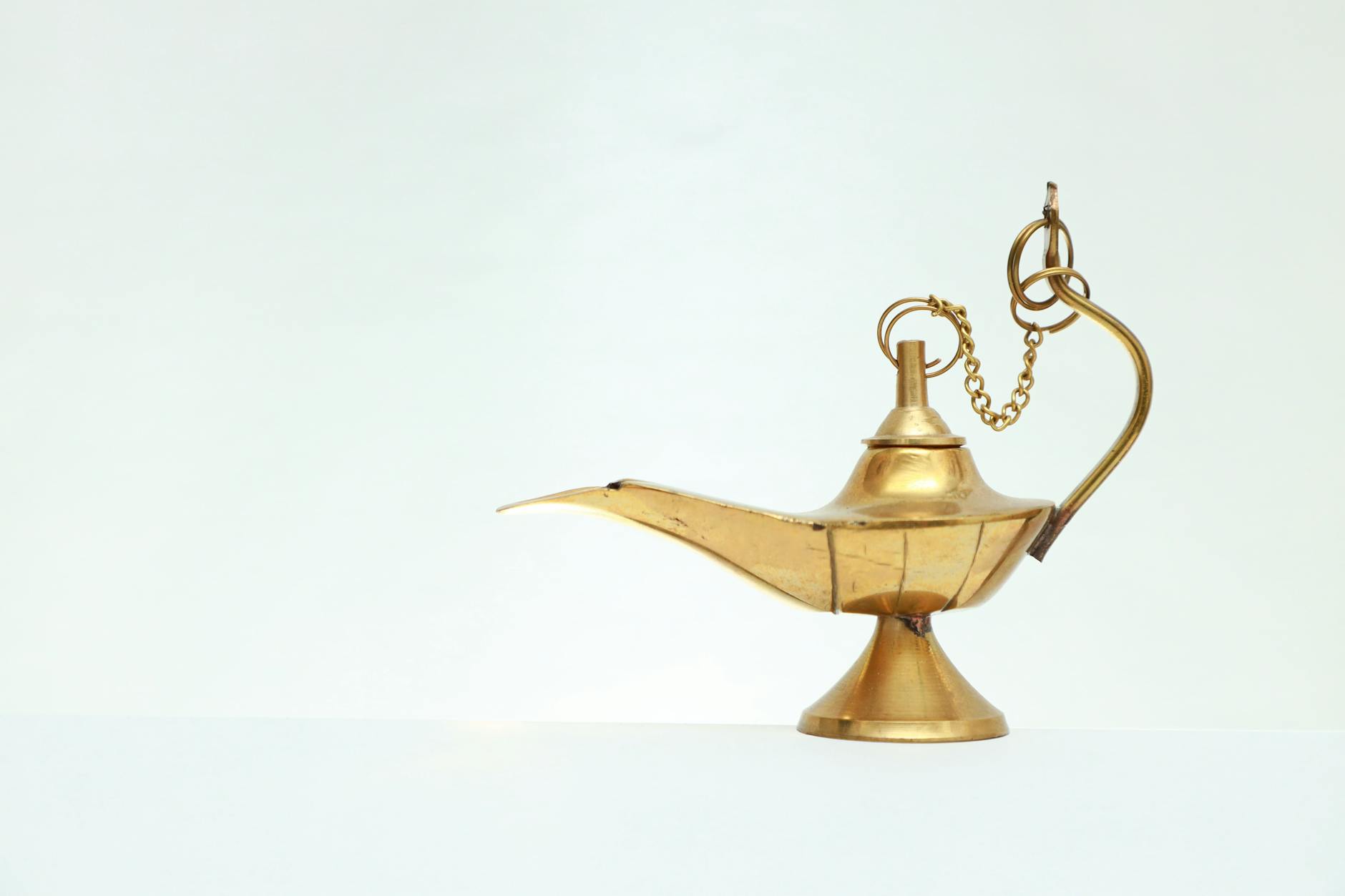
Authentic antique oil lamps (primarily 18th-19th century) can be identified by examining the thumbwheel on the burner, which often bears the maker’s name and patent date. Look for heavy cast iron or brass bases, distinct mold lines in glass fonts (indicating pressed glass), and specific burner styles like the Kosmos or Matador which replaced flat wicks with round ones for brighter light.
Imagine you are at a dusty estate sale in Ohio, sifting through a crowded shelf in the basement. Your hand brushes against cold glass—a heavy, dusty lamp with an intricate brass mechanism. Is it a reproduction from the 1970s worth $10, or a genuine Victorian parlor lamp worth hundreds? That moment of discovery is what we live for, but only if you know exactly where to look.
How can I determine the age of my oil lamp?
The quickest way to date an oil lamp is by inspecting the burner hardware. Before electricity, lighting technology moved fast, and specific burner types serve as excellent chronological markers.
- Whale Oil Burners (1700s–1840s): These are simple, two-tube metal burners that held round wicks. They are rare and indicate a very early piece.
- Kerosene Flat Wick (Post-1857): The discovery of kerosene revolutionized lighting. If your lamp has a flat wick mechanism, it is almost certainly post-1857.
- Central Draft Burners (1880s+): These complex burners allowed air to flow through the center of a round wick, creating a massive, bright flame.

Always check the thumbwheel—the small knob used to raise the wick. Makers like Plume & Atwood (P&A), Edward Miller & Co., and Bradley & Hubbard often stamped their names and patent dates right on this tiny dial. A patent date of “FEB 11 1873” gives you a concrete provenance starting point.
Identifying these marks manually can take hours, especially when the brass is tarnished or the text is worn. Using the Antique Identifier app, you can simply take a photo and get an instant result, helping you distinguish a common Eagle burner from a rare Rochester model in seconds.
What are the most valuable antique oil lamp makers?
While thousands of companies made lamps, a few names command higher fair market value due to their quality and artistry.
Bradley & Hubbard (B&H): Based in Connecticut, their metalwork is superior. Look for the “B&H” mark on the flame spreader or the base filler cap. Their lamps are heavy, often featuring intricate repoussé work or painted glass shades.
Tiffany Studios: The holy grail. While famous for electric lamps, their early oil vessels are masterpieces of Favrile glass and bronze. Authentication here is critical; fakes abound.
Aladdin: Specifically the “Aladdin Mantle Lamp” introduced in 1908. These differ from standard wick lamps as they used a mantle (a mesh netting) to produce a bright white light. Collectors pay a premium for specific finials and rare glass colors like “Moonstone.”
This focus on manufacturer markings is similar to what we cover in our guide on Gold Hallmark Identification: What 10K, 14K, and 18K Really Mean, where the stamp tells the entire story of value.
How do I identify a reproduction or fake oil lamp?
The market is flooded with “oil lamps” made in the 1960s and 70s that look old to the untrained eye. Here is how to spot them during a condition report:
- Blacklight Test: Antique glass from the late 1800s often contains manganese, which glows a faint yellow-green under UV light. Modern glass generally does not glow.
- Hardware Glue: Genuine antique burners were screwed or plastered into the glass font. If you see clear, modern glue or epoxy attaching the metal collar to the glass, it is a major red flag for a modern assembly or a clumsy restoration.
- The Seams: On a genuine pattern glass oil lamp, the mold seams should be relatively smooth. Sharp, rough seams often indicate cheaper, modern production.

What types of glass were used in antique lamps?
The font (the reservoir holding the oil) is often the most decorative part of the lamp. Understanding glass types helps with attribution and value estimation.
- Cranberry Glass: A rich red glass made by adding gold salts to the mix. Very popular in the Victorian era.
- Milk Glass: Opaque white glass, often pressed into intricate shapes.
- Opalescent Glass: Glass that appears milky or changes color when held to the light, often found in coin dot or swirl patterns.

What is the value of my antique oil lamp in 2026?
Appraisal values vary wildly based on condition and completeness.
A standard, clear glass “finger lamp” (with a handle) from the 1900s might fetch $25 to $50 at a thrift store. However, a complete Victorian Gone with the Wind lamp (matching hand-painted ball shade and base) can easily command $300 to $800 or more at a specialized auction house.
Collectors prioritize original parts. A lamp with its original “chimney” (the glass tube) and shade has a much higher replacement value than a “married” piece (where the base and shade were matched later).

Pro Tips for Value:
- Don’t Electrify It: drilling a hole in a pristine antique font to add a cord destroys its collector market value.
- Check the Threads: Antique collars usually have fine threads; modern replacements often have coarser threads.
- Smell It: It sounds odd, but a genuine antique lamp often retains the faint, oily scent of kerosene in the font, even after decades.
Related Antique Identification Guides
Expand your expertise with these related guides: Carnival Glass Identification: How the Iridescence Reveals the Age, Gold Hallmark Identification: What 10K, 14K, and 18K Really Mean, How to Date an Antique Chair by Its Leg Style (Visual Guide)
Conclusion
Identifying antique oil lamps is a journey through the history of light itself. Whether you have found a utilitarian finger lamp or an ornate parlor centerpiece, looking closely at the burner marks, glass quality, and construction seams is the key to uncovering its story. Before you pass by that dusty relic at the next sale, take a closer look—you might be holding a piece of history that’s worth far more than the sticker price.
Don’t guess at your next estate sale.
📱 Download Antique Identifier: AppraiseFind hidden treasures instantly with AI-powered identification
Leave a Reply