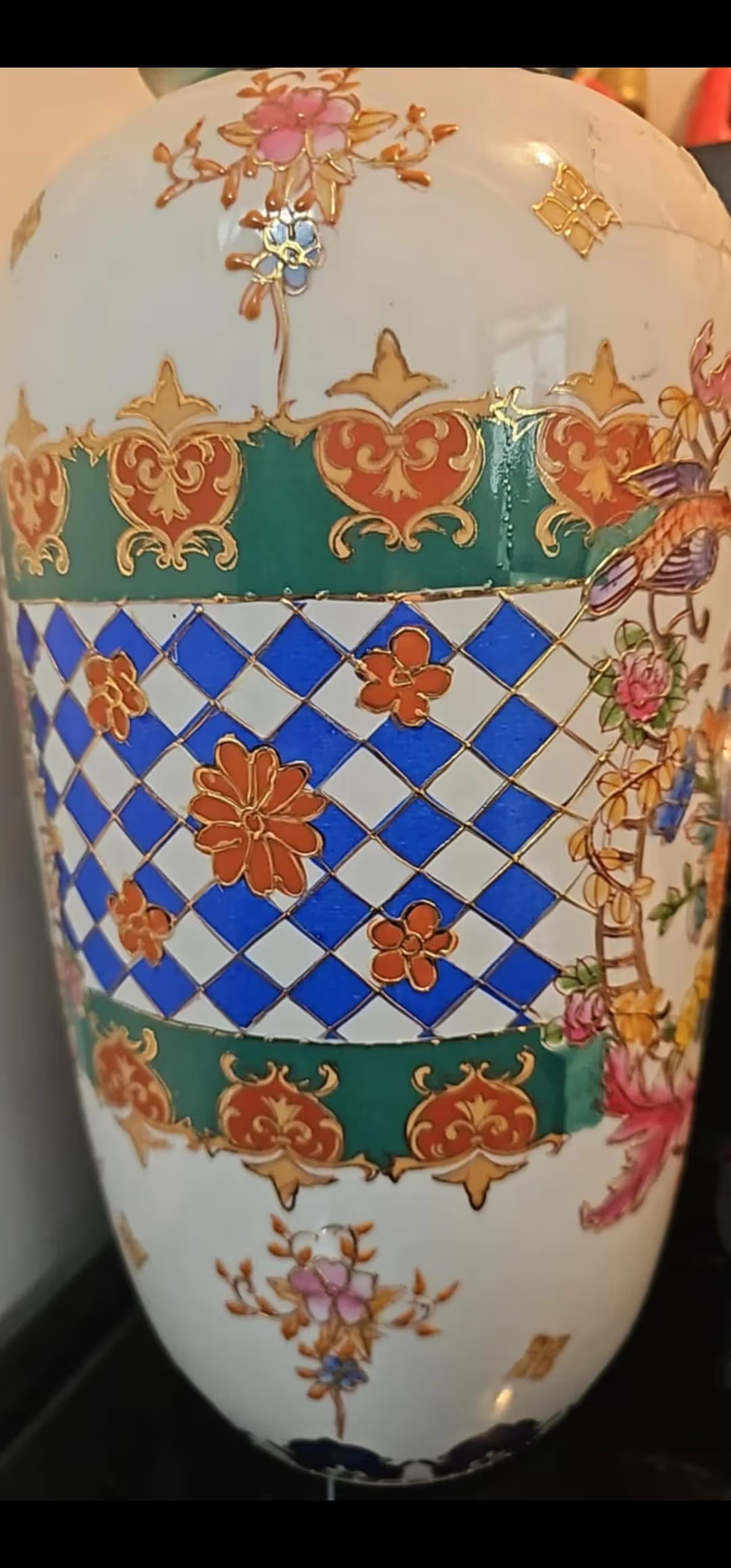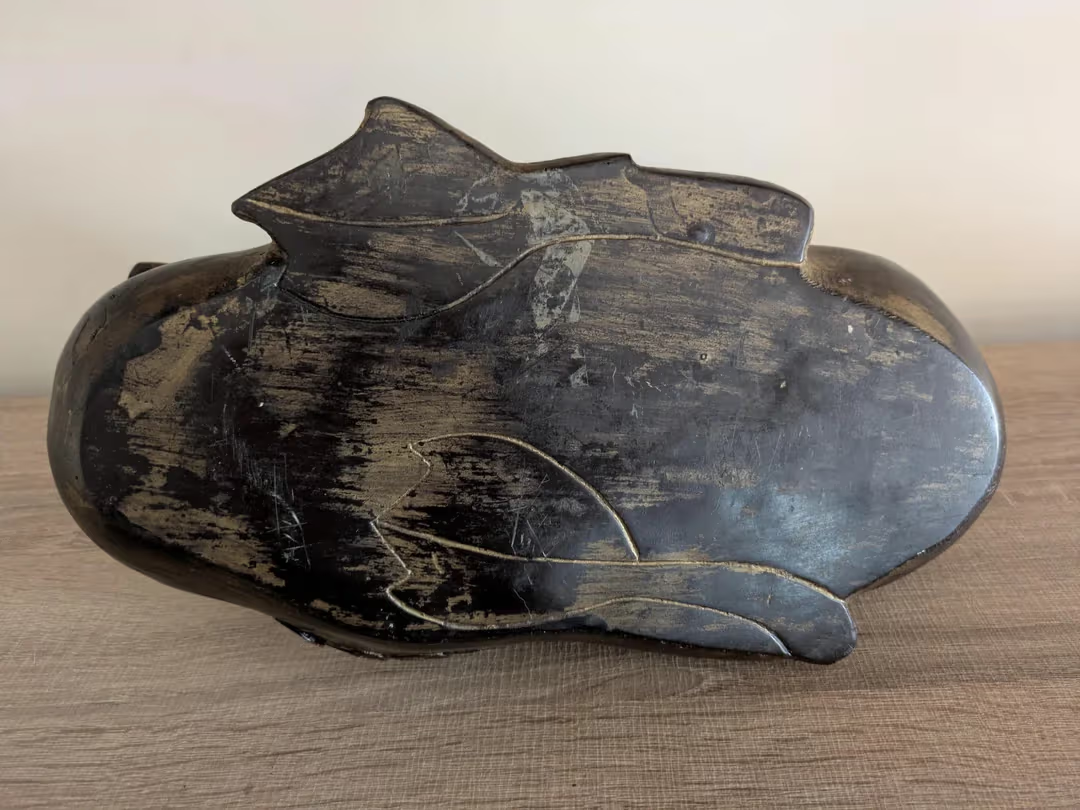
The quickest way to tell if an antique is worth money is to check five things you can examine at home: maker’s marks, material, age, condition, and demand. This guide explains what each sign looks like, which clues are reliable and which are folklore, and how to confirm a promising piece against sold prices and, when it matters, a credentialed appraiser.
Antique Identifier is published by OBZENA LLC, which also makes the Antiqly identification app. This article is a reference guide built from the sources linked in the text; no objects were tested, appraised or put up for sale for it, and it deliberately quotes no price ranges.
The five signs you can check at home
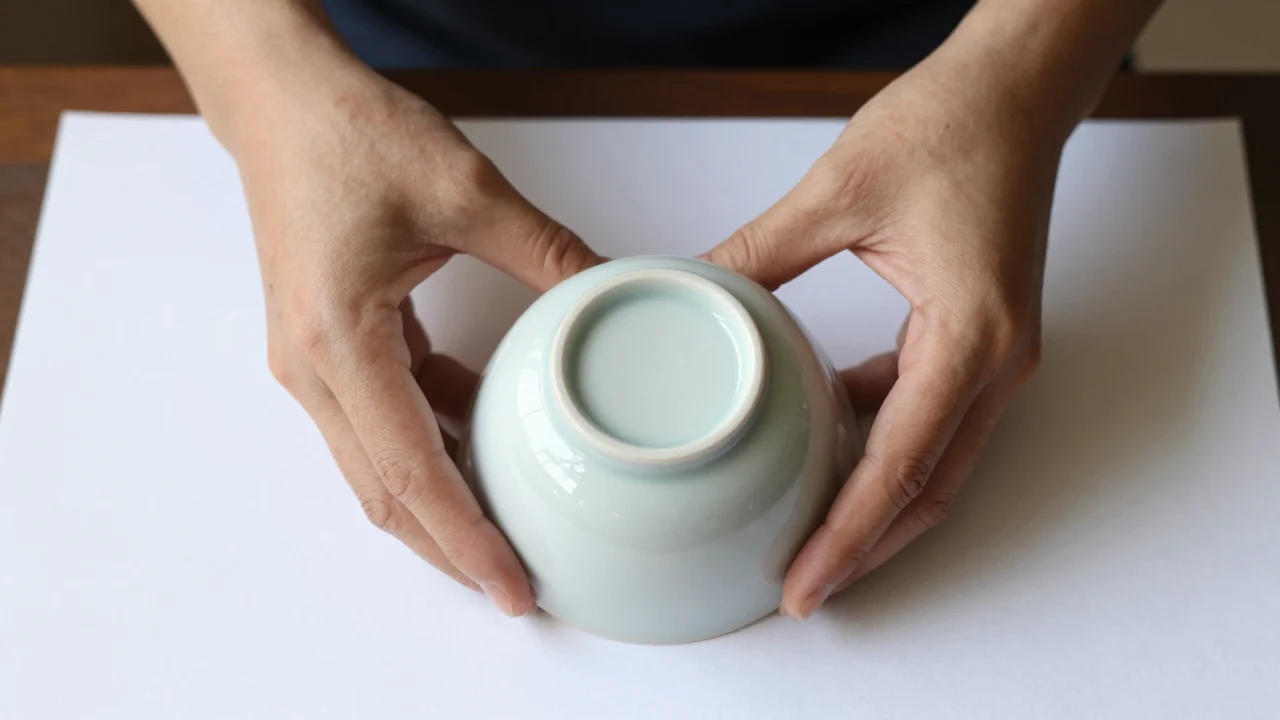
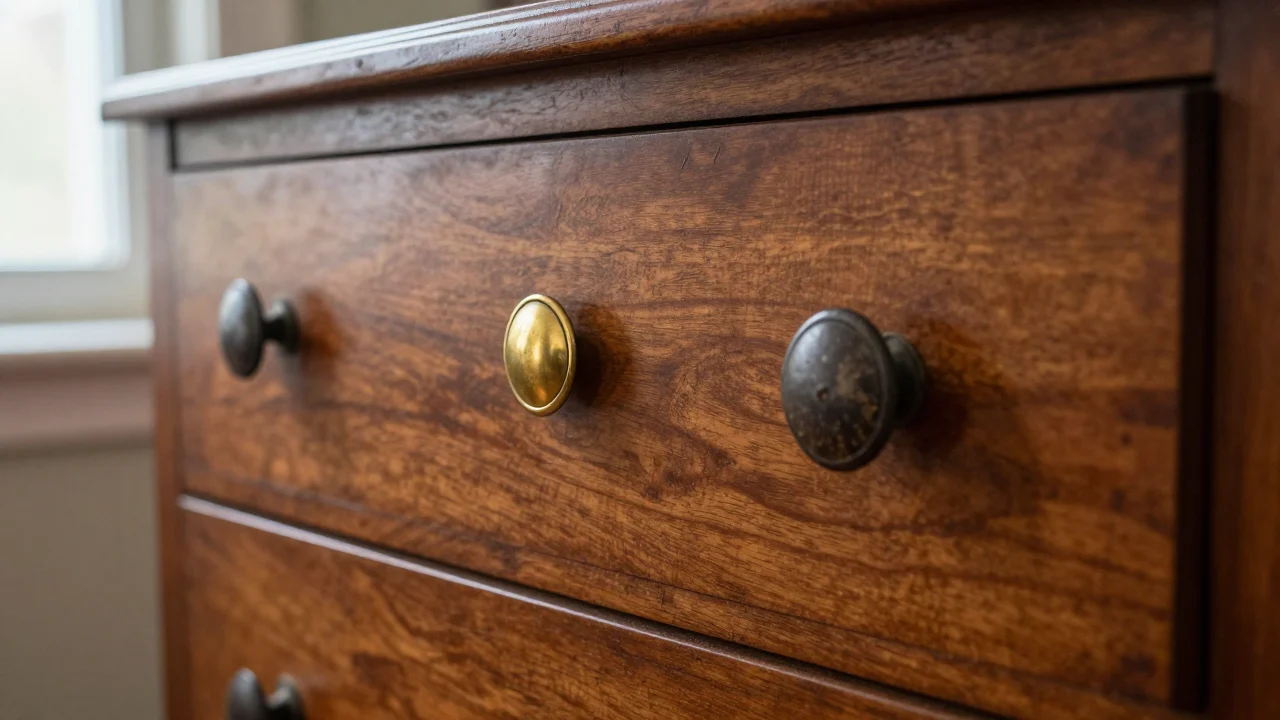
Most of the information that decides an antique’s value is on the parts you do not normally look at: the base, the underside, the back edges and the inside of drawers. Turn the piece over before you judge the front.
- Maker’s marks: a signature, hallmark, or backstamp that names the maker and, on hallmarked silver, can also date the piece.
- Material: solid silver, gold, hardwood, or bronze versus plate, veneer, and pot metal.
- Age: construction clues such as joints, saw marks, nails and screws that place a piece before or after known dates.
- Condition: an original surface with no repairs, replacements, or refinishing.
- Rarity and demand: how few exist, and how many collectors are actually buying this year.
Value comes from all five signs together, not from any single one. A signed piece in rough shape often sells for less than an unsigned piece in untouched condition, and a rare form that nobody collects still trades cheap. Work through the signs in order: marks are fastest, so start there, then confirm the material, place the age, grade the condition, and finish by checking the prices comparable pieces have actually fetched.
Sign 1: Maker’s marks and hallmarks
A maker’s mark is the single fastest tell. It names who made the piece and, on hallmarked silver and gold, often the year and the assay office as well.
On silver, look for a row of small stamped symbols. On porcelain, look for a printed or impressed backstamp. On furniture, check drawer bottoms, the back panel, and the underside of the top for a stamp, label, or branded name. A named maker moves a piece from “generic old thing” to a searchable, priceable object.
British silver carries the most informative system. According to the Birmingham Assay Office, there are three compulsory marks that comprise a hallmark in the UK: the Sponsor’s Mark, the Fineness Mark and the Assay Office Mark; the traditional fineness symbol and date letter are optional additions. The Wikipedia summary of hallmarks lists the assay office marks as the leopard’s head of London, the anchor of Birmingham, the Yorkshire rose of Sheffield, and the castle of Edinburgh, and describes the lion passant, indicating Sterling silver. American silver is simpler. Under the US Federal Trade Commission’s jewelry and precious metals guides, a product should not be marked “Sterling” or “solid silver” unless it is at least 925/1,000ths pure silver, which is why American pieces are usually stamped STERLING or 925 beside a maker’s name. Sterling silver is an alloy composed by weight of 92.5% silver and 7.5% other metals, usually copper. The letters EPNS stand for electroplated nickel silver: nickel silver is a copper alloy that does not contain silver, but resembles it. Our complete guide to antique marks and signatures shows where to look on every category, the British silver hallmarks chart decodes date letters, and the gold hallmark guide explains 10K, 14K, and 18K stamps.
Use this reference to read the most common marks at a glance:
| Mark you see | What it means | Where this is documented |
|---|---|---|
| Lion passant (walking lion) with a town mark and date letter | British sterling silver hallmark; the anchor is Birmingham, the leopard’s head London | Birmingham Assay Office; Wikipedia |
| 925 or STERLING | Sterling silver, at least 925 parts per 1,000 | US FTC guides, 16 CFR 23.5 |
| EPNS | Electroplated nickel silver: a plated copper alloy, not solid silver | Wikipedia, nickel silver |
| EPBM | Electroplated Britannia metal: plating over a tin alloy | Wikipedia, Britannia metal |
| 750, 585 or 375 | 18, 14 or 9 karat gold, expressed as parts per thousand | Wikipedia, fineness |
| Crossed swords in underglaze blue | Meissen porcelain mark, in use since 1722 and widely copied | Meissen Porcelain Museum |
Two rows need a word of explanation. The gold numbers are millesimal fineness, a system of denoting the purity of platinum, gold and silver alloys by parts per thousand of pure metal by mass in the alloy, so 750 is 18 karat, 585 is 14 karat and 375 is 9 karat. EPBM appears on plated tea and coffee wares: Britannia metal is a specific type of pewter alloy, and the abbreviation EPBM on such items denotes electroplated Britannia metal, so the piece is plated tin alloy rather than silver.
Marks are copied constantly, so a famous mark is a starting point, not a guarantee. The Meissen crossed swords are the classic example. The Meissen Porcelain Museum records that the factory’s inspector responded in November 1722 by proposing that the crossed swords from the Electoral Saxon arms be used as a means of identifying authentic Meissen porcelains, because at that point everything from Meissen was copied, and that the Crossed Swords have been applied by hand in underglaze cobalt blue to Meissen porcelain until today. Our guide to real versus fake Meissen crossed swords shows how the sword shapes changed by period, which is what lets you date or reject a piece. To identify an unfamiliar mark, Kovels’ Look For Your Mark is a marks search that you filter by keyword and by shape categories such as anchor, crown or crescent, with lettered marks grouped as Words & Initials from A to Z. Your takeaway: a clear mark from a documented maker is the strongest single upgrade to value you can find in seconds, once you have checked it against a reference rather than taken it on trust.
Sign 2: What the piece is actually made of
Material sets the floor under an antique’s value. Solid silver, gold, hardwood, and bronze start high. Plate, veneer, and pot metal start low.
Weight tells you something before you find a single mark. Solid silver and bronze feel dense and cool and stay heavy for their size, while pot metal and spelter feel light and hollow. Heft alone cannot separate sterling from silver plate, though, because plated wares are built on copper alloys that are heavy in their own right; our guide to pewter vs silver by weight gives the density figures and a home test that does work, and telling pewter from silver covers the sound and mark checks.
The magnet test is narrower than most guides claim, including the earlier version of this one. A magnet exerts a force that pulls on other ferromagnetic materials, such as iron, steel, nickel, cobalt, etc., whereas diamagnetic substances, such as carbon, copper, water, and plastic, are even more weakly repelled by a magnet. So if a magnet grabs your piece, there is a steel or iron core under the finish and it is not solid silver or gold. If the magnet does nothing, you have learned less than it seems: a plated piece on a copper base passes the test as easily as solid silver. For the sterling-versus-plate question, read the marks first and then use the checks in our guide to sterling silver vs silver plate and what EPNS means.
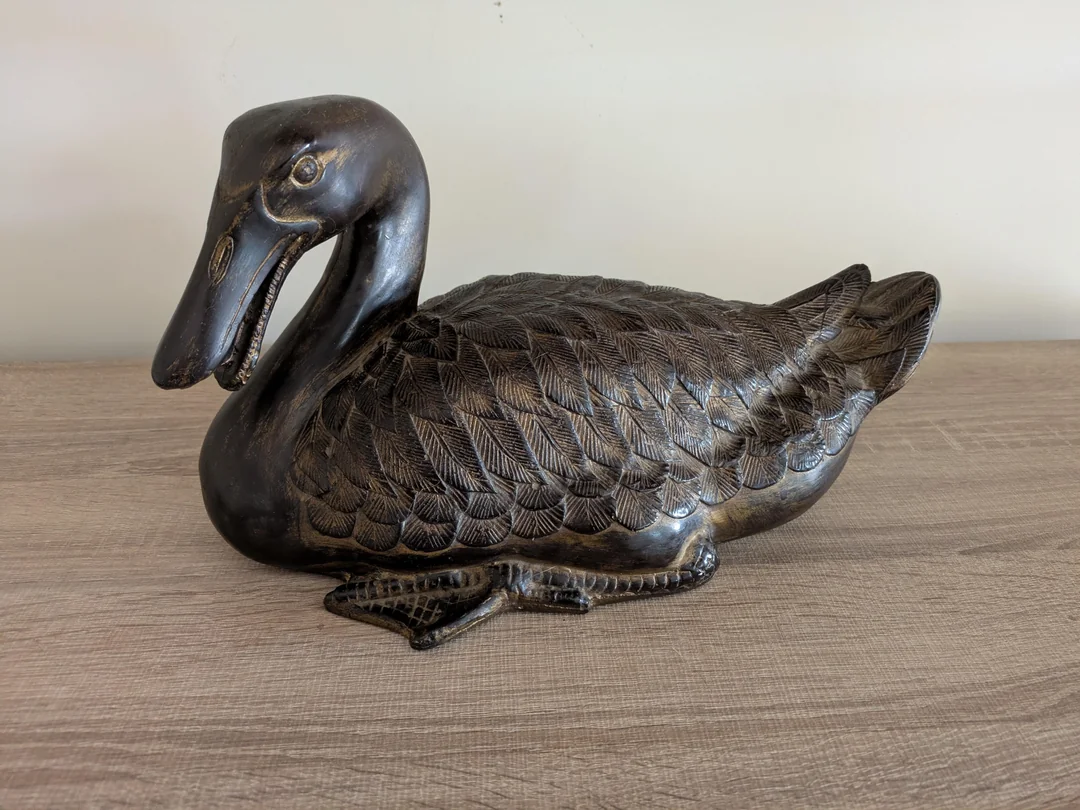
On metal, the surface itself carries evidence. Patina is a thin layer that variously forms on the surface of copper, brass, bronze, and similar metals and alloys (tarnish produced by oxidation or other chemical processes), and on a genuinely old piece it sits down in the recesses of the design. A bright, uniform shine with no darkening in the crevices often signals a modern reproduction or a piece that has been aggressively polished. That matters for price: in the case of antiques, preserving a piece’s look and character is important and removal or reduction may dramatically reduce its value.
On furniture, learn the difference between solid wood and veneer. Solid mahogany, walnut, and oak command a premium. A veneer is a thin decorative layer glued over cheaper wood; fine period veneers are legitimate and often valuable, while a modern printed laminate is not. Check exposed edges and the underside: solid wood shows continuous grain running through the thickness, while veneer shows a distinct seam where the face layer stops.
For precious-metal pieces, material can even set a hard floor. When a silver object is not collectible in itself, its metal value is what a refiner will pay. Our breakdown of melt value versus antique value explains when the metal is worth more than the object and when to hold. Your takeaway: confirm what the piece is made of before you get excited about the maker; a signed plated tray is still a plated tray.
Sign 3: Age and construction clues
Age is proven by construction, not by how old a piece looks. The way something was built dates it more reliably than any faded finish.
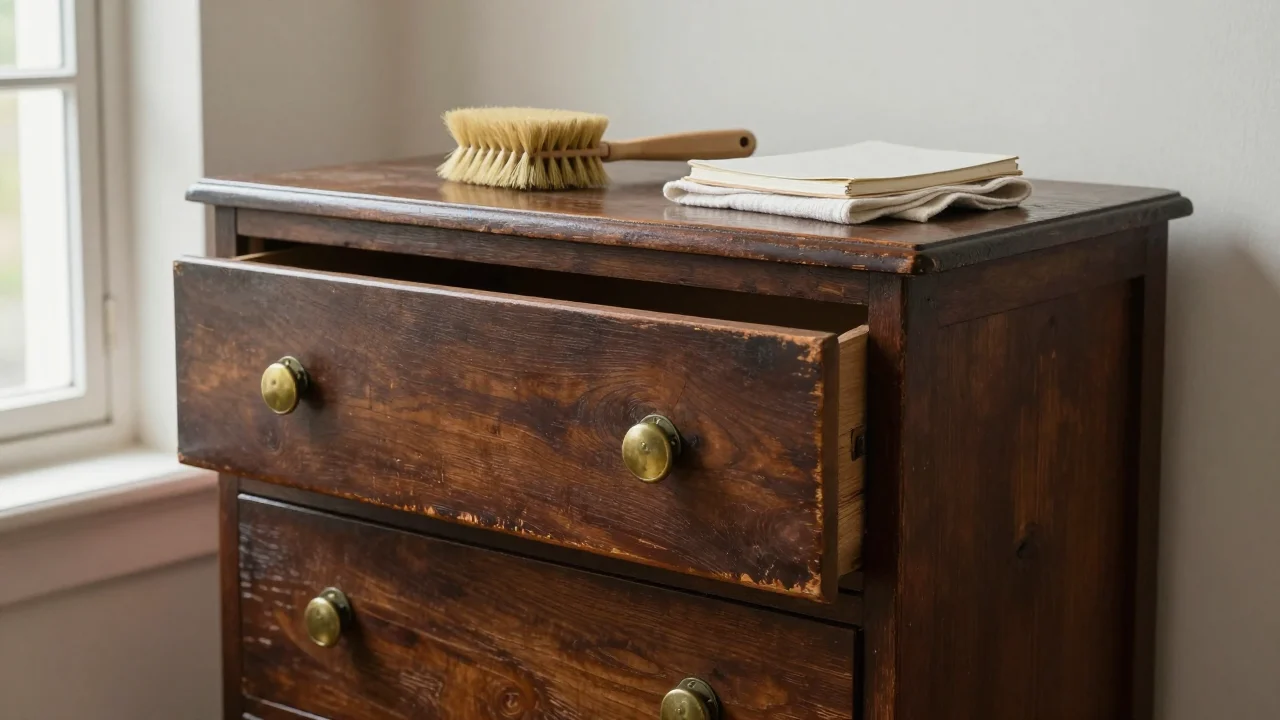
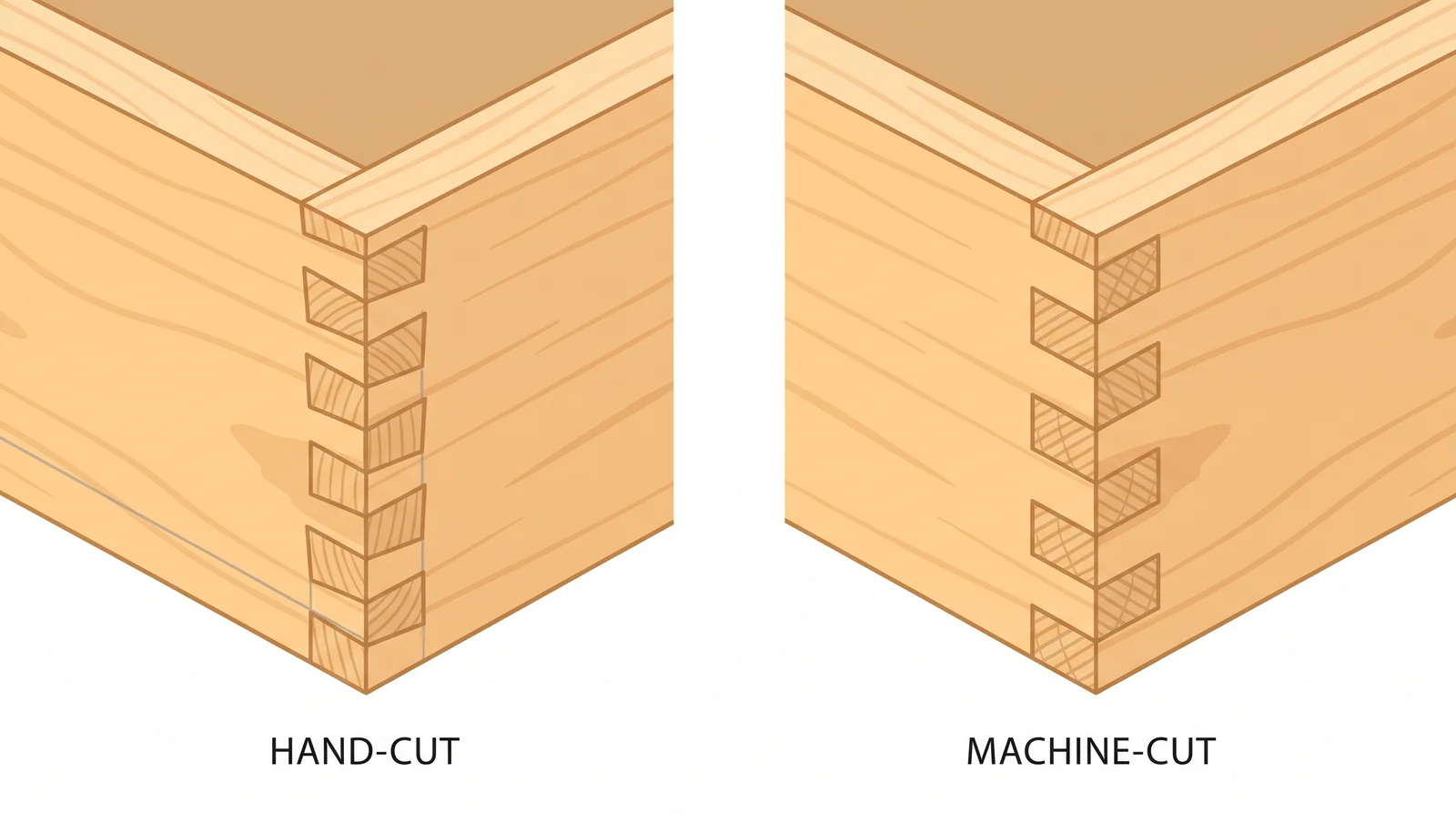
On furniture, the drawer joints tell the story. Hand-cut dovetails are slightly irregular: the pins vary a little in size and spacing, and there is often a scribe line where the maker marked out the joint. Perfectly uniform joints point to factory machinery, and the dates are documented. According to Fine Woodworking’s history of the cove-and-pin joint, Charles Knapp’s 1867 patent led to a machine that the Knapp Dovetailing Company put into a production line at the Beal & Hooper furniture factory in East Cambridge, Mass., in 1871, and during the next 30-odd years, the technology was embraced in furniture factories throughout the Northeast; by 1900 there was machinery that could cut a traditional-looking dovetail joint. So a drawer with round pin-and-scallop Knapp joints is American factory work from the 1870s to about 1900, and a drawer with identical machine dovetails is later still. Our 1800s dresser guide walks through each joint type.
Look at the wood surfaces inside and underneath, and be careful with a common mistake: circular saws leave curved marks, not straight ones, which the earlier version of this guide had backwards. The Ledyard Up-Down Sawmill explains that boards sawn on an Up-down (Sash-type) sawmill have straight saw marks at a right angle to the length of the board, while boards sawn on an circular sawmill show the curved marks expected from a round saw blade. Circular saws were invented in the late 18th century and were in common use in sawmills in the United States by the middle of the 19th century, so arc-shaped marks on a secondary surface point to a mid-nineteenth-century or later date, straight and evenly spaced marks are consistent with an earlier water-powered mill, and irregular angled marks suggest hand pit-sawing. Genuine old wood also shrinks across the grain over a century, so a round turned leg may measure slightly oval.
Hardware is another clock. The Wikipedia history of the nail divides them into three overlapping eras: the hand-wrought (forged) nail from prehistory until the 19th century, the cut nail from roughly 1800 to 1914, and the wire nail from roughly 1860 to the present; the real first efforts to mechanise the nail-making process itself occurred between 1790 and 1820, and in the United States, in 1892 more steel-wire nails were produced than cut nails. The same sequence of irregular hand-forged heads, then rectangular cut shanks, then round wire nails applies to furniture backboards and drawer bottoms, so a round wire nail in an undisturbed joint argues against a date before the mid-nineteenth century. Screws date a piece too. Henry F. Phillips patented a recessed cruciform screw in 1932, and General Motors used the design in 1936 for its Cadillac assembly lines, so a “Georgian” chest held together with Phillips-head screws was built, or heavily rebuilt, in the twentieth century. Our guide to dating furniture by hardware covers nails, screws and hinges in detail, and the furniture periods chart places styles between 1600 and 1940.
Age matters because most markets reward it, but only alongside the other signs. A genuinely eighteenth-century piece with a documented maker and clean condition sits in a different tier from a 1950s reproduction of the same form, yet a 150-year-old mass-produced plate in a common pattern may still be worth very little. Your takeaway: let the joints, saw marks, and hardware confirm the date, then weigh that date against demand before you assume old means valuable.
Sign 4: Condition, originality, and repairs
Condition can make or break a price. Two otherwise identical antiques can sell for very different sums based purely on their state.
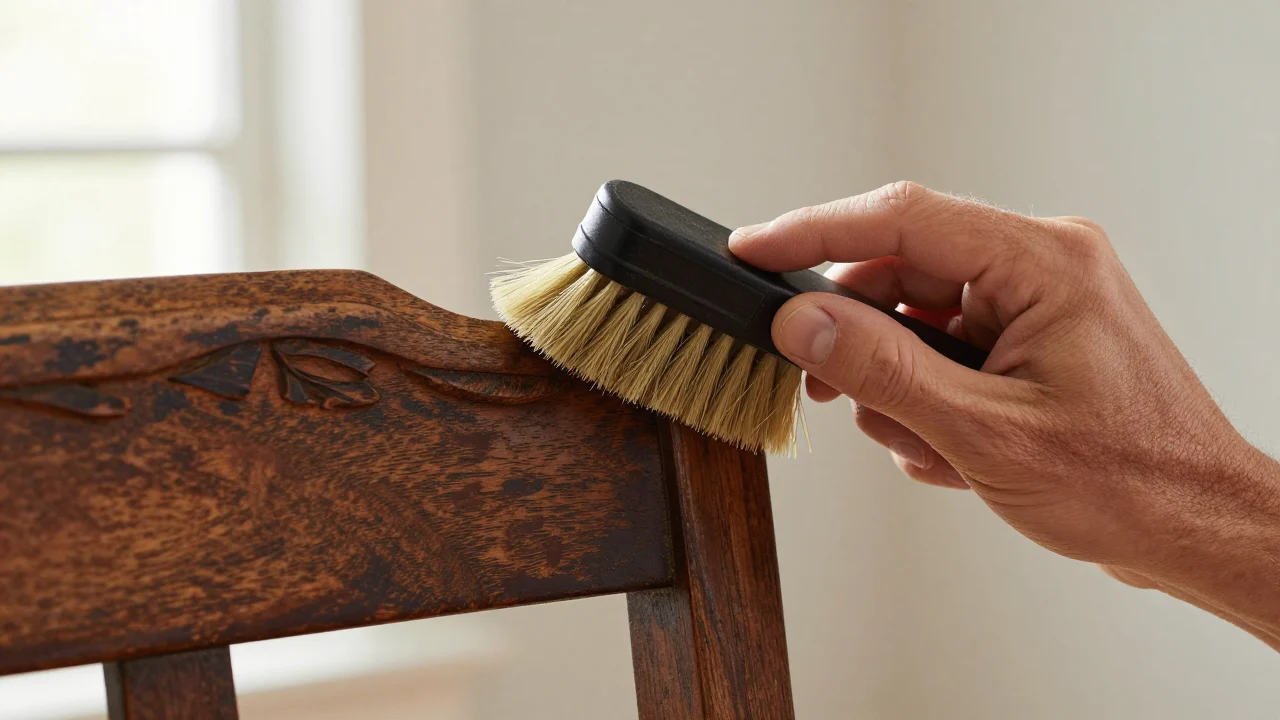
Collectors prize originality above shine. An original, undisturbed surface, whether the first finish on furniture, the untouched enamel on a sign, or the natural patina on bronze, is generally worth more than a cleaned or refinished version, and once a surface is stripped it cannot be put back. When in doubt, do nothing: a specialist will always prefer to see the piece as it survived. Our guide to restoring versus preserving antique furniture explains where the line falls.
Repairs and replacements pull value down, and how much depends on what was touched. A replaced drawer pull is minor. A replaced tabletop, a re-carved detail, or a married piece assembled from two different objects is major and must be disclosed when you sell. On ceramics, hairline cracks, chips and hidden restoration all count against a piece. Conservators find hidden work with ultraviolet light: as the Museum of Fine Arts, Houston explains in Beyond Visible, UVA radiation can increase the visibility of coatings and old repairs, because fillers, adhesives and overpaint often fluoresce differently from the aged original surface. An inexpensive UV torch in a dark room will show you the same thing on porcelain, paintings and furniture.
Use a plain-English grading ladder when you assess a piece:
- Mint / excellent: original surface, no damage, no repairs. Top of the range.
- Good: light honest wear, fully original, no structural issues. Solid, sellable.
- Fair: visible wear, minor repairs, or small losses. Meaningful discount.
- Poor: breaks, heavy restoration, replaced parts. Often metal or parts value only.
Sold prices bear this out. WorthPoint describes its Price Guide, in its own support documentation, as delivering sales information on more than 587 million items so that you can see what similar items have sold for, and a search there for any common model shows the same object spanning a wide range driven largely by condition and completeness. A complete set beats a partial one, and a piece with its original box, lid, or stopper beats a bare survivor. Your takeaway: grade honestly, resist the urge to clean it up, and remember that original and untouched almost always outsells bright and restored.
Sign 5: Rarity and collector demand
Rarity only pays when demand meets it. A one-of-a-kind object that no one collects sells cheap, while a common piece that many people want can command strong money.
Start by asking how many exist. Limited production runs, discontinued patterns, short-lived makers, and unusual forms all push value up. A silver pattern retired after a few years is scarcer than one produced for a century, which is why pattern identity alone can swing the value of a flatware set; our guide to Towle sterling silver patterns shows how much the pattern name matters.
Then ask who is buying. Demand shifts with fashion, and prices follow, so a piece is worth what a motivated buyer will pay this year, not what a price guide printed a decade ago. For the same reason this guide gives no category price bands: a single range for “sterling flatware” or “Chinese porcelain” hides more than it shows, and the earlier version of this article carried such a table without any sales data behind it. Check demand with sold results for the same maker, pattern and condition instead. WorthPoint’s archive of historical auction and marketplace sales is one route; the sold-listings filters on the major marketplaces show recent closing prices free of charge; and our guide to looking up antique values like a professional appraiser walks through the search step by step. Asking prices are not evidence of value; only completed sales are. Your takeaway: pair scarcity with a real audience. A rare form plus active collectors is where the money is, and either one alone rarely is.
How to check what your antique is worth fast
You can run all five signs in a few minutes, then confirm value with a photo and a search. Here is a workflow that puts the cheapest checks first.
Photograph the piece well, because every identification depends on image quality. Shoot in soft, indirect daylight near a window. Capture the front, the base or underside, any mark or signature in sharp close-up, and any damage. A crisp photo of a hallmark does more for identification than a paragraph of description.
Start with the marks. Search the exact wording, symbols, and numbers you find against a mark reference, and note the maker and approximate date. Then confirm the material with the weight and magnet checks, place the age using the construction clues, grade the condition honestly, and finish by checking sold prices. For a deeper valuation path, our roundup of digital tools and resources for collectors walks through the free and paid options in order.
A photo-identification app can shorten the first step. Antiqly is our own product, so weigh that when you read this: it is a way to get a first suggestion of maker, period and category from a photograph, and any suggestion it returns should be checked against the marks references and sold prices described above before you buy, sell or insure. No app estimate is an appraisal.
Know when to bring in a human. For a piece the five signs suggest could be valuable, a written appraisal from a credentialed specialist protects you before you sell or insure it. Auction houses look at photographs before they accept a consignment; ask whether that first opinion costs anything, and remember that it is an auction estimate for pieces they might sell, not an insurance or estate appraisal.
Your takeaway: photograph carefully, run the five signs in order, use free tools for a first estimate, and escalate to completed-sale data or a specialist only when the signs point to real money. That sequence keeps you from overpaying at a sale and from underselling a sleeper you already own.
Where to find an appraiser or a buyer near you
The reliable way to find an antique appraiser near you is a professional society directory rather than a search ad. The American Society of Appraisers says its Find an Appraiser tool will help you locate one quickly and easily for any type of property, and it lets you filter by discipline, including Personal Property and Gems & Jewelry, and by location. Expect to pay for a written appraisal, and treat a free opinion from a dealer who also wants to buy the piece as an offer rather than a valuation.
For selling locally, the usual routes are regional auction houses, antique dealers and estate-sale companies, each with a different fee structure and speed. Our guide to where to sell antique silver compares dealers, auctions and online options, and antique identifier app vs professional appraiser explains when a paid appraisal is worth the fee.
Frequently Asked Questions
How can I tell if my antique is valuable without any marks?
Unmarked does not mean worthless. Judge the other four signs. Confirm the material first: solid silver, gold, hardwood, and bronze carry value even without a signature, while plate and pot metal do not. Then date the piece by construction, since slightly uneven hand-cut dovetails, straight mill saw marks and hand-forged nails point to genuine age. Grade the condition, because an original untouched surface commands a premium. Finally, judge the form and quality: fine hand craftsmanship, unusual design, and strong collector categories sell well unsigned. Many valuable early pieces were never marked at all. Photograph the details and compare against completed sales of similar objects to estimate a range.
Does age alone make an antique valuable?
No. Age is only one of five signs, and on its own it rarely sets a high price. A 150-year-old mass-produced plate in a common pattern may be worth very little, while a well-designed piece from the 1950s by a sought-after maker can sell strongly. Value comes from age combined with a documented maker, quality material, original condition, and active collector demand. Rarity matters more than raw years: something scarce that people want beats something old that everyone already owns.
Do repairs lower the value of an antique?
Yes, usually, and the amount depends on what was done. Minor, honest repairs like a replaced drawer pull barely register. Major work such as a replaced tabletop, re-carved detail, married parts, or a stripped and refinished surface drops value hard. On ceramics, hidden restoration, hairline cracks, and chips count against a piece, and a UV torch will reveal much of it because modern fillers and overpaint fluoresce differently from the original. If you own a potentially valuable piece, resist cleaning or repairing it, and disclose any known work when you sell.
Where can I find out what my antique is worth for free?
Start with free tools before paying anyone. A photo-identification app, including our own Antiqly, can give you a first suggestion of maker and period. Then confirm with completed sales: search sold listings on the major auction and marketplace sites to see what similar pieces actually closed at, not asking prices. Mark references such as Kovels help you identify silver, pottery, and porcelain makers, and WorthPoint archives historical auction results. Auction houses will often look at photographs of a piece they might want to sell; ask up front whether that opinion is free. Pay for a formal written appraisal only when the signs point to real money or when you need a figure for insurance or an estate.