
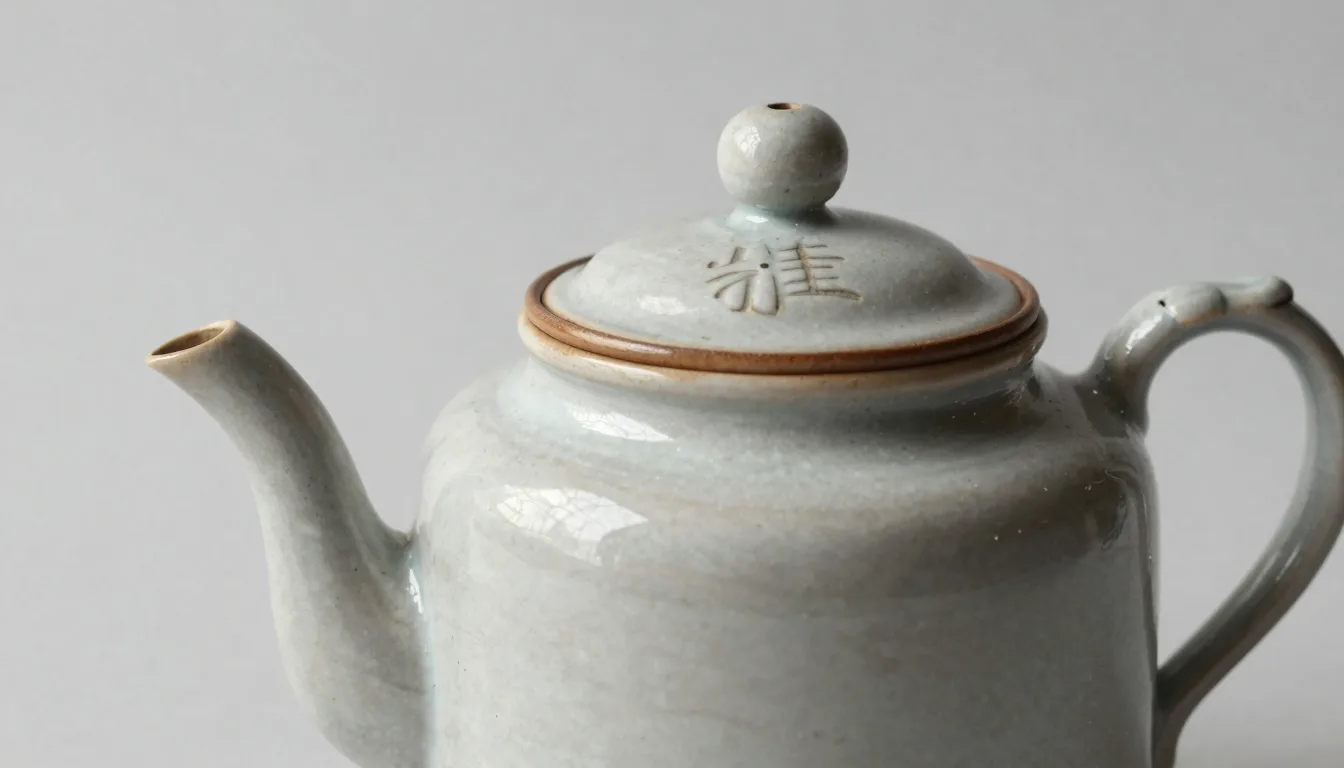
The secret to identifying antique teapots lies in their markings. Discover hidden details and learn to unlock their stories.
Free to download: identify any antique instantly with AI. No sign-up.
Identify Now →Understanding hallmarks and stamps on antique teapots
Hallmarks and stamps are the signatures of the artisan or the maker. They capture the origins, age, and authenticity of your piece. Hallmarks vary across regions. They sometimes differ within periods. Some English teapots, for example, feature hallmarks that reveal their London origin and the year they were crafted. It’s like reading a biography of the teapot.
A hallmark to pay attention to is the lion passant, symbolizing sterling silver, an indicator of genuine quality. Differences among national marks can be subtle. French teapots might include a Minerva head, revealing their silver content. Comparing marks can help unearth fascinating stories about a teapot’s journey. More on this in our antique marks guide.
Decoding porcelain and ceramic marks
Porcelain and ceramic teapots often bear specific markings indicating their manufacturer or the era they belong to. Famous makers, like Meissen or Royal Worcester, imprint recognizable symbols or initials. These can reveal a lot about a piece’s origin.
For example, Meissen is known for its distinct crossed swords mark. Knowing this can help pinpoint the value and rarity of a piece. It also links to the broader narrative of European porcelain history. Learn more about period dating techniques.
Spotting fake teapots
As any seasoned collector knows, the antique market can have its share of impostors. Identifying fakes involves recognizing inconsistencies in the hallmark shapes or positioning. Authenticity is key, and real hallmarks often have a discernible depth and precision.
Counterfeit pieces might also show signs of altered or added marks. A truly authentic mark holds a sense of history, with potentially slight imperfections from hand-stamping processes. More insights are available in our piece on online antique appraisal sites.
Not sure what you’ve got?
Snap a photo and let our AI identify any antique in seconds: free download, no sign-up.
Identify on iPhone → Learn MoreComparison of hallmark differences
| Country | Hallmark Example | Typical Period |
|---|---|---|
| England | Lion Passant | 18th-20th Century |
| France | Minerva Head | 19th Century |
| Germany | Crossed Swords (Meissen) | 18th Century |
This table shows different hallmark examples from popular teapot-producing countries. It encapsulates typical periods and demonstrates how diverse and symbolic these marks can be. Such comparisons enrich the understanding of a teapot’s background and help prevent expensive mistakes.
Using external resources for identification
In addition to hands-on analysis, numerous resources can assist in teapot identification. Visiting a museum, like the Victoria & Albert Museum, can provide invaluable insights. Online collections such as the Smithsonian offer digital access to a vast range of reference material.
Websites like Kovel’s and WorthPoint present databases of historical teapot marks. They can be crucial in cross-verifying your findings. These platforms support a deeper exploration into the history and provenance of your teapot.
Frequently Asked Questions
How can I determine the value of an antique teapot?
Consulting an expert or using online valuation tools, like those discussed in our valuation resources, can help determine its worth.
What are the most common materials for antique teapots?
Antique teapots are commonly made from silver, porcelain, and ceramics. Each material offers unique value and historical context.
Where can I find genuine antique teapots for sale?
Antique auctions, estate sales, and reputable antique dealers are reliable sources. Verify authenticity via known marks and expert validation.
What makes a teapot an antique?
Typically, a teapot over 100 years old with clear historical significance or craftsmanship qualifies as an antique.
Can I clean an antique teapot with regular dish soap?
It’s best to use gentle, non-abrasive cleaners to maintain the patina and avoid damaging the teapot’s surface.
Identify any antique in seconds.
From silver hallmarks to porcelain maker marks, the app suggests the item type, period and a value range.
